What Sets Modern HVAC Heater Exchangers Apart in 2025
- Modern HVAC heater exchangers in 2025 use advanced technology for greater energy efficiency.
- These systems improve indoor comfort and reduce utility costs.
- Homeowners and businesses trust the latest heater exchanger models for their proven reliability and long-lasting performance.
Breakthrough Heater Exchanger Technologies in 2025

Advanced Materials and Innovative Design
Engineers in 2025 select materials that resist corrosion and withstand extreme temperatures. Stainless steel and composite alloys dominate the market. These materials extend the lifespan of each heater exchanger and reduce the risk of breakdowns. Manufacturers use computer-aided design to optimize airflow and heat distribution. They create compact units that fit into smaller spaces without sacrificing performance.
Tip: Homeowners should ask about material specifications when choosing a new heater exchanger. Durable materials often mean fewer repairs and lower costs over time.
A comparison of common materials used in modern heater exchangers:
| Material | Benefits | Typical Use Case |
|---|---|---|
| Stainless Steel | Corrosion resistance | Residential systems |
| Composite Alloy | Lightweight, strong | Commercial systems |
| Aluminum | Efficient heat transfer | Small units |
Smart Heater Exchanger Integration and Connectivity
Modern heater exchangers connect seamlessly with smart home systems. Technicians install sensors that monitor temperature, humidity, and airflow. These sensors send data to mobile apps and building management platforms. Facility managers receive alerts about maintenance needs or performance issues.
- Remote diagnostics help technicians fix problems faster.
- Automated controls adjust settings for maximum comfort.
- Integration with energy management systems reduces waste.
Smart connectivity allows users to track energy consumption and optimize heater exchanger operation. This technology supports predictive maintenance, which prevents costly failures.
Enhanced Heat Transfer and Performance
Designers focus on maximizing heat transfer efficiency. They use finned surfaces and advanced coatings to increase contact between air and heating elements. These improvements boost the performance of each heater exchanger and lower energy usage.
Note: Enhanced heat transfer means rooms heat up faster and maintain steady temperatures.
Engineers test new designs in real-world conditions. They measure how quickly a heater exchanger warms a space and how evenly it distributes heat. The best models deliver consistent comfort, even during extreme weather.
Efficiency, Reliability, and Real-World Benefits of Heater Exchangers
Superior Energy Efficiency and Ratings
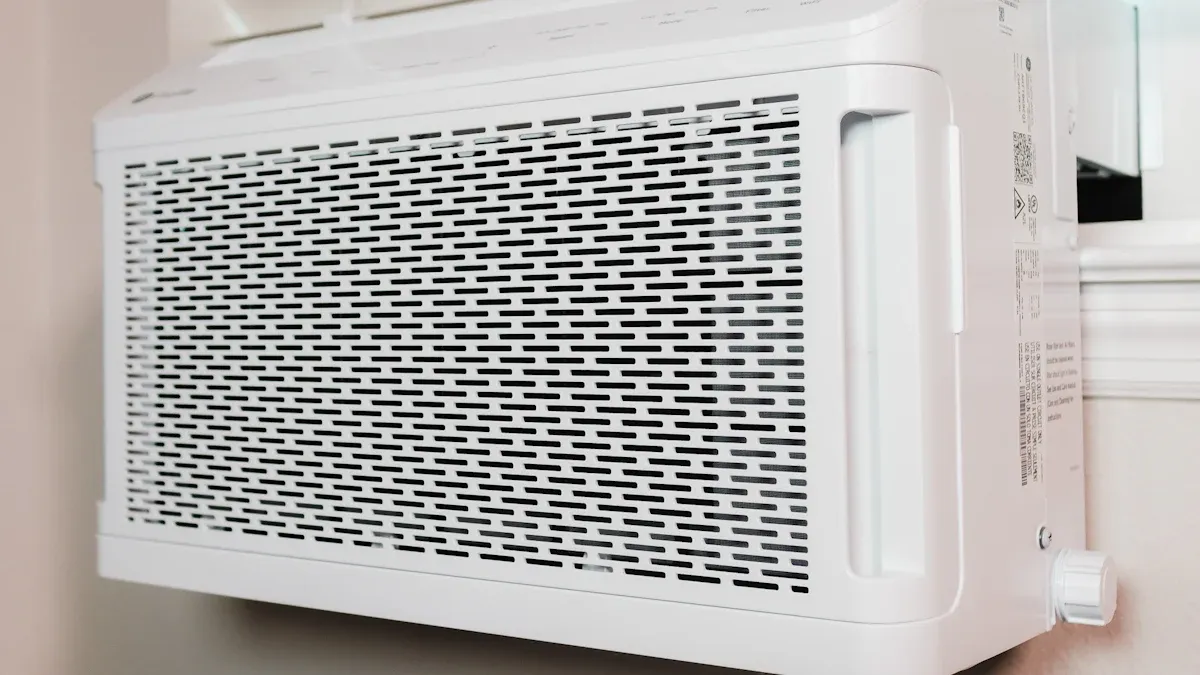
Modern heater exchangers in 2025 achieve impressive energy efficiency. Manufacturers design these systems to meet or exceed the latest industry standards. High Annual Fuel Utilization Efficiency (AFUE) ratings have become the norm. These ratings show how much fuel converts directly into usable heat. Systems with higher AFUE ratings waste less energy and lower utility bills.
Energy-efficient heater exchangers use advanced heat transfer surfaces and smart controls. These features help maintain consistent temperatures while using less power. Many models now qualify for energy rebates and green building certifications.
Tip: Look for the ENERGY STAR® label when selecting a new heater exchanger. This label indicates top-tier efficiency and performance.
Durability, Lifespan, and Low Maintenance
Engineers focus on durability when developing new heater exchangers. They select robust materials that resist corrosion and thermal stress. Stainless steel and composite alloys extend the lifespan of each unit. These materials also reduce the risk of leaks and cracks.
Routine maintenance becomes easier with modern designs. Many heater exchangers feature self-cleaning surfaces and accessible components. Technicians can inspect and service these systems quickly. This approach minimizes downtime and keeps heating systems running smoothly.
A comparison of maintenance features in 2025 models:
| Feature | Benefit |
|---|---|
| Self-cleaning surfaces | Less frequent manual cleaning |
| Modular components | Faster repairs and replacements |
| Corrosion-resistant | Longer operational lifespan |
Note: Regular maintenance checks help prevent unexpected breakdowns and extend the life of the heater exchanger.
Cost Savings and Practical Value
Heater exchangers in 2025 deliver real savings for homeowners and businesses. Lower energy consumption translates into reduced monthly bills. Durable construction means fewer repairs and replacements over time. Smart controls optimize performance and prevent unnecessary wear.
Many users report a return on investment within a few years. Energy rebates and tax incentives further increase the value of upgrading to a modern heater exchanger. Facility managers appreciate the reduced maintenance costs and improved reliability.
- Lower utility bills
- Fewer emergency repairs
- Longer system lifespan
- Increased property value
💡 Upgrading to a high-efficiency heater exchanger often pays for itself through energy savings and reduced maintenance expenses.
Modern HVAC systems in 2025 set new standards for efficiency and reliability. Smart integration provides real savings and comfort. Homeowners and businesses gain peace of mind with advanced technology. Upgrading to a modern heater exchanger offers better performance and long-term value.
- Increased comfort
- Lower costs
- Reliable operation
FAQ
What maintenance do modern HVAC heater exchangers require in 2025?
Technicians recommend annual inspections. Self-cleaning surfaces and modular components simplify routine service. Owners experience fewer breakdowns and reduced maintenance costs.
How do smart heater exchangers improve energy efficiency?
Smart sensors monitor system performance. Automated controls adjust settings for optimal heat transfer. Users track energy consumption through connected apps.
Are modern heater exchangers compatible with older HVAC systems?
Manufacturers design most new heater exchangers for easy integration. Technicians assess compatibility during installation. Upgrades often require minimal changes to existing infrastructure.
See Also
Understanding the Advantages of Commercial Heat Exchangers in 2025
Innovative Materials Transforming Heat Exchanger Production Today
Evaluating Shell Versus Plate Heat Exchanger Efficiency in 2025
Simplifying Heat Exchanger Assistance with AHRI 400/401 Standards
A Comprehensive 2025 Overview of Semi-welded Plate Heat Exchangers