Mini sewage treatment plant trends to watch in 2026
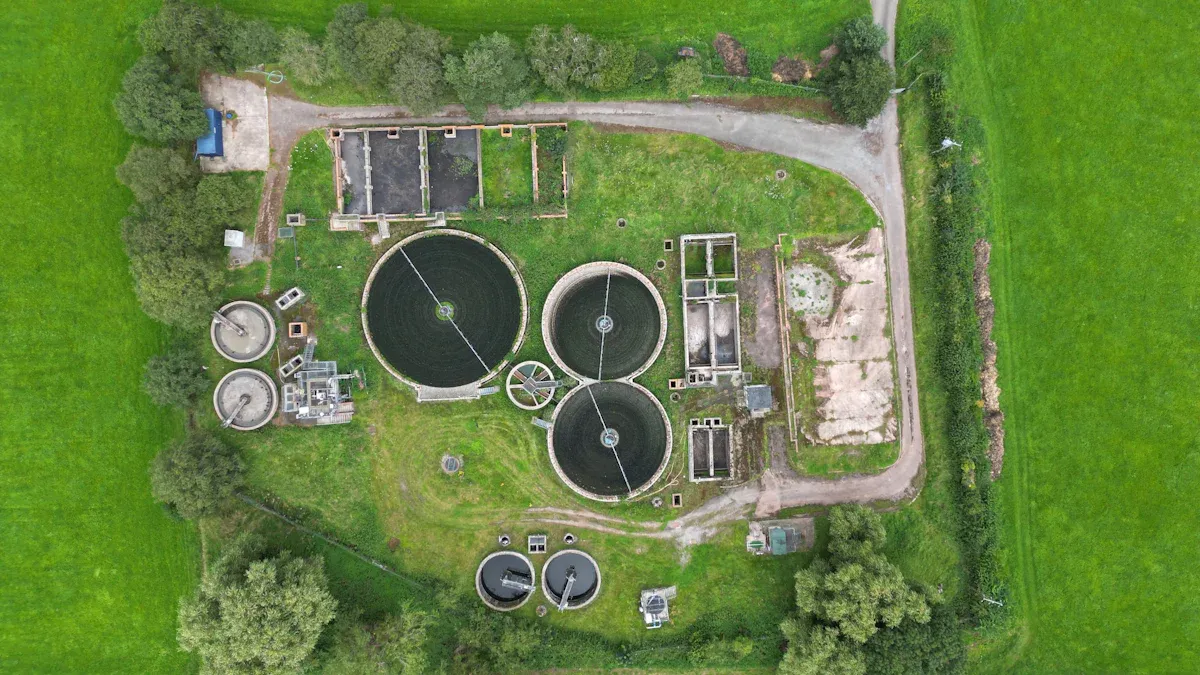
You can use a mini sewage treatment plant when your location does not connect to municipal sewage. This compact system treats domestic wastewater near your home or business. It helps keep water clean and reduces harm to the environment. Many people in residential, small business, and rural areas rely on it.
- The modular sewage treatment plants market was valued at USD 4.2 Billion in 2024.
- It is projected to reach USD 7.5 Billion by 2033, with a CAGR of 8.1% from 2026 to 2033.
| Country Type | Adoption Rate Factors | Challenges in Adoption |
|---|---|---|
| Developed Countries | Popularity due to flexibility, cost-effectiveness, and efficient wastewater treatment | N/A |
| Developing Countries | Limited adoption due to lack of awareness and understanding of technology | Regulatory challenges and limited awareness of technology |
Many people believe myths about mini sewage treatment plants:
- Some think these systems only dilute sewage, but they use advanced biological treatment.
- Some worry treated water smells bad, but modern plants produce clear, odor-free water.
- Some believe only large facilities need them, but compact options suit small-scale needs.
Key Takeaways
- Mini sewage treatment plants are essential for areas without municipal sewage systems. They help keep water clean and protect the environment.
- Regular maintenance is crucial for these systems. Check filters and pumps monthly to ensure they operate effectively.
- Smart technology will enhance mini sewage treatment plants by 2026. Features like real-time monitoring and predictive maintenance will improve performance and energy efficiency.
Key Features of Mini Sewage Treatment Plants
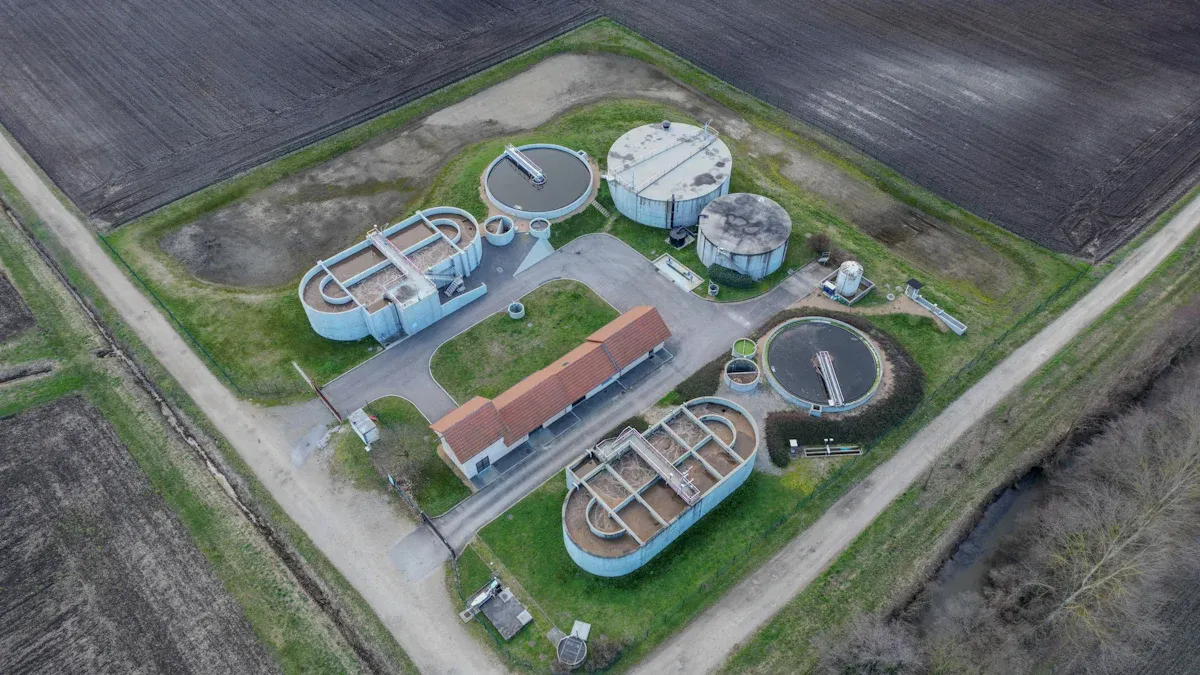
Main Components and Operation
You will find that a mini sewage treatment plant uses several important parts to clean wastewater. The process starts in the primary settlement chamber. Here, large solids and floating materials settle out of the water. This step helps remove things like food scraps and paper before the water moves on.
Next, the water enters the aeration zone. In this part, air mixes with the water. Tiny living organisms break down harmful substances. This step is very important because it reduces the amount of pollution in the water.
After aeration, the water flows into the secondary clarification tank. This tank separates the treated water from any leftover solids. The solids sink to the bottom, and the clean water rises to the top.
The last step happens in the disinfection unit. This part kills any germs or bacteria that remain. Now, the water is safe to release into the environment or use for other purposes.
You may see different technologies used in these plants. The table below shows some common types:
| Technology Type | Description |
|---|---|
| Small Batch Reactor Systems | Packaged solutions like GWT BioSTIK modules that remove nitrogen before discharge. |
| Constructed Wetlands | Uses natural plants to filter wastewater and improve local ecosystem health. |
| Membrane Bioreactors (MBRs) | Advanced filters that separate solids and liquids, making the water even cleaner. |
You should know that mini sewage treatment plants need regular care. These systems often require more attention than large city plants. You must check them often to keep everything working well.
Typical Applications and Suitability
You can use a mini sewage treatment plant in many places. People often install them in rural areas where city sewers do not reach. You will also find them in suburban neighborhoods. These systems work well where the soil or land makes it hard to use regular sewage systems.
- Rural homes and farms
- Suburban houses and small communities
- Locations with poor soil or high water tables
When you choose a mini sewage treatment plant, you need to think about several factors. The table below lists what you should consider:
| Factor | Description |
|---|---|
| System Type | Pick the right system for your home or business. |
| Capacity | Make sure the plant can handle all your wastewater. |
| Effluent Quality | Check if the treated water meets local rules. |
| Energy Efficiency | Look for a system that does not use too much power. |
| Long-term Maintenance Needs | Find out how much work the system needs over time. |
| Site Conditions | Think about the land and weather where you live. |
| Discharge Regulations | Learn about the laws for releasing water into the environment. |
Extreme weather, like floods or droughts, can make it hard for these plants to work well. Sometimes, small systems do not clean the water enough, which can harm rivers and groundwater.
You should remember that mini sewage treatment plants are best for places where big city systems are not possible. They help protect the environment, but you must take care of them and follow the rules.
Mini Sewage Treatment Plant Trends for 2026

Technological Advancements
You will see many new technologies in mini sewage treatment plant systems by 2026. Smart features and automation will help you control and monitor your plant more easily. These improvements make the system work better and use less energy. Some important advancements include:
- Smart sensors and automation for better performance
- New membrane filters that clean water more effectively
- Improved biofilm and aeration methods to save energy
Here is how smart technology helps you manage your plant:
| Feature | Description |
|---|---|
| Real-Time Monitoring | Sensors check water flow and quality, alerting you to problems right away. |
| Predictive Maintenance | Software predicts when parts might break, so you can fix them before they fail. |
| Energy Efficiency | The system adjusts itself to use less power when possible. |
| Remote Access | You can check and control your plant from your phone or computer, even if you are not nearby. |
Sustainability and Environmental Impact
You help protect the environment when you use a mini sewage treatment plant. These systems treat wastewater close to where you live or work. This reduces the risk of pollution in rivers and lakes. You also support a circular economy by reusing water and recovering nutrients for soil. Many plants now recover clean water, energy, and nutrients, which helps save resources and money.
- Biological processes break down waste and remove harmful substances.
- Treated water can be used again, which is important in dry areas.
- Resource recovery turns waste into useful products like fertilizer.
Regulatory Changes and Market Growth
You will notice more rules and support for mini sewage treatment plant adoption in the coming years. Governments in developed countries offer incentives to encourage innovation and protect the environment. In developing countries, a lack of incentives can slow progress. The market for these plants is growing fast, especially in places where connecting to city sewers is too expensive.
| Context | Effect of Government Incentives on WWTP Adoption |
|---|---|
| Developed Countries | More innovation and better environmental results |
| Developing Countries | Fewer incentives, slower adoption |
Benefits, Challenges, and Selection Tips
You gain many benefits from using a mini sewage treatment plant:
| Benefit | Description |
|---|---|
| Environmental Protection | Keeps local water clean by treating wastewater before release. |
| Cost-Effectiveness | Saves money, especially for small businesses and rural homes. |
| Water Reuse | Lets you use treated water again, which is helpful in dry places. |
| Job Creation | Creates jobs for people who install and maintain these systems. |
| Improved Sanitation Services | Makes sanitation better, which improves public health. |
You should also know about common challenges:
- Maintenance and cleaning costs can add up.
- Finding good contractors is important for proper installation.
- Equipment can rust or break if not cared for.
- Upgrades and spare parts may be needed over time.
When you choose a system, follow these steps:
- Check how much wastewater you produce.
- Learn about local rules for water discharge.
- Look at your land and water table.
- Set your budget for buying and maintaining the plant.
- Pick the right technology for your needs.
- Ask for test reports on water quality.
- Review maintenance plans with suppliers.
- Make sure you get a good warranty and support.
- Avoid systems without independent performance data.
Tip: Regular maintenance and smart monitoring can help you avoid big problems and keep your mini sewage treatment plant running smoothly.
Decentralized treatment uses small plants that serve local areas. This makes it different from big city systems.
| Key Takeaway | Description |
|---|---|
| Cost-Effectiveness | You save money by avoiding long sewer lines. |
| Environmental Impact | You help nature by reducing pollution and reusing resources. |
| Access to Sanitation | You improve health in rural and small towns. |
You will see big trends in 2026:
- Modular systems grow fast.
- Water reuse and resource recovery increase.
- Smart technology becomes common.
Stay updated. This helps you plan better for clean water and a healthy environment.
FAQ
What maintenance does a mini sewage treatment plant need?
You should check filters, pumps, and tanks monthly. Clean parts as needed. Schedule professional inspections yearly for best results.
Can you reuse water from a mini sewage treatment plant?
You can reuse treated water for irrigation or flushing toilets. Always test water quality first.
Tip: Follow local guidelines for safe reuse.
How do you choose the right system for your property?
| Step | Action |
|---|---|
| 1 | Measure wastewater |
| 2 | Review local rules |
| 3 | Compare technologies |
See Also
Best Precoating Options for Filtration Systems in 2025
Innovative Materials Transforming Heat Exchanger Supply Chains
Comprehensive 2025 Overview of Semi-welded Plate Heat Exchangers
Ways to Reduce Environmental Impact Using Plate Heat Exchangers
Top Industry Experts Convene for 3-A SSI Hygienic Design Summit