Your 2025 Guide to Buying a Metal Water Dispenser
An excellent metal water dispenser offers a durable, healthier option for your home. It keeps water at the right temperature without using plastics. You should know these units cost more upfront. They are also heavier than plastic models, making them harder to move around.
Key Takeaways
- Metal water dispensers last a long time. They are strong and do not break easily.
- Metal dispensers keep your water safe. They do not add bad chemicals like plastic ones can.
- Metal dispensers cost more at first. They are also heavy, but they save money over time.
Advantages of a Metal Water Dispenser
You gain several key benefits when you choose a metal water dispenser for your home or office. These advantages often make the higher initial investment worthwhile. You get a product built for durability, safety, and style.
Unmatched Durability and Longevity
You can expect a metal water dispenser to last for a very long time. Stainless steel models are especially tough. They resist damage and wear better than plastic alternatives. With good care, your dispenser can serve you well for about 5 to 15 years. This long lifespan means you will not need to replace it often, saving you money in the long run.
Proper maintenance helps you get the most out of your unit. You can prevent most common issues by taking a few simple steps.
- Clean the dispenser regularly to avoid odd tastes from mold.
- Check that valves are tight to prevent leaks.
- Keep the coils clean so the water temperature stays right.
These small actions ensure your dispenser works correctly for years.
Health and Safety: No Plastic Contaminants
You protect your health by choosing stainless steel. Plastic containers, especially large 5-gallon bottles, can release harmful chemicals into your water. One major concern is Bisphenol A, or BPA. Studies show that more BPA leaches from plastic when it is exposed to sunlight or stored for a long time.
Health organizations have set safety limits for BPA intake. For example, the European Food Safety Authority (EFSA) established a tolerable daily intake level for BPA. Using a metal dispenser helps you avoid these chemical contaminants altogether. You get pure, clean water without worrying about what might be leaching from the container.
Superior Water Temperature Retention
You will enjoy perfectly chilled or heated water thanks to excellent insulation. Metal, particularly the stainless steel used in these dispensers, holds temperature very well. This means the cooling and heating systems do not have to work as hard.
Many modern units are designed with energy savings in mind. You can find models that are ENERGY STAR certified, which means they meet strict federal efficiency standards. Some hot water tanks are incredibly efficient. They use less energy than a 40-watt light bulb. This efficiency helps you save on your electricity bill while enjoying water at your preferred temperature.
Sleek, Modern Kitchen Aesthetics
You can elevate the look of your kitchen with a metal water dispenser. Stainless steel offers a clean, professional, and modern appearance. It easily matches other kitchen appliances like refrigerators, ovens, and dishwashers. This creates a cohesive and high-end look in your space. Unlike plastic, which can look cheap or become discolored over time, a metal unit maintains its sleek finish for years. It acts as both a functional appliance and a stylish design element.
The Sustainable and Eco-Friendly Choice
You make a better choice for the planet when you select metal over plastic. The manufacturing of stainless steel does have an initial carbon footprint. However, its incredible durability and recyclability make it more sustainable over its entire life.
| Feature | Stainless Steel | Plastic |
|---|---|---|
| Lifespan | Designed for long-term use, often lasting decades. | Typically has a much shorter lifespan. |
| Recyclability | 100% recyclable without losing quality. | Recycling rates are low and quality degrades. |
| End-of-Life | High scrap value encourages recycling. | Often ends up in landfills or oceans. |
A metal dispenser reduces waste because you will not need to replace it for many years. When it does reach the end of its life, the material can be fully recycled to create new products. This circular lifecycle significantly lowers its long-term environmental impact compared to single-use or short-lived plastic goods.
Disadvantages of a Metal Water Dispenser
You should also consider the potential downsides before you buy a metal water dispenser. While these units offer many benefits, they have a few drawbacks. Knowing these challenges helps you make a fully informed decision.
The Higher Upfront Cost
You will notice that metal dispensers have a higher price tag than plastic models. The quality materials and durable construction contribute to this initial expense. You are paying for longevity and superior performance. Think of it as a long-term investment in your home and health. However, this higher upfront cost can be a significant factor if you have a tight budget. You must decide if the long-term benefits justify the immediate spending.
Heavy Weight and Limited Portability
You will find that stainless steel units are quite heavy. Their solid construction makes them sturdy but also difficult to move. You may struggle if you need to relocate the dispenser for cleaning or rearranging your kitchen. This lack of portability is a key difference from lightweight plastic alternatives. You should choose a permanent spot for your dispenser before setting it up.
Susceptibility to Dents and Scratches
You need to be careful, as the beautiful steel surface can get damaged. While strong, stainless steel is not immune to cosmetic flaws. Small scratches can appear over time with regular use. Deeper dents can happen from accidents in a busy household.
- Dropping a pot against the unit.
- A child hitting it with a toy scooter.
- Opening a nearby dishwasher door too quickly.
Tip: You can often fix minor scratches yourself! For light marks, try creating a paste with baking soda and water. Gently rub it on the scratch in the direction of the steel's grain, then rinse and dry. For deeper scratches, you might need a special polishing compound or fine-grit sandpaper. If you are unsure, it is best to call a professional for help to avoid causing more damage.
Operational Noise Concerns
You might hear some noise while the dispenser is running. The internal cooling compressor and heating element can produce a low humming or gurgling sound. This is normal for most refrigerated appliances. The noise is often minor, but it could be a distraction in a very quiet room or office.
If a silent environment is your top priority, you should look for models known for quiet operation. For example, some countertop units like the Avalon A12 are specifically engineered to run with minimal noise. Reading customer reviews about noise levels can help you find a unit that will not disturb your peace and quiet.
Metal vs. Plastic vs. Ceramic Dispensers
You need to choose the right material for your water dispenser. Metal, plastic, and ceramic each have unique pros and cons. Understanding these differences helps you pick the best option for your home.
Durability and Lifespan Comparison
You will find that metal dispensers are the most durable. They are built to last for many years. Ceramic dispensers are also long-lasting but can break if you drop or hit them. Plastic units have the shortest lifespan and can crack or wear out over time.
Health, Safety, and Taste
You should consider how each material affects your water. Plastic parts can release chemicals like BPA, especially when warm. A metal water dispenser avoids this risk. Ceramic is also a safe choice, but you must clean it well. Cracks in ceramic can become a place for bacteria to grow.
| Material | Bacterial Growth Risk | Cleaning |
|---|---|---|
| Ceramic | Low, but cracks can harbor bacteria. | Easy to clean. |
| Metal | Low, with a smooth, non-porous surface. | Very easy to clean. |
| Plastic | Higher, as scratches can trap germs. | Can be difficult to sanitize. |
Cost and Long-Term Value
You will see a big difference in price. Plastic dispensers are the cheapest option upfront. Ceramic models are usually in the middle range. Metal units cost the most initially, but their long lifespan often makes them the best value over many years.
Weight and Ease of Use
You will notice that plastic dispensers are very light and easy to move. Ceramic dispensers are heavier than plastic. Metal units are the heaviest and are best if you do not plan to move them often.
Aesthetics and Design Options
You can find a style that matches your home. Plastic dispensers are functional but often look basic. Metal offers a sleek, modern look that fits well with other kitchen appliances. Ceramic dispensers provide a unique, artistic touch.
Ceramics are an age-old form of storing water, but modern designs strike a comforting balance between old and new. The lidded top allows for easy refilling, and the classic hardware lets you fetch a cup of water with just the turn of a tap.
Key Factors When Buying Your Dispenser

You should think about a few key things before you buy a metal water dispenser. This will help you choose the best unit for your home or office. Considering your budget, material quality, and features ensures you make a smart purchase.
Assessing Your Budget and Needs
You first need to set a budget. Metal dispensers cost more upfront, so know what you can spend. Next, think about how much water your family uses. This helps you pick the right size and capacity. For drinking and cooking, you can estimate your daily needs.
- Drinking Water: How many glasses does each person drink daily?
- Cooking: Do you use water for coffee, tea, or meals?
- Guests: Do you often have visitors who will use the dispenser?
Answering these questions helps you understand if a standard 5-gallon model is enough for your household.
Checking Material Quality (Stainless Steel Grades)
You should check the type of stainless steel used in the dispenser. Most dispensers use either 304 or 316 grade stainless steel. Both are safe for food and water. However, 316 grade offers better protection against rust and corrosion because it contains molybdenum.
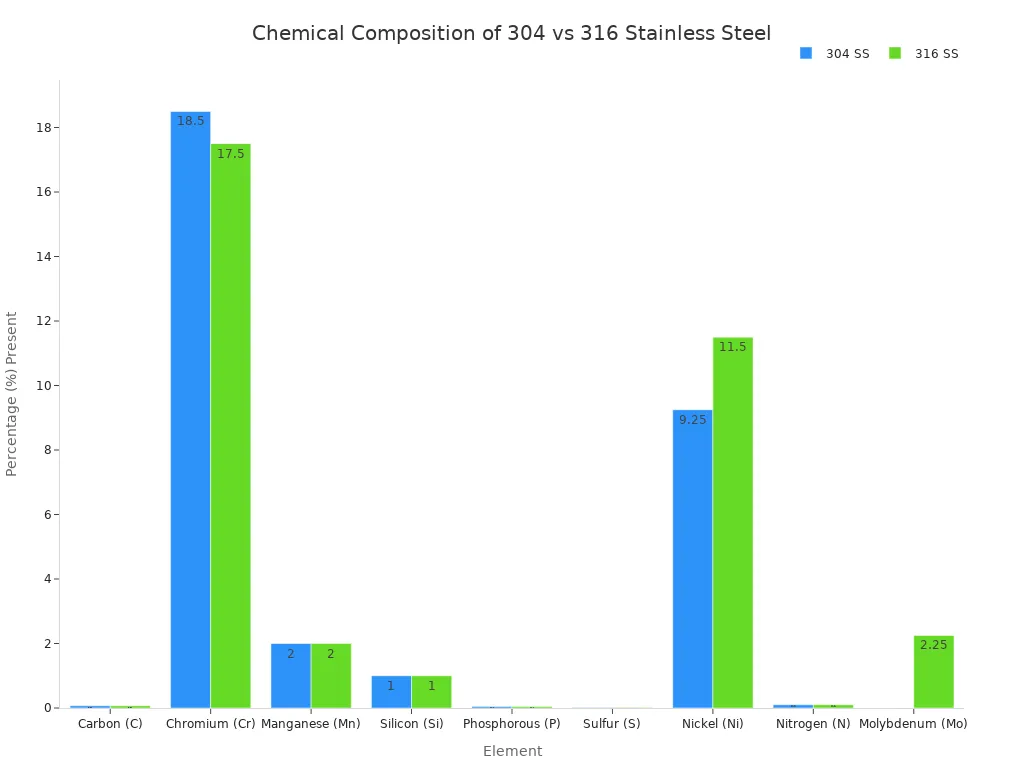
| Feature | 304 Stainless Steel | 316 Stainless Steel |
|---|---|---|
| Best For | Most homes and offices | Coastal areas or high-demand use |
| Cost | More affordable | More expensive (premium) |
For most households, 304 stainless steel is a great, cost-effective choice.
Considering Cooling and Heating Features
You need to decide what kind of cooling system you want. Most dispensers use either a compressor or a thermoelectric system.
Compressor systems work like a refrigerator. They cool water quickly and get it very cold, usually between 39-50°F. They are more energy-efficient but can be noisier. Thermoelectric systems are very quiet and use fewer moving parts. They do not get water as cold, typically around 50-59°F, and use more energy for cooling.
Reading Reviews for Noise and Performance
You should always read customer reviews before buying. Reviews give you real-world information about the dispenser's performance. Pay attention to comments about noise. Some models, like certain ones from Farberware or Avalon, are known for being very quiet. Reviews will tell you if a unit hums loudly or if it runs silently, helping you find the perfect fit for your space.
You should choose a metal dispenser if long-term value, health, and durability are your top priorities. A plastic model is a better fit for a tight budget or if you need a lightweight, portable unit. You must weigh these pros and cons to decide what is right for your home.
FAQ
How often should you clean a metal water dispenser?
You should clean your dispenser every 3 to 6 months. Regular cleaning prevents mineral buildup and keeps your water tasting fresh. Follow the manufacturer's instructions for the best results.
Can you use well water in a metal dispenser?
Yes, you can use well water. However, you should test your water first. Hard water with high mineral content can cause buildup inside the dispenser over time.
Do metal dispensers use a lot of electricity?
No, modern dispensers are quite efficient. You can find ENERGY STAR certified models that use very little power. The heating and cooling systems only run when needed.