Mechanical Self Cleaning Filter Vessels Leading the Way in 2026
Mechanical Self Cleaning Filter Vessel technology sets a new benchmark for industrial filtration in 2026. These advanced vessels deliver continuous, self-cleaning operation. Their energy and water efficiency outperforms traditional systems. Operators value their adaptability, which supports integration into diverse processes and extends equipment lifespan by protecting against particulate matter.
Key Technological Advancements in Mechanical Self Cleaning Filter Vessel
Automated Cleaning Mechanisms
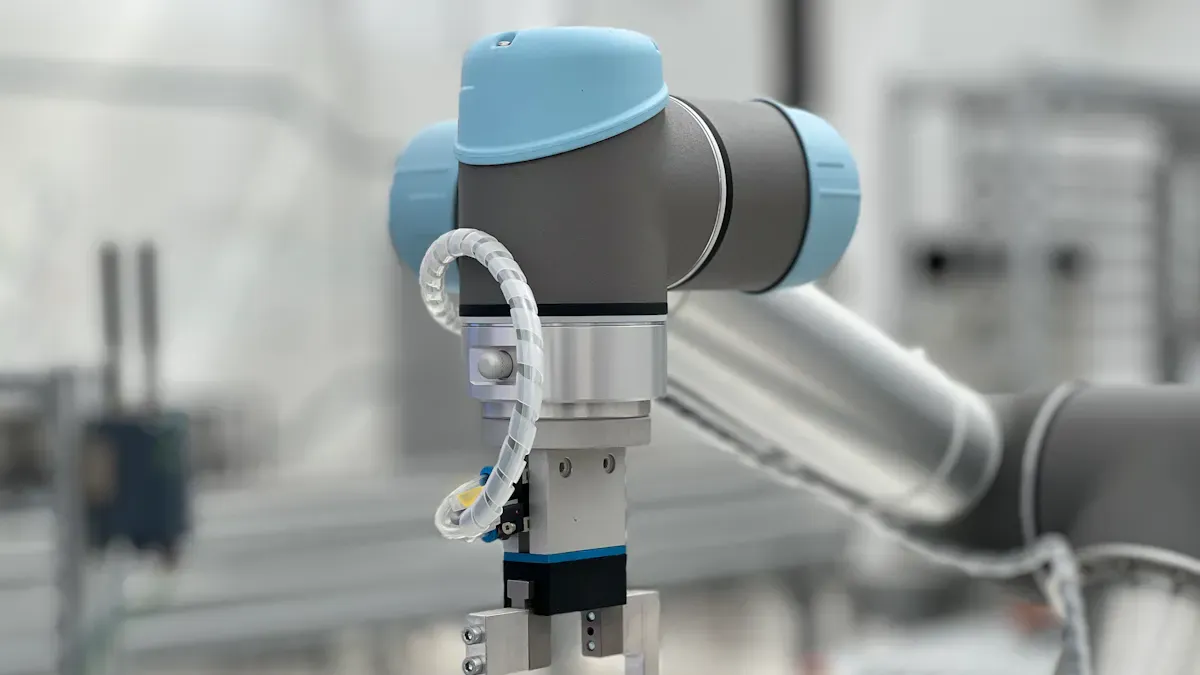
Mechanical Self Cleaning Filter Vessel technology in 2026 features advanced automated cleaning mechanisms that set new standards for industrial filtration. High-performance self-cleaning filters now use mechanical scrapers to continuously remove oversize materials from the filtration surface. Many systems employ a wiper system, such as SpiroKlene™, which cleans the filter's interior while allowing filtered liquid to pass through. Operators benefit from automatic discharge of collected debris, which can be set to manual or fully automated modes. The Russell Filter Management System™ enables a completely operator-free process, reducing the need for manual intervention.
Tip: Automated cleaning mechanisms help maintain consistent filtration performance, even in processes with high particle content or viscous, sticky liquids.
The impact of these advancements on operational downtime and maintenance costs is significant:
| Feature | Impact on Downtime and Costs |
|---|---|
| Automated Cleaning | Reduces need for manual intervention |
| Continuous Filtration | Enhances operational reliability |
| Lower Labor Costs | Decreases expenses related to filter servicing |
| Longer Operational Cycles | Increases uptime by minimizing shutdowns |
| Predictive Maintenance | Integrates monitoring systems to schedule maintenance |
Self-cleaning filters operate autonomously, which lowers labor costs and increases uptime by extending operational cycles between interventions.
Smart Sensor Integration
Smart sensor integration has become a defining feature of Mechanical Self Cleaning Filter Vessel systems. Modern vessels incorporate sensors that monitor pressure differentials, track flow rates, and detect debris accumulation. These sensors provide real-time data, allowing the system to adjust cleaning cycles based on actual operating conditions.
| Feature | Benefit |
|---|---|
| Real-time monitoring | Enables immediate adjustments to cleaning cycles based on actual conditions |
| Adaptive control systems | Optimizes efficiency by adjusting to flow, pressure, and turbidity |
| Predictive maintenance | Reduces downtime by anticipating maintenance needs based on sensor data |
Operators gain greater control and reliability, as the system can adapt to changing process demands and schedule maintenance proactively.
Energy Efficiency Improvements
Mechanical Self Cleaning Filter Vessel technology now delivers substantial energy savings compared to previous generations and alternative filtration systems. Traditional single-stage systems, such as reverse osmosis (RO) alone, require high energy input to overcome rapid fouling. Modern hybrid systems, which combine filter presses, ultrafiltration (UF), and RO, operate each stage under optimal conditions, resulting in lower overall energy consumption.
Self-cleaning systems run continuously, minimizing shutdowns and maintaining constant water flow. This continuous operation is especially valuable in industrial processes and cooling systems. Many vessels now include advanced control systems and optimized backwashing mechanisms, further reducing energy use during both filtration and cleaning.
Enhanced Filtration Materials
Recent years have seen the introduction of innovative filtration materials in Mechanical Self Cleaning Filter Vessel designs. Materials such as reduced graphene oxide (rGO) have demonstrated improved efficiency in capturing fine particulate matter. These materials, when paired with water or specialized cleaning agents, achieve higher recovery rates and increased filtration efficiency for particles as small as PM1.0.
| Filtration Material | Cleaning Agent | PM10 Efficiency Increase | PM2.5 Efficiency Increase | PM1.0 Efficiency Increase |
|---|---|---|---|---|
| rGO | Water | 2.0% - 12.15% | 0.42% - 7.13% | 0.04% - 5.67% |
| rGO | Lemon Acid | 0.03% - 2.35% | 0.02% - 3.47% | 0.16% - 2.02% |
| rGO | Cleaning Agent | > 70% recovery rate | > 70% recovery rate | > 70% recovery rate |
These advancements enable Mechanical Self Cleaning Filter Vessel systems to handle challenging applications, including those with high particle content and viscous or sticky liquids, while maintaining superior filtration performance.
Market Trends Driving Mechanical Self Cleaning Filter Vessel Adoption
Demand for Sustainable Solutions
Industries now prioritize sustainability in their operations. They seek filtration systems that minimize environmental impact and support eco-friendly practices. Mechanical Self Cleaning Filter Vessel technology aligns with these goals by offering efficient contaminant separation and reducing waste. Companies that adopt environmentally responsible products gain a competitive advantage. The trend toward sustainability drives new business models and encourages innovation in filtration.
- Eco-friendly filtration solutions help industries reduce their ecological footprints.
- Advanced systems support cleaner production methods and lower resource consumption.
- Businesses benefit from improved reputation and market positioning.
Companies that invest in sustainable filtration technology often see increased customer loyalty and regulatory approval.
Regulatory Compliance and Industry Standards
Regulatory bodies enforce strict standards for water and liquid filtration. Industries must comply with these requirements to operate legally and avoid penalties. Mechanical Self Cleaning Filter Vessel systems meet these standards by delivering consistent performance and reliable contaminant removal. The rise in mergers and acquisitions has made compliance even more essential for companies seeking growth.
- Stringent regulations promote cleaner production methods.
- Compliance ensures operational continuity and market access.
- Modern filtration systems simplify adherence to industry standards.
Expansion in Industrial Applications
Industrialization and urbanization continue to increase water consumption and wastewater generation. Mechanical Self Cleaning Filter Vessel technology adapts to diverse applications, including water treatment, food processing, and chemical manufacturing. Advancements in automation and material science enhance filter efficiency, making these vessels suitable for high particle content and viscous liquids.
- Growing adoption of automation boosts operational efficiency.
- Industries expand filtration use to meet rising demand.
- Smart technologies enable real-time monitoring and adaptive control.
The versatility of self-cleaning filter vessels supports expansion across multiple sectors.
Product Innovations in Mechanical Self Cleaning Filter Vessel for 2026
Modular Design Features
Manufacturers have introduced modular design features that transform how industries scale and maintain filtration systems. These features allow operators to expand capacity or reconfigure systems quickly. The following table highlights the main benefits:
| Feature | Benefit |
|---|---|
| Higher Throughput, Modular Scalability | Configurations can handle flow rates from 20 gpm to 5000 gpm or higher, enhancing scalability. |
| Reduced Lifecycle Operating Costs (OPEX) | Lower chemical usage and fewer shut-downs lead to reduced operational costs. |
| Reliability and Broad Solids-Handling | Capable of managing high TSS without frequent clean-outs, simplifying maintenance. |
This approach supports a wide range of industrial applications and ensures that facilities can adapt to changing process demands.
Real-Time Monitoring Capabilities
The integration of real-time monitoring capabilities in autonomous water treatment systems, applicable to Mechanical Self Cleaning Filter Vessels, includes smart sensors that monitor water quality parameters like pH, temperature, and contaminant levels. This leads to reduced operational complexity, minimized manual intervention, and enhanced adaptability to varying water quality conditions.
Operators benefit from immediate feedback and can optimize system performance with minimal effort.
Self-Diagnosing Systems
Self-diagnosing systems represent a major advancement in filtration technology. These systems enable continuous filtration without the need for manual cleaning. Uninterrupted operation proves crucial for minimizing unplanned downtime, as it avoids the typical system shutdowns associated with traditional filters that require manual maintenance. Facilities experience improved reliability and greater productivity.
Leading Manufacturers and Industry Players in Mechanical Self Cleaning Filter Vessel
Top Global Brands
Industry leaders drive innovation in the Mechanical Self Cleaning Filter Vessel market. They deliver reliable solutions for complex filtration needs. The following companies stand out for their global reach and advanced technology:
- Tekleen Automatic Filters Inc
- Eaton Corporation plc
- H2O Innovation Inc
- Parker Hannifin Corporation
- Alfa Laval AG
- 3M Company
- CECO Environmental Corp
- Baleen Filters Pty. Ltd.
- Cummins, Inc.
- Hydac Filters System GmbH
These brands invest in research and development. They offer products that meet strict industry standards and adapt to diverse applications.
| Feature | IOW Group's Centrifuge Filters | Competitors' Filters |
|---|---|---|
| Bowl Disc Technology | Yes | No |
| Higher Rotational Speed (RPM) | 15-30% faster | No |
| Remote Monitoring | Yes | No |
| Improved Design and Sealing | Yes | No |
Top brands distinguish themselves with extended oil change intervals, reduced engine wear, and lower total cost of ownership.
Emerging Innovators
New players enter the market with creative solutions. They focus on modular designs and smart sensor integration. These innovators improve filtration efficiency and reliability. Their products support industries facing high particle content and sticky liquids.
Emerging companies often collaborate with research institutions to accelerate product development and introduce disruptive technologies.
Strategic Partnerships
Manufacturers form strategic partnerships to expand their capabilities. They work with technology firms, engineering companies, and industry associations. These alliances help them access new markets and share expertise. Partnerships enable faster adoption of advanced filtration systems and support global sustainability goals.
Challenges and Opportunities for Mechanical Self Cleaning Filter Vessel
Addressing Maintenance and Reliability Concerns
Manufacturers have made significant progress in reducing maintenance needs and improving reliability. Modern self-cleaning strainers automate the filtration process, which allows facilities to operate with fewer interruptions. These systems use internal mechanisms, such as mechanical scrapers and backwash cycles, to maintain filtration efficiency. The cleaning cycle starts automatically when sensors detect a change in differential pressure. This approach eliminates downtime linked to manual cleaning and supports continuous operation. Operators benefit from stable flow and pressure, which protects downstream equipment from debris. Reduced maintenance costs allow staff to focus on other critical tasks. Automation also ensures precise cleaning cycles, which minimizes wear and unexpected failures.
Cost and ROI Considerations
Investing in advanced filtration technology often involves a higher initial cost. However, operational expenses decrease over time because of reduced downtime and lower contamination risks. In high-risk environments, companies can achieve a return on investment within three to five years. Some systems, like the LCFX, deliver ROI in less than a year due to energy and water savings. Decentralized designs, such as FFUs, also provide long-term energy savings, making them a more economical choice for many industries.
Opportunities for Customization
Mechanical Self Cleaning Filter Vessel solutions offer a range of customization options for different industries. The following table highlights key types:
| Customization Type | Description |
|---|---|
| Self-Cleaning and Automatic Filters | Designed for continuous operation with automated backwash cycles for maintenance-free performance |
| Specialized and Hybrid Systems | Custom configurations for specific contaminants and process conditions, such as oil-removal |
| Customizable Design | Tailored to meet specific industrial applications, ensuring compatibility with various needs |
These options ensure that each facility can select a solution that matches its unique process requirements.
Significant Developments Shaping the Mechanical Self Cleaning Filter Vessel Market
Integration with Industrial IoT
Industrial IoT integration is transforming the filtration landscape. Operators now monitor filter performance remotely and receive predictive maintenance alerts. Automated cleaning cycles maintain consistent water quality and reduce manual labor. Centralized control and reporting streamline facility management. The following table highlights key features and benefits:
| Feature | Benefit |
|---|---|
| Remote monitoring | Enables real-time oversight of filter performance |
| Predictive maintenance alerts | Reduces unexpected downtime and maintenance costs |
| Automated cleaning cycles | Ensures consistent water quality and reduces manual labor |
| Centralized control and reporting | Streamlines facility management and operational oversight |
IoT connectivity empowers operators to optimize efficiency and respond quickly to operational changes.
Advances in Remote Operation
Remote operation capabilities have advanced rapidly. Smart control and automation allow operators to manage cleaning cycles through programmable logic controllers (PLC). Pressure and time-triggered cleaning, combined with remote monitoring, enhance reliability. Integrated control modes support remote monitoring and operation. The table below summarizes these advances:
| Feature | Description |
|---|---|
| Smart Control & Automation | Operates via PLC with pressure/time-triggered cleaning and remote monitoring capabilities |
| Remote Control Capability | Integrated control mode supports remote monitoring and operation. |
Remote operation reduces the need for onsite intervention and improves system responsiveness.
Growth in Water Treatment and High-Viscosity Liquid Segments
Mechanical Self Cleaning Filter Vessel technology is gaining traction in water treatment and high-viscosity liquid applications. Operators select these vessels for their ability to handle high particle content and sticky liquids. Industries benefit from improved filtration efficiency and reduced maintenance. Water treatment facilities and manufacturers processing viscous materials rely on these systems to maintain productivity and meet regulatory standards.
The market continues to expand as industries seek reliable, automated filtration solutions for challenging environments.
Mechanical Self Cleaning Filter Vessel technology leads industrial filtration in 2026. Industry experts recognize ongoing innovations for raising efficiency and sustainability. Market growth transforms operational standards.
Companies that invest in these advanced systems position themselves for long-term adaptability and success.
FAQ
What industries benefit most from Mechanical Self Cleaning Filter Vessels?
Industries such as water treatment, food processing, chemical manufacturing, and oil and gas benefit most. These sectors require efficient filtration for high particle content and viscous liquids.
How often do Mechanical Self Cleaning Filter Vessels require maintenance?
Operators experience minimal maintenance needs. Automated cleaning mechanisms and smart sensors allow for extended operational cycles and reduce manual intervention.
Can these filter vessels handle sticky or high-viscosity liquids?
Yes. Mechanical Self Cleaning Filter Vessels efficiently filter sticky and high-viscosity liquids. Their robust design and automated cleaning systems prevent clogging and maintain consistent performance.
See Also
Best Precoating Options for Filtration Systems This Year
Innovative Materials Transforming Heat Exchanger Industry Today
Comprehensive Overview of Semi-welded Plate Heat Exchangers