How to Keep Your Meat X Ray Machine Running Smoothly
Regular cleaning, scheduled calibration, routine inspections, proper operation, and ongoing staff training keep a meat x-ray machine running efficiently. Consistent maintenance prevents unexpected breakdowns and reduces costly downtime.
- 68% of food processors invest in automation technologies like x-ray inspection systems to improve quality assurance and reduce recall risk.
Daily and Routine Maintenance for Meat X-Ray Machine
Cleaning and Sanitization Procedures
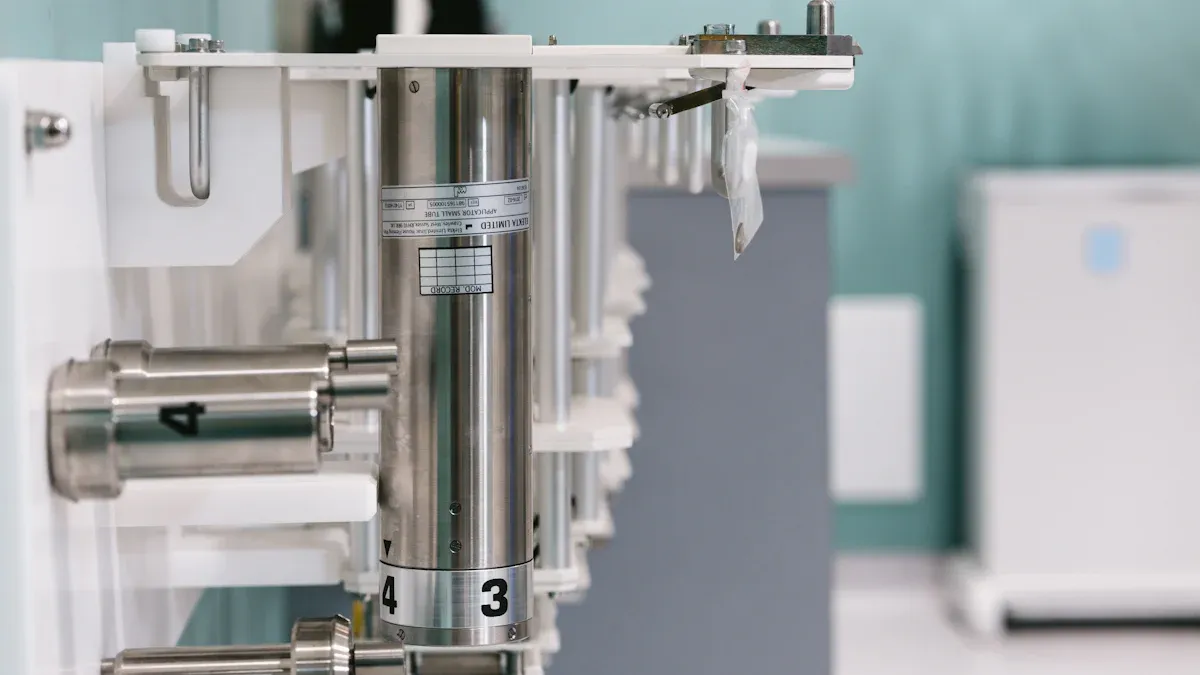
Operators must clean the meat x-ray machine daily to prevent contamination and maintain optimal performance. Cleaning involves removing meat residue, dust, and other debris from the conveyor, sensors, and inspection chamber. Technicians use approved sanitizers to wipe down surfaces and ensure all contact points meet hygiene standards.
Tip: Always follow manufacturer guidelines for cleaning agents and procedures to avoid damaging sensitive components.
Routine sanitization reduces the risk of foreign objects entering the food supply. The USDA reported that nearly half of food recalls in 2020 resulted from contamination, often due to inadequate cleaning and monitoring. Regular cleaning helps prevent the presence of metal fragments, rubber, plastic, and glass particles in processed meat.
Inspection Checklist for Critical Components
A thorough inspection ensures the meat x-ray machine operates reliably. Technicians check the following components:
- Conveyor belt for wear and alignment
- X-ray tube for signs of damage or overheating
- Detector array for cleanliness and calibration
- Shielding and safety interlocks for proper function
- Electrical connections for secure attachment
The table below summarizes common contaminants detected during routine inspections and their detection difficulty:
| Detectable Contaminants | Detection Difficulty |
|---|---|
| Non-ferrous metal | Easy |
| Ferrous metal | Easy |
| Stainless steel | Harder |
| Aluminum | Harder |
| Wires | Harder |
| Glass | Harder |
| Stone | Harder |
| Bone | Difficulty |
| Rubber, Plastic, Wood, etc | Difficulty |
Technicians pay close attention to hard-to-detect materials such as glass, bone, and plastics. These contaminants often trigger recalls and pose significant challenges for detection systems.
Lubrication of Moving Parts
Proper lubrication extends the lifespan of moving parts and prevents mechanical failures. Maintenance teams apply food-grade lubricants to conveyor bearings, rollers, and drive chains. Lubrication schedules depend on machine usage and manufacturer recommendations.
Note: Over-lubrication can attract dust and debris, so teams must use precise amounts.
Regular lubrication minimizes friction, reduces wear, and ensures smooth operation. Neglecting this step can lead to unexpected breakdowns and costly repairs.
Scheduled Calibration and Professional Servicing
Calibration maintains the accuracy of the meat x-ray machine. Technicians schedule calibration at regular intervals, using certified test pieces to verify detection sensitivity. Professional servicing includes software updates, hardware checks, and performance validation.
Service providers document calibration results and address any deviations from standard performance. Scheduled servicing ensures the machine meets regulatory requirements and continues to detect contaminants effectively.
Routine maintenance, including cleaning, inspection, lubrication, and calibration, forms the foundation for reliable operation and food safety.
Operating Best Practices for Meat X-Ray Machine
Correct Startup and Shutdown Procedures
Operators follow precise steps to protect equipment and maintain safety. The table below outlines essential procedures:
| Procedure Type | Description |
|---|---|
| Daily startup procedures | Guidelines for initiating the x-ray machine. |
| Daily shutdown procedures | Steps to safely power down the x-ray machine. |
| Product changeover and recipe selection | Instructions for switching between different products. |
| Sensitivity verification | Process for checking the machine's sensitivity using test pieces. |
| Reject handling and documentation | Protocols for managing rejected products and keeping records. |
| Cleaning and sanitation protocols | Guidelines for maintaining hygiene of the equipment. |
| Troubleshooting common issues | Steps to identify and resolve frequent problems. |
Operators verify sensitivity before each shift and document rejected items. They ensure cleaning protocols are followed after shutdown.
Managing Product Flow and Throughput
Efficient product flow maximizes inspection accuracy and productivity. Teams implement strategies such as automation and quality control to streamline operations. Modern meat x-ray machines integrate with plant management systems using protocols like OPC UA or Ethernet/IP. These devices support centralized monitoring and data exchange through APIs.
- X-ray inspection simplifies bone detection and rejection.
- Automation reduces labor requirements and operational costs.
- Quality control maintains consistent analysis and safeguards throughput.
- Efficient contaminant removal prevents interruptions in product flow.
Higher throughput enables real-time inspection of every product, reducing the chance of missing contaminants. Advanced photon-counting technology further improves detection accuracy.
Monitoring System Alerts and Performance
Operators monitor system alerts to identify risks such as glass contaminants and calcified bone fragments. They track performance metrics to ensure efficiency:
- Take stock of the operating environment.
- Train operators for quick adjustments.
- Implement preventive maintenance programs.
Continuous monitoring and proactive maintenance keep the meat x-ray machine running smoothly and ensure food safety.
Troubleshooting Common Issues with Meat X-Ray Machine
Responding to Error Messages and Alarms
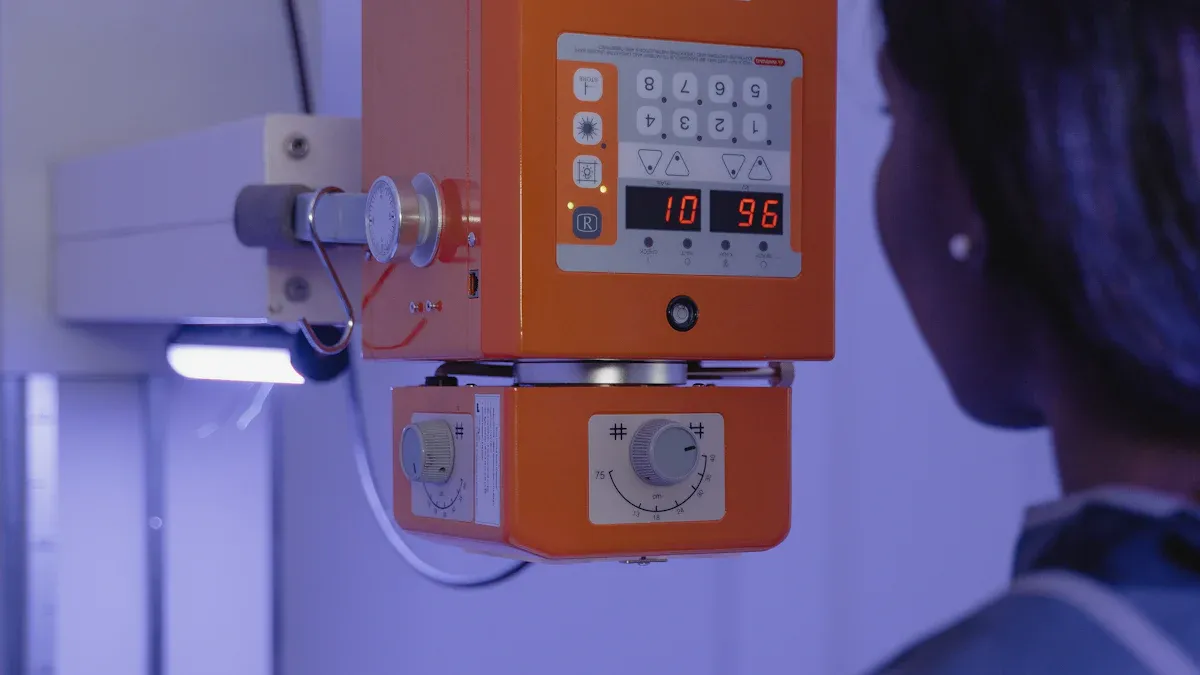
Operators encounter error messages and alarms during daily operation. They must act quickly to prevent production delays. Most systems display clear instructions on the control panel. Operators review the message, identify the affected area, and follow the recommended steps. If the alarm persists, they notify the maintenance team for further investigation.
Tip: Always document the error code and corrective action in the maintenance log. This record helps technicians track recurring issues and improve future troubleshooting.
Addressing Image Quality Problems
Image quality directly affects contaminant detection. Operators notice problems such as blurry images, low contrast, or inconsistent results. They check the cleanliness of the imaging window and sensors. Dust, condensation, or residue often cause these issues. Technicians inspect the calibration settings and verify that the software runs the latest version. If problems continue, they schedule a professional inspection to assess hardware integrity.
Resolving Mechanical and Electrical Malfunctions
Mechanical and electrical malfunctions disrupt inspection and pose safety risks. Technicians identify several primary causes:
- Water ingress leads to electrical shorts and system failures when moisture enters the housing.
- Condensation obscures imaging sensors, reducing clarity and increasing false negatives.
- Corrosion degrades structural components over time, raising maintenance costs.
Teams perform regular checks for moisture and corrosion. They replace damaged parts promptly to maintain the reliability of the meat x-ray machine. Preventive measures, such as sealing vulnerable areas and controlling humidity, reduce the risk of future malfunctions.
Staff Training and Accountability for Meat X-Ray Machine
Essential Operator Training
Operators play a vital role in the safe and efficient use of the meat x-ray machine. Companies prioritize hands-on training sessions to ensure operators understand both the technical and safety aspects of machine operation. Frequent, practical training helps staff respond quickly to system alerts and maintain high inspection standards.
Regular refresher training strengthens operational effectiveness and safety.
Operators benefit from ongoing instruction rather than infrequent lectures. This approach keeps skills sharp and reduces the risk of errors.
- Hands-on training builds confidence and competence.
- Frequent sessions reinforce safety protocols.
- Practical exercises prepare staff for real-world scenarios.
Maintenance Team Roles and Responsibilities
Maintenance teams support the reliability and efficiency of the meat x-ray machine. Their responsibilities include:
- Performing regular preventive maintenance to minimize downtime.
- Following routine maintenance schedules for optimal performance.
- Calibrating the machine based on the specific products inspected.
- Responding promptly to mechanical or electrical issues.
Maintenance teams work closely with operators to address problems and keep production running smoothly. They ensure the machine meets operational standards and regulatory requirements.
Record Keeping and Maintenance Logs
Effective record keeping improves the reliability of meat x-ray machines. Teams maintain detailed logs of maintenance activities, calibration results, and repairs. These records help manufacturers demonstrate compliance with FDA food inspection guidelines. Accurate documentation supports regulatory assessments and enhances food safety.
Maintenance logs provide a clear history of machine performance and interventions.
Consistent record keeping allows teams to identify recurring issues and plan preventive actions.
Compliance and Safety Standards for Meat X-Ray Machine
Meeting Regulatory Requirements
Manufacturers and processors must follow strict regulations to ensure food safety and machine reliability. The table below highlights major standards in the US, EU, and global markets:
| Regulation/Standard | Market |
|---|---|
| FDA Food Safety Modernization Act (FSMA) | US |
| HACCP (Hazard Analysis and Critical Control Points) | US |
| ISO 22000 | US |
| Product standards | EU |
| GDPR | EU |
| Green directives | EU |
| BRCGS | Global |
| IFS | Global |
| SQF 2000 Code | Global |
Processors also implement formal x-ray inspection programs and comply with retailers’ codes of practice. Adherence to GFSI-recognized standards supports global market access.
Radiation Safety Protocols and Protective Equipment
Operators must follow safety protocols to minimize radiation risks. Key measures include:
- Tunnel curtains retain emissions.
- Safety interlocks prevent accidental exposure.
- Lockable power isolators secure the system during maintenance.
- Emergency stops remain accessible at all times.
- Warning light towers provide 360° visibility.
Machines use interior shielding and radiation-blocking curtains to meet leakage standards. Staff maximize distance from active sources and minimize exposure time. The FDA and OSHA do not require special protective equipment because the machines limit exposure to safe levels.
Documentation and Audit Preparation
Regulatory bodies require detailed inspection records for audits. X-ray systems generate digital logs for each scan, providing traceability and proof of compliance. Many processors improve audit readiness by integrating inspection logs with reporting systems. Teams maintain records of calibration, maintenance, and corrective actions to support regulatory reviews.
Regular maintenance and thorough staff training keep the meat x-ray machine reliable and safe.
- Proactive maintenance and hygienic design support high standards.
- Staff certification and user-friendly controls improve safety. Adhering to compliance standards reduces contamination risk and protects both consumers and business reputation.
FAQ
How often should technicians calibrate a meat x-ray machine?
Technicians calibrate the machine every three to six months. Calibration frequency depends on usage, manufacturer recommendations, and regulatory requirements.
What is the best way to train new operators?
Companies provide hands-on training sessions. Operators learn machine controls, safety protocols, and troubleshooting steps. Regular refresher courses reinforce skills and knowledge.
Can a meat x-ray machine detect all types of contaminants?
The machine detects most metals, glass, and stones. Detection of bone, rubber, and plastic presents challenges. Operators must follow inspection protocols for best results.
See Also
Top Locations for Purchasing X-Ray Inspection Machines in China
Ways Plate Air Preheaters Enhance Efficiency in Industries
Simple Maintenance Practices to Avoid Dumbwaiter Elevator Failures
Is It Worth Investing in Automated Virus Sampling Lines?
Steel Processing for Heat Exchange Applications Guarantees Success