Meat Contaminate Scanner Choices for Local Families
Families face challenges when selecting tools to ensure safe meat consumption at home. A Meat contaminate scanner provides a practical solution for detecting harmful substances.
- Users value devices that combine reliability, ease of use, and affordability.
- Home-friendly models simplify routine safety checks in kitchens.
Why Use a Meat Contaminate Scanner at Home?
Health Risks from Contaminated Meat
Public health organizations have identified several dangers linked to consuming contaminated meat. Families face exposure to harmful pathogens and chemicals that can cause serious illness. The most common risks include:
- Microbial contamination from bacteria and fungi, which leads to millions of diseases and thousands of deaths each year.
- Pathogens such as total coliforms, fecal coliforms, and Campylobacter species, especially prevalent in areas with poor sanitation.
- Chemical contamination from environmental sources, food processing, and unapproved additives, resulting in millions of poisoning cases and hospitalizations annually.
Household meat products often contain specific threats.
- L. monocytogenes poses a significant risk in ready-to-eat meats and poultry.
- Campylobacter frequently appears in retail foods and shows multidrug resistance.
- S. enterica demonstrates resistance to important antimicrobial agents, increasing public health concerns.
The emergence of multidrug-resistant strains among these pathogens has heightened the need for effective detection methods. Overuse of antimicrobials in animal husbandry contributes to the spread of resistant bacteria through the food supply.
Tip: Regularly checking meat with a meat contaminate scanner helps reduce the risk of foodborne illness in the home.
How Scanners Help Protect Your Family
A meat contaminate scanner provides families with a practical tool for identifying harmful substances before consumption. Scientific studies confirm the effectiveness of these devices, especially those using X-ray technology. The following table highlights key research supporting scanner reliability:
| Study Title | Authors | Year | Findings |
|---|---|---|---|
| Detection and prevention of foreign material in food | F. Li et al. | 2015 | X-ray technology effectively identifies contaminants in food, including meat products. |
| X-ray detection of defects and contaminants in the food industry | Haff R.P., Toyofuku N. | 2008 | X-ray systems detect foreign materials in food. |
| Real-time detection of foreign objects using X-ray imaging for dry food manufacturing line | Kwon J.S. et al. | 2008 | Real-time X-ray imaging improves detection in food processing. |
| Automated fish bone detection using X-ray imaging | Mery D. et al. | 2011 | X-ray imaging finds specific contaminants like fish bones in food. |
Families who use a meat contaminate scanner gain peace of mind by reducing exposure to dangerous pathogens and chemicals. These devices offer a reliable way to safeguard health and ensure safer meals at home.
Types of Meat Contaminate Scanner Devices
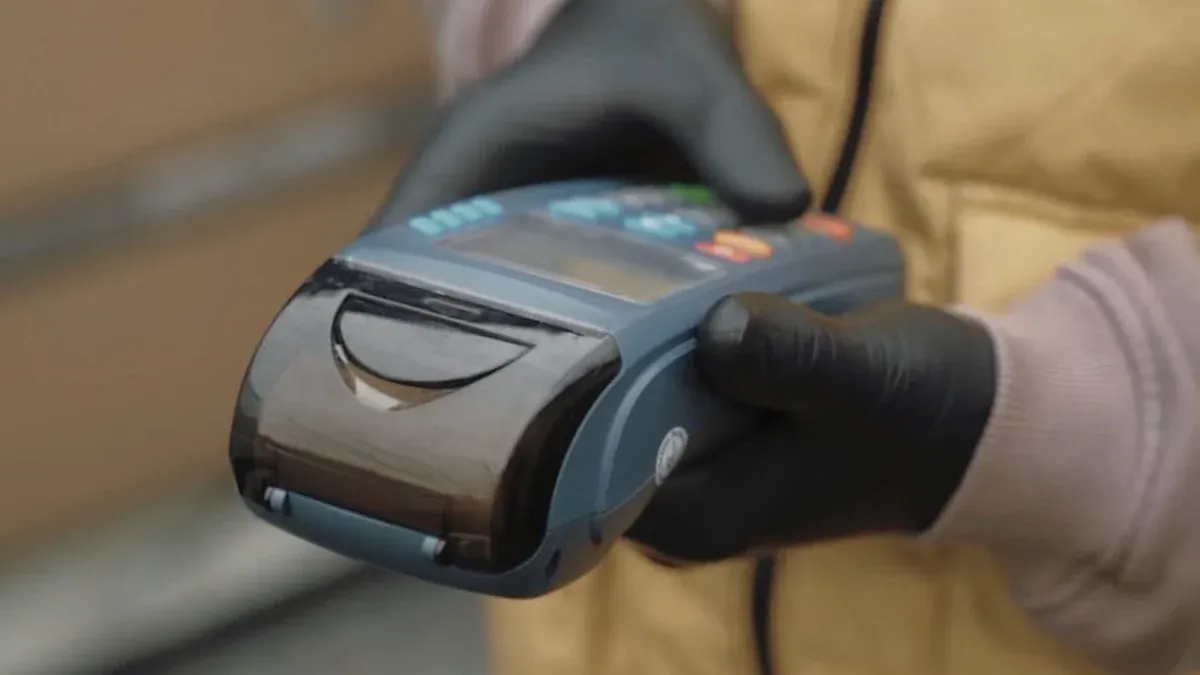
Handheld Meat Contaminate Scanner Tools
Handheld tools offer families a portable solution for inspecting meat at home. These devices use multispectral fluorescence imaging to visualize contamination, including organic residues such as saliva and respiratory droplets. Some models feature UVC illumination, which disinfects surfaces during inspection. Users benefit from immediate feedback, allowing them to remove contaminated portions and meet food safety standards. The following table outlines the main advantages and limitations of handheld scanner tools:
| Advantages | Limitations |
|---|---|
| Advanced imaging and deep learning for accurate detection | Ambient light can affect results |
| Mobility for inspecting food and equipment surfaces | Sophisticated algorithms needed to reduce false readings |
| Enables quick removal of contaminated meat | Small contamination spots may be missed |
| Useful for training staff and inspectors | Automated image interpretation required for live inspections |
Note: Handheld scanners provide flexibility, but users should follow manufacturer guidelines for best results.
Smart Kitchen Appliances with Scanning Features
Smart kitchen appliances integrate meat contaminate scanner technology into everyday cooking. These devices include embedded sensors, such as temperature probes and cameras, that monitor food safety in real time. Microprocessors with AI models analyze data and alert users to potential hazards. The table below compares smart appliances with traditional devices:
| Feature | Smart Kitchen Appliances | Traditional Devices |
|---|---|---|
| Embedded Sensors | Temperature probes, humidity sensors, cameras | None |
| Connectivity Modules | Wi-Fi, Bluetooth, Zigbee | None |
| On-device Intelligence | Microprocessors with AI models | Basic mechanical functions |
| Enhanced Safety Features | Alerts for temperature and cooking status | Manual monitoring required |
Smart probes communicate with apps, enabling remote monitoring and automatic alerts for doneness and safety.
Smartphone-Connected Meat Contaminate Scanner Devices
Smartphone-connected devices combine portability with advanced analytics. These scanners use the phone’s camera and sensors to detect microbial contamination, such as E. coli, without extra reagents. Connectivity features, including geolocation and internet access, allow real-time data transfer and event tracking. Families benefit from easy operation and the ability to create connected databases for food safety monitoring.
- Portable and user-friendly
- Real-time data transfer and location tracking
- Complex analysis without expensive equipment
- Monitored warning systems for food safety
A meat contaminate scanner in this category helps families maintain high safety standards with minimal effort.
Comparing Popular Meat Contaminate Scanner Products
Features and Accuracy
Leading meat contaminate scanner products offer a range of features designed to detect various contaminants in different types of meat. These devices use advanced analytical methods, such as artificial neural networks and support vector machines, to analyze attributes like freshness, texture, and adulteration. The following table summarizes the performance of top scanners across several meat categories:
| Category | Measured Attribute | Analytical Method | Performance | References |
|---|---|---|---|---|
| Chicken meat | Texture | ACO-BPANN, PCA-BPANN | Correlation coefficient: 0.754 | Khulal et al., 2016 |
| Prawn | TVB-N (freshness) | PLSR, LS-SVM, BP-NN | Correlation coefficient: 0.9547 | Dai et al., 2016 |
| Beef | TVC of bacteria | PLS, LS-SVM | Accuracy: 97.14% | Yang et al., 2017a |
| Pork meat | Protein, TVB-N content | PLSR, LS-SVM | Correlation coefficient: 0.861 | Yang et al., 2017b |
| Fish | Freshness | PCA, BP-ANN | Accuracy: 94.17% | Huang et al., 2017 |
| Lamb, beef, and pork | Adulteration | SVM, CNN | Accuracy: 94.4% | Al-Sarayreh et al., 2018 |
Laboratory and field tests confirm the high accuracy of modern scanners. The table below highlights key performance metrics for top models:
| Metric | Value |
|---|---|
| Accuracy | 97.32% |
| Precision | 97.66% |
| Recall | 97.06% |
| Specificity | 97.59% |
| F-score | 97.35% |
| AUC | 99.54% |
| IoU | 89.34% |
| Segmentation Precision | 92.95% |
| Segmentation Recall | 95.84% |
| Segmentation Specificity | 99.79% |
| Segmentation F-score | 94.37% |
| Segmentation AUC | 99.89% |
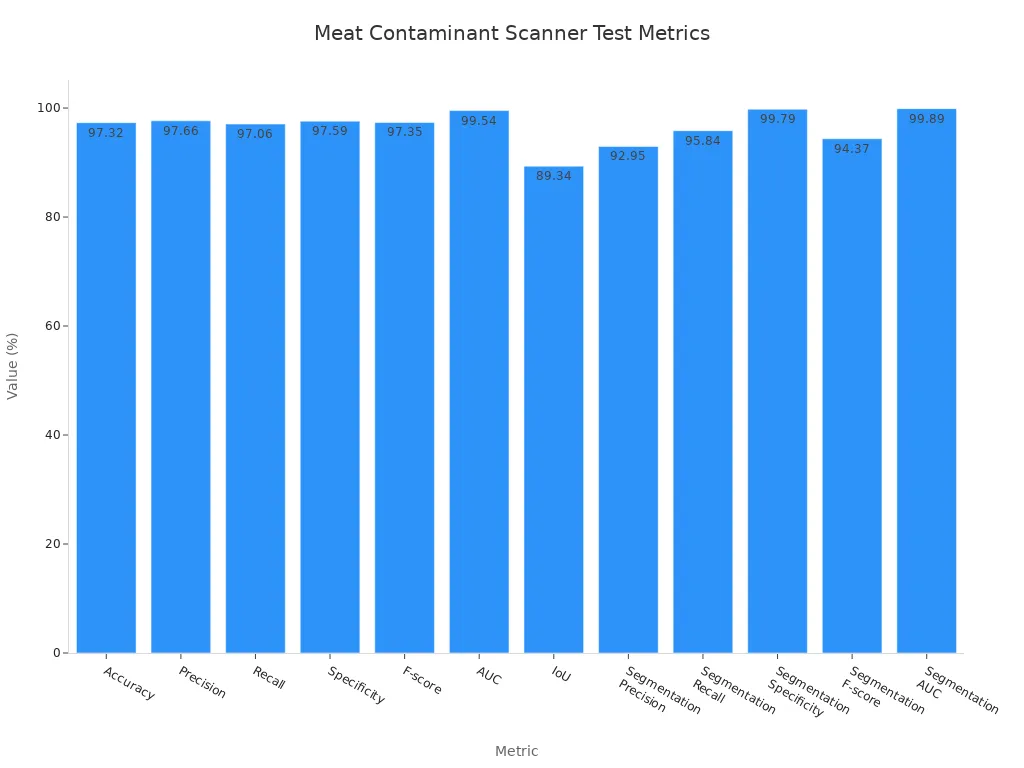
These results demonstrate that a meat contaminate scanner can deliver reliable detection for a wide range of contaminants, supporting families in making safer food choices.
Ease of Use at Home
Manufacturers design most meat contaminate scanner products for straightforward operation in home kitchens. Many models feature intuitive interfaces, clear indicator lights, and step-by-step instructions. Some scanners connect to smartphones, allowing users to view results and receive alerts through dedicated apps. Families can scan meat products quickly before cooking, reducing the risk of accidental exposure to harmful substances.
Tip: Choose a scanner with a simple display and automatic calibration to make routine checks easier for all family members.
Price Range for Families
The cost of a meat contaminate scanner varies depending on its features and technology. Traditional laboratory equipment, such as high-performance liquid chromatography (HPLC) and gas chromatography (GC), requires significant investment and specialized training. In contrast, modern point-of-care devices like the Ecovare™ Food Safety Scanner offer a cost-effective alternative. These portable scanners are designed for affordability and ease of use, making them accessible for routine home inspections. Families benefit from lower upfront costs and minimal ongoing expenses compared to conventional methods.
Maintenance and Durability
Routine maintenance for most meat contaminate scanner devices remains minimal. Users typically need to clean the sensor area after each use and store the device in a dry, safe location. Many scanners feature durable construction, with water-resistant or shockproof casings to withstand daily kitchen use. Manufacturers often provide customer support and warranty options, ensuring long-term reliability. Families should review the user manual for specific care instructions to maximize the lifespan of their scanner.
Note: Regular cleaning and proper storage help maintain accuracy and extend the life of your device.
Choosing the Best Meat Contaminate Scanner for Your Family
Key Factors to Consider
Families approach the selection of a meat contaminate scanner with distinct priorities. Health and safety remain at the forefront, especially for households with children or pregnant women. The scanning process empowers families to make informed decisions about the meat they serve. Transparency in food safety builds trust and confidence in daily meal preparation.
When evaluating scanner options, families should consider:
- Detection capabilities for both microbial and chemical contaminants
- User-friendly interfaces that simplify operation for all ages
- Compatibility with kitchen routines and available space
- Maintenance requirements and durability for frequent use
- Availability of customer support and warranty services
A table below summarizes these considerations:
| Factor | Why It Matters |
|---|---|
| Detection Range | Ensures comprehensive safety |
| Ease of Use | Supports quick daily checks |
| Size and Portability | Fits home kitchen settings |
| Maintenance | Extends device lifespan |
| Support/Warranty | Provides peace of mind |
Tip: Families should select a scanner that aligns with their unique needs and kitchen habits.
User Reviews and Safety Certifications
User reviews highlight the reliability of leading scanners. X-ray inspection systems play a vital role in consumer safety by identifying metallic and non-metallic contaminants before they reach the table. These systems reduce the risk of foodborne illnesses and injuries. Hyperspectral imaging technology receives praise for its ability to detect fat, protein, moisture levels, and foreign materials, ensuring consistent meat quality. Processors rely on hyperspectral imaging to monitor freshness and spot foreign objects, which enhances overall safety and quality.
Safety certifications from recognized organizations further validate a scanner’s effectiveness. Families should look for devices that meet industry standards and display certification marks. These assurances confirm that the scanner has undergone rigorous testing and meets established safety requirements.
Step-by-Step Guide: Using a Meat Contaminate Scanner at Home
Setup and Operation
Users begin by reading the manufacturer’s manual. They place the meat contaminate scanner on a clean, flat surface. Most devices require charging before first use. After powering on, the scanner prompts for calibration. The user selects the meat type from the menu. The scanner guides the user to position the sensor over the meat sample. Indicator lights or on-screen instructions confirm correct placement. The device starts scanning with a single button press.
Tip: Always calibrate the scanner before each session to ensure accurate readings.
Interpreting Scanner Results
The scanner displays results within seconds. Most models use color-coded indicators or digital readouts. Green signals indicate safe meat. Yellow or red alerts warn of possible contamination. Some devices provide detailed data, such as detected bacteria or chemical levels. Users consult the manual to interpret specific codes or warnings. If contamination appears, users should discard the affected meat and sanitize the area.
| Indicator | Meaning | Recommended Action |
|---|---|---|
| Green | Safe to eat | Proceed with cooking |
| Yellow | Caution | Inspect further |
| Red | Contaminated | Discard meat |
Cleaning and Storing Your Scanner
After each use, users clean the sensor with a soft cloth and approved disinfectant. They avoid harsh chemicals that may damage sensitive components. The scanner should dry completely before storage. Users store the device in its protective case, away from moisture and heat. Regular maintenance checks help preserve accuracy and extend device life.
Note: Proper cleaning and storage prevent cross-contamination and maintain scanner performance.
Families benefit from choosing reliable meat contaminate scanners for home use. Top options offer accuracy, user-friendly features, and affordability. Selecting a device that matches household needs supports safer meals.
- Prioritize certified models
- Review user feedback
Safe meat consumption remains essential for family health.
FAQ
How often should families use a meat contaminate scanner?
Experts recommend scanning meat before every meal. Regular checks help reduce health risks and ensure safe consumption.
Are meat contaminate scanners safe for children to use?
Manufacturers design most scanners with safety features. Adult supervision remains necessary for children during operation.
What types of contaminants can these scanners detect?
Scanners identify bacteria, chemicals, and foreign objects. Some advanced models also detect freshness and protein levels.
See Also
Essential Industrial Checkweighers For Every Food Processing Facility
Must-Have Capsule Checkweighers For Buyers In 2025
Is It Worth Investing In Automated Virus Sampling Lines?
Selecting The Ideal A1 A2 Milk Test Kit For Dairy
Understanding Tablet Sampling Machines: A Comprehensive Lab Guide