How MBBR Treatment Systems Stack Up Against Other Wastewater Technologies in 2026
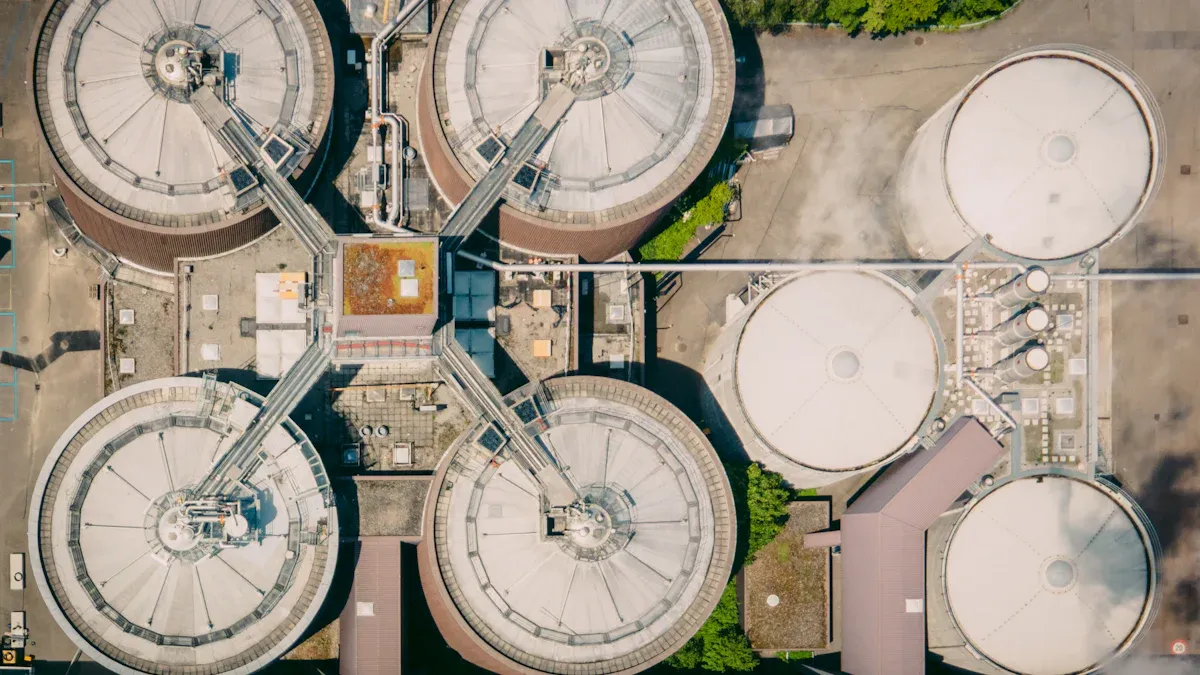
You find mbbr treatment systems in 2026 offer you cost savings, strong efficiency, and simple operation. Their popularity grows quickly, especially as new sensors and data tools make them easier to manage. Governments and companies choose mbbr treatment systems more often because rules and sustainability goals push for better solutions.
Key Takeaways
- MBBR treatment systems offer cost savings and high efficiency, making them a popular choice for wastewater management.
- These systems are compact and flexible, allowing for easy installation in limited spaces and adaptability to changing wastewater flows.
- MBBR technology produces less sludge compared to other methods, reducing disposal costs and environmental impact.
Overview of Major Wastewater Treatment Technologies
MBBR (Moving Bed Biofilm Reactor)
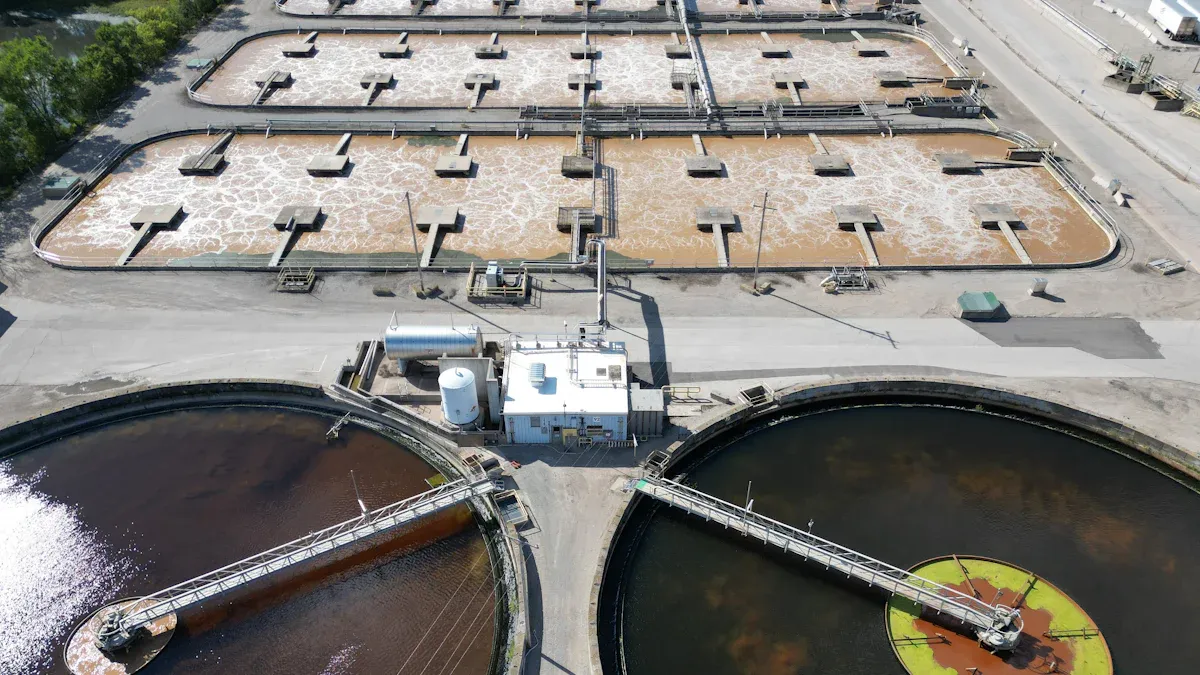
You see mbbr treatment systems use small plastic carriers that float in the water. These carriers give bacteria a place to grow and break down waste. You get high treatment efficiency because the carriers have a large surface area. The system stays compact, so you need less space. You can easily scale or retrofit mbbr treatment systems for different needs. You also notice less sludge production and simple maintenance because the carriers clean themselves.
Tip: MBBR works well if you want flexibility and resilience to changes in wastewater flow.
MBR (Membrane Bioreactor)
MBR combines biological treatment with membrane filtration. You get very clean water because the membrane blocks tiny particles and germs. The system fits in small spaces and runs quietly. You need to watch for membrane fouling, which means cleaning or replacing membranes often. MBR costs more to install and operate, but you get high-quality effluent.
| Advantages | Limitations |
|---|---|
| Small footprint | High costs |
| High-quality effluent | Membrane fouling |
| Low sludge production | More complex operation |
SBR (Sequencing Batch Reactor)
SBR treats wastewater in batches. You fill the tank, mix and aerate, let solids settle, then remove clean water. You can use SBR for municipal and industrial wastewater. SBR removes dyes, nutrients, and organic matter. You control each stage, so you adjust the process for different types of waste.
CAS (Conventional Activated Sludge)
CAS uses aeration and bacteria to clean water. You find this method in many cities. It needs large tanks and lots of energy. CAS works well for steady flows but struggles with sudden changes. You get moderate treatment results and more sludge to handle.
Lagoons and Pond Systems
You see lagoons and ponds in rural areas. These systems use sunlight, plants, and bacteria to treat water. You need a lot of land and time for treatment. The design is simple and costs less, but you get lower efficiency and depend on weather.
| Benefits | Drawbacks |
|---|---|
| Simple operation | Needs large space |
| Low cost | Lower treatment efficiency |
| Low maintenance | Slow process |
Advanced Oxidation Processes (AOPs)
AOPs use chemicals, ozone, or UV light to break down tough pollutants. You use AOPs to remove pesticides, pharmaceuticals, and toxic compounds. These processes kill germs like E. coli and clean water that other systems cannot handle. You choose AOPs for special cases when you need to destroy dangerous substances.
Treatment Performance and Effluent Quality
Removal Efficiency
You want a system that removes as much pollution as possible from wastewater. Different technologies give you different results. MBR systems stand out for their high removal rates. They use membranes to filter out tiny particles, bacteria, and even some chemicals. MBBR treatment systems also perform well, especially for organic matter and ammonia. You get reliable removal of these pollutants, but some suspended solids and microorganisms may remain in the water.
Here is a quick comparison of effluent quality standards:
| Technology | Effluent Quality Standards | Key Features |
|---|---|---|
| MBR | Very low concentrations of suspended solids, bacteria, and contaminants | High removal efficiency for organic pollutants, nitrogen, and phosphorus |
| MBBR | Effective in removing organic matter and ammonia, but may contain suspended solids and microorganisms | Less effective filtration compared to MBR systems |
You see that MBR gives you the cleanest water, but MBBR treatment systems offer strong performance for most needs. SBR and CAS systems also remove organic matter, but they may not reach the same level of efficiency as MBR or MBBR.
Consistency of Effluent Standards
You need your treatment system to meet standards every day, not just on good days. MBBR treatment systems help you keep effluent quality steady, even when conditions change. For example:
- A municipal plant added an MBBR stage and improved nitrification rates. The plant met ammonia discharge limits all year, even in cold weather.
- A food processing facility used MBBR and achieved over 90% BOD removal. The system kept working well, even when the incoming wastewater changed a lot.
You can trust MBBR to deliver consistent results. MBR systems also provide steady effluent quality, but they need careful operation to avoid membrane fouling. SBR systems let you adjust the process for different wastes, but you must monitor each batch closely.
Note: Consistent effluent quality helps you meet regulations and protect the environment.
Handling Variable Loads
Wastewater flow and pollution levels often change. You want a system that can handle these ups and downs. MBBR technology gives you this flexibility. The design lets you manage variable hydraulic and organic loads without losing performance. The biofilm on the carriers holds active bacteria, so the system stays stable even when conditions shift.
- MBBR technology manages variable loads and keeps the process stable.
- You can adjust MBBR configurations to improve nitrification and denitrification when needed.
- The biofilm keeps bacteria in the system, making it resilient to changes in the water.
MBR systems also handle variable loads, but you must watch for membrane clogging. SBR and CAS systems can struggle with sudden changes, which may lead to lower treatment efficiency.
Tip: Choose MBBR if you expect big changes in wastewater flow or pollution.
Space Requirements and Footprint
Land and Infrastructure Needs
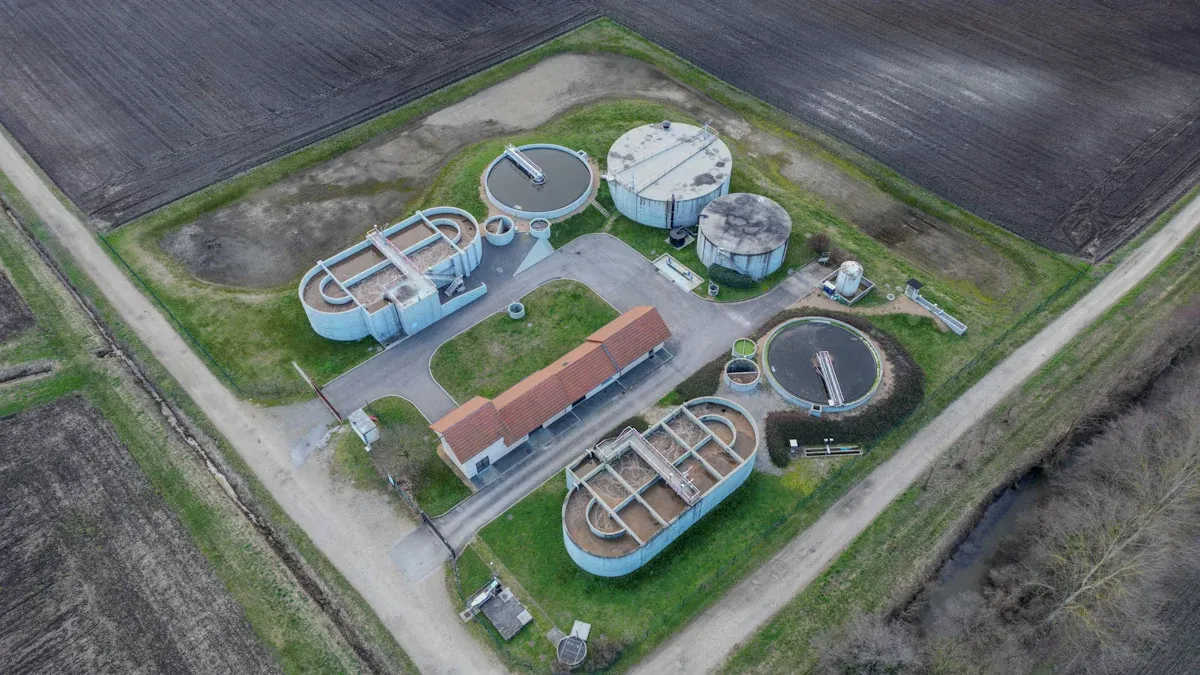
You want a wastewater system that fits your available space. MBBR treatment systems give you a compact design. You can install them in small buildings or retrofit them into existing tanks. The plastic carriers inside the reactor do not need extra settling tanks, so you save land. MBR systems also offer a small footprint, but you need extra equipment for membranes. SBR and CAS systems require larger tanks and more land. Lagoons and pond systems need the most space. You often see these in rural areas where land is cheap and available.
| Technology | Typical Land Needs | Infrastructure Complexity |
|---|---|---|
| MBBR | Low | Moderate |
| MBR | Low | High |
| SBR | Moderate | Moderate |
| CAS | High | High |
| Lagoons/Ponds | Very High | Low |
If you have limited land, you should consider compact systems like MBBR or MBR.
Suitability for Urban and Remote Sites
You face different challenges in cities and remote areas. In urban settings, space costs more and you need quiet, odor-free operation. MBBR treatment systems work well in these places because you can fit them into tight spaces. You also benefit from their modular design, which lets you expand or upgrade as your needs change. In remote communities, you often deal with budget limits and space constraints. MBBR technology helps you here too. You can deploy modular units for decentralized treatment. Small industries and villages use these systems because they scale easily and do not need large infrastructure. You get reliable performance whether you install them in a city or a remote location.
Tip: Modular systems like MBBR make it easier to serve both crowded cities and isolated communities.
Operational Complexity and Maintenance
Automation and Staffing Needs
You want a treatment system that does not require a large team to operate. MBBR treatment systems help you by using automated controls for aeration, mixing, and flow rates. You can monitor the system with sensors and adjust settings from a control panel. This reduces the need for constant supervision. In many cases, you only need a small staff to check equipment and review data. Other systems, like MBR, also use automation but may need more skilled workers to handle membrane cleaning and troubleshooting. Lagoon systems require less technical skill but need regular checks for algae and odors.
Tip: Automation makes your daily work easier and helps you avoid mistakes.
Maintenance Frequency and Challenges
You must keep your system running smoothly to meet regulations. Each technology faces its own set of maintenance challenges. For MBBR treatment systems, you may see issues like biofilm loss, media clogging, or changes in microbial balance. You can solve these problems by checking for hydraulic issues, cleaning carrier media, and adjusting nutrient dosing. Sometimes, you need to increase retention time or add mature biofilms during startup. Temperature changes can also affect performance, so you may need to insulate tanks or adjust heating.
Here is a summary of common maintenance challenges and solutions:
| Maintenance Challenge | Issue Description | Solution |
|---|---|---|
| Microbial Imbalance | Bacteria populations shift, lowering efficiency | Monitor nutrients and pH; add bioaugmentation |
| Media Clogging | Carriers get blocked and lose effectiveness | Clean or replace clogged media |
| Biofilm Loss | Biofilm detaches from carriers | Check hydraulics; stabilize conditions |
| Odor or Foaming | Unpleasant smells or foam appear | Improve aeration; adjust loading rates |
You can handle most issues with regular checks and simple adjustments. This keeps your system reliable and helps you avoid costly downtime.
Cost Analysis: CAPEX and OPEX
Initial Investment (CAPEX)
You need to consider the upfront cost when you choose a wastewater treatment system. MBBR treatment systems usually have a moderate initial investment. You do not need large tanks or complex structures. You can often retrofit these systems into existing plants. MBR systems cost more because you must buy membranes and extra equipment. Lagoon systems have the lowest CAPEX, but they need a lot of land. CAS and SBR systems fall in the middle range.
| Technology | Typical CAPEX Level | Main Cost Drivers |
|---|---|---|
| MBBR | Moderate | Reactor, media, controls |
| MBR | High | Membranes, pumps |
| Lagoons | Low | Earthwork, land |
| CAS/SBR | Moderate | Tanks, aeration |
Ongoing Operational Costs (OPEX)
You must look at daily and yearly costs. MBBR treatment systems use less energy than CAS or MBR. You spend less on chemicals and staff. MBR systems need more energy for membrane cleaning. Lagoon systems have low OPEX but may need more land management. SBR and CAS systems use more power for aeration.
- MBBR: Lower energy and chemical use
- MBR: High energy for membranes
- Lagoons: Low energy, high land care
Lifecycle Cost Considerations
You want to know the total cost over many years. MBBR treatment systems offer a good balance. You save money on maintenance and upgrades. Membranes in MBR systems need replacement, which adds cost. Lagoons have low costs but may not meet strict rules. CAS and SBR need more repairs and sludge handling.
Tip: Always check both CAPEX and OPEX before you decide.
Energy Consumption and Environmental Impact
Power Requirements
You want to know how much energy your treatment system uses. MBBR systems use less power than many traditional methods. You can see this in the table below:
| Technology | Energy Requirement (kWh/m³) | Reduction Compared to CAS (%) |
|---|---|---|
| CAS | 0.3 - 0.6 | N/A |
| MBBR | 0.46 | ~94% reduction |
MBBR systems help you save energy, especially when you compare them to conventional activated sludge (CAS) systems. Lower energy use means you spend less money and help the environment.
Carbon Footprint and Sustainability
You care about the planet and want a system that supports sustainability. MBBR technology stands out here. When you combine MBBR with algal PhotoBioReactors, you can cut greenhouse gas and odor emissions. This makes your plant cleaner and greener. Many facilities, like distilleries, use MBBR to meet strict rules and lower costs at the same time. The Water Environment Federation reports that MBBR systems can use 20-30% less energy than older methods. This helps you reduce your carbon footprint and reach your sustainability goals.
Tip: Choosing MBBR helps you meet both environmental and business targets.
Sludge Production and Disposal
You want to handle less sludge because it costs money to manage and dispose of it. MBBR systems produce less sludge than SBR or CAS systems. Here is a quick look:
| Technology | Sludge Production Rate (kg VSS/Kg COD Removed) |
|---|---|
| SBR | 0.477 |
| MBBR | Lower (not specified) |
MBR systems can cut biosolid production by up to 32%. Less sludge means fewer trucks, lower disposal costs, and a cleaner operation for you.
Application Suitability for MBBR Treatment Systems
Municipal Wastewater
You often face strict rules for treating city wastewater. MBBR treatment systems help you meet these standards with high efficiency. You can install them in crowded cities because they use less space. You also get a system that adjusts well to changes in flow and pollution. This means you keep your plant running smoothly, even when the amount of wastewater goes up or down. You can treat water with high ammonia levels and still meet tough discharge limits.
- High treatment efficiency supports regulatory compliance.
- Compact design fits urban areas with limited land.
- Flexible operation handles changing loads.
- Effective for high-ammonia wastewater.
Industrial Wastewater
You deal with many types of waste in factories and plants. MBBR treatment systems give you a strong option for removing organic matter and ammonia. You can use them for food processing, chemical plants, and textile factories. You get a system that handles shock loads and toxic substances better than many other technologies. You also find it easy to upgrade or expand your system as your business grows.
Tip: You can combine MBBR with other processes for even better results in tough industrial settings.
Decentralized and Small-Scale Systems
You may live in a rural area or manage a small community. Traditional septic systems can cause problems like groundwater pollution. MBBR treatment systems offer you a safer and cleaner solution. You can install them easily for single homes or small groups. You get high-quality treated water and simple maintenance. Many communities report better sanitation and less risk to the environment after switching to MBBR. You also support sustainability by recovering resources and reusing water.
- Improved treatment and effluent quality.
- Simple setup and low maintenance.
- Lower environmental impact and better community health.
Quick-Reference Comparison Table
Summary of Key Criteria Across Technologies
You want to compare the main wastewater treatment options quickly. The table below shows how each technology performs in important areas. You can see differences in energy use, cost, treatment results, and environmental impact.
| Technology | Footprint | Energy Use (kWh/m³) | CAPEX | OPEX | Effluent Quality | Maintenance | Environmental Impact |
|---|---|---|---|---|---|---|---|
| MBBR | Low | 0.46 | Moderate | Low | High (BOD, NH₄) | Simple | Low (green) |
| MBR | Low | 0.7–1.0 | High | High | Very High | Complex | Moderate (yellow) |
| SBR | Moderate | 0.5–0.7 | Moderate | Moderate | Moderate | Moderate | Moderate |
| CAS | High | 0.3–0.6 | Moderate | Moderate | Moderate | Moderate | Low (green) |
| Lagoons | Very High | 0.1–0.2 | Low | Low | Low | Simple | Low |
| AOPs | Low | 1.0+ | High | High | Very High (targeted) | Complex | High |
Note: MBBR and CAS systems use less energy and have a lower environmental impact. MBR gives you the cleanest water but costs more to build and run. Lagoons need lots of land but use the least energy.
- You can choose MBBR for a strong balance of cost, space, and easy operation.
- MBR works best when you need top-quality effluent.
- CAS and SBR offer reliable results for many municipal needs.
- Lagoons suit rural areas with plenty of land.
- AOPs help when you must remove tough pollutants.
This table helps you match your needs with the right technology. You can see at a glance which system fits your site, budget, and environmental goals.
You find mbbr treatment systems work best when you need a compact design and steady performance. The table below shows how experts compare treatment options for different needs:
| Factor | MBBR Characteristics |
|---|---|
| Wastewater Characteristics | Effective for BOD and COD removal; good for nitrification |
| Treatment Goals | Meets standard effluent limits for BOD and TSS |
| Space Availability | Ideal for limited space; can upgrade existing plants |
When you choose a system, consider these points:
- Efficiency
- Sustainability
- Land needs
- Energy use
- Sludge production
- Economic, environmental, and social impacts
You should match your site, rules, and long-term goals to the right technology.
FAQ
What makes MBBR different from other treatment systems?
You use plastic carriers in MBBR. These carriers give bacteria a place to grow. This design helps you save space and keep the system flexible.
Can you upgrade an old plant with MBBR technology?
Yes, you can retrofit MBBR into existing tanks. You do not need to build a new plant. This saves you money and time.
How often do you need to clean MBBR systems?
You check the system regularly, but you do not clean the carriers often. The moving action helps keep the media clean by itself.
See Also
Understanding How Commercial Heat Exchangers Benefit Industries
Innovations in Heat Exchanger Manufacturing Boost Industrial Efficiency
New Materials Transforming the Heat Exchanger Industry Supply