What is MBBR for sewage treatment plant?
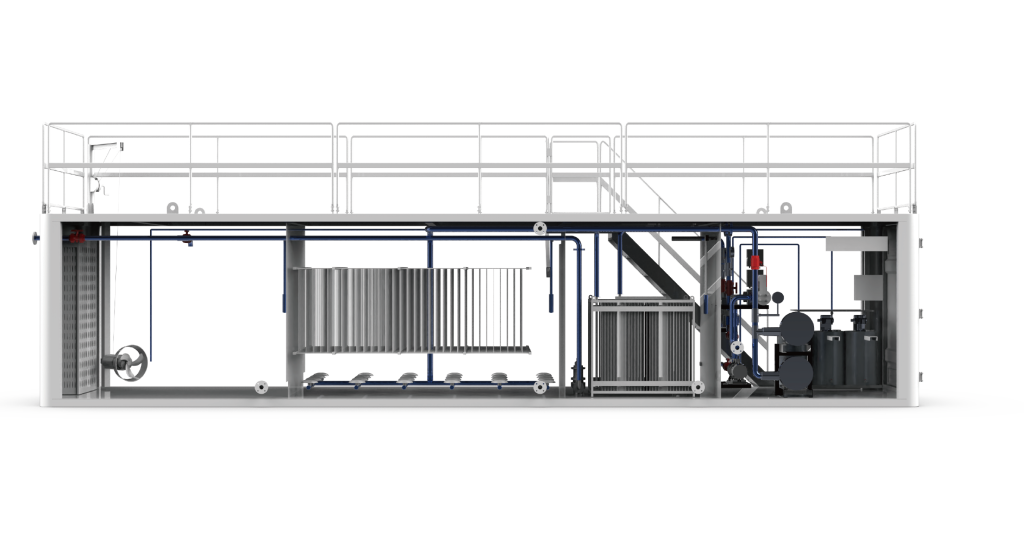
MBBR means Moving Bed Biofilm Reactor. This technology helps a mbbr sewage treatment plant clean water. It uses small plastic pieces that help bacteria grow. Decentralized and containerized systems are now very popular. In 2023, people used over 78,000 decentralized units. They also used more than 22,000 containerized units. These systems treat wastewater quickly and can move easily.
Year | Number of Decentralized Treatment Systems Deployed | Key Developments |
|---|---|---|
2023 | Over 78,000 | Digital water management and AI are now used in wastewater treatment. |
2023 | Over 22,000 containerized units deployed | These units were sent fast to disaster areas and mines. |
2023 | 92 countries updated effluent discharge norms | More people want real-time tracking systems now. |
Key Takeaways
MBBR technology uses small plastic pieces to help bacteria grow. This makes cleaning dirty water faster and better.
Decentralized MBBR systems are great for faraway places. They are simple to move, easy to set up, and do not need much care.
MBBR systems use less energy and space. This makes them a cheaper way to clean dirty water in many places.
MBBR Sewage Treatment Plant Basics
What is MBBR?
The moving bed biofilm reactor, or MBBR, is a new way to treat dirty water. Many mbbr sewage treatment plants use this system. It cleans water by using small plastic pieces that float. These plastic pieces give bacteria a place to live and grow. The bacteria make a layer called biofilm. The bacteria in the biofilm eat and break down bad stuff in the water.
A company from Norway named AnoxKaldnes made MBBR technology first. The first mbbr sewage treatment plant using this idea started in 1990 in Lardnal, Norway.
Inventor | Year Implemented | Location |
|---|---|---|
AnoxKaldnes (Norwegian corporation) | 1990 | Lardnal, Norway |
Now, mbbr sewage treatment plants are used in many countries. People like them because they are easy to use and work well in lots of places.
MBBR Process and Operation
The mbbr sewage treatment plant has a special way to clean water. Bacteria grow on plastic pieces inside the tank. These bacteria eat the waste in the water.
Biological Process | Description |
|---|---|
Aerobic Microorganisms | Need air to break down waste in the water. |
Anaerobic Microorganisms | Can live without air and help break down waste. |
Biofilm Formation | Plastic pieces give bacteria a place to grow, making the cleaning better. |
Here are the steps in the process: 1. Dirty water goes into the tank and mixes with the plastic pieces. 2. Air is added to the tank so aerobic bacteria can grow. 3. The bacteria make a biofilm on the plastic and start cleaning the water. 4. Clean water leaves the tank, but the plastic pieces stay to keep working.
Plastic media are very important in the mbbr sewage treatment plant. Here is how they help: - Plastic pieces help add air to the tank, which helps bacteria grow. - The biofilm made by bacteria eats the bad stuff in the water. - The plastic pieces have a big surface, so lots of bacteria can live there and clean faster. - MBBR systems are smaller than old systems, so they can clean a lot of water in less space.
The plastic pieces in an mbbr sewage treatment plant usually last 10 to 20 years. They are made from strong plastics like polyethylene or polypropylene. If you take care of them, they can last even longer, even if the water is dirty.
Key Components
A mbbr sewage treatment plant has some main parts that work together:
Biofilm carriers: These are the floating plastic pieces where bacteria live.
Aeration systems: These add air to the tank to help bacteria grow and clean.
BOD removal stages: These steps take out organic waste from the water.
Nitrification stages: These steps help remove nitrogen from the water.
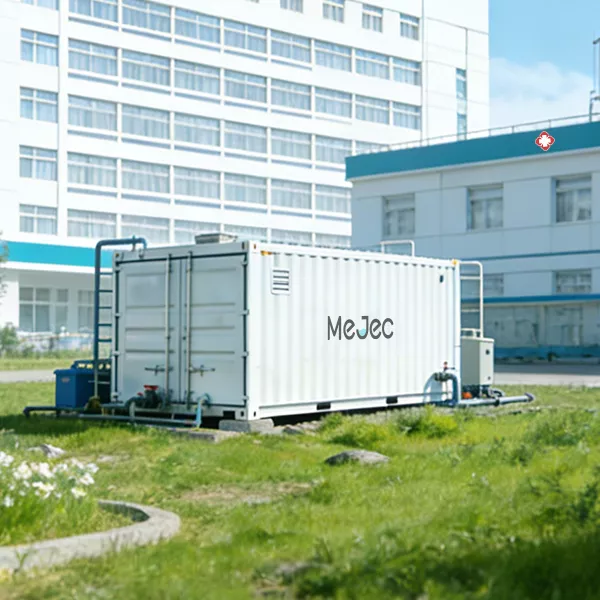
Note: New containerized systems, like the ones from Mejec, mix MBBR with other smart technologies. These systems are easy to move, quick to set up, and can clean water in many places, like the countryside or temporary camps.
The mbbr sewage treatment plant is a good and strong way to clean dirty water. It uses simple parts and nature to keep water safe and clean.
Advantages and Decentralized Wastewater Treatment
Benefits of MBBR Systems
MBBR systems have many good points for treating wastewater in small places. These systems work fast and do a good job. The plastic pieces move inside the tank and help bacteria grow. This helps clean the water quicker than old ways. MBBR systems can take out organic matter and nitrogen in only 3 to 4 hours. Fast cleaning is important for places that need safe water. The design makes it simple to use and fix. Workers do not need to spend much time each day. MBBR systems use less energy, so they cost less to run.
Benefit | Description |
|---|---|
Efficiency | Cleans water quickly with short wait times. |
Low Cost | Saves money and uses less energy. |
Easy Operation | Simple to use and fix, no need to move sludge. |
Needs about half the space of older systems. |
Decentralized Wastewater Treatment Applications
Decentralized wastewater treatment helps places without big sewer pipes. MBBR technology works well in these spots. It is used in small towns, schools, hotels, and faraway places. The system is built in parts, so it can be set up fast. For example, a containerized MBBR plant can arrive and start working quickly. This helps in emergencies or at temporary camps. The Mejec system uses UV light to make water safe to use again or let go.
Tip: MBBR is great for country areas, business parks, and pretty places where space is tight.
Comparison with Other Methods
MBBR systems can change to handle different amounts of wastewater. They adjust better than many other systems. When compared to membrane bioreactor systems, MBBR cleans water well but may not catch as many solids. Still, MBBR is easier to grow and put in small places. Sequencing batch reactors also clean water well, but MBBR can handle more waste in less space. Many places pick MBBR because it works well, costs less, and is easy to use.
Mejec JM-MBR/MBBR Containerized Domestic Wastewater Treatment Plant
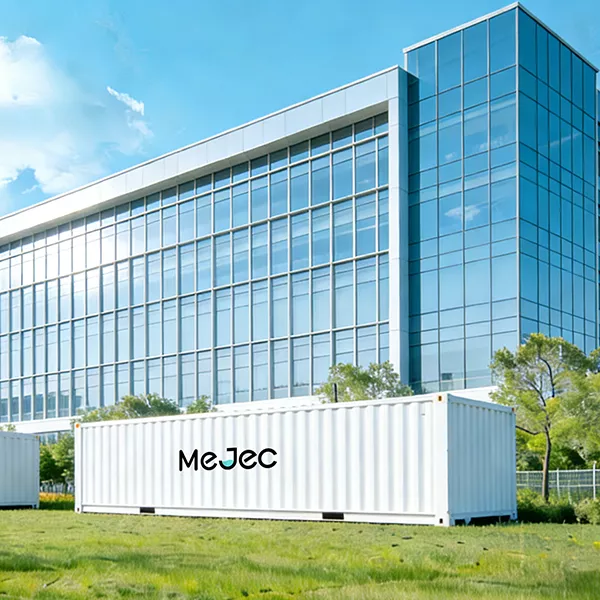
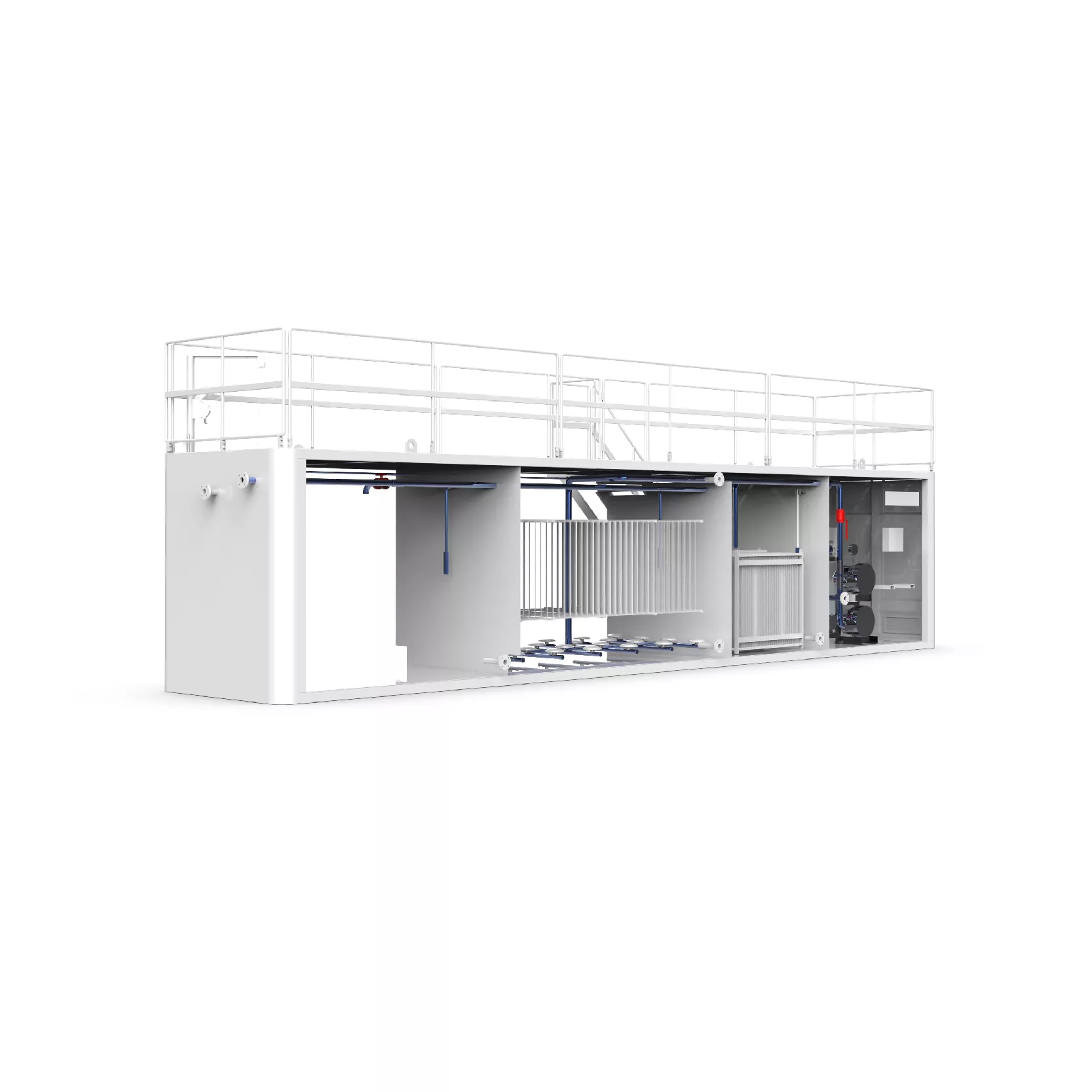
The Mejec JM-MBR/MBBR containerized system is a new way to treat home wastewater. This treatment plant fits inside a regular shipping container. It can be moved and set up fast in many places. You can use it in the countryside, at building sites, or in camps. The design makes it simple to use and take care of.
Mejec uses both MBR and MBBR technology. These methods use bacteria to break down waste. The system uses both aerobic and anaerobic steps to clean water. This helps remove many kinds of pollution and nutrients. The plant also has a UV disinfection unit. This makes the water safe to use again or let go.
Below is a table that shows the main features of the Mejec containerized wastewater treatment plant:
Key Feature | Description |
|---|---|
Easy Maintenance | Costs less to run and has strong parts. Checks are easy to do. |
Energy Efficiency | Uses air and pumps in a smart way to save power and work better. |
Scalability | Can clean 100 to 1000m³/d, and you can add more units if needed. |
Integrated Design | Everything is inside a shipping container for quick setup and moving. |
Advanced Treatment | Uses both aerobic and anaerobic steps to remove nutrients well. |
Compliance and Resilience | Keeps water clean enough to meet rules in many places. |
Note: The modular design makes it easy to add more units. You can use more than one unit to clean more water if you need to.
This system is a strong and flexible answer for today’s water problems.
MBBR is special because it is small and saves energy. It can be used in many different places.
Key Benefit | Description |
|---|---|
High Efficiency | Cleans water fast even in tight spaces. |
Low Maintenance | Does not need much work and saves money. |
Adaptable | Works in cities, small towns, and faraway places. |
New systems like Mejec help people follow tough rules and use less. MBBR will become more popular as more places need better ways to clean water.
FAQ
What does MBBR stand for?
MBBR stands for Moving Bed Biofilm Reactor. It uses small plastic carriers to help bacteria clean wastewater.
How long does it take for an MBBR system to treat water?
Most MBBR systems can treat wastewater in about 3 to 4 hours. The process is fast and efficient.
Can MBBR systems be used in remote areas?
Yes! MBBR systems work well in remote places. They are easy to move, set up, and operate with little maintenance.