Mastering Tablet Production for Maximum Yield
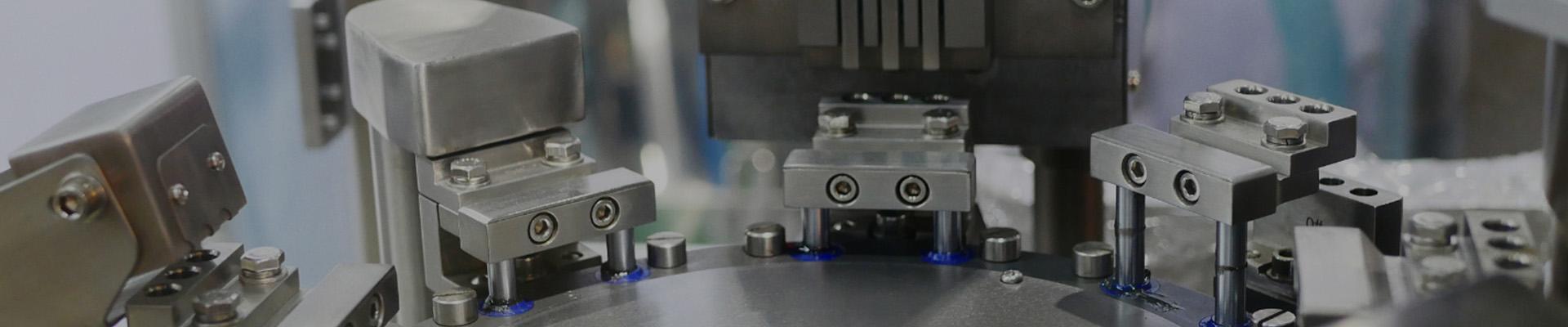
The global pharmaceutical tablet market is expanding significantly, with a projected 9.8% compound annual growth rate. This rapid growth requires manufacturers to boost production efficiency. Optimizing tablet design and formulation is a fundamental step toward higher output. Manufacturers can also reduce costs and common issues like sticking by selecting the right tooling. Mastering the operational settings of an Automatic Tablet Press Machine ultimately allows companies to increase yield and ensure consistent product quality, securing a competitive advantage.
Optimize Tablet Design for Manufacturability
A tablet's design is a critical factor that extends beyond branding and patient experience; it directly impacts manufacturability and production yield. Thoughtful design choices at the outset prevent costly downstream issues, ensuring a smoother, more efficient manufacturing process from start to finish.
Select Strategic Tablet Shapes and Profiles
Manufacturers must select tablet shapes that align with their formulation's properties. Complex or intricate shapes often increase the risk of manufacturing defects like chipping and breaking. Research shows that tablet shape significantly influences internal density distribution. An uneven density profile within the tablet is a primary contributor to structural weaknesses and subsequent defects.
For example, formulations requiring high compression forces are better suited for robust profiles.
- Standard biconvex round tooling can withstand punch tip forces up to 47 kN.
- Complex double-radius tooling is often limited to lower forces, around 27 kN.
Choosing a simpler, more durable shape for a high-compression formulation minimizes stress on both the tablet and the tooling, leading to fewer rejections and higher output.
Use Blended Lands to Enhance Durability
A blended land is a small, flat surface incorporated around the perimeter of a tablet's cup. This subtle design feature plays a major role in enhancing the durability of both the tablet and the punch tips. A correctly applied blended land strengthens the tablet's edge, making it less prone to damage during and after compression.
Pro Tip: Optimizing the blended land is a key strategy for improving performance. It helps prevent common manufacturing problems such as flashing (material squeezing out), lamination (tablet splitting into layers), and chipping during tablet take-off.
By mitigating these issues, manufacturers enhance the integrity of the final product and protect the tooling from premature wear. This simple optimization reduces the frequency of tooling replacements, minimizes press downtime, and ultimately boosts overall production yield.
Refine Formulation for High-Speed Production
A well-designed tablet is only as good as the formulation that forms it. Optimizing the powder blend is essential for achieving high speeds and maximum yield on an automatic tablet press. Manufacturers must address the inherent properties of their granules to ensure a smooth, uninterrupted production cycle.
Address Abrasive and Sticky Granules
Formulations with abrasive or sticky characteristics present significant manufacturing challenges. Abrasive ingredients, such as certain vitamins, accelerate tooling wear and increase maintenance costs. Sticky granules adhere to punch faces and die walls, causing defects like picking and sticking, which leads to tablet rejection and press downtime.
Manufacturers can mitigate these effects through targeted formulation strategies.
- For abrasive active pharmaceutical ingredients (APIs) like ascorbic acid, strategies include encapsulating the API or adding stabilizers like citric acid and tocopherol.
- For sticky powders, incorporating specific excipients is highly effective. Adding an "antisticking agent" like talc can significantly reduce this problem, ensuring clean tablet ejection and preserving tooling integrity.
Ensure Consistent Powder Flow and Compressibility
High-speed tablet production demands a formulation that flows uniformly and compresses predictably. Inconsistent powder flow leads to variations in die filling, which directly impacts tablet weight and hardness. Poor compressibility requires higher compression forces, stressing both the tablet press and the tooling.
A powder's compressibility is a critical material attribute. Variations in bulk density, flowability, and particle size directly contribute to inconsistencies in final tablet weight and hardness, impacting overall batch quality.
To achieve success, granulation should aim for ideal characteristics:
- Spherical shape for better flow.
- Narrow particle size distribution for content uniformity.
- Sufficient fines to fill void spaces for better compaction.
Achieving this consistency often involves selecting the right excipients. Glidants like colloidal silicon dioxide reduce inter-particle friction, while lubricants such as magnesium stearate improve powder movement and aid tablet ejection. By refining the formulation for optimal flow and compressibility, manufacturers can run their presses faster, reduce defects, and maximize output.
Upgrade Your Automatic Tablet Press Machine and Tooling

An excellent formulation and tablet design can only reach their full potential with the right manufacturing hardware. Upgrading to a modern Automatic Tablet Press Machine and advanced tooling is a direct investment in higher yield, improved quality, and greater operational efficiency. These technologies are engineered to overcome the limitations of older equipment, enabling manufacturers to meet rising market demands.
Leverage Multi-Tip and Segmented Tooling
One of the most effective strategies for boosting output is to increase the number of tablets produced with each rotation of the press turret. Multi-tip and segmented tooling technologies achieve this by fundamentally redesigning the die and punch setup.
Multi-tip tooling involves fitting multiple punch tips onto a single punch body. This multiplies the number of tablets produced per station. While the turret speed may need a slight reduction to ensure proper die filling, the net gain in productivity is substantial.
| Tooling Type | Productivity Increase |
|---|---|
| Multi-two tooling | 66% |
| Multi-three tooling | 125% |
Segmented tooling takes this concept further by replacing individual dies with larger, precision-machined segments that contain multiple die cavities. This innovation offers several key advantages:
- Increased Station Count: Segments allow for closer station spacing, increasing the total number of stations on a turret and boosting output per rotation.
- Reduced Setup Time: Operators can install segments in as little as ten minutes, a dramatic improvement over the two to three hours required to set individual dies and lock screws.
- Enhanced Consistency: The continuous, flat surface of a segment ensures uniform powder fill across all its die cavities, eliminating yield loss from misaligned or varying-height individual dies.
By adopting these advanced tooling configurations, manufacturers can significantly increase the production capacity of their existing Automatic Tablet Press Machine.
Select Protective Tool Coatings
Tooling is a significant investment, and protecting it from wear and formulation-related issues is crucial for maintaining high yield. Protective coatings create a durable barrier on the surface of punches and dies, addressing common problems like abrasion and sticking.
Expert Insight: Chromium Nitride (CrN) is widely regarded as a top-tier coating for resolving sticking and picking issues. Its superior anti-stick properties and excellent hardness make it a cost-effective solution for difficult formulations.
CrN coatings offer a powerful combination of benefits that directly impact production efficiency:
- Superior Hardness: With a hardness of 2000-2500 HV, CrN provides exceptional resistance to abrasive wear, extending tool life 5 to 10 times longer than uncoated tools.
- Outstanding Anti-Stick Properties: The smooth, dense surface discourages powder adhesion, preventing defects and eliminating the need for frequent cleaning stops.
- Excellent Corrosion Resistance: The nearly pinhole-free coating protects tooling from corrosive ingredients, ensuring long-term durability.
By selecting the right coating, manufacturers can run their presses for longer periods without interruption, reduce tablet defects, and protect their tooling investment, all of which contribute to maximizing yield.
Extend Tooling Life and Reduce Downtime
Even with advanced coatings, a proactive maintenance program is essential for maximizing the lifespan of tablet tooling and minimizing costly downtime. Regular inspection, cleaning, and polishing can extend the life of punches and dies by up to 80 percent. This practice restores the tool surfaces to a like-new condition, ensuring consistent tablet quality and preventing defects.
Modern equipment like the GZPK Series Automatic Tablet Press Machine from Aligned Machinery is designed to facilitate this process. Features such as a high-precision turret for easy mold removal and specialized tools for replacing sealing rings enhance work efficiency and simplify maintenance routines.
Furthermore, an advanced Automatic Tablet Press Machine incorporates intelligent systems that protect both the product and the tooling.
- Real-Time Monitoring: Pressure sensors on each punch monitor compression forces, allowing the system to detect potential overloads and prevent tool damage.
- Automated Rejection: The ability to reject single tablets or entire batches that fall outside of specification ensures that only quality products are collected, boosting the final yield rate.
- Optimized Operation: Features like forced feeders with a three-layer impeller design prevent material clogging, while integrated scrapers remove excess powder, ensuring a clean and efficient compression cycle.
By combining a robust maintenance schedule with the intelligent features of a modern Automatic Tablet Press Machine, manufacturers can ensure their tooling lasts for millions of compression cycles, significantly reducing downtime and maximizing production output.
Master Press Operations for Maximum Output
Advanced tooling and optimized formulations set the stage for high yield, but true manufacturing excellence is achieved on the press floor. Mastering the operational parameters of an Automatic Tablet Press Machine is the final and most critical step in maximizing output. Operators must skillfully manage the interplay between speed, force, and time to transform a well-designed powder into a perfect tablet, cycle after cycle. This operational expertise directly translates into higher efficiency, reduced waste, and a stronger bottom line.
Control Dwell Time for Difficult Formulations
Dwell time is the brief period during which a punch head remains in contact with the compression roller, applying maximum force to the powder in the die. This duration is critical, especially for challenging formulations. An extended dwell time allows more time for particles to rearrange, deform, and bond together. This process results in stronger, more robust tablets with enhanced hardness and reduced friability. Insufficient dwell time, conversely, leads to incomplete bonding and weaker tablets.
Certain formulations are highly sensitive to this parameter.
- Poorly compressible excipients require more time under pressure to form a stable tablet matrix.
- Extended-release formulations, such as Bydureon's complex microspheres, benefit from longer dwell times to ensure proper compaction and achieve their intricate release profiles.
- Formulations with high strain rate sensitivity compact better at slower speeds, making dwell time a key variable for success.
Operational Tip: For these difficult materials, operators can increase dwell time by using tooling with a larger punch head flat. This simple modification extends the contact period with the compression roller without significantly slowing the turret, improving tablet quality and minimizing defects like capping.
Balance Compression Force and Press Speed
Achieving maximum output requires a delicate balance between compression force and press speed. Pushing for higher speeds without adjusting force can lead to a cascade of production issues. Conversely, applying excessive force can be just as detrimental. An imbalance between these two parameters is a primary cause of common tablet defects.
Common operational errors stemming from this imbalance include:
- Capping and Lamination: Often caused by air trapped within the die at high speeds or by excessive compression force that weakens inter-particle bonds.
- Chipping and Cracking: Frequently linked to overly aggressive compression forces or rapid decompression.
- Weight Variation: Occurs when high press speeds prevent the feeder system from filling the die cavity uniformly.
Manufacturers must find the optimal operational window. For instance, if capping occurs, operators can either decrease the main compression force or reduce the turret speed. Slower speeds give entrapped air more time to escape during pre-compression and allow strain-rate sensitive materials to compact properly. Finding this equilibrium ensures the press runs as fast as possible while producing tablets that consistently meet all quality specifications, preventing yield loss from rejected batches.
Integrate Real-Time Process Monitoring
Modern tablet manufacturing leverages advanced technology to move from reactive adjustments to proactive control. Integrating real-time process monitoring, often through Process Analytical Technology (PAT), empowers manufacturers to ensure quality and maximize yield with unprecedented precision. PAT systems measure the Critical Quality Attributes (CQAs) of the product during the manufacturing process, enabling automatic adjustments to maintain optimal conditions.
These systems monitor a wide range of critical parameters in real-time:
- Tablet weight, thickness, and hardness
- Final blend potency using Near-infrared (NIR) analysis
- Particle size distribution via laser diffraction
- Data from loss-in-weight feeders
This continuous stream of data allows for the instant detection of deviations. Advanced systems use high-speed cameras, machine vision, and AI models to analyze every tablet. If a defect is detected, the system can immediately trigger an automated action, such as rejecting the faulty tablet or alerting an operator. This prevents a minor issue from turning into thousands of defective products. Modern equipment like the GZPK Series Automatic Tablet Press Machine embodies these principles, using real-time pressure sensors and automated rejection functions to uphold batch integrity and protect tooling.
Innovations in press technology further enhance this control, automating adjustments and boosting productivity.
| Innovation | Description | Impact on Operational Adjustments |
|---|---|---|
| Smart Sensors | Real-time monitoring of press operations | Increases uptime and predicts maintenance needs, enabling proactive adjustments. |
| AI-Driven Analytics | Machine learning for optimizing production workflows | Enhances productivity by reducing cycle time through real-time adjustments. |
| Remote Monitoring Tools | Cloud-based platforms for monitoring press conditions | Improves decision-making and operational responsiveness for timely adjustments. |
| Predictive Maintenance | Analyzes real-time data to predict and prevent machine failures | Reduces downtime by enabling automatic setting tweaks based on material properties. |
By integrating these intelligent systems, manufacturers transform their operations into a self-correcting ecosystem that consistently produces high-quality tablets at maximum speed.
Achieving maximum yield requires a synergistic approach that combines optimized design, refined formulation, and advanced technology. Manufacturers directly boost output and quality by implementing targeted strategies in tooling and press operations. Ultimately, a culture of continuous improvement is essential for long-term success. This forward-thinking mindset reduces waste, enhances product quality, and drives the innovation needed to maintain a competitive edge in the evolving world of tablet manufacturing.
FAQ
How can manufacturers quickly increase tablet output?
Manufacturers can adopt multi-tip tooling to multiply the number of tablets produced with each turret rotation. This strategy provides a significant productivity increase. It allows a press to generate more tablets without drastically increasing mechanical speed, boosting overall yield and efficiency.
What is the best way to solve tablet sticking?
Solving tablet sticking begins with formulation. Adding an anti-sticking agent like talc often resolves the issue. For persistent problems, applying a protective tool coating such as Chromium Nitride (CrN) creates a durable, non-adherent surface that prevents material buildup and improves tablet release.
Why is dwell time important for tablet quality?
Dwell time is the duration of peak compression. A longer dwell time gives powder particles more time to bond, creating a stronger tablet. This is crucial for difficult formulations, as it helps improve tablet hardness and reduce defects like capping and lamination.
How do modern presses improve yield?
Modern presses like the GZPK Series from Aligned Machinery integrate intelligent systems. They use real-time pressure sensors to monitor compression and ensure consistency. Features like automated single-tablet rejection remove defective products immediately, guaranteeing that only quality tablets contribute to the final yield.
See Also
Optimizing Lab Selection: A Comprehensive Guide to Tablet Sampling Machines
Comparing Top Ampoule Filling Production Line Manufacturers for Your Needs
Versatile Nozzle Solutions: Guiding Gardeners, Bioprinters, and Lubrication Professionals
Revolutionary Heat Exchanger Production: Boosting Industrial Performance and Efficiency
Enhancing Pharmaceutical Efficiency: Modern Capsule Decapsulation Machine Innovations