Top Maintenance Practices for Siomai Maker Machines in 2025
A consistent maintenance routine helps operators keep the siomai maker machine running efficiently for years. Regular cleaning, inspection, and lubrication protect critical components and reduce the risk of costly repairs.
Proper care also ensures food safety by preventing contamination and breakdowns during production.
Essential Daily Maintenance for Siomai Maker Machine
Cleaning After Each Use
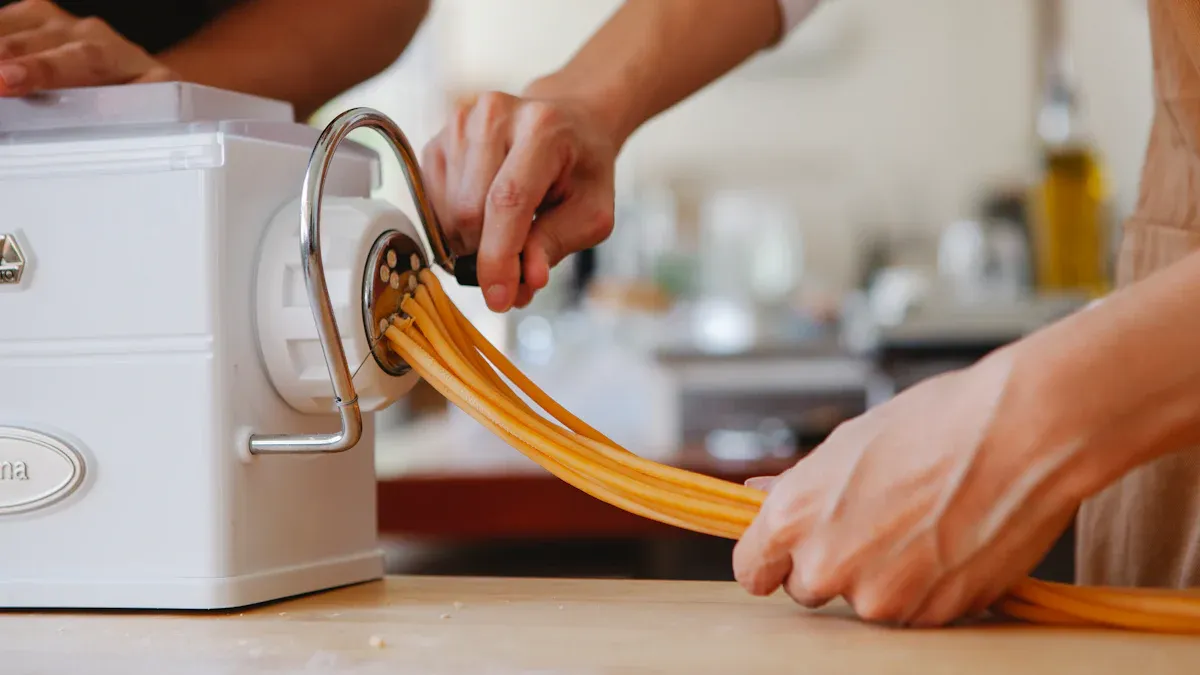
Operators must clean the siomai maker machine after every production cycle. Food particles and dough residue can accumulate on surfaces and inside moving parts. Cleaning prevents contamination and keeps the machine running smoothly.
Daily Cleaning Checklist:
- Remove all detachable trays and hoppers.
- Wash components with warm water and food-safe detergent.
- Wipe down external surfaces with a clean cloth.
- Sanitize areas that come into direct contact with food.
- Dry all parts thoroughly before reassembly.
Tip: Use a soft brush to reach tight spaces and corners. This helps remove stubborn residue without damaging sensitive components.
Inspecting for Wear and Tear
Regular inspection helps identify problems before they lead to breakdowns. Operators should check the siomai maker machine for signs of damage or excessive wear.
Areas to Inspect:
- Gears and belts for cracks or fraying
- Cutting blades for dullness or chips
- Seals and gaskets for leaks
- Fasteners for looseness
A simple table can help track inspection results:
| Component | Condition | Action Needed |
|---|---|---|
| Gear Assembly | Good | None |
| Blades | Dull | Sharpen |
| Seals | Leaking | Replace |
Note: Early detection of wear extends the lifespan of the siomai maker machine and reduces repair costs.
Checking for Food Residue and Blockages
Food residue and blockages can disrupt the operation of the siomai maker machine. Operators should check all chutes, stuffing nozzles, and conveyor paths for leftover dough or filling.
Steps to Prevent Blockages:
- Inspect stuffing nozzles for clogs.
- Clear conveyor belts of stuck siomai pieces.
- Remove any buildup from dough pressing areas.
Operators should perform these checks before starting a new batch. This practice ensures consistent product quality and prevents unexpected stoppages.
Alert: Ignoring residue and blockages may cause jams, affecting both machine performance and food safety.
Weekly and Monthly Maintenance Tasks for Siomai Maker Machine
Deep Cleaning Key Components
Operators should schedule deep cleaning for the siomai maker machine at least once a week. This process removes hidden residue and prevents bacteria buildup. Deep cleaning goes beyond daily wipe-downs and targets areas that collect grease and food particles.
Key Steps for Deep Cleaning:
- Disassemble major components, such as the dough hopper, stuffing system, and conveyor belt.
- Soak removable parts in hot water with a food-safe degreaser.
- Scrub surfaces with non-abrasive brushes to avoid scratches.
- Rinse thoroughly and allow all parts to air dry.
- Inspect each piece for any signs of mold or corrosion before reassembly.
Note: Deep cleaning maintains food safety standards and extends the lifespan of the equipment.
Lubricating Moving Parts and Oil Nozzles
Proper lubrication ensures smooth operation and reduces friction between moving parts. Operators should check the lubrication points on the siomai maker machine every week. Neglecting this task can lead to increased wear and unexpected breakdowns.
Lubrication Checklist:
- Apply food-grade lubricant to gears, bearings, and chains.
- Check oil nozzles for blockages or leaks.
- Wipe away excess oil to prevent contamination.
- Record the date and type of lubricant used in a maintenance log.
A simple table can help track lubrication tasks:
| Part | Lubricant Type | Last Lubricated | Notes |
|---|---|---|---|
| Gear Assembly | Food-grade oil | 06/01/2025 | No issues |
| Conveyor Bearings | Food-grade grease | 06/01/2025 | Smooth motion |
| Oil Nozzles | Food-grade oil | 06/01/2025 | Cleaned nozzle |
Tip: Always use lubricants approved for food processing equipment to avoid contamination.
Tightening Bolts, Nuts, and Fasteners
Loose bolts and fasteners can cause misalignment and vibration during operation. Operators should inspect and tighten all bolts, nuts, and fasteners at least once a month. This practice prevents mechanical failures and keeps the siomai maker machine stable.
Steps for Securing Fasteners:
- Use the correct tools to check tightness on all accessible bolts and nuts.
- Pay special attention to high-vibration areas, such as the motor mount and conveyor supports.
- Replace any worn or stripped fasteners immediately.
- Document each inspection in the maintenance log.
Alert: Ignoring loose fasteners may result in costly repairs or production downtime.
Changing Reducer Oil
Changing reducer oil stands as a critical maintenance task for any siomai maker machine. The reducer, also known as the gearbox, controls the speed and torque of the machine’s moving parts. Fresh oil keeps the reducer running smoothly and prevents metal components from grinding against each other.
Operators should follow a systematic approach when changing reducer oil. The process involves several steps that ensure both safety and efficiency.
Steps for Changing Reducer Oil:
- Turn off the machine and disconnect it from the power source.
- Allow the reducer to cool before handling.
- Locate the oil drain plug and place a container underneath to catch old oil.
- Remove the drain plug and let the oil flow out completely.
- Inspect the drained oil for metal shavings or discoloration.
- Replace the drain plug securely.
- Fill the reducer with the recommended oil type and quantity.
- Check for leaks around the plug and seals.
- Record the oil change in the maintenance log.
Tip: Operators should always use oil specified by the manufacturer. Using the wrong oil type can damage the reducer and void the warranty.
A regular oil change schedule helps prevent overheating and reduces wear on gears. Most manufacturers recommend changing reducer oil every three to six months, depending on usage. Operators who notice unusual noises or reduced performance should check the oil immediately.
| Oil Change Interval | Oil Type | Signs of Trouble | Action Needed |
|---|---|---|---|
| 3 months | Synthetic Gear Oil | Metal shavings found | Inspect gears |
| 6 months | Mineral Gear Oil | Oil appears dark | Replace oil early |
Operators who maintain a strict oil change routine extend the life of the siomai maker machine. They also reduce the risk of unexpected breakdowns during busy production periods.
Alert: Skipping reducer oil changes can lead to costly repairs and production delays.
Maintenance by Siomai Maker Machine System
Stuffing System Care
Operators must pay close attention to the stuffing system. This part handles the filling and ensures each siomai receives the correct amount. Regular care prevents clogs and maintains product consistency.
Stuffing System Maintenance Steps:
- Remove the stuffing nozzle and hopper.
- Clean all surfaces with warm water and a food-safe brush.
- Inspect seals for leaks or cracks.
- Check moving parts for smooth operation.
- Reassemble only after all components dry completely.
Tip: Operators should avoid using sharp tools when cleaning the stuffing system. Scratches can trap food particles and lead to contamination.
A well-maintained stuffing system keeps the siomai maker machine running efficiently. Operators who follow these steps reduce downtime and improve food safety.
Dough Pressing System Maintenance
The dough pressing system shapes the wrapper for each siomai. Consistent maintenance ensures uniform thickness and prevents jams.
Dough Pressing System Checklist:
- Remove dough residue from rollers and pressing plates.
- Inspect rollers for wear or uneven surfaces.
- Lubricate bearings with food-grade grease.
- Test the pressing mechanism for smooth movement.
| Component | Action Needed | Frequency |
|---|---|---|
| Rollers | Clean and inspect | Weekly |
| Bearings | Lubricate | Monthly |
| Pressing Plates | Wipe and check | Weekly |
Alert: Operators should replace worn rollers immediately. Uneven rollers can cause wrapper defects and affect product quality.
Electrical Box Inspection
The electrical box controls the power and automation of the siomai maker machine. Regular inspection prevents electrical hazards and ensures reliable operation.
Electrical Box Inspection Steps:
- Turn off the machine and disconnect from the power source.
- Open the electrical box using insulated tools.
- Check for loose wires, burnt connectors, or moisture.
- Inspect fuses and relays for signs of damage.
- Close the box securely after inspection.
Note: Only trained personnel should inspect the electrical box. Unqualified handling may cause injury or equipment damage.
Routine electrical box checks help operators catch problems early. Safe inspection practices protect both staff and equipment.
Conveyor Belt and Rollers Maintenance
Operators must keep the conveyor belt and rollers in top condition to ensure smooth movement of siomai through the production line. Dirt, dough residue, and misalignment can cause jams or uneven product flow. They should follow a routine maintenance schedule to avoid costly downtime.
Maintenance Steps:
- Remove visible debris from the conveyor belt after each shift.
- Inspect rollers for cracks, flat spots, or buildup.
- Wipe surfaces with a damp cloth and food-safe cleaner.
- Check belt tension and alignment.
- Lubricate roller bearings with approved grease.
Tip: Operators should replace worn rollers immediately. Delaying replacement may lead to uneven movement and damage to the siomai maker machine.
A simple table helps track roller and belt condition:
| Part | Condition | Action Needed |
|---|---|---|
| Conveyor Belt | Clean | None |
| Rollers | Worn | Replace |
| Bearings | Dry | Lubricate |
Steam System Checks
The steam system cooks siomai to perfection. Operators must inspect steam lines, valves, and chambers regularly. Leaks or blockages can affect cooking quality and safety.
Checklist for Steam System:
- Examine steam pipes for leaks or corrosion.
- Test pressure gauges for accuracy.
- Clean steam chambers to remove mineral deposits.
- Verify safety valves function properly.
Alert: Operators should never ignore steam leaks. Steam under pressure can cause burns and equipment damage.
Routine steam system checks help maintain consistent cooking results and protect staff from hazards.
Sensor and Control Panel Care
Sensors and control panels manage automation and safety features. Operators should keep these components clean and functional to prevent errors.
Sensor and Panel Care Steps:
- Wipe sensors with a dry, lint-free cloth.
- Inspect wiring for signs of wear.
- Test emergency stop buttons and alarms.
- Update software as recommended by the manufacturer.
Note: Only qualified technicians should adjust control panel settings. Incorrect changes may disrupt the siomai maker machine’s operation.
Regular sensor and control panel care ensures accurate production and reduces the risk of malfunctions.
Troubleshooting Common Siomai Maker Machine Issues
Identifying Unusual Noises
Operators often notice strange sounds during production. These noises can signal mechanical problems or worn parts. A grinding sound may point to dry bearings or misaligned gears. Clicking or rattling often means loose bolts or foreign objects inside the machine. Operators should stop the siomai maker machine and inspect all moving parts. They can use a checklist to track the source of the noise:
- Listen for grinding, clicking, or squeaking.
- Check gears, belts, and bearings for damage.
- Inspect for loose fasteners or debris.
Tip: Operators should address unusual noises immediately. Ignoring them can lead to bigger mechanical failures.
Resolving Jams and Blockages
Jams and blockages disrupt production and lower output quality. Dough or filling may clog the stuffing system or conveyor belt. Operators should turn off the machine before clearing any jam. They must remove stuck siomai pieces and clean the affected area. A step-by-step approach helps prevent damage:
- Power off the machine.
- Remove visible obstructions from chutes and belts.
- Clean stuffing nozzles and pressing plates.
- Restart the machine and observe for smooth operation.
A table can help track recurring jam locations:
| Area | Frequency | Action Taken |
|---|---|---|
| Stuffing Nozzle | Weekly | Cleaned |
| Conveyor Belt | Monthly | Adjusted |
Alert: Operators should never use sharp tools to clear blockages. This practice can damage sensitive components.
Addressing Power and Electrical Problems
Electrical issues can halt production and pose safety risks. Operators may encounter power loss, tripped breakers, or unresponsive control panels. They should check the power supply and inspect fuses. Moisture inside the electrical box often causes short circuits. Only trained staff should handle electrical repairs. A basic troubleshooting list includes:
- Verify the power cord and outlet.
- Inspect fuses and circuit breakers.
- Check for moisture or burnt connectors.
- Test control panel buttons and displays.
Note: Operators should contact a certified technician for complex electrical repairs. Safety must remain the top priority.
Safe Dismounting and Installation for Siomai Maker Machine

Proper Shutdown Steps
Operators must follow a strict shutdown procedure before dismounting any part of the siomai maker machine. This process protects both the equipment and the staff. First, they should press the main power button to stop all machine functions. Next, they must disconnect the power supply to eliminate electrical hazards. Operators should allow the machine to cool, especially after extended use. They must check that all moving parts have stopped before proceeding.
Tip: Always post a "Maintenance in Progress" sign to alert others in the area.
Safe Removal of Parts
Careful removal of machine parts prevents damage and injury. Operators should consult the manufacturer’s manual for guidance on which tools to use. They must wear protective gloves and use only non-abrasive tools. When removing components such as hoppers, rollers, or stuffing nozzles, operators should place each part on a clean, flat surface. They should organize screws and small pieces in labeled containers to avoid confusion during reassembly.
A simple checklist for safe removal:
- Wear safety gloves and goggles.
- Use the correct tools for each part.
- Remove parts in the recommended order.
- Store small components in labeled trays.
Alert: Never force a part loose. If a component sticks, check for hidden fasteners or consult a technician.
Reassembly Best Practices
Reassembling the siomai maker machine requires attention to detail. Operators should clean and dry all parts before putting them back together. They must follow the reverse order of disassembly, ensuring each component fits securely. Operators should tighten bolts and fasteners to the manufacturer’s specifications. After reassembly, they must perform a test run to confirm proper operation.
| Step | Action |
|---|---|
| Clean Components | Remove residue and moisture |
| Follow Manual | Assemble in correct sequence |
| Secure Fasteners | Tighten to proper torque |
| Test Machine | Run a short cycle |
Note: Document each maintenance session in a logbook for future reference.
Preventive Maintenance Schedule for Siomai Maker Machine
Creating a Maintenance Log
A maintenance log helps operators track every service and repair performed on the siomai maker machine. They record dates, tasks, and observations in a dedicated notebook or digital spreadsheet. This log provides a clear history of the machine’s condition and highlights patterns that may indicate recurring issues.
Operators often use a simple table to organize entries:
| Date | Task Performed | Operator | Notes |
|---|---|---|---|
| 06/01/2025 | Lubricated bearings | Alex | No issues found |
| 06/08/2025 | Changed reducer oil | Jamie | Oil was clean |
Tip: Operators should review the log weekly to ensure all scheduled tasks are completed.
Setting Reminders for Regular Checks
Reminders play a vital role in preventive maintenance. Operators set alerts on their phones, computers, or wall calendars to prompt regular inspections and servicing. These reminders help prevent missed tasks and reduce the risk of unexpected breakdowns.
A checklist for setting reminders includes:
- Mark weekly cleaning and lubrication dates.
- Schedule monthly inspections for fasteners and electrical systems.
- Set quarterly reminders for reducer oil changes.
Operators who follow reminders maintain consistent care and extend the lifespan of the equipment.
Training Staff on Maintenance Protocols
Proper training ensures every team member understands how to maintain the siomai maker machine. Supervisors organize workshops and hands-on demonstrations. They teach staff how to clean, inspect, and troubleshoot the machine safely.
Key training topics:
- Safe shutdown and disassembly procedures
- Identifying signs of wear or damage
- Recording tasks in the maintenance log
- Responding to alarms or error messages
Alert: Supervisors should update training materials as new technology or procedures become available.
Well-trained staff help prevent accidents and keep the machine running efficiently.
Consistent maintenance ensures long-term reliability and optimal performance for any siomai maker machine. Operators who follow a structured routine protect equipment and maintain food safety standards.
Regular care reduces downtime and extends machine lifespan.
Quick Maintenance Checklist:
- Clean all components daily
- Inspect key parts weekly
- Lubricate and change oil as scheduled
- Troubleshoot issues promptly
- Handle all parts safely during maintenance
Routine attention keeps kitchen operations efficient and productive.
FAQ
How often should operators replace the reducer oil in a siomai maker machine?
Most manufacturers recommend changing reducer oil every three to six months. Operators should check the oil’s color and consistency. If the oil appears dark or contains metal shavings, they should replace it immediately.
What type of lubricant works best for food processing equipment?
Operators should always use food-grade lubricants. These products meet safety standards for food contact. Using non-food-grade lubricants can contaminate siomai and damage the machine.
Can operators clean electrical components with water?
Operators should never use water on electrical components. They should use a dry, lint-free cloth for cleaning. Only trained technicians should handle electrical repairs or inspections.
What should operators do if the machine makes unusual noises?
Operators should stop the machine and inspect all moving parts. They should check for loose bolts, worn gears, or debris. Addressing noises early prevents major breakdowns.
How can staff keep track of maintenance tasks?
A maintenance log helps staff record every service and inspection. Operators can use a notebook or digital spreadsheet. Regular reviews of the log ensure no task gets missed.
See Also
Exciting Folder Gluer Innovations for Carton Lines in 2025
Essential Capsule Checkweighers for Buyers in 2025
Exploring Molybdenum High-Temperature Furnaces for 2025