Maintenance Steps for Liquid Pouch Packing Machines in 2025
Proper care ensures every liquid pouch packing machine delivers reliable output and extends its operational lifespan. Technicians inspect equipment daily, monitor vital functions, and address minor faults before they escalate. Routine maintenance reduces downtime and costly repairs. Operators who follow best practices maintain high product quality and improve overall efficiency.
Daily Cleaning and Inspection for Liquid Pouch Packing Machine
Cleaning Procedures
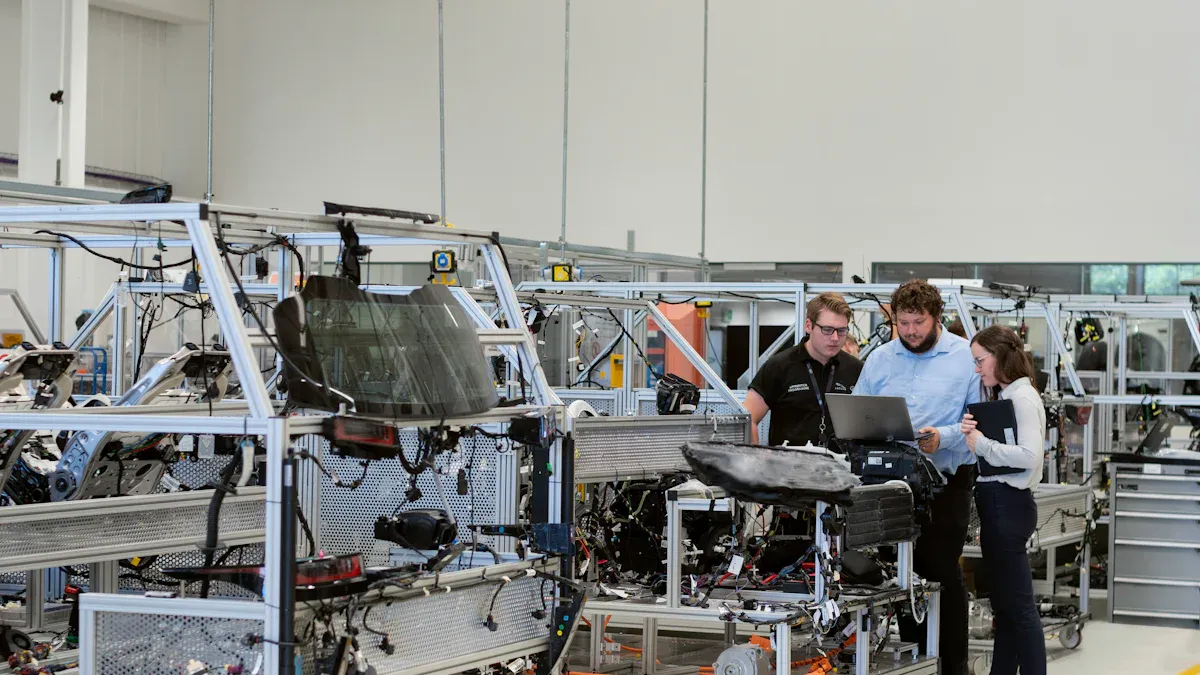
Operators start each day by cleaning the liquid pouch packing machine to remove residue and prevent contamination. They use food-grade cleaning agents and lint-free cloths to wipe down all contact surfaces. The team pays special attention to the filling nozzles, sealing jaws, and conveyor belts. These areas collect liquid and debris during operation. Technicians also flush the system with warm water to clear internal tubing. This process reduces the risk of bacterial growth and ensures product safety.
Tip: Always disconnect the power supply before cleaning any part of the machine.
Visual Inspection Checklist
A thorough visual inspection helps operators spot potential problems early. The following checklist guides the daily inspection:
- Check for leaks around the filling station.
- Inspect sealing jaws for residue or wear.
- Confirm that sensors and controls display correct readings.
- Examine belts and rollers for cracks or misalignment.
- Verify that emergency stop buttons function properly.
| Inspection Point | Status | Action Required |
|---|---|---|
| Filling Station | No leaks | None |
| Sealing Jaws | Clean | None |
| Sensors & Controls | Accurate | None |
| Belts & Rollers | Aligned | None |
| Emergency Stop Buttons | Functional | None |
Identifying Common Issues
Operators often encounter recurring issues during daily checks. Leaks in the liquid pouch packing machine usually result from worn gaskets or loose fittings. Inconsistent sealing may indicate residue buildup or misaligned jaws. Faulty sensors can disrupt pouch filling accuracy. Technicians address these problems immediately to prevent downtime. Regular attention to these areas keeps the liquid pouch packing machine running smoothly and maintains high production standards.
Lubrication of Moving Parts in Liquid Pouch Packing Machine
Lubrication Schedule
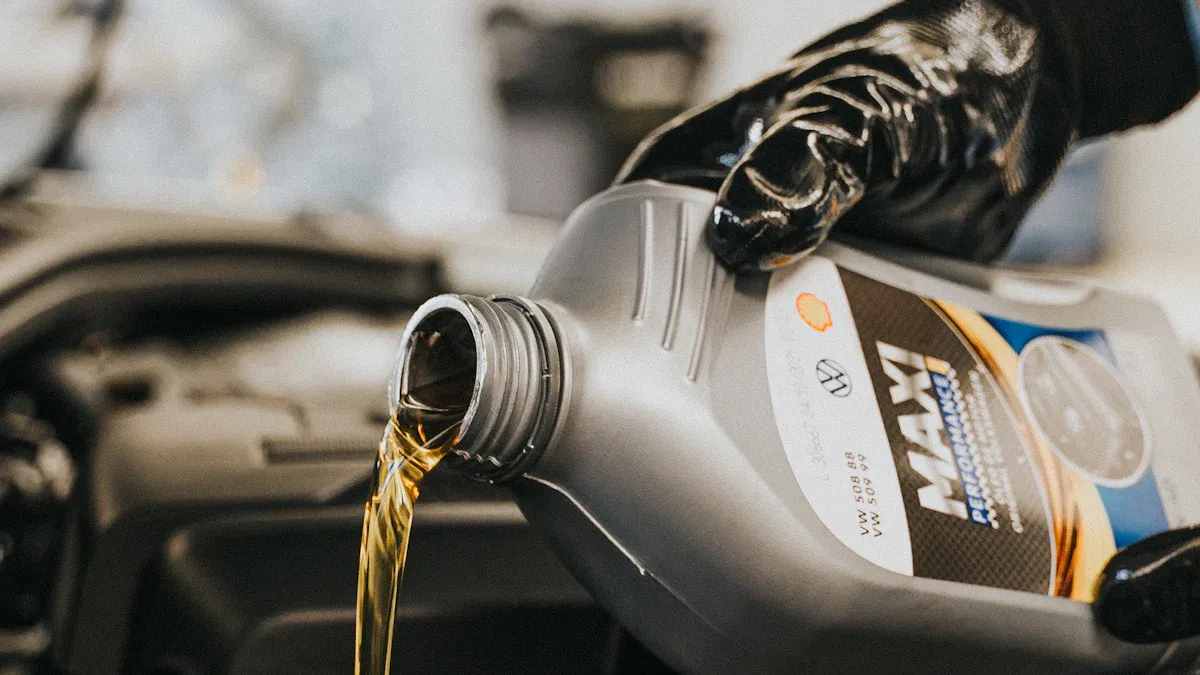
Technicians follow a strict lubrication schedule to maintain optimal performance. They inspect moving parts such as gears, bearings, and chains every week. Monthly checks include the drive assembly and conveyor rollers. Some manufacturers recommend daily lubrication for high-speed machines. Operators record each lubrication activity in a maintenance log. This record helps track service intervals and prevents missed tasks.
Note: Regular lubrication reduces friction, prevents overheating, and extends the lifespan of critical components.
Recommended Lubricants
Selecting the right lubricant ensures smooth operation. Most liquid pouch packing machines require food-grade lubricants to avoid contamination. Technicians use synthetic oils for gears and bearings. Chains and rollers often need semi-fluid greases. The table below lists common lubricants and their applications:
| Component | Lubricant Type | Application Frequency |
|---|---|---|
| Gears | Synthetic Oil | Weekly |
| Bearings | Food-Grade Grease | Weekly |
| Chains | Semi-Fluid Grease | Daily |
| Conveyor Rollers | Synthetic Oil | Monthly |
Application Techniques
Proper application techniques maximize the effectiveness of lubrication. Technicians clean each part before applying lubricant. They use brushes or spray applicators for even coverage. Over-lubrication can attract dust and cause buildup, so operators apply only the recommended amount. After lubrication, they run the liquid pouch packing machine briefly to distribute the lubricant. This step ensures all moving parts receive adequate protection.
🛠️ Tip: Always wear gloves and safety glasses when handling lubricants.
Timely Replacement of Worn Components in Liquid Pouch Packing Machine
Recognizing Wear and Tear
Technicians monitor each part of the machine for signs of deterioration. They observe changes in performance, such as slower operation or unusual noises. Visual checks reveal cracks, discoloration, or deformation in components. Operators notice increased friction or resistance in moving parts. A checklist helps staff identify common symptoms of wear:
- Unusual vibration during operation
- Frequent jams or misfeeds
- Reduced sealing quality
- Leaks around gaskets and fittings
Alert: Ignoring early signs of wear can lead to unexpected breakdowns and costly repairs.
Replacement Protocols
Staff follow strict protocols when replacing worn components. They shut down the machine and disconnect the power supply before starting any work. Technicians use manufacturer-approved parts to maintain safety and efficiency. Each step in the replacement process appears in the maintenance manual. The table below outlines a sample protocol for replacing a sealing jaw:
| Step | Action | Safety Measure |
|---|---|---|
| 1 | Power off machine | Lockout/tagout |
| 2 | Remove old jaw | Wear gloves |
| 3 | Clean mounting area | Use lint-free cloth |
| 4 | Install new jaw | Check alignment |
| 5 | Test operation | Observe performance |
Operators document every replacement in the maintenance log. This record supports future troubleshooting and ensures compliance with industry standards.
Inventory Management for Spare Parts
Efficient inventory management prevents delays in repairs. Staff organize spare parts by type and usage frequency. They track stock levels using digital inventory systems. Regular audits help identify shortages before they affect production. A well-maintained inventory includes essential items such as gaskets, belts, sensors, and sealing jaws. Technicians set reorder points for critical components. This approach keeps the liquid pouch packing machine running smoothly and minimizes downtime.
🛠️ Tip: Store spare parts in a clean, dry area to prevent damage and contamination.
Machine Calibration for Accuracy in Liquid Pouch Packing Machine
Calibration Steps
Technicians calibrate the machine to ensure precise pouch filling and sealing. They begin by powering off the equipment and disconnecting the main supply. The operator sets the machine to manual mode. He adjusts the filling volume using the control panel, referencing the manufacturer's specifications. Next, he tests the sealing temperature and pressure, making small changes until the readings match the required standards. The technician runs a sample batch and measures the pouch weight and seal integrity. If the results fall outside the acceptable range, he repeats the adjustments. Each calibration step appears in the maintenance log for future reference.
⚡ Tip: Always use sample pouches from the same production lot to maintain consistency during calibration.
Tools and Equipment Needed
Calibration requires specialized tools. Technicians use digital calipers to measure pouch dimensions. They rely on precision scales for accurate weight checks. The team uses infrared thermometers to verify sealing jaw temperatures. A multimeter helps test electrical outputs from sensors and controls. The following table lists essential calibration tools:
| Tool | Purpose |
|---|---|
| Digital Caliper | Measure pouch size |
| Precision Scale | Check pouch weight |
| Infrared Thermometer | Test sealing temperature |
| Multimeter | Inspect sensor outputs |
Operators keep these tools in a dedicated calibration kit. Regular tool checks ensure accuracy and reliability.
Frequency of Calibration
Routine calibration maintains the performance of the liquid pouch packing machine. Most manufacturers recommend weekly calibration for high-volume production. Technicians perform additional checks after major repairs or part replacements. Seasonal changes in temperature or humidity may also require more frequent calibration. Operators schedule calibration tasks using a digital maintenance calendar. This approach prevents errors and supports consistent product quality.
🕒 Note: Frequent calibration reduces product waste and improves customer satisfaction.
Electrical System Checks for Liquid Pouch Packing Machine
Inspecting Wiring and Connections
Technicians begin each electrical check by turning off the main power supply. They examine all wiring for signs of wear, such as fraying or discoloration. Loose connections can cause intermittent faults or even machine shutdowns. Staff look for secure terminals and tight cable fittings. They use a flashlight to inspect hard-to-see areas behind panels and inside control boxes. If they find damaged wires, they replace them immediately. Routine checks help prevent unexpected failures and keep the liquid pouch packing machine running safely.
⚡ Tip: Always use insulated tools when working near electrical components.
Testing Sensors and Controls
Sensors and control systems play a critical role in machine accuracy. Operators test each sensor by triggering it manually and watching for correct responses on the control panel. They verify that emergency stop switches and safety interlocks work as intended. If a sensor gives false readings, technicians clean it or replace it. They also check the calibration of temperature and level sensors. A simple table helps track sensor status:
| Sensor Type | Test Result | Action Needed |
|---|---|---|
| Level Sensor | Pass | None |
| Temperature Sensor | Fail | Replace |
| Emergency Stop | Pass | None |
Preventing Electrical Hazards
Safety remains the top priority during electrical maintenance. Staff wear rubber-soled shoes and avoid working in wet conditions. They post warning signs when servicing electrical panels. Operators never bypass safety devices or modify wiring without approval. Regular training keeps everyone aware of the latest safety standards. By following these steps, teams reduce the risk of shocks, fires, and costly downtime.
🛑 Alert: Report any burning smells or unusual heat from electrical parts immediately.
Ongoing Operator Training for Liquid Pouch Packing Machine
Training Programs
Operators need structured training to handle modern equipment. Companies design training programs that cover both basic and advanced machine functions. These programs often include hands-on sessions, classroom instruction, and digital modules. Trainers demonstrate how to set up, operate, and troubleshoot the liquid pouch packing machine. They also explain safety protocols and emergency procedures. Many organizations schedule refresher courses every quarter to reinforce key skills.
📚 Tip: Training programs that combine theory with practical exercises help operators retain knowledge longer.
A typical training curriculum may include:
- Machine start-up and shutdown procedures
- Cleaning and sanitation steps
- Routine maintenance tasks
- Identifying and reporting faults
- Safety and emergency response
Skill Assessment
Regular skill assessments ensure operators maintain high standards. Supervisors use written tests, observation, and practical demonstrations to evaluate performance. They check if operators follow standard operating procedures and respond correctly to simulated faults. Assessment results help identify areas for improvement and guide future training sessions.
| Assessment Method | Purpose | Frequency |
|---|---|---|
| Written Test | Check theoretical knowledge | Biannually |
| Practical Demo | Evaluate hands-on skills | Quarterly |
| Observation | Monitor daily performance | Ongoing |
Operators who score well often receive recognition or additional responsibilities. Those who need improvement get targeted coaching.
Updating Procedures for 2025
Technology and regulations change quickly. Companies must update procedures to match new standards in 2025. Managers review manufacturer updates, industry guidelines, and safety regulations each year. They revise training materials and operating manuals to reflect these changes. Operators attend update sessions to learn about new features, software upgrades, or revised safety rules. This approach keeps the team prepared for any changes in the liquid pouch packing machine’s operation.
🔄 Note: Keeping procedures current reduces errors and supports compliance with industry standards.
Best Practices for Preventive Maintenance of Liquid Pouch Packing Machine
Maintenance Logs
Maintenance logs help teams track every service activity. Operators record each inspection, cleaning, lubrication, and part replacement. These logs create a clear history for every machine. Managers use this information to spot recurring issues and plan future maintenance. A well-kept log includes the date, task performed, technician’s name, and any observations. Digital logs offer quick access and easy updates. Teams can use a simple table to organize entries:
| Date | Task | Technician | Notes |
|---|---|---|---|
| 2025-03-01 | Lubrication | J. Smith | No issues found |
| 2025-03-02 | Seal check | A. Patel | Minor wear detected |
📋 Tip: Review maintenance logs weekly to catch patterns and prevent small problems from growing.
Scheduling Preventive Tasks
A clear schedule keeps preventive maintenance on track. Teams set regular intervals for each task, such as daily cleaning or monthly calibration. Managers use digital calendars or maintenance software to send reminders. This approach reduces the risk of missed tasks. Operators can follow a checklist to stay organized:
- Daily: Clean and inspect machine
- Weekly: Lubricate moving parts
- Monthly: Calibrate sensors and check belts
- Quarterly: Review electrical systems
⏰ Note: Consistent scheduling helps extend the life of the liquid pouch packing machine.
Continuous Improvement Strategies
Continuous improvement ensures maintenance practices evolve. Teams hold regular meetings to discuss recent issues and share solutions. Operators suggest changes based on their daily experience. Managers review performance data to find areas for improvement. They update procedures when new technology or regulations appear. This process keeps the maintenance program effective and up to date.
- Encourage feedback from all staff
- Analyze machine performance data
- Update training and procedures as needed
💡 Alert: Small changes in routine can lead to big gains in reliability and efficiency.
- Technicians who follow daily cleaning routines, lubrication schedules, and timely part replacements keep machines running efficiently.
- Operators who calibrate equipment and check electrical systems maintain product quality.
- Managers who invest in training and preventive maintenance build reliable production lines.
Regular, structured maintenance supports long-term performance. Teams who implement these steps reduce downtime and protect their investment in liquid pouch packing machines.
FAQ
How often should technicians calibrate a liquid pouch packing machine?
Most manufacturers recommend weekly calibration for high-volume production. Technicians also perform calibration after major repairs or part replacements. Regular calibration ensures accurate filling and sealing.
What type of lubricant works best for food-contact components?
Technicians use food-grade synthetic oils or greases for gears, bearings, and chains. These lubricants prevent contamination and meet industry safety standards. Always check manufacturer recommendations before applying any lubricant.
Which spare parts should operators keep in inventory?
Operators maintain stock of gaskets, belts, sensors, and sealing jaws. A digital inventory system helps track usage and reorder points. Quick access to these parts reduces downtime during repairs.
What safety gear must technicians wear during maintenance?
Technicians wear gloves, safety glasses, and rubber-soled shoes. These items protect against chemical exposure, sharp edges, and electrical hazards. Safety gear remains essential for every maintenance task.
Can operators perform basic maintenance without technical training?
Operators handle daily cleaning and visual inspections after completing structured training. Advanced tasks, such as calibration or electrical checks, require specialized skills and supervision from certified technicians.
See Also
Innovative Folder Gluer Trends for Carton Production in 2025
Essential Capsule Checkweighers for Buyers in 2025
Enhancing Pharma Efficiency with Advanced Capsule Decapsulation Machines