Don't Buy a New Energy Vehicle Until You Read This
The new energy vehicle market is growing fast. Its value may reach USD 2,197.81 billion by 2030. This growth shows a big shift in how people drive. These cars use different power sources. Some run only on electricity. Others mix electricity and gas. Understanding each type helps buyers make smart choices.
| Metric | 2025 Projection | 2030 Projection |
|---|---|---|
| Revenue (Plug-in Hybrid Electric Vehicles) | US$337.4 billion | US$317.2 billion |
| Unit Sales (Plug-in Hybrid Electric Vehicles) | N/A | 4.43 million vehicles |
| Volume Weighted Average Price (PHEVs) | US$70.1k | N/A |
| Leading Revenue Generator (2025) | China (US$215 billion) | N/A |
Key Takeaways
- Match your vehicle choice to your daily driving needs. BEVs suit predictable commutes with home charging. PHEVs offer flexibility for mixed driving. HEVs improve fuel economy without needing to plug in.
- Consider charging access and costs. BEVs and PHEVs need charging. Home chargers are best. HEVs do not need external charging. Look at the total cost, including insurance and registration fees.
- Understand the pros and cons of each type. BEVs have zero emissions but range limits. PHEVs offer electric driving with a gas engine backup. HEVs save fuel but still use gas.
Battery Electric Vehicles (BEVs)
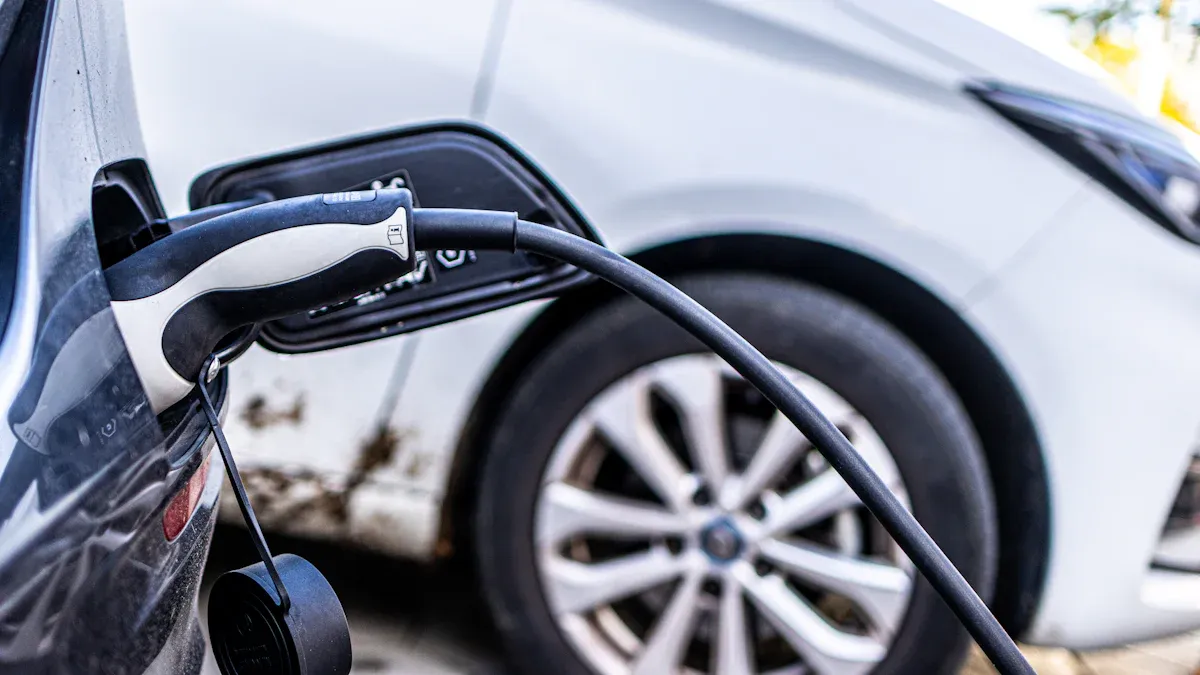
Battery Electric Vehicles, or BEVs, represent the purest form of electric driving. They run entirely on electricity stored in a large battery pack. This means they produce zero tailpipe emissions.
How BEVs Work
A BEV's powertrain is simpler than a gasoline car's engine. It uses several key parts to move the vehicle.
- Battery Pack: This stores electrical energy to power the car.
- Electric Motor: It converts electricity into motion to turn the wheels.
- Converters: These change electricity between DC and AC to power the motor and accessories like lights and wipers.
- On-board Charger: This system manages how the battery receives power from an external source.
Pros of BEVs
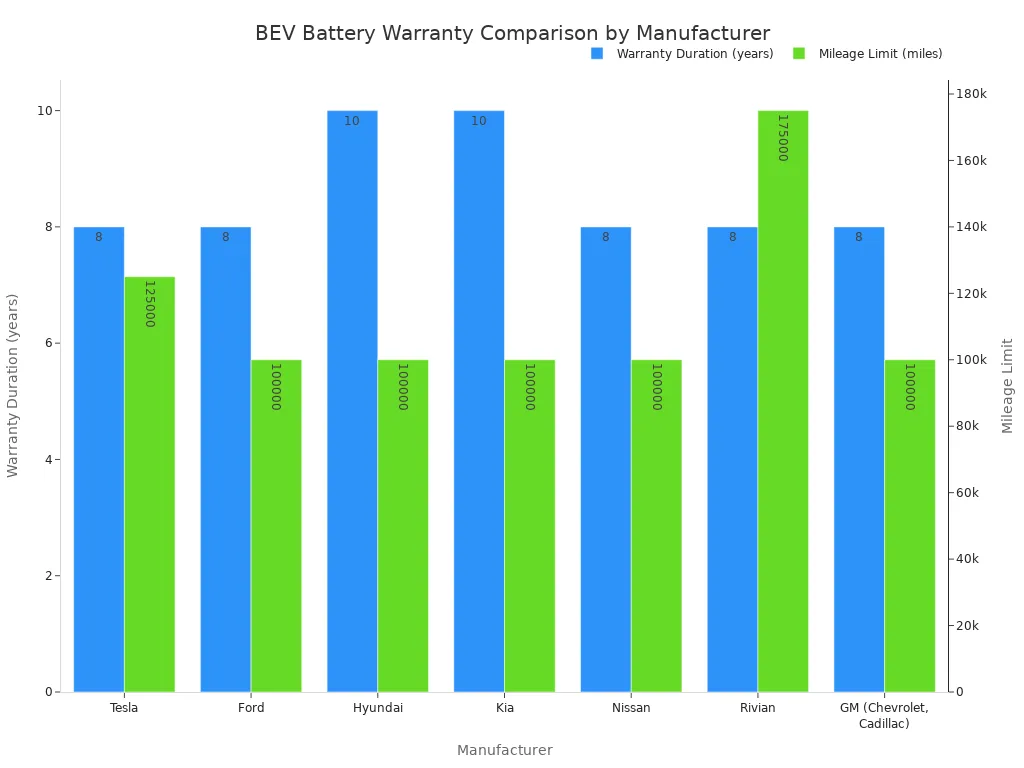
BEVs offer a quiet, smooth ride with instant acceleration. They require less maintenance because they have fewer moving parts. Owners also benefit from strong manufacturer support. Most brands provide battery warranties covering at least eight years and 100,000 miles.
Cons of BEVs
The main challenges for BEVs are range and charging. Extreme weather can significantly reduce driving range. For example, very hot weather can decrease range by over 20% due to the energy needed for cooling. Charging a BEV can take a long time. A standard home outlet might take over 40 hours for a full charge. Battery replacement costs are also a concern. A new battery outside of warranty can cost between $5,000 and $16,000.
Who Should Buy a BEV?
A BEV is a great choice for drivers with a predictable daily commute. They should have reliable access to home charging, preferably a Level 2 charger. These owners value zero emissions and lower running costs. They are comfortable planning for longer trips around charging station availability.
Plug-in Hybrid Electric Vehicles (PHEVs)
Plug-in Hybrid Electric Vehicles, or PHEVs, offer a bridge between gasoline and all-electric cars. They combine a gas engine with an electric motor and a battery. This setup gives drivers flexibility for different types of trips.
How PHEVs Work
PHEVs use a larger battery than a standard hybrid. Owners can charge this battery by plugging it into an external power source. The vehicle’s design prioritizes using electric power first. It can run solely on electricity for a significant distance. The gasoline engine only engages when the battery runs out or when the driver needs extra power. This system allows drivers to reduce their reliance on gasoline for daily trips.
Pros of PHEVs
The main advantage of a PHEV is its versatility. Drivers can handle most daily commutes using only electricity, with typical all-electric ranges between 15 and 60 miles. This means zero tailpipe emissions for shorter trips. For longer journeys, the gasoline engine eliminates range anxiety. Owners get the quiet, instant torque of an EV for city driving and the reliable convenience of a gas car for road trips.
Cons of PHEVs
PHEVs have an intricate powertrain. This complexity can lead to higher maintenance costs compared to other vehicles. The system has more components that may need service from specialized technicians. Over time, the battery pack will degrade, reducing the electric-only driving range.
Note: A PHEV's efficiency depends on charging. If a driver never plugs it in, its fuel economy can be worse than a standard hybrid. For example, a Hyundai Tucson PHEV gets 4 fewer miles per gallon than its hybrid version when running on an empty battery.
Who Should Buy a PHEV?
A PHEV is an excellent option for drivers who want to experience electric driving without committing to a fully electric vehicle. They are perfect for people with shorter daily commutes who can charge at home. These owners want the flexibility of a gasoline engine for spontaneous long-distance travel, making it a practical, all-in-one solution.
Hybrid Electric Vehicles (HEVs)
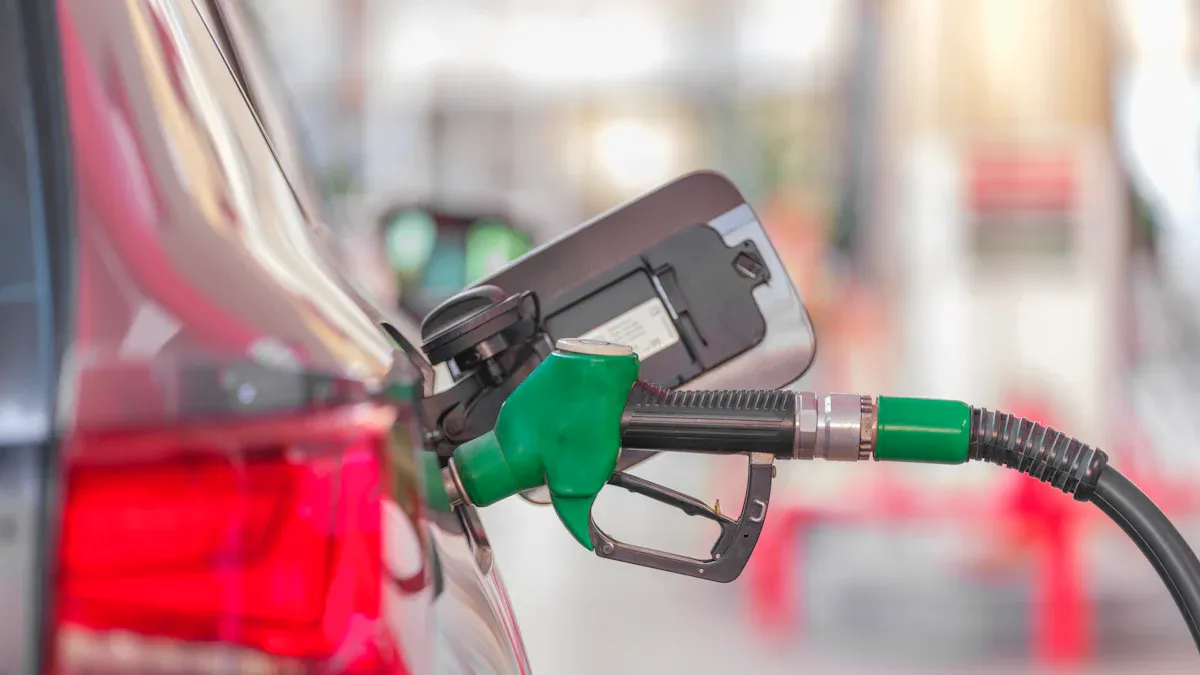
Hybrid Electric Vehicles, or HEVs, were the first mainstream step into electrified driving. They pair a gasoline engine with an electric motor to improve fuel efficiency. These cars do not need to be plugged in. They create their own electricity while you drive.
How HEVs Work
An HEV intelligently switches between its gas engine and electric motor. The car's computer decides which power source is most efficient for the current driving condition. A key feature is regenerative braking, which recharges the battery.
How Regenerative Braking Works 💡 The system captures energy when the car slows down. The electric motor runs in reverse, acting like a generator. It converts the car's kinetic energy into electricity and sends it back to the battery pack for later use.
Pros of HEVs
HEVs offer significant fuel savings without requiring any change in a driver's habits. Owners refuel at a gas station just like a conventional car. There is no need to install a home charger or worry about finding a public charging station. They provide a simple, effective way to reduce fuel consumption and lower emissions.
Cons of HEVs
The primary long-term cost for an HEV is the eventual battery replacement. Most hybrid batteries last between 100,000 and 200,000 miles. When the battery does need replacement outside of its warranty, the cost can range from $1,000 to $6,000, depending on the vehicle model.
Who Should Buy an HEV?
An HEV is the perfect choice for drivers seeking better gas mileage without the lifestyle change of plugging in. They are especially practical for high-mileage drivers who want to reduce their fuel costs. For many buyers, the first-year fuel savings are greater than any increase in their monthly car payment, making it a smart financial decision from the start.
Key Factors to Consider Before Choosing a New Energy Vehicle
Choosing the right new energy vehicle requires a careful look at personal needs. A buyer's lifestyle, budget, and access to charging all play a major role. Thinking about these factors helps a person find the best fit.
Your Daily Commute and Driving Habits
A person's daily driving routine is a key factor. BEVs are very efficient in city driving. The frequent stops allow regenerative braking to recharge the battery. Highway driving, however, uses more energy to fight wind resistance at high speeds. PHEVs and HEVs offer more flexibility for drivers with mixed or unpredictable routes.
Home and Public Charging Access
Access to charging is crucial for BEV and PHEV owners.
- Home Charging: Installing a Level 2 home charger is ideal. The installation cost usually ranges from $800 to $2,500. This provides convenient overnight charging.
- Public Charging: The U.S. has nearly 50,000 public DC fast chargers. These are often found along busy highways. States like California have many chargers, while some central states have fewer.
Purchase Price and Long-Term Costs
The total cost of a new energy vehicle goes beyond the sticker price. Federal tax credits can lower the initial purchase cost for some models. However, buyers should also consider long-term expenses.
Insurance for EVs can be slightly higher due to repair costs. For example, a Tesla Model 3 might cost $470 more per year to insure than a comparable gas car. Additionally, 33 states have extra registration fees for EVs, some over $200 annually.
Understanding Range Anxiety
Range anxiety is the fear of running out of power. This is a common concern for new EV drivers. It is mostly a psychological issue, similar to how gas car drivers manage their fuel levels. New technology helps reduce this worry. Ultra-fast chargers can add significant range in under an hour. Better in-car navigation that shows charging stations also gives drivers more confidence on the road. Making the choice of a new energy vehicle depends on these personal factors.
Quick Comparison: BEV vs. PHEV vs. HEV
Choosing a new energy vehicle can be confusing. This quick guide breaks down the key differences between the three main types. It helps buyers see how each vehicle type matches up.
Power Source
- BEV: A large battery pack provides all the power. The vehicle runs only on electricity.
- PHEV: A battery and an electric motor work with a gasoline engine. It can use either power source.
- HEV: A gasoline engine is the main power source. An electric motor assists the engine to save fuel.
External Charging Needs
- BEV: Owners must plug in the vehicle to recharge the battery.
- PHEV: Owners need to plug in the vehicle to use its all-electric range.
- HEV: This vehicle never needs to be plugged in. It charges its own battery through driving and braking.
All-Electric Range
- BEV: These cars offer a long all-electric range, typically 200 to 400 miles.
- PHEV: They provide a limited all-electric range, usually between 15 and 60 miles.
- HEV: The vehicle can travel very short distances on electricity alone, often less than a mile at low speeds.
Tailpipe Emissions
- BEV: It produces zero tailpipe emissions.
- PHEV: It has zero emissions in electric mode but creates emissions when the gas engine runs.
- HEV: It always produces some tailpipe emissions from its gasoline engine.
Upfront Cost
- BEV: These vehicles generally have the highest initial purchase price.
- PHEV: Their cost is often in the middle, more than HEVs but less than many BEVs.
- HEV: They are typically the most affordable option among the three types.
Choosing the right new energy vehicle is a personal decision. A buyer's final choice depends on their lifestyle, budget, and charging access.
- BEVs are ideal for drivers with home charging who want a zero-emissions vehicle.
- PHEVs offer a compromise for electric daily driving with a gas backup.
- HEVs are best for better fuel economy without changing habits.
FAQ
How long do EV batteries last?
Most manufacturers offer a battery warranty for at least eight years or 100,000 miles. The battery pack itself often lasts much longer, from 10 to 20 years.
Does cold weather affect an EV's range? 🥶
Yes, cold weather can reduce an EV's driving range. The battery uses extra energy to heat the cabin and maintain its own temperature, which can decrease range.
How much does it cost to charge an EV at home?
The cost varies with local electricity rates. On average, a full charge costs between $10 and $20. This is much cheaper than filling a gasoline tank.