What Are the Main Systems in a Turn-Key Galvanizing Plant?
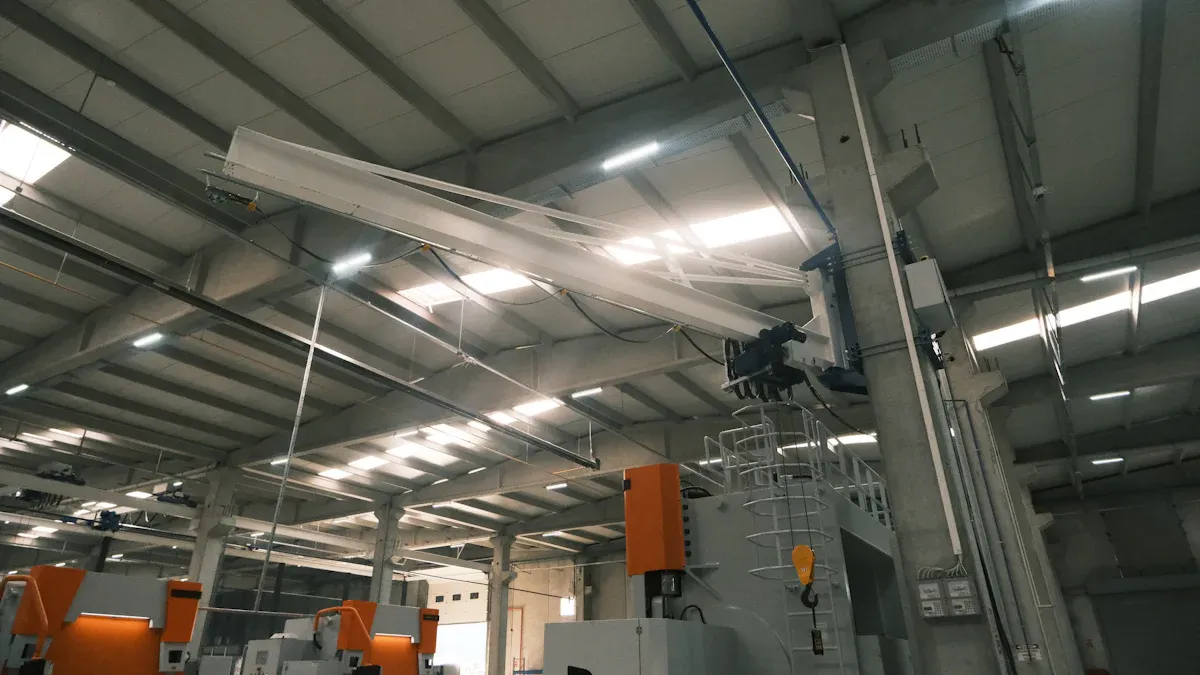
A turn-key galvanizing plant operates with three main systems. These systems work in order to prepare, coat, and finish steel. The process uses specialized tools like Structural Component Galvanizing Equipment and Small Parts Galvanizing lines(Robort). The hot-dipped galvanizing market shows significant growth potential.
| Market Segment | Year | Market Size (USD Billion) | Projected Year | Projected Market Size (USD Billion) |
|---|---|---|---|---|
| Hot-Dipped Galvanizing | 2024 | 88.6 | 2034 | 155.7 |
Key Takeaways
- A galvanizing plant has three main systems: pre-treatment, galvanizing, and post-treatment. These systems work together to clean, coat, and finish steel.
- The pre-treatment system cleans the steel. It removes dirt, grease, and rust. This step helps the zinc stick well to the steel.
- The galvanizing system puts a zinc coating on the steel. The post-treatment system cools the steel and adds a final protective layer. This makes the steel strong and durable.
System 1: The Pre-Treatment System
The Pre-Treatment System is the first and most critical stage in the galvanizing process. Its main job is to prepare a perfectly clean steel surface. A clean surface allows the zinc to form a strong, uniform bond with the steel. This system uses a series of chemical dips to remove all contaminants.
Degreasing Tanks
Degreasing is the initial cleaning step. Steel parts arrive at a plant with surface contaminants like oil, dirt, and grease. Degreasing tanks remove these substances. The tanks contain chemical solutions that break down the grime. Common solutions include:
- Alkaline degreasing solutions
- Acidic degreasing solutions
- High-temperature alkaline degreasers
In North America, many galvanizers use heated sodium hydroxide solutions. Operators typically heat these alkaline tanks to between 80-85 °C (176-185 °F). This temperature improves cleaning effectiveness without the high energy costs of boiling the water.
Rinsing Tanks
After each chemical treatment, the steel moves to a rinsing tank. Rinsing washes away any leftover chemicals from the previous tank. This step prevents contamination of the next bath in the sequence. Proper rinsing is essential for a quality finish.
Industry Standard: According to the SSPC-SP 8 Pickling Standard, rinse water must be clean. The total amount of acid or dissolved salts carried over into the rinse tanks should not exceed two grams per liter.
Acid Pickling Tanks
Next, the steel goes into an acid pickling tank. This tank contains a diluted acid solution, usually hydrochloric acid. The acid's job is to remove rust and mill scale, which are iron oxides on the steel's surface. The pickling process reveals the bare, clean steel underneath, making it ready for the final preparation step.
Fluxing Tanks
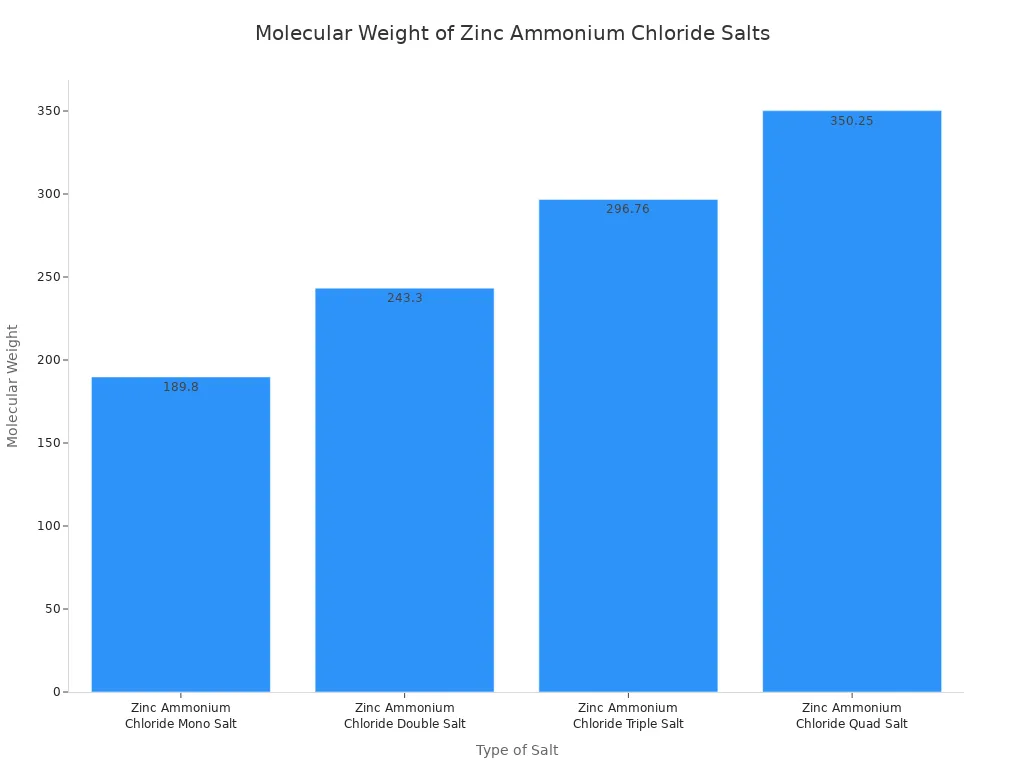
Fluxing is the final step in pre-treatment. The clean steel dips into a flux tank containing a zinc ammonium chloride solution. This solution applies a protective crystalline layer to the steel. This layer does two things: it performs a final micro-cleaning and shields the steel from oxygen in the air. This protective film prevents new rust from forming before the steel enters the hot zinc kettle.
System 2: The Galvanizing System
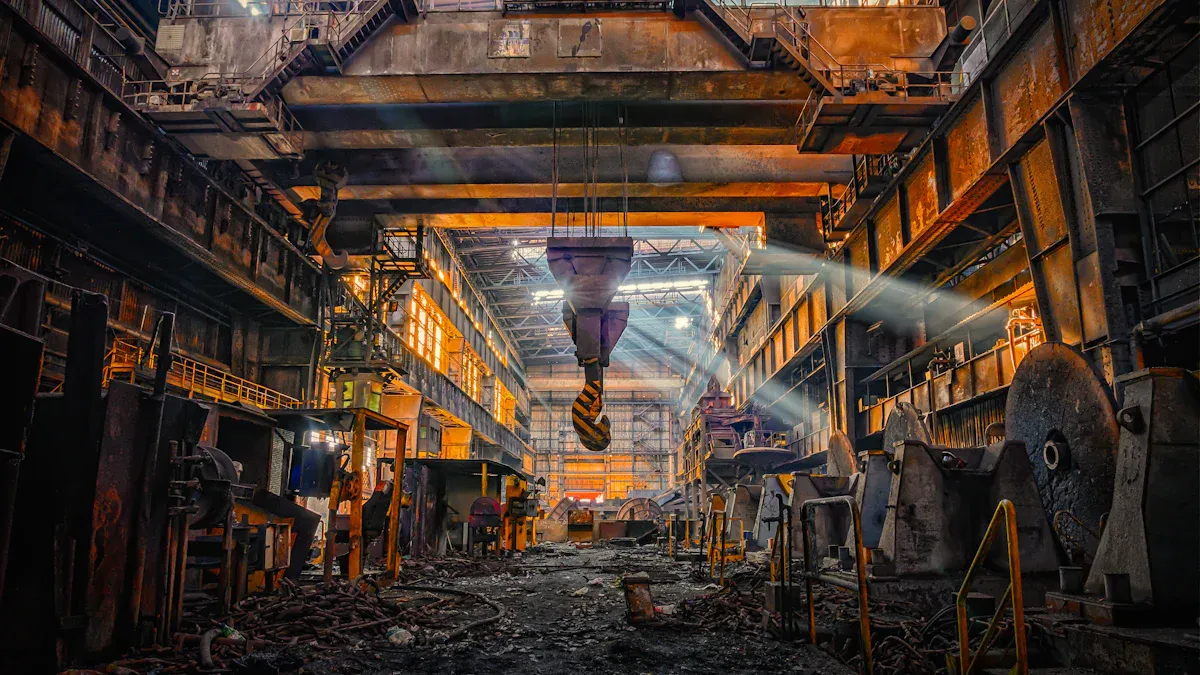
After pre-treatment, the steel moves to the Galvanizing System. This system's purpose is to apply the protective zinc coating. It consists of three main components: a drying oven, a galvanizing furnace, and a zinc kettle. These parts work together to create the metallurgical bond between the steel and zinc.
Drying Oven
The drying oven is the first stop in this system. Its main job is to completely dry the steel after the fluxing stage. Operators typically heat the oven to around 200°C (392°F). This high temperature evaporates all residual moisture. A thorough drying process is essential because it prevents steam explosions in the hot zinc and avoids coating defects like pinholes.
Modern drying ovens incorporate energy-saving designs. These features reduce fuel consumption and improve plant efficiency.
- They can use exhaust gases from the furnace to pre-heat steel.
- They often include heat recovery systems.
- They ensure optimized and uniform heat distribution.
Galvanizing Furnace
The galvanizing furnace provides the intense heat needed to melt the zinc. These powerful units surround the zinc kettle and maintain the molten zinc at a precise temperature. Furnaces use several advanced heating technologies to operate efficiently. Common types include:
- Pulse Fired High-Velocity Burners
- Indirect Heating Furnaces
- Electric Furnaces
Safety First: Furnaces operate at extremely high temperatures, making safety critical. They are built with high-temperature insulation, digital sensors to monitor kettle temperature, and designs that allow for easy inspection of burners and control valves.
Zinc Kettle
The zinc kettle is the large, rectangular container that holds the molten zinc. It sits directly inside the galvanizing furnace, which heats it. The kettle must be incredibly durable to withstand constant high temperatures and the corrosive nature of liquid zinc. For this reason, manufacturers construct kettles from special, low-carbon, low-silicon steel. Some may also have an inner lining of refractory brick for added longevity.
System 3: The Post-Treatment System
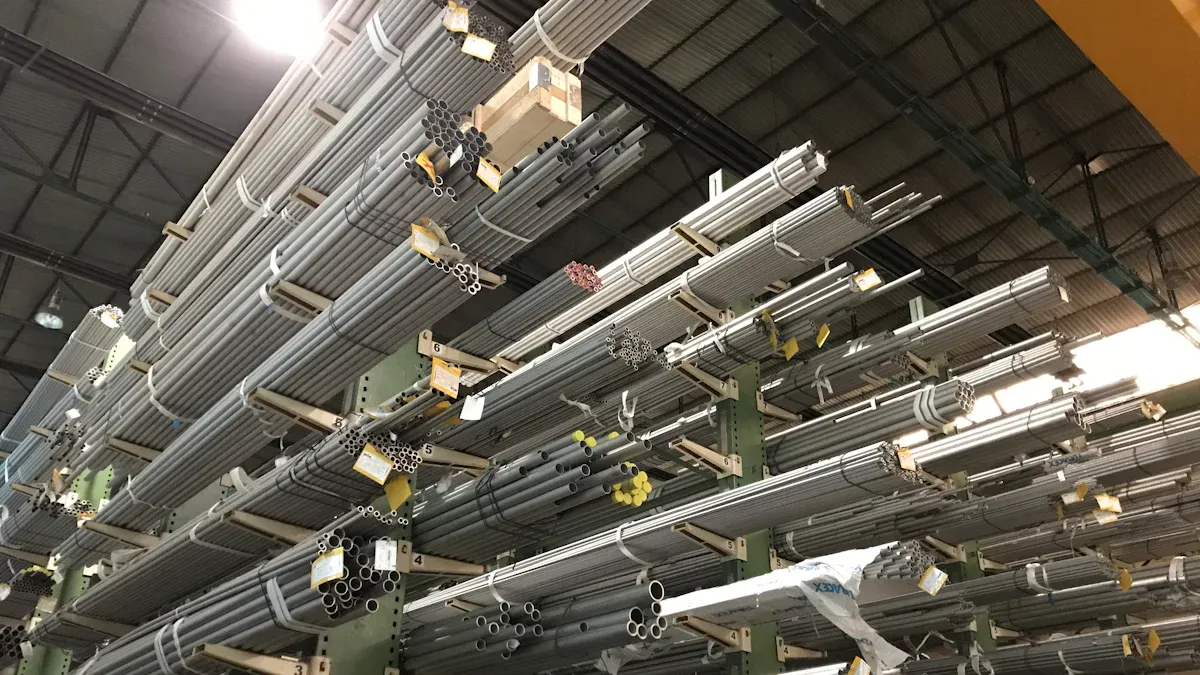
The Post-Treatment System is the final stage in the galvanizing process. Its purpose is to cool the freshly coated steel and apply a final protective layer. This system ensures the product has the desired appearance and long-term durability. The main components are quenching tanks and passivation stations.
Quenching Tanks
After leaving the zinc kettle, the steel is still extremely hot, around 450°C (840°F). Quenching tanks rapidly cool the steel. This quick cooling stops the metallurgical reaction between the zinc and iron. If steel cools slowly in the air, this reaction can continue, causing a dull, mottled finish. Quenching helps maintain a brighter, more uniform appearance. However, some steel designs are not suitable for quenching because the rapid temperature change can cause warping.
Operators use different liquids, or mediums, for quenching based on the desired outcome:
- Water: Provides the fastest cooling but can form removable zinc salts on the surface.
- Oils: Cool the steel less severely than water, which reduces the risk of cracking while improving ductility.
- Molten Salts: Offer a slower, more controlled cooling rate, minimizing distortion.
Passivation and Finishing
Passivation is the final chemical treatment. This process applies a thin, invisible layer to the galvanized surface. This layer protects the new zinc coating from premature oxidation and the formation of "white rust" during storage and transport.
Safety and Environmental Note: Historically, passivation often used agents containing hexavalent chromium (Cr6). However, this chemical is toxic and carcinogenic. Government bodies like the U.S. Occupational Safety and Health Administration (OSHA) strictly regulate its use. Because of these health and environmental concerns, the industry now widely uses safer alternatives, such as trivalent chromium (Cr3+) and chromium-free passivators.
This final step ensures the galvanized product arrives at its destination clean, protected, and ready for use.
Essential Plant-Wide Support Systems
The three main systems in a galvanizing plant rely on essential support systems to operate safely and efficiently. These plant-wide systems handle material movement, specialized coating tasks, and environmental safety. They connect the entire process from start to finish.
Material Handling System
The material handling system moves heavy steel fabrications throughout the facility. Modern galvanizing plants require high-grade cranes and other equipment to manage the workflow. This equipment must handle the weight of the items and withstand high heat and chemical exposure.
- Cranes
- Hoists
- Conveyors
- Lifters
Operators must consider the maximum load capacity of this equipment. For extremely heavy fabrications, it is best practice to consult the galvanizer to ensure their system can handle the weight. This planning prevents delays and ensures safe handling.
Structural Component Galvanizing Equipment
Plants use Structural Component Galvanizing Equipment to achieve a uniform zinc coating on large or complex items. Standard dipping may not be enough for pieces with irregular shapes or internal surfaces. This specialized equipment uses advanced techniques, such as controlled part movement or automated spray systems, to ensure the molten zinc reaches every surface evenly. Using the right Structural Component Galvanizing Equipment is vital for meeting quality standards on items like large beams or intricate assemblies. Proper use of Structural Component Galvanizing Equipment guarantees a consistent and protective finish.
Fume Extraction and Treatment
The galvanizing process creates fumes, particularly from the acid pickling tanks and the hot zinc kettle. A fume extraction and treatment system is critical for worker safety and environmental protection. This system captures harmful vapors at their source, cleans the air through scrubbers or filters, and then safely releases it.
Safety & Environment: Effective fume extraction protects employees from inhaling chemical vapors and prevents the release of pollutants into the atmosphere, ensuring the plant complies with environmental regulations.
A turn-key galvanizing plant integrates three core systems. Pre-treatment cleans steel for zinc adhesion. The galvanizing system applies the coating, and post-treatment finishes the product. Support systems, including Structural Component Galvanizing Equipment, unify the entire process. Modern plants use automation and key performance indicators to improve efficiency and sustainability.
FAQ
What is the purpose of the pre-treatment system?
The pre-treatment system cleans steel surfaces completely. It removes contaminants like oil and rust. This preparation ensures the zinc coating bonds strongly and uniformly to the steel.
Why is the drying oven important?
The drying oven removes all moisture from the steel before it enters the zinc kettle. This step prevents dangerous steam explosions and ensures a smooth, high-quality zinc finish.
See Also
Essential Industrial Checkweighing Machines for Optimal Food Plant Operations
Navigating Semi-Welded Plate Heat Exchangers: An Industrial Application Guide for 2025
Achieving Consistent Performance: Steel Processing in Heat Exchange Applications
Understanding Plate Heat Exchangers: A Comprehensive Operational Guide
Innovative Troubleshooting Methods for Sulfur Recovery Catalyst Issues