Why Molecular Weight Matters: Low-MW Plant Peptides & Faster Recovery
Molecular weight plays a key role in how the body absorbs and uses plant peptides. A low molecular weight plant peptide moves quickly through the digestive system and enters the bloodstream faster. This means the body can use these nutrients right when they are needed most. For example, a recent clinical study showed that healthy adults who took a daily dose of plant peptides recovered muscle strength 144% faster and felt 47% less muscle fatigue.
Quick Facts Table:
Study Type
Participants
Intervention
Results
Randomized, double-blind, placebo-controlled
30 healthy males (ages 30–45)
PeptiStrong™ (2.4 g per day) for 17 days
144% faster muscle recovery, 54% improved athletic performance recovery, 47% reduced muscular fatigue
Key Takeaways
Low molecular weight plant peptides absorb quickly, helping your body recover faster after exercise.
Using low-MW peptides can reduce muscle fatigue by up to 47%, making workouts more effective.
Look for plant peptide supplements with a molecular weight between 1,000 and 3,000 Daltons for optimal results.
These peptides support not just muscle recovery, but also gut health and immune function.
Choosing clean-label, plant-based peptides can enhance your nutrition while being environmentally friendly.
What Are Low Molecular Weight Plant Peptides?
Understanding Molecular Weight
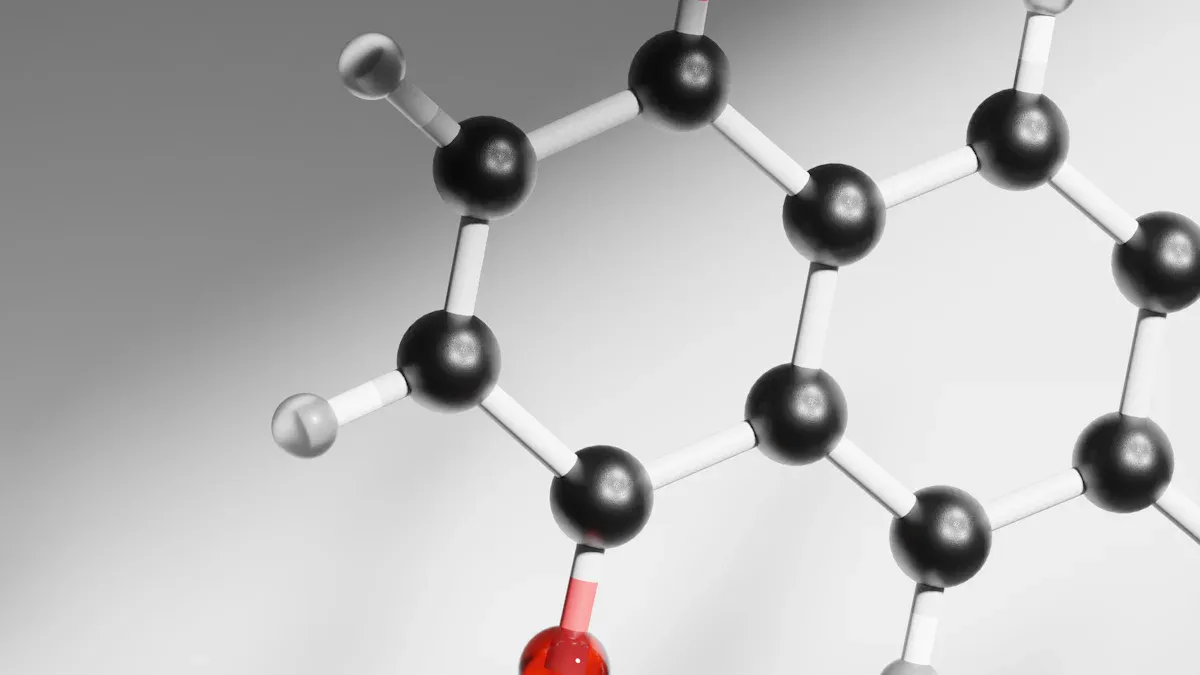
A low molecular weight plant peptide is a protein fragment with a size between 1,000 and 3,000 Daltons (Da). Scientists measure molecular weight to understand how big or small a molecule is. Smaller molecules, like small-molecule peptides, move through the digestive system more easily. The body absorbs them faster than larger proteins. This quick absorption helps muscles recover after exercise. Small-molecule peptides are easier for the body to use because they do not need to be broken down as much.
Did you know?
Small-molecule peptides with a molecular weight between 500 and 3,000 Da are classified as low molecular weight plant peptides. These tiny molecules can reach the bloodstream quickly and support faster recovery.
Small-molecule peptides are important for nutrition. Their size allows them to deliver amino acids to cells rapidly. This is why low molecular weight plant peptide supplements are popular among athletes and people who want to improve their health.
How Small-Molecule Peptides Are Made
Small-molecule peptides come from plants like pea, soy, rice, wheat, corn, and walnut. Manufacturers use a process called enzymatic hydrolysis. This process breaks down large proteins into small-molecule peptides. Beyond Biopharma’s Plant Protein Peptide is a great example. It uses controlled hydrolysis to create low molecular weight plant peptide products that are easy to absorb.
Small-molecule peptides are produced using advanced methods:
Peptide synthesis uses special reagents to link amino acids. Sometimes, hydrophobic peptides are hard to dissolve, so scientists use surfactants or chaotropic agents.
Analytical methods like HPLC and MS help check purity and molecular weight. These tools make sure small-molecule peptides meet quality standards.
Purification often uses RP-HPLC. New techniques, such as non-polar resins and cleavable tags, improve the process.
Plant sources for small-molecule peptides offer environmental benefits:
Sourcing plant proteins reduces greenhouse gas emissions compared to animal proteins.
Using by-products from plant processing supports sustainable development.
Switching to plant-based proteins helps protect the environment and addresses ethical concerns.
Beyond Biopharma’s Plant Protein Peptide is made from 100% plant-based ingredients. It is non-GMO and allergen-conscious. Small-molecule peptides from this product are vegan-friendly and support clean-label nutrition. These peptides dissolve well and have a neutral taste, making them easy to add to drinks and snacks.
Small-molecule peptides are changing the way people recover after exercise. Their low molecular weight makes them a smart choice for anyone seeking faster results and better nutrition.
Peptides and Bioavailability
Absorption in the Body
Peptides are short chains of amino acids that play a key role in nutrition and recovery. The body absorbs peptides through the digestive system. The process of absorption depends on the size of the peptide. Small peptides, especially those with low molecular weight, move quickly through the gut wall. They use special transporters, such as PEPT1, to enter the bloodstream. This means the body can use these nutrients almost right away.
The absorption of peptides is important for bioavailability. Bioavailability describes how much of a nutrient the body can use after digestion. When peptides have a low molecular weight, they are absorbed more efficiently. This leads to higher bioavailability and faster effects. The body does not need to break down these peptides as much, so they reach muscles and tissues quickly.
Note:
Peptides under 1,000 Daltons, especially dipeptides and tripeptides, are absorbed faster and more completely than larger proteins. This makes them ideal for people who need quick nutrition, such as athletes or those recovering from exercise.
The table below shows how molecular weight affects peptide absorption and bioavailability:
Evidence Description | Key Points |
|---|---|
Small-molecule peptides are short chains of amino acids, usually dipeptides or tripeptides, with a molecular weight under 1,000 Daltons. | Their small size allows for faster and more efficient absorption in the digestive system compared to larger proteins or polypeptides. |
Peptides under 1,000 Da, especially those below 500 Da, are absorbed more efficiently via intestinal peptide transporters like PEPT1. | This leads to higher bioavailability and quicker physiological responses. |
The body’s ability to absorb peptides is tightly linked to their molecular weight. | Peptide transporters in the intestinal epithelium — mainly PEPT1 — are designed to recognize di- and tri-peptides, making small-molecule peptides more efficiently absorbed than larger ones. |
Smaller peptides also bypass some digestive degradation, enter circulation faster, and exhibit more targeted functionality. | These qualities make them ideal for applications where rapid action or high absorption is essential — such as in skin health, athletic recovery, metabolic support, and immune modulation. |
Low-MW vs. High-MW Peptides
The difference between low molecular weight peptides and high molecular weight peptides is clear when looking at absorption rates. Low-MW peptides use both diffusion and active transport to move through the gut wall. This gives them a higher absorption efficiency. High-MW peptides, on the other hand, move more slowly and are not absorbed as well.
Type of Peptide | Absorption Mechanism | Efficiency Comparison |
|---|---|---|
Small Molecular Peptides | Diffusion and active transport | Higher absorption efficiency due to rapid diffusion and transport throughout the root system |
High Molecular Peptides | Slower diffusion and active transport rates | Lower absorption efficiency, mainly occurring in the interstitial region of roots |
Peptide absorption is faster and more complete with low-MW peptides. This means the body gets the benefits of these nutrients sooner. For athletes and active people, this can make a big difference. Quick absorption leads to immediate nutrient delivery into the bloodstream. Muscles get the amino acids they need for repair and growth right after exercise.
The benefits of increased bioavailability for sports recovery and nutrition include:
Immediate nutrient delivery for quick effects
Faster hydration after intense exercise
Rapid muscle tissue repair and toxin removal
Less downtime between workouts
Reduced muscle soreness and increased energy levels
Peptides with high bioavailability help athletes recover faster. They also support anyone who wants to improve their nutrition. Oral supplements with low-MW peptides are easy to digest and absorb. This makes them a smart choice for people who want to see results quickly.
Peptides are not only for athletes. They help with metabolic support, immune health, and even skin health. The body uses peptides in many ways, and their small size means they work fast. Choosing low-MW peptides ensures high bioavailability and efficient absorption.
Faster Recovery with Low-MW Peptides
Muscle and Tissue Repair
Muscle and tissue repair is a complex process that happens after exercise or injury. The body needs building blocks to fix damaged cells and tissues. Peptides play a key role in this process. Low molecular weight peptides move quickly into the bloodstream. They reach muscles and tissues faster than larger proteins. This speed helps the body start repair right away.
Low molecular weight peptides support muscle repair in several ways. They help improve blood flow to injured areas. Better blood flow brings more oxygen and nutrients to muscles. This helps cells heal faster. Peptides also activate fibroblasts. These cells make collagen, which is important for strong muscles and skin. Collagen helps tissues stay flexible and strong. Peptides can balance inflammation. They reduce swelling but still allow the body to heal.
Here is a table showing how peptides help with muscle and tissue repair:
Mechanism | Description |
|---|---|
Improved Blood Flow | Peptides stimulate new blood vessel formation, bringing nutrients and oxygen to healing tissues. |
Accelerated Tissue Regeneration | Peptides activate fibroblasts, which boost collagen production and help cells move to injury sites. |
Balanced Inflammation Control | Peptides regulate inflammation, reducing swelling and supporting the repair process. |
Peptides also help control infection and support the immune system. Some peptides, called antimicrobial peptides, protect the body from harmful bacteria. They also help the body make new cells and repair wounds. Peptides improve outcomes in both chronic and acute wounds. They help the body rebuild the extracellular matrix, which is the structure that holds cells together. Their low immunogenicity means they are less likely to cause unwanted immune reactions.
Research shows that bioactive peptides can reduce inflammation. This is important for athletes and anyone who wants to recover quickly. Less inflammation means less pain and swelling. It also means faster healing. Studies have found that taking hydrolyzed peptides after exercise can increase muscle strength and fat-free mass. These results show that peptides are effective for muscle growth and repair.
Beyond Biopharma’s Plant Protein Peptide is a clean-label, vegan-friendly option for those who want to support muscle and tissue repair. It contains low molecular weight peptides from plant sources. The product is non-GMO and allergen-conscious. It dissolves easily in drinks and has a neutral taste. This makes it a good choice for people who want functional nutrition without added ingredients.
Benefits for Active Lifestyles
Active people need quick and effective recovery. Peptides help meet this need. Low molecular weight peptides are absorbed fast. They deliver amino acids to muscles right after exercise. This supports athletic recovery and helps reduce downtime between workouts.
Peptides offer many health benefits for people with active lifestyles. They support joint health, muscle recovery, and gut lining repair. Some peptides, like BCAAs, help muscles grow and reduce muscle damage and fatigue. Glutamine peptides support immune function and gut health. These benefits make peptides a key part of sports nutrition and functional nutrition.
Here is a table showing how different peptides support active lifestyles:
Peptide Type | Benefits for Active Lifestyles |
|---|---|
Collagen Peptides | Supports joint health, muscle recovery, gut lining repair, and overall well-being. |
BCAAs | Promotes muscle growth, reduces exercise-induced muscle damage and fatigue. |
Glutamine Peptides | Aids muscle recovery, immune function, and gut health, especially when formulated for better absorption. |
Low molecular weight peptides also offer clean-label and sustainability advantages. They are non-GMO and allergen-friendly. They dissolve well in water and keep their stability in many types of products. Plant-based peptides use less water and have a smaller carbon footprint than animal proteins. This makes them a smart choice for people who care about the environment.
Here are some key health benefits of using clean-label, vegan-friendly low molecular weight plant peptide supplements:
They support muscle strength and improve muscle repair.
They help reduce inflammation and speed up recovery.
They offer high solubility and processing stability for sports nutrition and functional nutrition products.
They are suitable for people with allergies or dietary restrictions.
Beyond Biopharma’s Plant Protein Peptide provides all these benefits. It is a trusted choice for athletes, fitness enthusiasts, and anyone seeking effective sports nutrition. The product fits well into recovery shakes, clear beverages, and high-protein snacks. It helps people reach their health and fitness goals with clean, plant-based ingredients.
Peptides are changing the way people approach recovery and functional nutrition. Their low molecular weight allows for fast absorption and targeted support. This leads to better results for muscle repair, reduced inflammation, and overall well-being.
Choosing the Right Plant Peptide Supplement
Reading Labels for Molecular Weight
Reading the label is the first step when choosing plant peptides for your nutrition plan. The molecular weight of a peptide tells you how quickly your body can absorb it. Look for products that clearly state the molecular weight range, such as 1,000–3,000 Daltons. This range means the peptides are small enough for fast absorption and effective results.
Many dietary supplements list the molecular weight on the packaging. If the label does not show this information, check the product’s website or ask the manufacturer. Peptides with a lower molecular weight often have higher antioxidant activity and better amino acid profiles. The table below shows how molecular weight affects the activity of peptides:
Molecular Weight Range | Antioxidant Activity | Amino Acid Composition |
|---|---|---|
< 0.3 kDa | Effective scavenging of reactive oxygen radicals | High levels of aromatic and hydrophobic amino acids |
< 1 kDa | High antioxidant activity | Proportion of hydrophobic amino acids: 75%, 60%, 50% |
Choosing the right peptide means looking for clear information about size and activity.
Key Features to Look For
Several factors help you pick the best plant peptides for your nutrition and recovery. Start by checking the plant source. High-quality peptides come from pea, rice, and soy proteins. Mung bean peptides also show strong health benefits, such as supporting the immune system and reducing inflammation.
Plant Source | Key Findings |
|---|---|
Mung Bean Peptides | Support immune health and reduce inflammation. |
Pea Protein | Known for nutritional benefits and use in health products. |
Rice Protein | High quality for low molecular weight plant peptide supplements. |
Soybean Peptide | Offers health benefits in many nutrition applications. |
Product quality matters for peptides. Reliable manufacturers use advanced testing, such as HPLC and MS, to check purity and stability. They also run pilot batch tests and use predictive modeling to ensure long-term quality. Look for brands that share their quality assurance practices.
Safety is important for all dietary supplements. Choose peptides from trusted sources with clear labeling and quality control. Beyond Biopharma’s Plant Protein Peptide is a trusted option. It offers low molecular weight peptides from non-GMO, plant-based sources. This product supports clean-label nutrition and fits many dietary needs.
Peptides play a key role in modern nutrition. They help with muscle recovery, immune support, and overall health. Reading labels and checking for quality features ensures you get the most from your peptide supplement.
Low molecular weight plant peptides support faster recovery and better health. These peptides absorb quickly and help muscles repair after exercise. Regular use can improve daily activities, reduce pain, and boost overall health. The table below shows the long-term health outcomes linked to low-MW plant peptide supplements.
Outcome | Dosage (g/day) | Duration (months) |
|---|---|---|
Improvement in daily activities | 10 | 6-9 |
Reduction in pain intensity | 10 | 6-9 |
Enhanced physical score | 20 | 6-9 |
Mental wellness impact | 10 | 6-9 |
Overall health improvement | 10-20 | 6-9 |
Choosing the right supplement helps you reach your health goals. Understanding molecular weight can make a real difference for your health and recovery.
FAQ
What are bioactive peptides and why are they important?
Bioactive peptides are short chains of amino acids that have specific health benefits. These peptides support muscle recovery, healing the gut, and immune health. Their antioxidant properties help protect cells from damage. Many people use bioactive peptides for their high bioavailability and quick intestinal absorption.
How do bioactive peptides support healing the gut?
Bioactive peptides help repair the gut lining. They promote cell growth and reduce inflammation. This process improves intestinal absorption and supports overall digestive health. Many studies show that bioactive peptides can help with healing the gut and restoring normal gut functionality.
What makes bioactive peptides different from regular proteins?
Bioactive peptides are smaller than regular proteins. Their size allows for faster intestinal absorption. They provide targeted health benefits, such as antioxidant activity and immune support. Regular proteins must break down before the body can use them, but bioactive peptides work quickly.
How do antioxidant properties of bioactive peptides help the body?
Antioxidant properties protect cells from free radicals. Bioactive peptides with antioxidant effects reduce oxidative stress. This helps muscles recover, supports immune health, and improves overall well-being. Many athletes choose bioactive peptides for their strong antioxidant functionality.
Can bioactive peptides improve the functionality of supplements?
Yes. Bioactive peptides increase the functionality of supplements by offering targeted health benefits. Their antioxidant and bioactive effects support muscle recovery, immune health, and healing the gut. Supplements with bioactive peptides often show higher effectiveness due to their high bioavailability.