Lip Gloss Filling Machine By the Numbers A Cost-Benefit Look
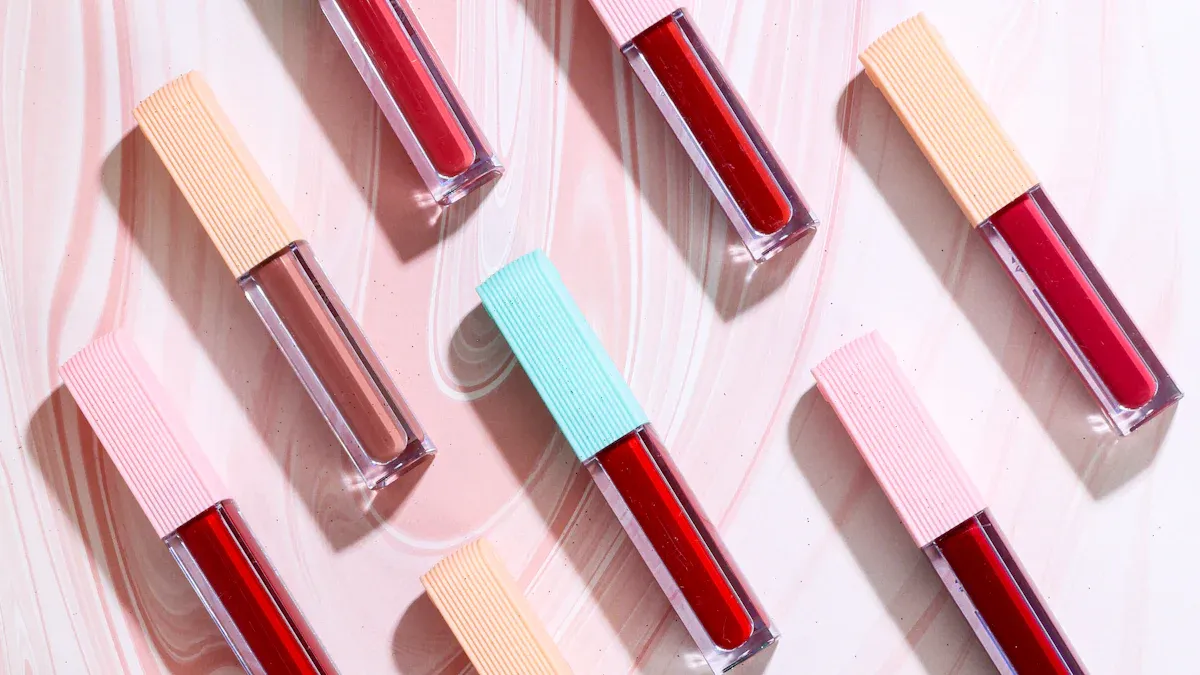
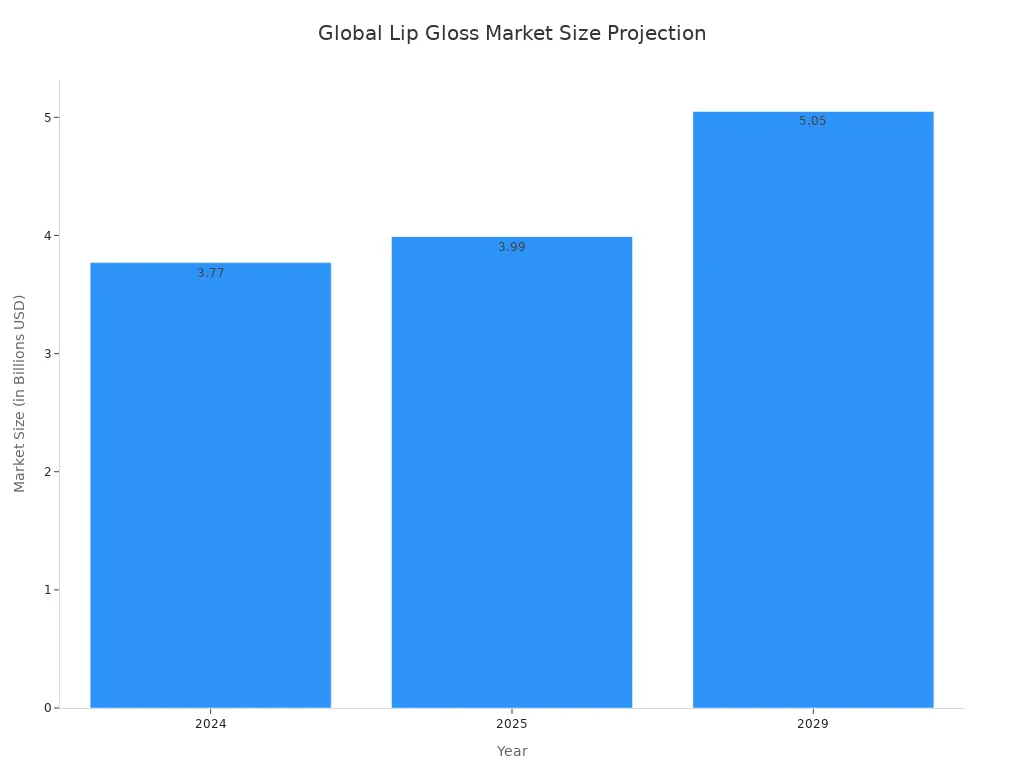
The global lip gloss market is experiencing robust growth, with projections showing a steady climb in the coming years. This expanding market presents a significant opportunity for beauty brands.
For businesses facing high demand and production bottlenecks, investing in a lip gloss filling machine becomes a financially sound decision. The long-term savings and increased output typically outweigh the initial cost. Conversely, for small-batch or startup brands, the significant capital expenditure may not be justifiable compared to semi-automatic or manual alternatives.
The "Pros": Quantifying the Gains from High-Speed Filling
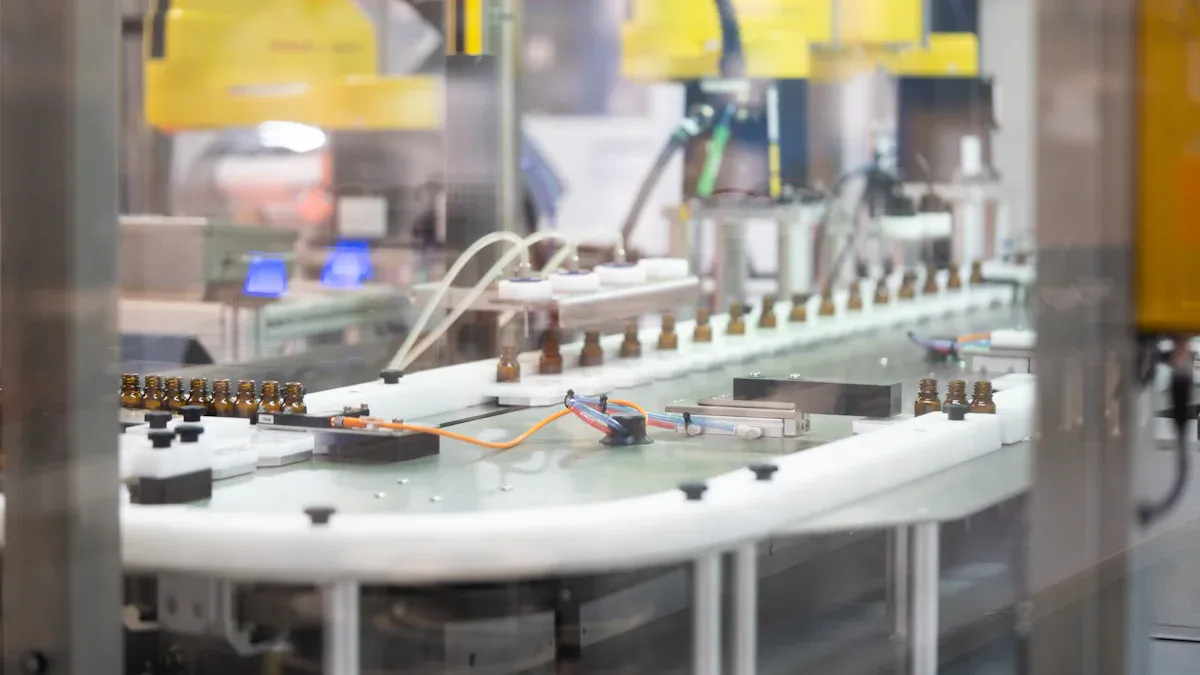
Investing in automation is a significant step for any beauty brand. The decision moves beyond simple convenience. It centers on tangible, measurable returns that directly impact the bottom line. A high-speed lip gloss filling machine offers substantial advantages in production, labor efficiency, and quality assurance. These benefits collectively empower a business to scale effectively and compete in a growing market.
Skyrocket Production Output and Scalability
Manual or semi-automatic filling processes create a ceiling on production capacity. A team of workers can only fill, cap, and label a limited number of units per hour. This bottleneck restricts a brand's ability to meet rising demand, accept large wholesale orders, or capitalize on seasonal sales peaks.
An automatic machine shatters this ceiling. These systems operate continuously with minimal human intervention. They can fill and cap thousands of units per hour, representing a massive leap in output. This enhanced capacity provides crucial business scalability. A brand can confidently pursue growth opportunities knowing its production infrastructure can support expansion.
📈 By the Numbers: A single operator managing an automatic filler can often achieve the output of 5-10 manual workers. This allows a business to reallocate valuable human resources to other critical areas like marketing, product development, or customer service.
Drastically Reduce Labor Costs Per Unit
Labor is a primary operational expense in manufacturing. Manual filling is labor-intensive, requiring multiple employees for filling, wiper insertion, capping, and packaging. The cost of wages, benefits, and training for this team adds up, directly increasing the cost per unit produced.
An automated lip gloss filling machine fundamentally changes this cost structure. While the initial investment is high, the long-term savings on labor are profound. A single trained operator can oversee the entire automated process, from loading empty tubes to discharging finished products. This consolidation of roles dramatically reduces the number of employees needed on the production line.
The table below illustrates a simplified comparison of labor costs.
| Metric | Manual Filling (5 Workers) | Automated Filling (1 Operator) |
|---|---|---|
| Workers Needed | 5 | 1 |
| Hourly Wage (per worker) | $18 | $22 (skilled operator) |
| Total Hourly Labor Cost | $90 | $22 |
| Units Produced Per Hour | 500 | 4,000 |
| Labor Cost Per Unit | $0.18 | $0.0055 |
This reduction in labor cost per unit directly increases the profit margin on every single lip gloss sold.
Enhance Product Consistency and Quality Control
Product consistency is the bedrock of brand reputation. Customers expect their favorite lip gloss to have the same fill level, texture, and flawless packaging with every purchase. Manual processes introduce human error, leading to variations in fill volume, improperly seated wipers, or inconsistently tightened caps. These inconsistencies can result in customer complaints, returns, and damage to brand loyalty.
Modern automated fillers integrate sophisticated quality control systems that ensure uniformity and precision. These machines deliver a perfect product every time.
- Precise Dosage: Advanced calibration systems and servo-driven pumps ensure an exact dosage of formula is dispensed into every single container.
- Real-Time Monitoring: Inline check-weighing systems and level sensors monitor fill volumes in real time, making micro-adjustments to maintain accuracy.
- Flawless Assembly: Automatic sensors verify that wipers and caps are correctly placed and applied, preventing leaks and ensuring a professional finish.
- Defect Rejection: Integrated vision systems use advanced imaging to spot defects like underfilled tubes, misaligned caps, or damaged containers. The machine can automatically reject any faulty item from the production line, ensuring only perfect products reach consumers.
This automated inspection process minimizes waste, reduces product rejection rates, and protects the integrity of the production line. It guarantees that every unit leaving the facility meets the highest quality standards, safeguarding the brand's reputation for excellence.
The "Cons": Calculating the True Cost of Investment
While the benefits of automation are compelling, a responsible business analysis requires a clear-eyed look at the associated costs. The path to high-speed production involves more than just purchasing a machine. It demands significant financial planning, facility preparation, and investment in operational expertise. Understanding these "cons" is crucial for making an informed decision and ensuring a successful transition to automated manufacturing.
The Significant Initial Capital Expenditure
The most immediate hurdle for any business considering an automated filler is the substantial upfront investment. High-speed, fully automatic machines are sophisticated pieces of engineering, and their price reflects that complexity. The cost can vary widely based on speed, features, and manufacturer.

A look at the market shows a broad price spectrum. Simpler piston pump fillers may start in the thousands, while advanced rotary systems with integrated heating and mixing can command tens of thousands of dollars.
| Machine Model | Price |
|---|---|
| ZONESUN ZS-GTPP1H Piston Pump Paste Filling Machine | $4,400 |
| ZONESUN ZS-CCF1500 Lip Gloss Filling Machine | $6,699 |
| ZONESUN ZS-GTL12 Lip Balm Lipstick Paste Filling Machine | $12,499 |
| ZONESUN ZS-ASF2S Lipstick Spiral Filling Machine | $18,400 |
💡 Pro Tip: Many equipment suppliers and financial institutions offer financing and leasing programs to make this investment more manageable. Options like equipment loans or a $1 buyout lease can spread the cost over time, preserving a company's cash flow for other operational needs. Leasing also provides a pathway to upgrade technology as the business grows.
Ongoing Maintenance and Operational Costs
The purchase price is only the beginning of the financial commitment. An automatic lip gloss filling machine, like any complex piece of machinery, incurs ongoing costs to ensure its longevity and optimal performance. These expenses must be factored into any ROI calculation.
Key ongoing costs include:
- Preventive Maintenance: Regular servicing by trained technicians is essential to prevent unexpected downtime. This includes lubrication, inspection of moving parts, and calibration.
- Replacement Parts: Consumable components such as gaskets, seals, O-rings, and nozzles wear out over time and require periodic replacement. Businesses should budget for a stock of these critical spare parts.
- Energy Consumption: High-speed machines consume a significant amount of electricity and compressed air. This utility cost, while small on a per-unit basis, adds to the overall monthly operational budget.
- Cleaning and Sanitization: Proper cleaning protocols are non-negotiable in cosmetics manufacturing. The cost of cleaning agents, sanitizers, and the labor hours dedicated to clean-in-place (CIP) procedures contribute to the total cost of ownership.
Operational Complexity and Facility Requirements
Transitioning to an automated system introduces a new layer of operational and logistical challenges. A business must prepare its facility and its team for the change.
First, these machines have a considerable physical footprint. Automatic fillers are larger than their manual or semi-automatic counterparts due to integrated conveyors, capping stations, and control panels. A facility must have adequate floor space not only for the machine itself but also for operator movement, maintenance access, and the staging of raw materials and finished goods.
Second, power supply is a critical factor. Industrial equipment has specific power and compressed air requirements. A business must confirm its facility can supply the necessary voltage and amperage. An upgrade to the building's electrical service can be a time-consuming and costly project if not planned in advance.
Finally, while operators do not need special certifications, they do require comprehensive training. A skilled operator is essential for maximizing the machine's efficiency and lifespan. Manufacturers typically provide hands-on training that covers:
- Machine Setup and Calibration: Adjusting settings for different product viscosities and container sizes.
- Safety Protocols: Understanding emergency stop procedures, lockout/tagout protocols, and hazard recognition.
- Basic Maintenance and Troubleshooting: Performing daily checks, cleaning components, and identifying minor issues before they become major problems.
- Quality Control: Monitoring output to ensure consistent fill levels and proper capping, and knowing how to make adjustments.
This training represents an investment in human capital, ensuring the team can manage the technology effectively and protect the company's significant asset.
Key Features of a Modern Lip Gloss Filling Machine
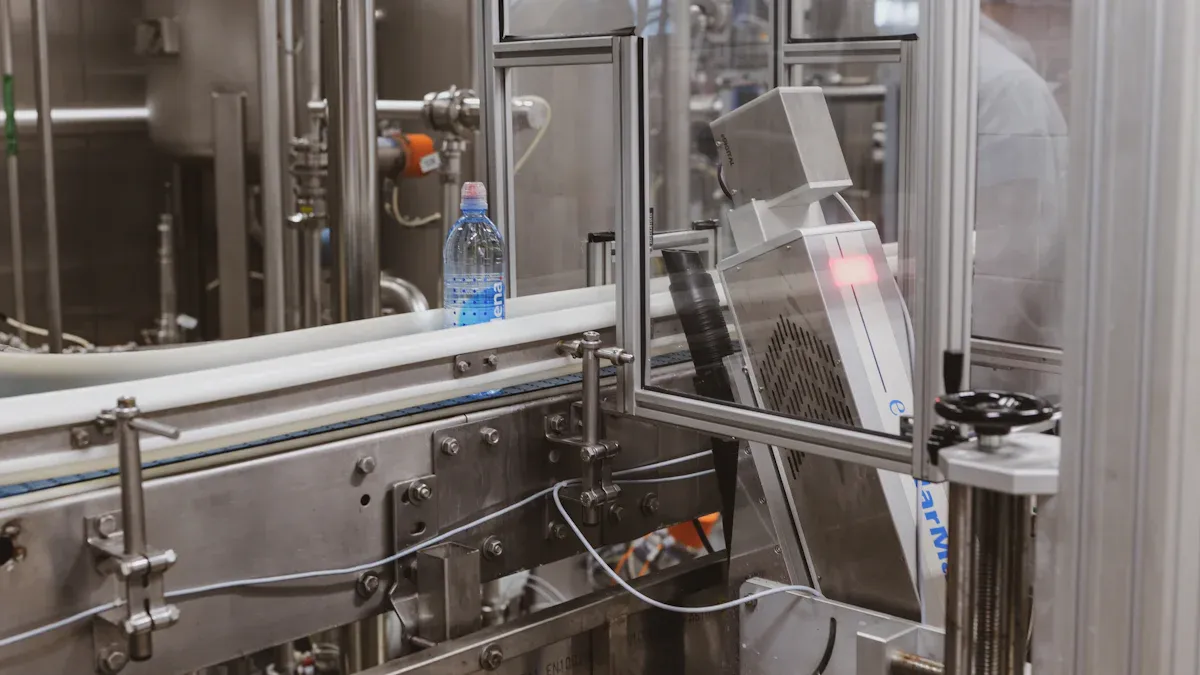
Modern automated systems are more than just fillers; they are fully integrated production solutions. Understanding their key features reveals how they achieve remarkable efficiency, consistency, and quality. These advanced capabilities transform the manufacturing process from a series of disjointed manual tasks into a seamless, automated workflow.
Automatic Tube Loading and Filling
The process begins with a highly efficient and precise tube handling system. Manual loading is slow and prone to errors. An automated system eliminates this bottleneck entirely.
- Sorting and Orientation: A vibratory feeder sorts hundreds of empty tubes per minute.
- Vision System Verification: A high-tech vision system then checks each tube's orientation with nearly 100% accuracy.
- Error Rejection: The system automatically rejects any faulty or misaligned tubes, preventing jams and ensuring a smooth production flow.
- Precise Placement: Finally, an indexing system positions each tube with pinpoint accuracy (±0.5mm) under the filling nozzle, ready for a perfect fill.
Integrated Wiper and Cap Handling
A critical step in lip gloss production is the insertion of the wiper, which controls product dispensing for the consumer. Modern machines integrate this step seamlessly. After filling, the machine automatically sorts and inserts the wiper into the tube's opening. It then places the brush cap, preparing it for sealing. This integrated process offers several advantages:
- Ensures hygienic, hands-free handling of components.
- Achieves error-free assembly of the wiper and cap.
- Provides the speed needed for large-scale production lines.
Servo-Driven Capping for Precision
The final seal is crucial for product integrity. A loose cap can lead to leaks and spoilage, while an overly tight cap can be difficult for customers to open or even damage the container. A modern lip gloss filling machine uses advanced servo-driven technology for this task.
Servo motors provide precise electronic control over the capping process. The system applies the exact programmed amount of torque to every single cap. This technology tracks the container's movement, eliminating cross-threading and guaranteeing a secure, consistent seal that protects the product and enhances the customer experience.
The Break-Even Point: When Does the Investment Pay Off?
An investment in automation is only successful if it delivers a positive financial return. Businesses must determine the point at which the machine pays for itself and begins generating profit. This calculation, known as the break-even point or payback period, is critical for justifying the initial capital expenditure. It transforms the purchase from a significant expense into a strategic asset for growth.
A Simple Formula to Calculate Your ROI
Calculating the Return on Investment (ROI) provides a clear percentage of the return relative to the cost. A basic formula gives a powerful snapshot of the investment's financial viability.
ROI % = (Net Annual Benefit / Total Equipment Cost) x 100
To use this formula effectively, a company must define its terms:
- Total Equipment Cost: This is the full purchase price of the machine, including installation and training fees.
- Net Annual Benefit: This figure represents the total value generated. It includes direct labor savings, profit from increased production, and savings from reduced product waste. A comprehensive analysis also considers the value of enhanced brand safety and consistency.
A higher ROI percentage indicates a more profitable investment.
Scenario Analysis: Payback Periods by Production Volume
The time it takes to recoup the initial investment varies dramatically with production volume. High-volume brands realize savings on every unit, accelerating their payback period significantly. A brand producing millions of units per year may see a return in under a year, while a smaller operation will take longer.
Consider this simplified scenario for a machine costing $60,000:
| Brand Scale | Annual Production | Est. Annual Labor Savings | Est. Payback Period |
|---|---|---|---|
| High-Volume Brand | 2,000,000 Units | $75,000 | ~9.6 Months |
| Mid-Volume Brand | 500,000 Units | $25,000 | ~2.4 Years |
As the table shows, higher throughput creates faster returns. Some companies have even transformed production bottlenecks into high-speed assets, achieving a full payback in as little as eight months by maximizing output and minimizing operational costs.
Is This Machine Right for Your Business Scale?
Choosing the right equipment depends entirely on a brand's current production volume and future growth ambitions. A machine that is a perfect fit for a global brand could be a financial burden for a startup. Analyzing your business scale is the final step in making a sound investment decision.
For High-Volume Brands
For established brands producing hundreds of thousands or millions of units annually, a fully automatic lip gloss filling machine is not a luxury; it is a strategic necessity. These companies operate at a scale where manual or semi-automatic processes create significant bottlenecks, increase labor costs, and risk inconsistent quality. An automated system directly addresses these challenges, enabling brands to meet large retail orders, maintain market leadership, and maximize profitability through unparalleled efficiency.
For Startups and Small-Batch Producers
Startups and small-batch producers face a different set of priorities where capital preservation is key. The high cost of an automatic filler is often unjustifiable. Instead, these businesses can pursue more cost-effective strategies to launch and grow.
Many successful startups validate their products without major equipment investment. They leverage private label manufacturers that offer low minimum order quantities (MOQs), sometimes as few as 500 units. This approach minimizes financial risk and avoids unsold inventory.
Other effective strategies include:
- Adopting a pre-order model to fund initial production runs.
- Selling directly to consumers to maintain higher profit margins.
- Using turnkey services that bundle formulation, packaging, and labeling.
The Mid-Tier Alternative: Semi-Automatic Fillers
Small and medium-sized enterprises (SMEs) often find themselves in a middle ground. They have outgrown manual filling but are not yet ready for the investment of a fully automatic system. For these growing businesses, a semi-automatic filler is the ideal solution. These machines require an operator to perform some tasks, like placing tubes, but automate the filling process itself. They offer a significant boost in production speed over manual methods at a fraction of the cost of a fully automated line, making them a practical and affordable stepping stone for scaling operations.
The decision to invest in an automatic lip gloss filler presents a clear trade-off. A business must weigh the high upfront cost against long-term operational efficiency and scalability. The right choice depends entirely on a brand's production volume, labor costs, and growth projections. A forward-thinking analysis also considers adaptability for future trends like AI-driven customization.
For brands where the numbers support a reasonable break-even point, a high-speed filler is a strategic investment for growth. Businesses not yet at this scale can view semi-automatic options as a practical stepping stone for future expansion.
FAQ
What types of products can these machines handle?
Modern machines offer great versatility. They can fill various cosmetic formulas, including lip gloss, mascara, concealer, liquid foundation, and serum. The equipment's design accommodates different product viscosities, from thin liquids to thick pastes, ensuring broad application for beauty brands.
How much space does a lip gloss filling machine require?
The machine's footprint varies by model. A fully automatic lip gloss filling machine requires significant floor space for the unit, conveyors, and operator access. Businesses must measure their available area and consult manufacturer specifications to ensure a proper fit within their facility.
What training is needed to operate the machine?
Operators need specific training provided by the manufacturer. This instruction covers machine setup, safety protocols, daily maintenance, and quality control checks. While formal certification is not required, this training is essential for safe and efficient operation of the equipment.
Can the machine handle different tube sizes and shapes?
Yes, most modern fillers are designed for flexibility. They use adjustable pucks or holders that can accommodate various container diameters and heights. This adaptability allows a brand to use the same machine for multiple product lines with minimal changeover time.
See Also
Top Ampoule Filling Line Manufacturers: A Comprehensive Industry Comparison
Essential Folder Gluer Innovations for 2025 Carton Packaging Operations
Best Capsule Checkweighers: A Buyer's Guide for the Year 2025
Plate Pack Benefits and Cost-Effectiveness: An Analysis for 2025
Boosting Pharma Efficiency: Modern Capsule Decapsulation Machine Innovations Explained