Solving Industrial Filtration Challenges with a Light Duty Cartridge Vessel
Industrial filtration processes demand equipment that delivers consistent performance and minimizes operational costs. The light duty cartridge vessel offers a practical solution, featuring stainless steel construction for durability and corrosion resistance. Quick-opening closures allow rapid cartridge changes, reducing downtime and maintenance requirements. Industry data highlights its cost-effectiveness and reliability:
| Aspect | Light Duty Cartridge Vessel | Heavy-Duty Alternatives |
|---|---|---|
| Initial Investment | Lower | Higher |
| Operating Costs | Minimized | Higher |
| Maintenance Requirements | Reduced | Increased |
| Downtime | Less due to quick changes | More due to complex systems |
This vessel provides reliable filtration for a wide range of industries.
Improving Filtration Efficiency with a Light Duty Cartridge Vessel

Addressing Common Efficiency Problems
Industrial filtration systems often encounter several efficiency problems that can disrupt operations and increase costs. Operators face issues such as poor filtration efficiency, short filter lifespan, filter bypass, contaminant release, and high maintenance costs. These challenges appear frequently in many facilities, especially those handling chemicals, petrochemicals, or deionized water. When filtration fails to perform optimally, contaminants pass through, equipment suffers, and production slows. Many industries require a solution that consistently delivers high-quality filtration while minimizing interruptions.
The light duty cartridge vessel directly addresses these common problems. Its modular design improves flow dynamics and reduces pressure drop, which enhances energy efficiency and lowers operating costs. The vessel’s engineered compatibility with specific filter cartridges ensures optimal performance, even in challenging industrial applications. Operators benefit from easy maintenance and adaptability to various conditions, making the vessel a reliable choice for facilities seeking improved efficiency.
Tip: Regular inspection and timely cartridge replacement help maintain peak filtration efficiency and prevent unexpected downtime.
Performance Advantages of the Vessel
The light duty cartridge vessel offers several performance advantages compared to traditional filtration vessels. The following table highlights key benefits:
| Advantage | Description |
|---|---|
| Higher Filtration Rates | Processes water more efficiently, increasing throughput. |
| Savings on Backwash Water | Reduces operational costs and conserves resources. |
| Effective Removal of Contaminants | Filters out harmful substances, ensuring cleaner output. |
| High Efficiency Removal Capacity | Targets contaminants like Iron, Manganese, and H2S. |
| Long Media Replacement Interval | Media lasts 7-10 years, lowering maintenance frequency. |
| No Disinfection By-Product | Delivers cleaner water without harmful residues. |
| Low Operational Costs | Provides cost-effective operation for industrial users. |
Facilities that install a light duty cartridge vessel experience improved system performance, reduced energy consumption, and enhanced adaptability. The vessel’s robust construction allows it to handle caustic conditions, making it suitable for a wide range of industrial applications.
Extending Filter Lifespan Using a Light Duty Cartridge Vessel
Factors That Shorten Filter Life
Industrial filtration systems often face premature filter replacement. Several factors contribute to shortened filter life. Operators must understand these issues to optimize performance and reduce costs. The following table outlines the most common contributors:
| Factor | Explanation |
|---|---|
| Micron Rating | Smaller micron ratings increase wear and allow larger particulates to pass as pores enlarge over time. |
| Porosity Enlargement | Friction and particulate wear enlarge filter pores, leading to earlier replacement. |
| Flow Restriction | Smaller micron filters restrict fluid flow, causing higher pressure drops and lower soil retention. Saturation occurs faster, requiring frequent changes. |
| Filter Fouling | Excessively small micron ratings capture more particulates, resulting in faster fouling and replacement needs. |
Operators who select filters with appropriate micron ratings and monitor flow rates can extend filter lifespan. Regular maintenance and timely cartridge changes also help prevent premature fouling.
Note: Monitoring pressure drop across the filter vessel provides early warning of saturation and helps schedule replacements efficiently.
Vessel Features for Durability
The light duty cartridge vessel incorporates several features that enhance durability and extend filter life. Material selection and construction methods play a critical role in ensuring long-term performance. The vessel uses high-quality stainless steel, specifically SS 304 and 316, which offer high tensile strength, corrosion resistance, and thermal stability. These properties make the vessel suitable for demanding industrial environments.
The table below summarizes the materials and their benefits:
| Material Type | Properties | Applications |
|---|---|---|
| Steel | High tensile strength, corrosion resistance, thermal stability | Hydraulic systems, industrial pressure vessels, fuel storage |
| Rubber Seals | Leak-proof, accommodates thermal expansion | Used in O-rings, gaskets, and seals for cartridges |
The vessel’s quick opening V-Clamp closure allows easy access for cartridge replacement, minimizing downtime. EPDM O-rings provide reliable sealing, preventing leaks and maintaining system integrity. Glass blasting and mechanical polishing improve surface quality, reducing contamination risks. These features collectively ensure that the vessel supports longer filter life and consistent filtration performance.
Tip: Choosing a vessel with robust construction and reliable sealing mechanisms reduces the frequency of filter changes and lowers maintenance costs.
Preventing Filter Bypass in Industrial Systems
Consequences of Filter Bypass
Filter bypass poses significant risks in industrial filtration systems. When fluid escapes the intended filtration path, contaminants can re-enter the process stream. This situation leads to equipment wear, reduced efficiency, and costly repairs. Operators often encounter bypass when filters become clogged or mismatched for the application. The following table outlines the most severe operational impacts of filter bypass:
| Impact Type | Description |
|---|---|
| Contaminant Release | Saturated filters can release trapped particles back into the fluid stream, causing wear. |
| Flow Restriction | Clogged filters increase resistance, potentially stopping the polishing effect and allowing unfiltered fluid to recirculate. |
| Increased Pump Load | Blocked filters force pumps to work harder, leading to higher temperatures and reduced efficiency. |
| System Degradation | Poor filtration results in varnish formation and reduced heat dissipation, risking system failure. |
| Costly Repairs | Damage to components can lead to repair costs that far exceed routine filter replacement. |
Operators must recognize these risks to maintain system integrity. Bypass events often result from dirt, sludge, degraded fluids, cold startups, undersized filters, or overdue filter changes. Each cause increases the likelihood of contaminants entering sensitive equipment.
Secure Sealing and Flow Management
Effective sealing and flow management prevent filter bypass and protect industrial systems. The light duty cartridge vessel incorporates several technologies to ensure reliable operation:
- Positive O-ring seals prevent bypass, even under challenging installation conditions.
- Ergonomically designed filter elements feature handles for easy removal by a single operator.
- Beta-rated media maintains filtration efficiency throughout the filter’s operational life.
Operators benefit from these features by achieving consistent filtration and minimizing the risk of unfiltered fluid recirculation. Proper selection and timely replacement of filters further reduce bypass incidents. Facilities that use advanced sealing and flow management technologies maintain cleaner process streams and extend equipment lifespan.
Tip: Regular inspection of seals and filter elements helps identify potential bypass issues before they impact system performance.
Reducing Contaminant Release with a Light Duty Cartridge Vessel
Risks of Contaminant Release
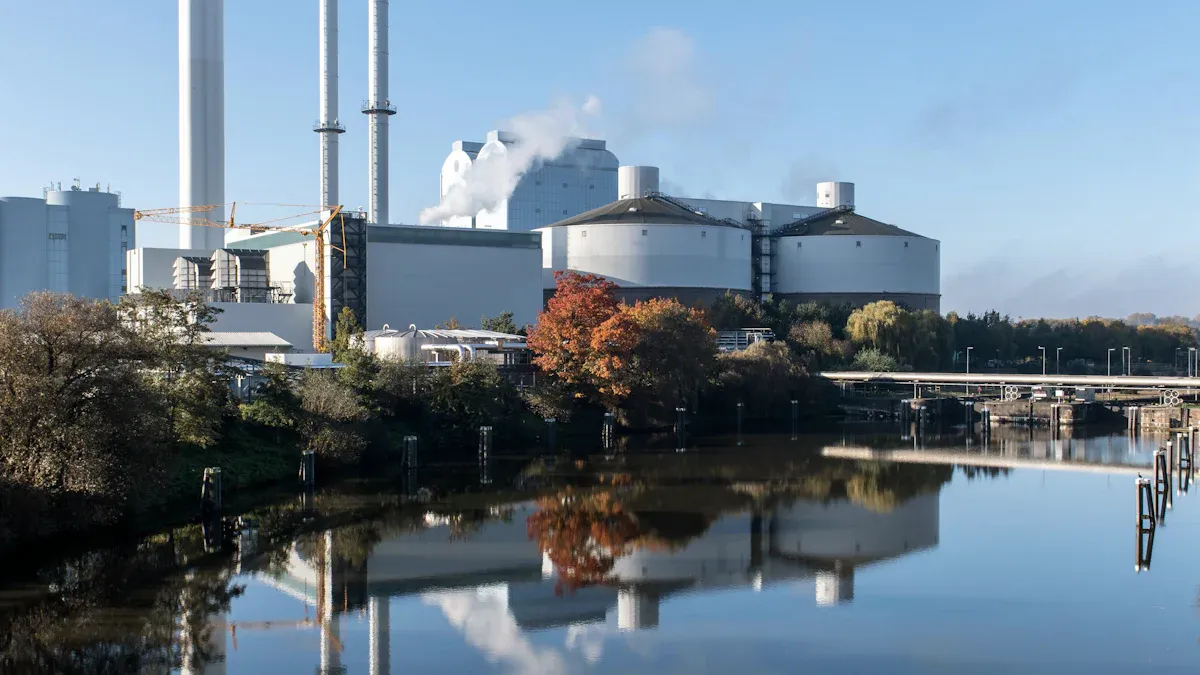
Industrial filtration systems play a critical role in protecting both products and environments from harmful contaminants. When these systems fail, the consequences can extend beyond operational setbacks. Many industries, including pharmaceuticals, food and beverage, and electronics manufacturing, face heightened risks when contaminants escape filtration. The release of even small amounts of unwanted particles can trigger product recalls, legal actions, and reputational damage. Several factors contribute to these risks, such as filter media degradation, incorrect filter selection, or improper installation and maintenance. Operators must remain vigilant to prevent these issues and safeguard their processes.
- Contaminant release poses significant risks in industries like pharmaceuticals, food and beverage, and electronics manufacturing.
- Even minor contamination can lead to product recalls and legal actions.
- Issues can arise from filter media degradation, incorrect filter selection, or improper installation and maintenance.
Note: Regular monitoring and maintenance of filtration systems help minimize the risk of contaminant release and ensure compliance with industry standards.
Containment and Safety Features
The light duty cartridge vessel incorporates advanced containment and safety features to address these risks. Stainless steel construction resists corrosion and maintains structural integrity, even under demanding conditions. The vessel’s quick opening V-Clamp closure allows operators to access and replace cartridges efficiently, reducing exposure to contaminants. EPDM O-rings provide reliable sealing, preventing leaks and ensuring that all fluid passes through the filtration media. Surface treatments, such as glass blasting and mechanical polishing, further reduce the risk of contamination by creating a smooth, easy-to-clean interior.
Industries rely on these features to comply with safety and environmental regulations. The table below illustrates how the vessel supports contaminant containment across various sectors:
| Industry | Compliance Aspect |
|---|---|
| Chemicals | Manage volatile and fine dusts with efficiency. |
| Metal Processing | Capture hazardous particulates for improved air quality. |
| Woodworking | Control wood dust and shavings to maintain a clean environment. |
| Mining & Minerals | Handle abrasive materials and heavy dust loads. |
| Plastics | Remove fine polymer dust for contamination-free processes. |
| Pharmaceuticals | Ensure sterile conditions by filtering ultra-fine powders. |
| Food & Beverage | Safeguard product purity by efficiently collecting food-grade dust. |
| Electronics | Protect sensitive components from airborne particulates. |
Operators who choose the light duty cartridge vessel benefit from robust containment, enhanced safety, and reliable compliance with industry regulations.
Lowering Maintenance Costs in Filtration Operations
Maintenance Challenges in Traditional Systems
Operators of traditional filtration systems encounter several maintenance challenges that increase operational costs and reduce efficiency. These systems often require frequent monitoring and intervention to ensure optimal performance. The following table outlines common maintenance issues:
| Maintenance Challenge | Description |
|---|---|
| Monitoring flow and pressure | Essential for detecting early signs of filter clogging or system stress. |
| Managing filter replacements | Requires tracking and timely changes to prevent performance issues. |
| Addressing regional water quality issues | Involves dealing with contaminants like heavy metals or hard water that affect equipment and service. |
Technicians must regularly check flow rates and pressure levels to avoid unexpected downtime. They also need to manage filter replacements, which can become complicated when multiple units operate simultaneously. Regional water quality issues, such as heavy metals or hard water, demand additional attention and specialized maintenance procedures. These challenges often lead to increased labor costs and longer service intervals.
Note: Consistent maintenance schedules help prevent costly repairs and maintain system reliability.
Simplified Maintenance with the Vessel
The light duty cartridge vessel streamlines maintenance tasks and reduces associated costs. Its design allows operators to access and replace cartridges quickly, minimizing downtime. The quick opening V-Clamp closure enables single-person operation, which lowers labor requirements. Stainless steel construction resists corrosion, reducing the need for frequent repairs.
Maintenance intervals for the vessel compare favorably to traditional systems. The table below shows typical intervals and costs for cartridge replacements:
| Type of Cartridge | Maintenance Interval | Cost Range |
|---|---|---|
| Sediment inline capsules | 3–12 months | $5–$25 each |
| Carbon inline modules | 6–12 months (3–6 months for high use) | $15–$80 |
| Specialty cartridges (lead, PFAS) | 6–12 months (as specified) | $40–$200 |
| UF modules | 12–24 months | N/A |
| Installation materials | N/A | $10–$60 |
| Professional installation | N/A | $50–$200 |
Operators benefit from longer maintenance intervals and lower replacement costs. The vessel’s compatibility with various cartridge types allows facilities to tailor maintenance schedules to their specific needs. Glass blasting and mechanical polishing further simplify cleaning, ensuring a hygienic environment and reducing contamination risks.
Tip: Choosing a filtration system with easy access and durable materials helps minimize maintenance expenses and maximize productivity.
The light duty cartridge vessel delivers solutions for industrial filtration by combining precision sintering technology, rigorous pressure differential testing, and industry-standard metal materials. Operators benefit from ultrasonic cleaning, high-temp burnout, and acid or alkali baths that remove contaminants efficiently. The vessel supports automated cleaning systems and ensures reliability through gradient density technology and integrity testing. Its compliance with biological safety standards makes it a dependable choice. Industries seeking efficiency and reduced maintenance costs find this vessel enhances filtration processes and minimizes operational issues.
| Feature | Benefit |
|---|---|
| Precision Sintering Technology | Maintains filtration accuracy |
| Rigorous Pressure Testing | Guarantees stable operation |
| Ultrasonic Cleaning | Removes fine particulates |
| Gradient Density Technology | Captures contaminants throughout the filter |
FAQ
What industries benefit most from the Light Duty Cartridge Vessel?
The Light Duty Cartridge Vessel serves industries such as chemicals, petrochemicals, food and beverage, electronics, automotive, and metal processing. Operators in these sectors rely on its durability and efficiency for reliable filtration.
How does the quick opening V-Clamp closure improve maintenance?
Operators access cartridges quickly with the V-Clamp closure. This design reduces downtime and allows single-person operation. Maintenance becomes faster and safer, improving productivity.
What cartridge sizes and configurations are available?
The vessel supports 3, 5, and 7 round configurations. Cartridge lengths reach up to 40 inches. Users select the best option for their filtration requirements.
Which materials ensure vessel durability?
Manufacturers use stainless steel grades SS 304 and 316. These materials resist corrosion and withstand high pressure. EPDM O-rings provide secure sealing.
Can the vessel handle high-pressure applications?
The Light Duty Cartridge Vessel operates at a maximum pressure of 6.0 bar. Hydraulic testing ensures safety up to 7.5 bar. This robust construction supports demanding industrial tasks.
See Also
Best Precoating Options for Filtration Systems This Year
Comprehending How Sterile Filter Devices Function Effectively
Innovations in Heat Exchanger Manufacturing Boost Industrial Efficiency
Steel Processing Techniques for Heat Exchange Applications Yield Success
2025 Overview of Semi-welded Plate Heat Exchangers in Industry