How to Upgrade Your Filtration Process in 2026
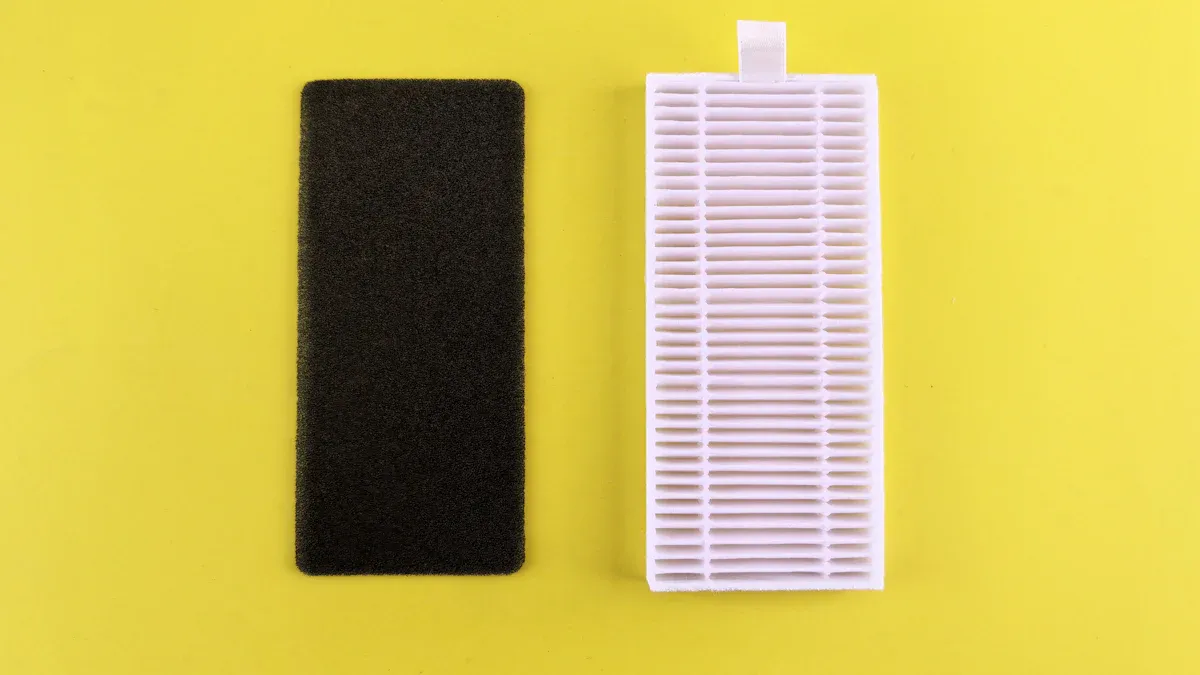
You can significantly reduce filtration system clogging. Install a high-efficiency vertical leaf filter bag on your intake line. This bag serves as a pre-filter, capturing large debris before it blocks your primary filter or pump. Even specialized Leaf Filter Bags for Chemical Industries follow this protective principle, safeguarding your equipment.
Key Takeaways
- Install a high-efficiency vertical leaf filter bag on your intake line. This bag acts as a pre-filter. It catches large debris before it clogs your main filter or pump.
- Choose the right leaf filter bag for your system. Match the filter's micron rating to the type of debris you have. Make sure it fits your hoses and flow rate.
Choosing and Installing Your Leaf Filter Bag
Selecting the right leaf filter bag is crucial for a successful upgrade. You must match the filter to your system's specific needs. This ensures optimal performance and longevity. Follow these steps to choose and install your new filter bag correctly.
Assess Your System's Debris Load
First, you need to understand the type and amount of debris your system handles. Debris loads often change with the seasons. This variation affects your filtration needs.
- Increased Organic Content: Fall brings more leaves and natural materials. Summer can cause algal blooms. Both increase organic content in your water source.
- Increased Runoff and Contaminants: Rain and snowmelt can wash pesticides, fertilizers, and sediment into your system.
Industrial water sources also see seasonal shifts in contaminant levels. For example, heavy metal concentrations can change dramatically.
| Season | Arsenic (As) Concentration | Chromium (Cr) Concentration | Contributing Factors |
|---|---|---|---|
| Monsoon | Decreased | Decreased | Dilution from heavy rainfall and increased water volume. |
| Post-Monsoon | Increased | Increased | Reduced water flow and increased industrial discharge. |
| Winter | Increased | Increased | Low water levels and continued industrial activities. |
| Pre-Monsoon | Decreased | Decreased | Initial rainfall causes some dilution. |
You should evaluate your typical debris load. This assessment helps you select a filter bag that will not clog prematurely.
Match the Micron Rating to Debris Type
The micron rating tells you the size of particles a filter can capture. You must match this rating to your debris. For pre-filtration of large debris like leaves and twigs, you need a coarse filter.
Pro Tip: Filters rated at 20 microns and above are excellent for capturing coarse particles. A 400-micron mesh, for instance, works perfectly as an initial defense. It captures large items like twigs, leaves, and sand before they reach finer filters.
Choosing the right micron rating prevents your primary system from working too hard. It is the key to an effective pre-filter strategy.
Ensure Compatibility with Hoses and Flow Rate
Your new filter bag must work with your existing equipment. Check the connection sizes to ensure compatibility with your hoses. More importantly, consider the impact on your system's flow rate. A filter's micron rating directly affects how quickly water can pass through it.
A lower micron rating means finer filtration but a slower flow rate. A higher micron rating allows for a faster flow. This table shows the general relationship:
| Micron Rating (μm) | Flow Rate |
|---|---|
| 800–200 (Coarse) | Very High |
| 100–50 (Medium) | High |
| 25–10 (Fine) | Medium |
| 5–1 (Very Fine) | Low |
For pre-filtration, you want a high flow rate. A coarse filter with a larger micron rating (like 50–100 μm) is ideal. It removes large debris without significantly slowing down your system.
Special Considerations for Leaf Filter Bags for Chemical Industries
Chemical processing environments present unique challenges. You need filter bags that can withstand corrosive substances. Standard materials may degrade, shed fibers, or leach contaminants. High-quality Leaf Filter Bags for Chemical Industries are engineered for these harsh conditions.
These specialized bags use robust materials for maximum chemical resistance.
- Advanced Polymers: Materials like PTFE, P84, Aramid, and PPS offer superior durability against aggressive chemicals.
- Reliable Synthetics: Polypropylene (PP) and Polyester (PET) are also common choices, selected for their resistance to hydrolysis.
- Durable Weaves: Many Leaf Filter Bags for Chemical Industries are crafted from industrial-grade monofilament and multi-filament materials for a long service life.
The design of Leaf Filter Bags for Chemical Industries also prevents chemical reactions. Manufacturers use special techniques to enhance fabric properties. Applying PTFE membrane coatings, for example, creates a highly resistant barrier. This smooth surface also helps with easy cake release, simplifying cleaning. When you select Leaf Filter Bags for Chemical Industries, you ensure purity and prevent system contamination from filter degradation. The right Leaf Filter Bags for Chemical Industries protect both your product and your equipment.
Step-by-Step Installation Guide
Proper installation is simple but requires attention to detail. Follow these steps for a secure fit.
- Turn Off the System: Shut down all power to the pump at the circuit breaker. This ensures your safety during installation.
- Locate the Intake Line: Identify the hose or pipe that pulls water into your primary pump and filter. This is where you will install the leaf filter bag housing.
- Install the Housing: Cut the intake line at a suitable location. Install the filter bag housing according to the manufacturer's instructions, ensuring all connections are tight.
- Insert the Filter Bag: Open the housing. Place the new leaf filter bag inside, making sure it is properly seated. A poorly seated bag can cause bypass and leaks.
- Secure the Housing Lid: Close the housing and secure the lid. Ensure the gasket is clean and creates a firm seal.
Priming and Testing for Leaks
After installation, you must prime the pump to remove trapped air. You also need to check for leaks. An airlock can prevent the pump from working, and a leak can cause significant problems.
To prime your system: ⚙️
- Prepare the System: Keep the pump off. If your system has a multiport valve, turn it to "Recirculate."
- Fill the Pump: Open the pump's lid or strainer basket. Use a hose to fill the pump housing with water. This helps create the initial suction needed to draw water from the source.
- Start the Pump: Replace the lid securely. Turn the pump on. You may hear a gurgling sound as air is pushed out. Water should begin flowing steadily within a minute or two.
Once primed, inspect for leaks: 🕵️
- Check Connections: Carefully examine all connection points, including the housing lid and hose fittings.
- Inspect Gaskets: A faulty gasket is a common source of leaks. Ensure it is clean, undamaged, and correctly sized. Many manufacturers recommend replacing gaskets anytime a pressurized housing is opened.
- Look for Damage: Inspect the filter housing itself for any cracks or damaged welds. A single missing bolt or a kinked snap-band can create a significant bypass.
A thorough check now prevents major headaches later. Proper installation of your filter, including specialized Leaf Filter Bags for Chemical Industries, guarantees a more efficient and reliable process.
Long-Term Maintenance and Optimization
Installing your leaf filter bag is just the first step. You must perform regular maintenance to ensure long-term efficiency and protect your system. Proper care maximizes the filter's lifespan and keeps your process running smoothly.
Create a Routine Cleaning Schedule
You need a consistent cleaning schedule to prevent blinding and system strain. Instead of guessing, you can use differential pressure readings to know exactly when to clean. High pressure signals that the filter is clogged and resisting airflow. For industrial settings, you can even install automatic cleaning systems that use timers to manage this process for you.
Pro Tip: Monitor your pressure gauge. It tells you the filter's condition.
| Differential Pressure | Filter Condition |
|---|---|
| <2" W.G. | New Bag |
| 2"–6" W.G. | Normal Operation |
| >6" W.G. | Dirty Bag: Time to clean |
| >8" W.G. | Blinded Bag: May need replacement |
Proper Bag Cleaning and Inspection
Proper cleaning protects the filter material. You should never use a high-pressure faucet or scrub the bag with a brush.
Follow these steps for safe cleaning: 🧼
- Carefully remove the bag and turn it inside out.
- Soak the bag in a pool of water.
- Gently rub the fabric to loosen debris, especially at the bottom.
- Repeat the rubbing process until the bag is clean.
- Straighten the bag before placing it back in the housing.
Signs It's Time for a Replacement
Even with perfect care, filter bags wear out. Most bags last a couple of years, but harsh conditions can shorten this to a few months. Look for these signs during your inspections:
- Visible Damage: Tears, pinholes, or thinning fabric.
- Discoloration: A significant change in color indicates the material is degrading or has reached capacity.
- Pressure Drops: A sudden, persistent drop in pressure below the normal range often means the bag has a hole or has failed completely.
Replacing your bag promptly when you see these signs prevents system damage and maintains filtration efficiency.
You can directly prevent filtration clogging by integrating a leaf filter bag. This simple upgrade protects your pump and boosts system reliability, with some industries seeing a 10% increase in production output. Implement these steps now to build a trouble-free process for 2026 and prepare for future innovations like AI-powered automation.
FAQ
What if my system has debris other than leaves?
These bags capture various debris types. You select a micron rating matching your specific contaminants. Specialized bags also exist for demanding industrial and chemical applications.
How often should I clean my filter bag?
You should monitor your system's pressure gauge. A reading above 6" W.G. signals that it is time to clean the bag for optimal performance. ⚙️
Can I use these bags for industrial applications?
Yes. For harsh environments, choose specialized Leaf Filter Bags for Chemical Industries. Quality bags from brands like Zonel Filtech ensure durability, safety, and efficient cake release.
See Also
Leading Precoating Materials for Advanced Filtration Systems: 2025 Outlook
Innovative Materials Transforming Heat Exchanger Supply Chains and Performance
Pioneering Advances in Heat Exchanger Manufacturing Boost Industrial Efficiency
Unveiling the Advantages of Commercial Heat Exchangers for 2025
Demystifying the Functionality of Sterile Filter Devices for Optimal Use