Where Does Erbium Oxide Come From? A 2025 Guide
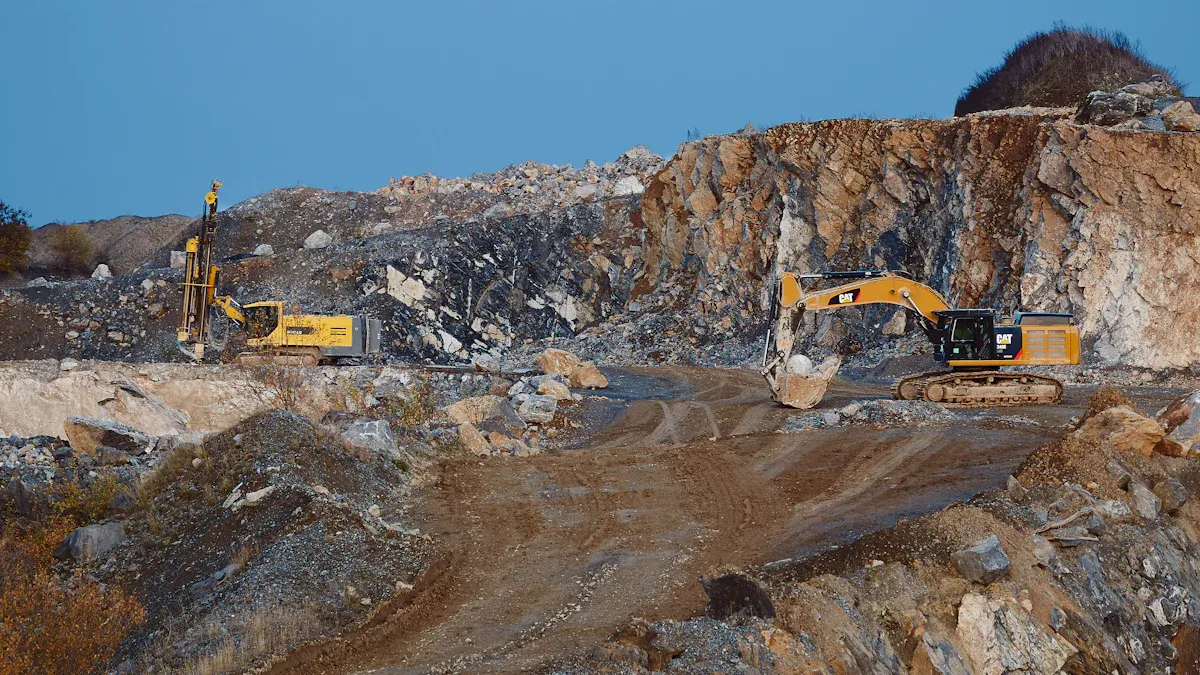
China is the world's primary source of Erbium Oxide. The nation dominates both the mining and the complex processing of this rare earth element, Er2O3. Other countries, including the United States, Australia, and Russia, are also significant suppliers.
Note: Even when the U.S. mines rare earths domestically, it often ships the raw concentrates to China for final processing and separation.
Global Production of Erbium Oxide
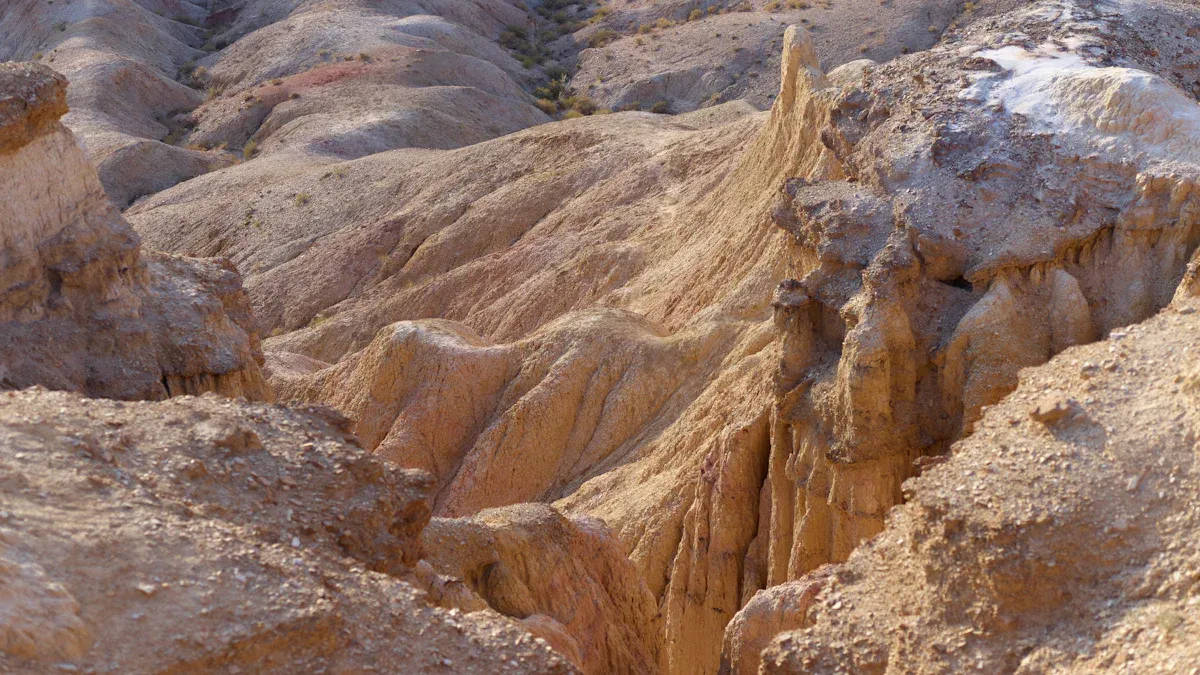
The global supply chain for rare earth elements is complex. A few key nations lead the mining and refining processes that bring materials like Erbium Oxide to the market. Understanding these sources is crucial for industries that depend on this specialized compound.
China: The Dominant Producer
China overwhelmingly leads the global production of rare earths. The country's dominance extends across the entire supply chain, from mining the raw ore to the sophisticated refining that isolates individual elements.
China's advantage comes from its vast deposits of ion-adsorption clays. These unique geological formations in Southern China are particularly rich in the heavy rare earth elements, including erbium. The government also maintains firm control over the industry through production quotas and export licenses. This strategy allows it to manage global supply and pricing effectively.
| Aspect of Production | China's Role |
|---|---|
| Mining | World's largest producer of rare earth ores. |
| Processing | Dominates global separation and refining capacity. |
| Export | Key supplier of high-purity Erbium Oxide. |
Other Key National Suppliers
While China is the leader, other nations contribute to the global supply of rare earth concentrates. However, these countries often rely on Chinese facilities for the final, complex separation stage.
- The United States 🇺🇸: The Mountain Pass mine in California, operated by MP Materials, is a major source of rare earth concentrate. The facility is expanding its own processing capabilities to reduce reliance on foreign refiners.
- Australia 🇦🇺: Lynas Rare Earths operates the Mount Weld mine, one of the world's richest rare earth deposits. The company processes its material at a facility in Malaysia and is building a new processing plant in Western Australia.
- Russia 🇷🇺: Russia holds significant rare earth reserves. It is actively working to develop its domestic mining and processing infrastructure to become a more prominent player in the global market.
Emerging Production Projects
Concerns about supply chain security have sparked a global push to develop rare earth sources outside of China. Governments and private companies are investing heavily in new projects to diversify the market. This strategic shift aims to create a more stable and resilient supply chain for the future.
Western nations are actively funding alternative supply chains.
- They are forming partnerships with countries like Australia, Canada, and nations in Africa to develop new mines.
- The European Union and the United States are also increasing their strategic mineral reserves. This action creates stable demand for non-Chinese sources and supports market diversification.
A Lesson from Japan 🇯🇵 Japan provides a successful model for diversification. After China restricted rare earth exports in 2010, Japan took decisive action. It invested heavily in producers in the United States and Australia. This move significantly reduced its dependence on a single supplier and secured its long-term access to critical materials.
These emerging projects and strategic investments signal a clear trend. The world is moving toward a more geographically diverse supply base for rare earth elements in the coming years.
Key Corporate Suppliers for Erbium Oxide
Buyers source Erbium Oxide from a range of global companies. These suppliers include large-scale state-owned producers, integrated international mining corporations, and specialized chemical distributors. Each type of supplier serves a different segment of the market.
Major Chinese Producers
Chinese state-owned enterprises (SOEs) anchor the global supply of rare earths. The Chinese government consolidated its rare earth industry into a few large groups. This structure gives it significant control over production volumes and market prices. These companies manage the entire production chain, from mining the ore to refining high-purity oxides.
| Company Name | Role in the Supply Chain |
|---|---|
| China Northern Rare Earth Group | A major producer focused on light rare earths, but also processes heavy rare earths. |
| China Rare Earth Group | Formed from a merger of several companies, this group controls most of China's heavy rare earth resources, including those rich in erbium. |
These corporations are the primary source for large-volume industrial buyers around the world. They set the benchmark for global pricing and availability.
Non-Chinese Suppliers and Processors
Outside of China, a few key companies are building an alternative "mine-to-magnet" supply chain. These corporations aim to provide supply security for Western nations. They operate their own mines and are expanding their processing capabilities to reduce reliance on Chinese refineries.
The two most prominent players are MP Materials in the United States and Lynas Rare Earths in Australia. They control their own sources of raw materials.
- MP Materials 🇺🇸: The company sources its rare earth ore directly from its own Mountain Pass deposit in California.
- Lynas Rare Earths 🇦🇺: Lynas gets its raw material from the rich Mount Weld mine in Western Australia. It ships these concentrates to its processing facilities for separation.
These companies represent a critical move toward diversifying the global supply chain for rare earth elements.
Specialized Chemical Distributors
Many industries require smaller quantities of Erbium Oxide or need material with specific characteristics. Specialized chemical distributors fill this important market niche. They purchase materials in bulk from large producers and then refine or package them for specific customer needs. Companies like Treibacher Industrie AG and American Elements are well-known in this space.
Distributors offer a wide range of product options.
- They supply the material in various high purities, such as 99.5%, 99.9%, and 99.99%.
- High-purity forms are essential for advanced technologies like fiber optic data transfer, where the element is used as a dopant in optical amplifiers.
- They can also customize orders to meet special impurity requirements for sensitive applications.
Pro Tip 💡 Buyers working on research and development or manufacturing high-value products like medical lasers often partner with distributors. These suppliers provide material certifications and the flexibility that large-scale producers cannot offer.
In 2025, China remains the top global source for Erbium Oxide. Key corporate suppliers include Chinese state groups, international processors, and specialized distributors. Buyers can purchase directly from producers, use distributors for specific purities, or find smaller quantities on B2B platforms. This diverse supplier landscape offers various sourcing options.
See Also
Molybdenum High-Temperature Furnaces: Insights and Innovations for the Coming Year
Unveiling the Core Functionality and Advanced Design of Molybdenum Furnaces
Essential WT20 Thoriated Tungsten Electrode Facts for Superior TIG Welding
Discovering the Leading Precoating Materials for Advanced Filtration Systems in 2025
Optimized Steel Processing Ensures Consistent Performance in Heat Exchange Applications