Joint health ingredients that really help you move better
People seeking better movement and lasting joint comfort often look for solutions backed by science. Clinical studies identify several joint health ingredients that deliver real benefits. The table below highlights top ingredients and their advantages:
| Ingredient | Benefits |
|---|---|
| Glucosamine + Chondroitin | Reduces stiffness, pain, and inflammation in joints; effective in combination therapies. |
| Collagen | Improves joint pain and reduces muscle soreness; supports cartilage repair. |
| Fish Oil (Omega-3 fatty acids) | Decreases joint swelling and inflammation; beneficial for rheumatoid arthritis. |
| Magnesium | Supports bone health; higher levels associated with lower arthritis risk. |
| Turmeric (Curcumin) | Reduces inflammation over time; effective natural supplement for joint health. |
| Vitamin D | Supports bone health; beneficial for those with chronic conditions like rheumatoid arthritis. |
Choosing proven joint health ingredients supports mobility, comfort, and quality of life.
Key Joint Health Ingredients in Supplements

Glucosamine and Chondroitin
Glucosamine and chondroitin are two of the most researched joint health ingredients. These compounds occur naturally in the body and play a role in building and maintaining cartilage. Many clinical trials have shown that glucosamine and chondroitin can improve joint pain and mobility, especially in people with osteoarthritis. For example, studies report that these supplements can produce significant effects on symptoms, with one in five patients experiencing better joint mobility. Some research also suggests that they may slow the narrowing of joint spaces, which is important for long-term joint health. While some guidelines offer mixed recommendations, many people find relief and improved function with these supplements.
Note: The onset of benefits from glucosamine and chondroitin may take several weeks, so consistent use is important for best results.
Omega-3 Fatty Acids (Fish Oil)
Omega-3 fatty acids, found in fish oil, are well-known for their anti-inflammatory properties. Research in both animals and humans shows that omega-3s can protect against arthritis and reduce joint pain and stiffness. Clinical studies have demonstrated that patients with rheumatoid arthritis who take fish oil supplements experience notable improvements in symptoms. Omega-3s, especially EPA and DHA, help by lowering the production of substances that cause inflammation in the joints. This action supports joint comfort and may prevent further damage.
Most health organizations recommend a daily intake of 250–500 mg of combined EPA and DHA for healthy adults. People with joint concerns may benefit from higher doses, up to 3 grams per day, as studies have shown reductions in pain, swelling, and morning stiffness after several months of supplementation.
Turmeric and Curcumin
Turmeric and its active compound, curcumin, have become popular joint health ingredients due to their strong anti-inflammatory effects. A systematic review and meta-analysis found that standardized turmeric extracts, usually at a dosage of 1000 mg per day, can significantly reduce arthritis symptoms such as pain and inflammation. The effects of curcumin are similar to those of common pain medications like ibuprofen, but with a favorable safety profile. Most people tolerate turmeric and curcumin well, even at higher doses.
| Health Goal | Daily Dosage | Duration |
|---|---|---|
| General wellness | 500-1,000 mg extract | Ongoing |
| Osteoarthritis and rheumatoid arthritis | 500-1,500 mg extract twice daily | 4-12 weeks |
Turmeric extract capsules, which contain standardized amounts of curcuminoids, offer better absorption and easier dosage tracking than turmeric powder.
Collagen
Collagen is a structural protein that supports the integrity of cartilage, tendons, and ligaments. Supplementing with collagen has shown positive effects on joint pain and function in several clinical studies. For example, research indicates that taking 1.2 to 10 grams of collagen daily for three to six months can lead to improvements in joint pain, function, and even cartilage content. Type II collagen, in particular, is most beneficial for joint health because it is found in elastic cartilage and provides direct support to the joints.
| Study | Dosage | Duration | Outcome |
|---|---|---|---|
| Bernardo et al. | 1.2 g/day | 6 months | Improvements in joint pain and function |
| Benito-Ruiz et al. | 10 g/day | 6 months | Improvements in joint pain and function |
| McAlindon et al. | 10 g/day | 24 weeks | Increase in proteoglycan content in cartilage |
MSM (Methylsulfonylmethane)
MSM is a naturally occurring compound that has gained attention as one of the promising joint health ingredients. Studies show that MSM can help reduce joint pain, stiffness, and swelling, especially in people with osteoarthritis. Human clinical trials have found that MSM improves physical function and quality of life. When combined with glucosamine, MSM may enhance pain reduction and decrease swelling even further.
| Study | Findings |
|---|---|
| Mega MSM study | Positive effects on joint function and quality of life |
| Dr. Stanley Jacob's overview | Improved symptoms in osteoarthritis patients |
| Usha and Naidu's study | MSM with glucosamine enhanced pain reduction and decreased swelling |
Other Promising Joint Health Ingredients (Boswellia, Hyaluronic Acid)
Boswellia serrata extract and hyaluronic acid are emerging as effective joint health ingredients. Boswellia supports joint comfort and mobility through its anti-inflammatory properties. Systematic reviews and clinical studies confirm that Boswellia extract improves pain and physical function in osteoarthritis patients and is safe at higher doses. Hyaluronic acid, a key component of joint fluid, enhances lubrication and shock absorption. Supplements containing both hyaluronic acid and Boswellia have shown superior results in reducing pain and improving joint function compared to some traditional formulations.
| Ingredient | Benefits |
|---|---|
| Boswellia | Supports joint cartilage, immune signaling, comfort, and mobility |
| Hyaluronic Acid | Enhances joint lubrication, beneficial for joint health |
| Glucosamine | Well-known for joint health benefits, especially long-term |
| Chondroitin | Commonly used, benefits in clinical studies for joint health |
| Turmeric | Known for anti-inflammatory properties |
These joint health ingredients offer a range of benefits, from reducing inflammation to supporting cartilage and improving overall mobility. Choosing the right combination can help individuals move better and maintain joint comfort.
Dietary Joint Health Ingredients for Everyday Meals
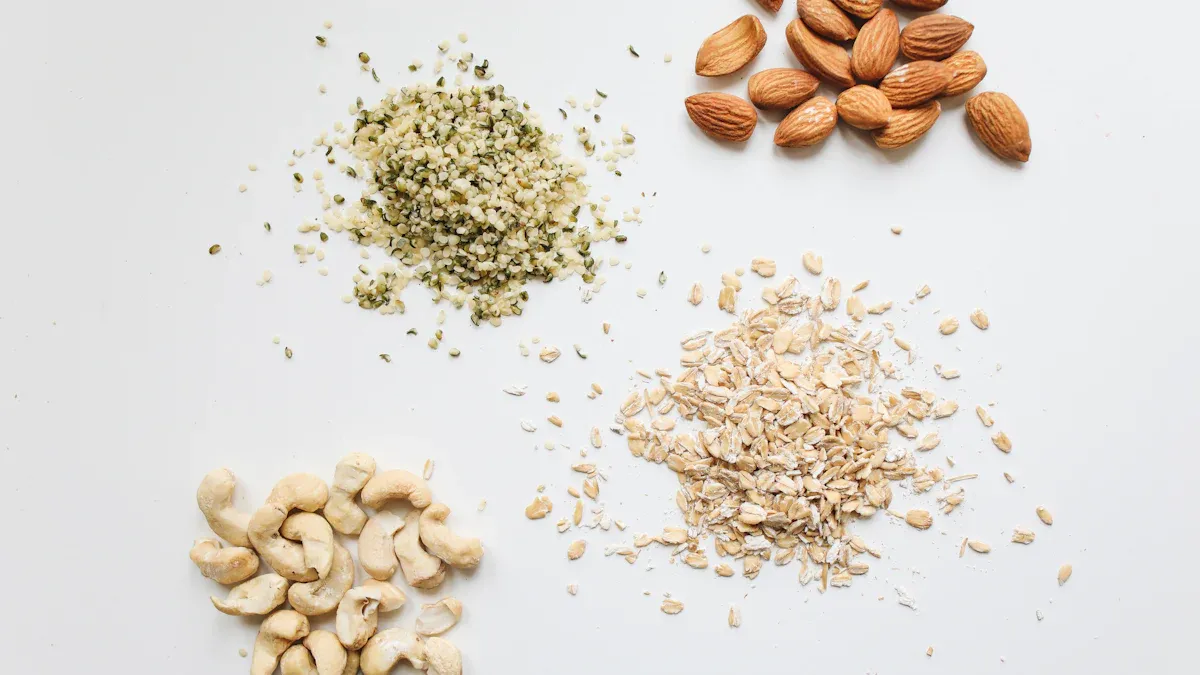
Anti-Inflammatory Foods (Berries, Leafy Greens, Nuts)
A diet rich in anti-inflammatory foods can help reduce joint pain and support mobility. Berries, leafy greens, and nuts stand out for their ability to lower inflammation and protect joint tissues. Berries contain antioxidants like anthocyanins, which help decrease inflammation and shield joints from damage. Leafy greens, such as spinach, provide vitamin K and sulforaphane, both of which contribute to reduced joint inflammation. Nuts and seeds deliver healthy fats, protein, and minerals that lower inflammatory markers and support overall joint health.
Tip: Including a variety of these foods daily can help maintain joint comfort and flexibility.
| Food | Benefit |
|---|---|
| Blueberries | Reduce pain and stiffness in osteoarthritis due to polyphenols and flavonoids |
| Spinach | Supplies vitamin K, magnesium, and calcium for strong bones and joint stability |
| Walnuts | Provide omega-3 fatty acids that lower arthritis biomarkers |
| Strawberries | Offer polyphenols and vitamin C to reduce stress and inflammation in joints |
| Whole grains | Lower inflammatory markers, supporting joint health |
Foods Rich in Antioxidants and Vitamins (Vitamin C, E, D)
Antioxidants and vitamins play a crucial role in protecting joints from oxidative stress and supporting cartilage health. Berries and leafy greens supply antioxidants like anthocyanins, ellagic acid, and carotenoids. Citrus fruits and bell peppers are excellent sources of vitamin C, which is essential for collagen synthesis and cartilage protection. Nuts and seeds provide vitamin E, which has shown pain reduction in osteoarthritis patients. Oily fish and tomatoes add further antioxidant support through omega-3s and lycopene.
| Vitamin | Role in Joint Health | Recommended Dosage |
|---|---|---|
| C | Supports collagen synthesis, reduces oxidative stress | 1,000-1,500mg for 2-3 weeks post-injury |
| D | Linked to improved joint comfort and mobility | N/A |
| E | Antioxidant properties, associated with pain reduction in OA | N/A |
Protein Sources for Collagen Support
Adequate protein intake is vital for collagen production and joint repair. Fish provides marine collagen with high bioavailability. Chicken, especially cartilage, offers natural collagen. Egg whites supply proline, an amino acid necessary for collagen synthesis. Oysters deliver zinc, which is critical for collagen creation and repair. Beans offer plant-based protein and essential amino acids. Citrus fruits and bell peppers, rich in vitamin C, further enhance collagen production. Experts recommend at least 30 grams of protein three times a day to optimize joint health.
Note: Combining these protein sources with antioxidant-rich foods maximizes the benefits of dietary joint health ingredients.
How Joint Health Ingredients Work
Reducing Inflammation
Many joint health ingredients target inflammation, a key factor in joint pain and stiffness. Omega-3 fatty acids, curcumin, S-adenosylmethionine, and zinc play important roles in this process. These compounds interact with cellular signaling pathways to decrease the production of inflammatory molecules. Researchers have found that natural product extracts can reduce joint inflammation through several mechanisms. Both in-vivo and in-vitro studies confirm their ability to manage arthritis symptoms safely and effectively.
- Omega-3 fatty acids help block inflammatory enzymes.
- Curcumin interrupts pathways that trigger swelling.
- S-adenosylmethionine supports healthy joint metabolism.
- Zinc regulates immune responses and reduces oxidative stress.
Supporting Cartilage and Joint Structure
Certain ingredients directly support cartilage health and joint structure. The following table highlights their specific benefits:
| Ingredient | Benefits |
|---|---|
| Glucosamine | Aids in cartilage maintenance and alleviates joint stiffness. |
| Chondroitin | Improves cartilage resilience and reduces pain symptoms, enhancing joint function. |
| Omega-3 Fatty Acids | Provides anti-inflammatory effects, supports joint health by opposing inflammation and cartilage degradation. |
| Vitamin D | Linked to improved muscle strength and joint health, decreases OA pain, and enhances knee function. |
| Hyaluronic Acid | Restores viscoelasticity in joints, relieves OA pain, and promotes cartilage regeneration. |
| Curcumin | Exhibits anti-inflammatory properties, improves physical performance and alleviates OA symptoms. |
| Boswellia Serrata | Reduces inflammation, improves physical function, and enhances knee joint structure. |
Enhancing Mobility and Comfort
Joint health ingredients also help people move more freely and with less discomfort. Clinical studies show that curcumin reduces joint pain and inflammation as effectively as ibuprofen. Boswellia improves mobility and decreases pain, according to research published in Phytomedicine. Omega-3s lower morning stiffness, joint swelling, and pain, supporting daily movement and comfort.
Regular use of these ingredients can lead to noticeable improvements in joint flexibility and overall quality of life.
Practical Strategies for Using Joint Health Ingredients
Choosing Quality Supplements
Selecting effective supplements requires careful attention to product details. Consumers should look for the following criteria:
- Radical transparency in labeling, with clear milligram counts for each nutrient.
- Disclosure of allergen information, especially regarding shellfish.
- A clean label commitment, including non-GMO, gluten-free, and antibiotic-free ingredients, as well as vegetable capsules.
- Manufacturing in FDA-registered and GMP-certified facilities in the USA.
- Clear instructions for optimal usage to achieve real-world results.
These standards help ensure safety, efficacy, and consistency in supplement quality.
Adding Joint-Friendly Foods to Your Diet
Incorporating foods that support joint health can be simple and enjoyable. Many options offer anti-inflammatory and antioxidant benefits:
- Turmeric and ginger add flavor and reduce inflammation.
- Fatty fish, such as salmon, provide omega-3 fatty acids.
- Yogurt supports gut health, which influences inflammation.
- Garlic, broccoli, and onions deliver natural anti-inflammatory compounds.
- Walnuts, berries, and grapes supply antioxidants and healthy fats.
- Olive oil and green tea offer additional anti-inflammatory support.
- Whole grains, beans, and spinach contribute to overall joint wellness.
- Tart cherry juice may improve mobility and reduce pain.
Tip: Rotate these foods throughout the week to maximize nutritional variety.
Dosage and Safety Tips
Proper dosing and safety practices help maximize benefits and minimize risks. For glucosamine, a typical daily dose is 1500 mg, often divided into two or three servings. Chondroitin is commonly taken at 1200 mg per day, also in divided doses. Individuals should consult healthcare professionals before starting new supplements, especially if they have allergies or take medications.
Experts highlight the value of daily habits for joint comfort and mobility.
- Hydration, quitting smoking, and regular exercise support joint health.
- Balanced diets rich in leafy greens and omega-3s reduce inflammation.
| Ingredient | Long-term Benefit |
|---|---|
| Curcumin | Reduces pain and inflammation |
| Type II Collagen | Improves flexibility and cartilage protection |
| Vitamin D | Supports bone density and joint health |
FAQ
What is the best time to take joint health supplements?
Many experts recommend taking joint health supplements with meals. This practice can improve absorption and reduce the chance of stomach upset.
Can someone take multiple joint health ingredients together?
Most people can combine ingredients like glucosamine, chondroitin, and omega-3s. They should consult a healthcare provider before starting a new regimen.
How long does it take to notice results from joint supplements?
Results often appear after four to twelve weeks of consistent use. Individual response times may vary based on health status and supplement quality.
See Also
The Health Benefits of Bovine Gelatin Powder Explained
Creative Methods to Incorporate Bovine Gelatin in Cooking
Key Indicators of High-Quality Bovine Gelatin Powder
Silicone Sealant: The Essential Adhesive for Contemporary Homes
Comparing Bovine Gelatin Powder with Fish and Pork Varieties