Johkasou system makes rural wastewater easy and safe
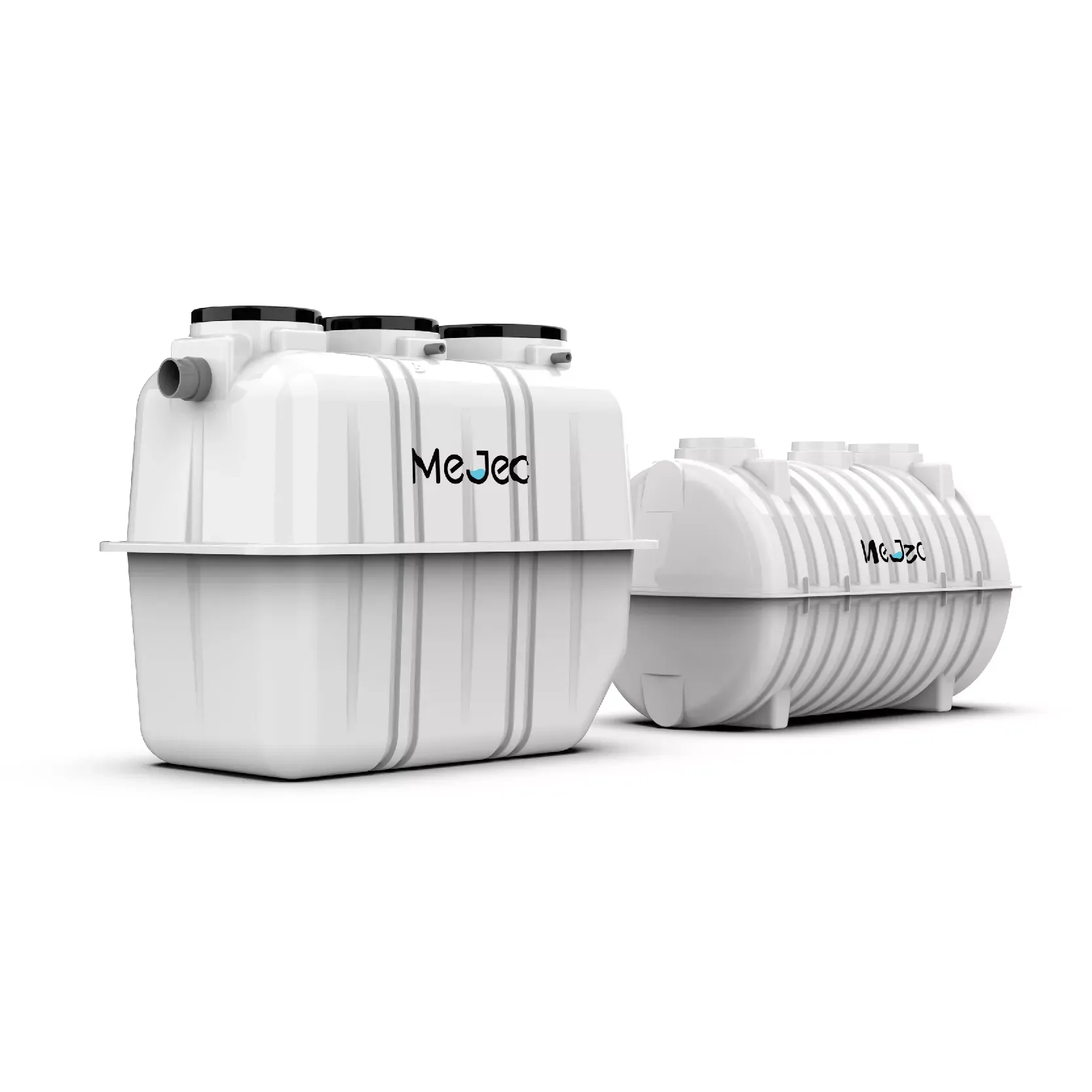
Rural communities often face challenges with wastewater management. The johkasou system offers a sustainable solution that brings many benefits. The Mejec Johkasou-SA stands out for its sustainable design, easy installation, and low maintenance. This johkasou system delivers sustainable benefits, including smart automation and reliable operation. People see sustainable benefits from every johkasou system.
Key Takeaways
The Johkasou system offers a compact and efficient solution for rural wastewater treatment, making it ideal for homes and small businesses.
Installation is quick and easy, often completed in just a few days, which helps rural communities manage wastewater without extensive infrastructure.
Low maintenance requirements and energy efficiency make the Johkasou system a cost-effective choice, reducing operational costs and environmental impact.
Johkasou system overview
What is johkasou stp?
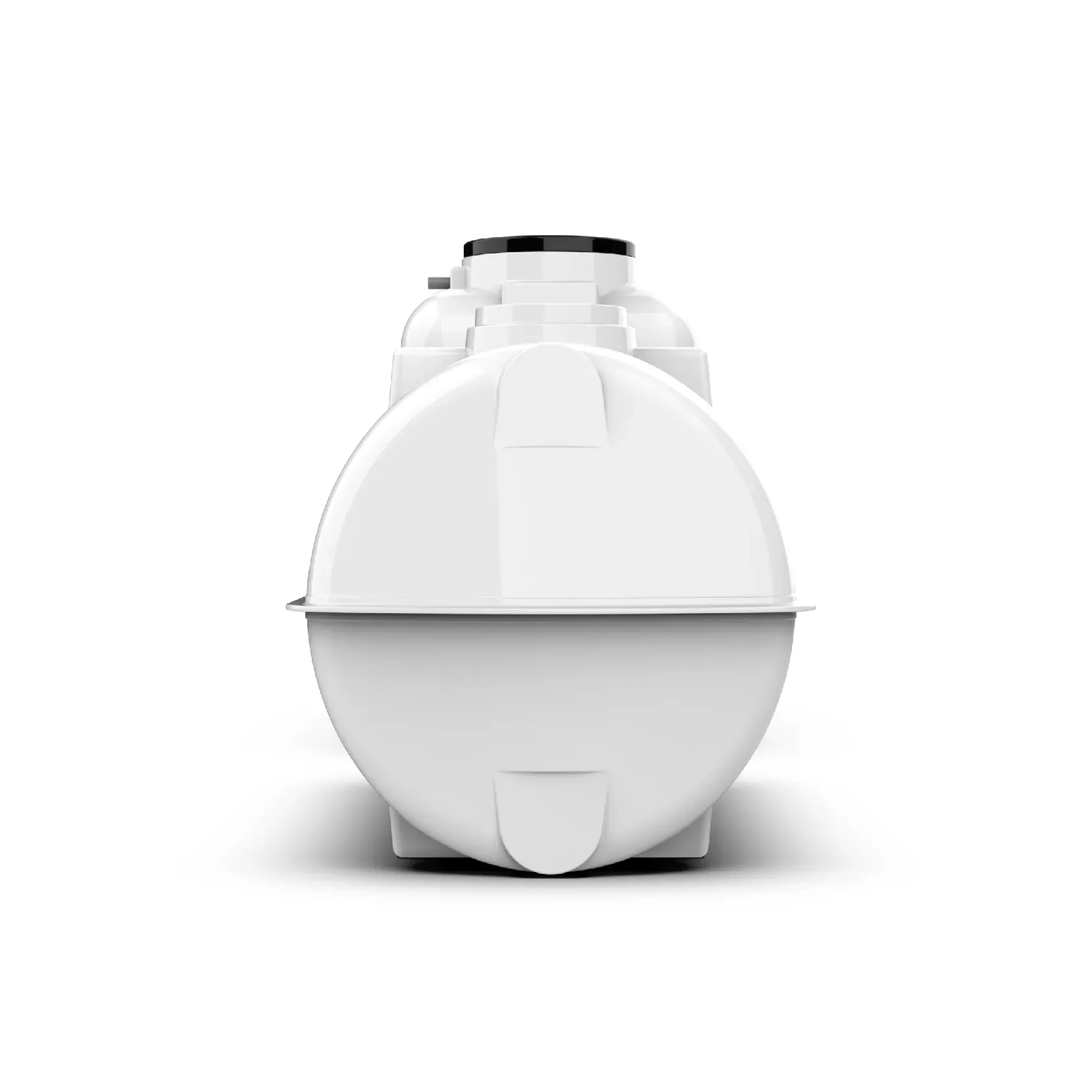
A johkasou stp is a modern wastewater treatment system designed for decentralized wastewater treatment. It works by treating wastewater on-site, which means it does not need a large network of pipes or a central plant. This makes johkasou stp a smart choice for rural areas, villas, and small businesses. The system uses several chambers to clean wastewater before it returns to the environment.
The main components of a johkasou stp include:
Component | Description |
|---|---|
Separation Box and Sedimentation Chamber | Collects and separates wastewater based on gravity. |
Anaerobic Filter Chamber | Decomposes organic material using anaerobic microorganisms. |
Moving Bed Chamber | Simplifies organic waste further through a moving bed process. |
Sedimentation Chamber | Collects settled sludge from the biological process for further treatment. |
Disinfection Chamber | Processes and disinfects waste before release or further treatment. |
Inbuilt Circulation Line | Facilitates continuous recirculation to aid in denitrification and maintain water flow in the system. |
Each chamber plays a role in the treatment process. The system removes harmful substances and produces clean water.
Key features for rural wastewater
Johkasou stp stands out for its patented design. The water distribution mechanism prevents dead zones and short-circuits in the purification tank. This helps the system use its full volume for treatment. The primary treatment unit acts as both an anaerobic digester and a storage site for excess sludge. This boosts the efficiency of the johkasou stp.
The compact size of johkasou stp allows for flexible installation in places with limited space. It fits well in rural homes, villas, and small commercial sites. The system can achieve a BOD removal rate of 90% or higher, which means it produces high-quality treated water. Johkasou stp is a reliable solution for rural wastewater needs.
Wastewater treatment solutions for rural areas
Simple installation and operation
Many rural communities need wastewater treatment solutions that are easy to install and operate. The Johkasou-SA system meets this need with a compact design and rapid construction process. Most installations do not require large equipment or deep excavation. The system can be placed underground, which saves space and keeps the area looking natural.
The table below shows how Johkasou-SA addresses common challenges during installation:
Challenge Type | Description | Johkasou-SA Solution |
|---|---|---|
Technological Constraints | Wastewater characteristics can affect efficiency. | Site-specific evaluations for technology selection. |
Social Factors | Community acceptance and understanding of decentralized systems. | Education and outreach programs to inform users. |
Regulatory Issues | Compliance with local regulations can be complex. | Designed to meet local regulatory standards. |
Johkasou systems are on-site wastewater treatment tanks. They treat wastewater for single households or small groups of buildings. These systems offer a decentralized alternative to traditional sewer systems. The DeepDragon® Smart System allows for real-time remote monitoring and automatic control. This feature reduces the need for technical staff and makes operation simple for rural users.
Low maintenance and energy efficiency
Rural areas often have limited access to skilled maintenance workers. The Johkasou-SA system requires only basic maintenance tasks. Most users need to remove sludge every few months or once a year. Other tasks, such as checking mechanical parts or sensors, are done as needed. The table below lists typical maintenance requirements:
Maintenance Task | Frequency |
|---|---|
Periodic sludge removal (desludging) | Quarterly to annually |
Checking mechanical components | As needed |
Monitoring and calibrating sensors | As needed |
Inspecting electrical systems | As needed |
Replenishing biological media | As needed |
The system uses an energy-efficient design. It has low electricity costs and a long service life. The micro-power energy-saving design makes it suitable for household rural sewage treatment. Recent improvements in solar technology have made Johkasou systems even more efficient. Solar panels now provide more power and store energy better than before. This means lower operational costs and reliable performance for rural wastewater treatment.
💡 Tip: The buried design of Johkasou-SA also reduces noise, making it ideal for villas, homestays, and other noise-sensitive places.
Advanced treatment process
The Johkasou-SA system uses a multi-stage process to clean wastewater. Each stage removes different types of pollutants. The main stages are:
Sedimentation: Solids settle at the bottom, making the water clearer.
Anaerobic treatment: Microorganisms break down organic matter without oxygen.
Aerobic treatment: Other microorganisms use oxygen to remove more pollutants.
Disinfection: The final stage kills harmful bacteria before the water is released.
Scientific studies show that these stages work well together. For example, after treatment, turbidity drops by 40%, total suspended solids by 60%, and chemical oxygen demand by 59%. This means the water leaving the system is much cleaner and safer for the environment.
Johkasou systems are compact biological treatment units. They fit well in areas with limited space. Their underground installation reduces both visual impact and noise. These features make them a good choice for rural settings where space and quiet are important.
Safety and environmental impact
Effective contaminant removal
Johkasou systems play a key role in rural wastewater treatment. These systems remove many harmful substances from sewage. In Bangladesh, many rural communities use johkasou systems to improve water quality. The table below shows how well these systems remove common contaminants from wastewater:
Contaminant | Removal Rate (%) |
|---|---|
Turbidity | Up to 98.99% |
Suspended Solids | 31.25% to 58.5% |
Ammonia Nitrogen | 31.25% to 58.5% |
This high removal rate means that treated sewage is much safer for the environment. In Bangladesh, johkasou systems help reduce pollution in rivers and ponds. These systems also produce low sludge, which makes maintenance easier and lowers the risk of environmental harm.
Compliance with standards
Johkasou systems meet strict environmental rules for wastewater treatment. In Bangladesh, these systems often achieve better results than traditional septic tanks. The table below shows typical values for treated water from johkasou sewage treatment plants:
Parameter | Typical Value |
|---|---|
Biochemical Oxygen Demand (BOD) | Below 20 mg/L |
Suspended Solids (SS) | Under 20 mg/L |
These results show that johkasou systems can meet or exceed local and international standards. Many rural projects in Bangladesh have used johkasou systems to improve public health and protect the environment. For example, a village in northern Bangladesh replaced old septic tanks with johkasou units. The community saw a drop in waterborne diseases and cleaner local streams.
Protecting local water sources
In Bangladesh, protecting water sources is very important. Johkasou systems treat wastewater on-site, which helps prevent groundwater pollution. This is vital in rural areas where people rely on wells and ponds for drinking water. By separating and disinfecting sewage, johkasou systems stop harmful bacteria from reaching rivers and lakes. This process supports sustainable wastewater treatment and keeps water safe for reuse.
Johkasou systems also lower water bills and reduce the risk of infections. In Bangladesh, many families now use treated water for irrigation. This practice supports sustainable wastewater treatment and helps communities stay healthy. Compared to traditional septic tanks, johkasou systems offer better protection for local water sources and have a positive impact on rural life in Bangladesh.
Mejec Small Capacity Buried Johkasou
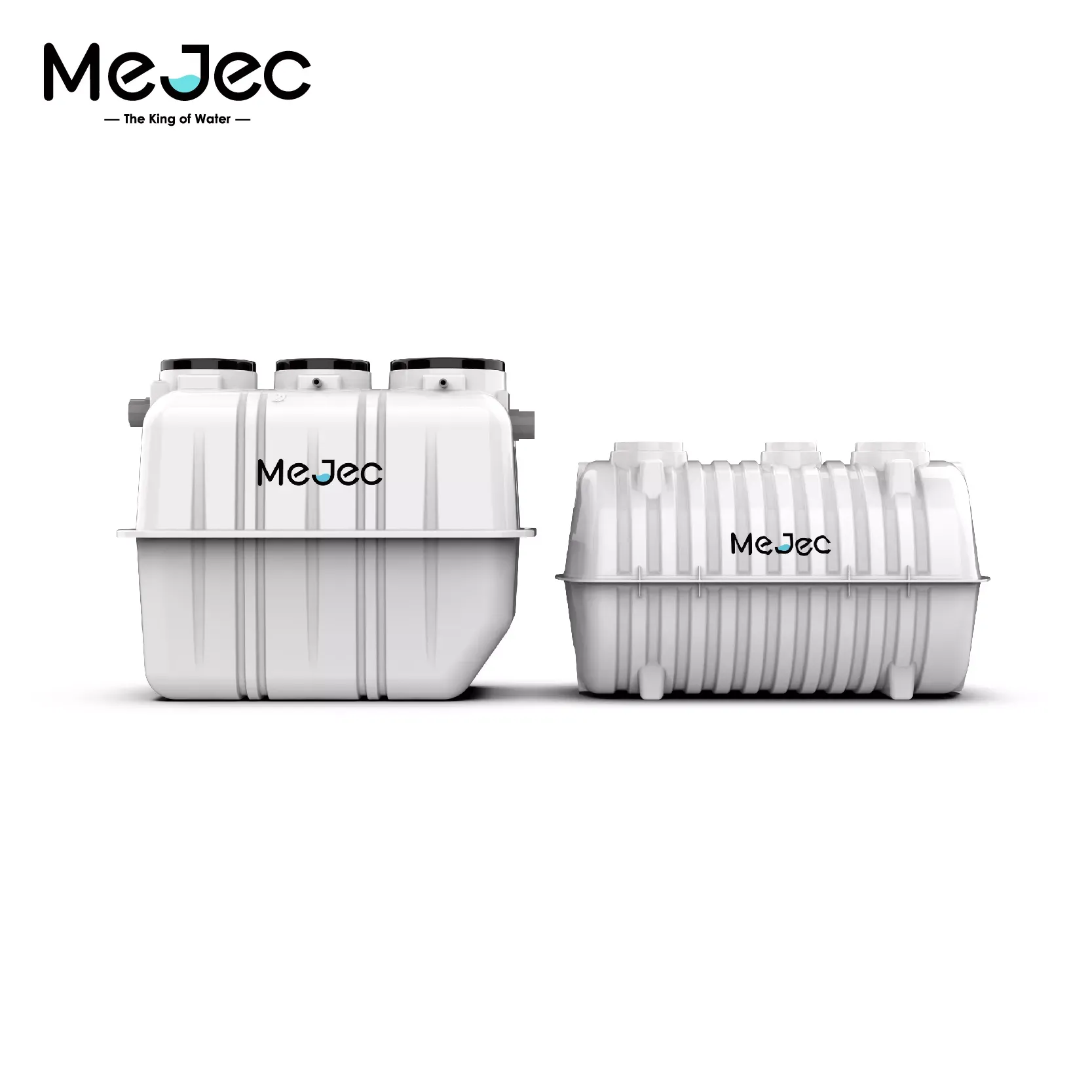
The Mejec Small Capacity Buried Johkasou system offers a modern approach to wastewater treatment in rural areas. Many small communities need a solution that fits their unique needs. This system provides reliable wastewater treatment without the need for large infrastructure. It works well for homes, villas, and small businesses that do not have access to city sewer lines.
Here are some ways the Mejec Small Capacity Buried Johkasou system supports rural wastewater treatment:
The compact design allows for easy installation in small spaces.
Flexible options let users choose the right size for their wastewater treatment needs.
The system treats sewage on-site, so there is no need for long pipelines.
Low energy use and quiet operation help keep rural areas peaceful.
The buried design protects the natural landscape and reduces visual impact.
Many rural areas benefit from this type of wastewater treatment. The system helps protect water sources and supports healthy communities. It also makes wastewater treatment affordable and practical for remote locations.
The table below shows important facts about the Mejec Small Capacity Buried Johkasou system:
Metric | Value/Description |
|---|---|
Effluent Quality | Meets strict standards for reuse, such as irrigation or toilet flushing |
Removal Rates | Often exceeds 95% for BOD and suspended solids |
Population Served | Millions use decentralized wastewater treatment systems in the U.S. |
Cost-Effectiveness | Saves money while protecting health and water quality |
Environmental Impact | Reduces untreated wastewater discharge in many regions |
Energy Optimization | Some systems use solar power or anaerobic processes for energy |
Revenue Streams | Treated water and nutrients can be reused or sold |
Resilience to Climate Events | Works well even during floods or storms |
💡 The Mejec Small Capacity Buried Johkasou system makes wastewater treatment simple, safe, and sustainable for rural communities.
Johkasou systems offer sustainable wastewater management for rural communities. The table below highlights key advantages:
Advantage | Benefit |
|---|---|
Compact underground unit | Saves space and blends into surroundings |
Low energy use | Reduces costs and noise |
High effluent quality | Supports safe water reuse |
For project-specific solutions, contact local providers or explore expert resources.
FAQ
How long does it take to install a Johkasou system?
Most installations finish within a few days. The compact design allows quick setup.
Tip: Site conditions may affect installation time.
What maintenance does a Johkasou system require?
Regular sludge removal and occasional checks of mechanical parts keep the system running well.
Sludge removal: Quarterly or yearly
Mechanical checks: As needed
Can treated water from Johkasou systems be reused?
Yes, treated water meets strict standards for reuse.
Use Case | Suitability |
|---|---|
Irrigation | ✅ |
Toilet flushing | ✅ |