How X-Ray Technology Ensures Cleanliness in Jar Packaging
- Jar inspection x-ray systems detect contaminants in jarred products.
- These machines scan each jar, finding foreign materials that threaten product quality.
- Manufacturers rely on this technology to ensure clean packaging.
Consumers trust jar inspection x-ray to deliver safe food every time.
Jar Inspection X-Ray: How the Process Works
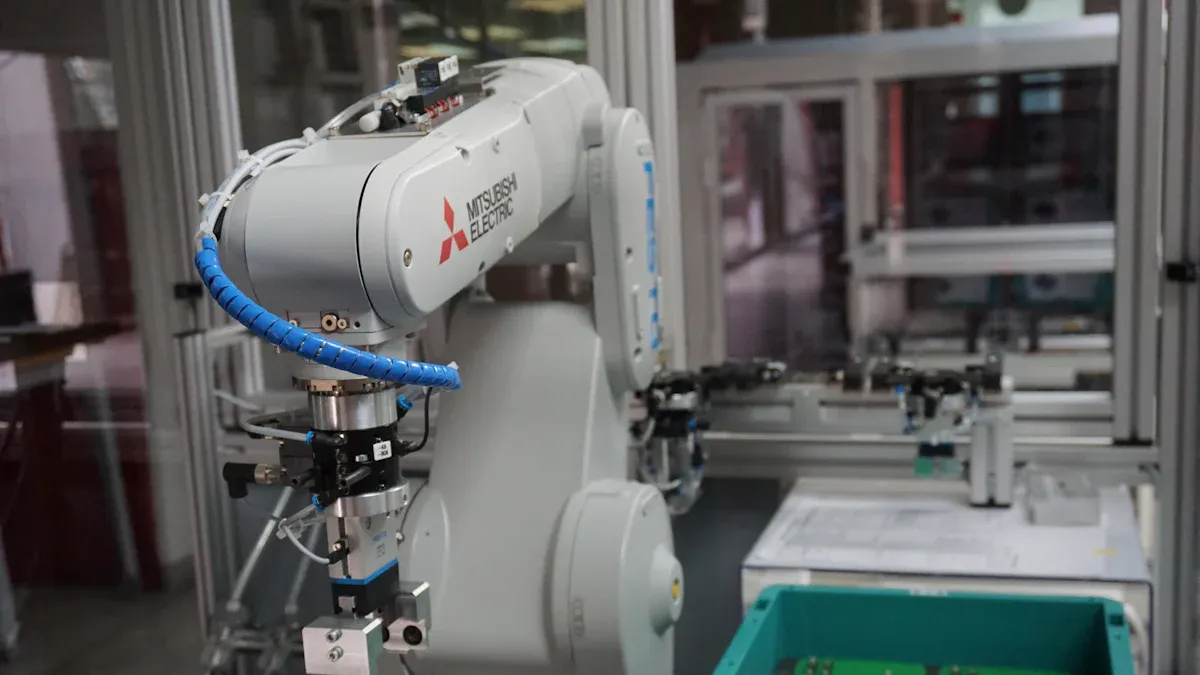
Scanning Jars for Contaminants
Jar inspection x-ray systems operate in a series of precise steps designed to maintain product safety. The process begins when food products move in front of the inspection system. High-frequency electromagnetic radiation beams pass through each jar, allowing the system to analyze the contents. The product absorbs portions of the X-rays, which creates distinct patterns on the detector wall. Advanced systems use multiple X-ray beams to examine complex layers within the jar. The inspection identifies physical contaminants and highlights missing or broken products. The entire process aligns with critical control points to ensure consistent quality.
| Step | Description |
|---|---|
| 1 | Food products are placed in front of the X-ray inspection system. |
| 2 | High-frequency electromagnetic radiation beams are emitted towards the product. |
| 3 | The product absorbs portions of the X-rays, creating patterns that reach the target wall. |
| 4 | Advanced systems use multiple X-rays to analyze complex layers of the product. |
| 5 | The system detects physical contaminants and identifies missing or broken products. |
| 6 | The inspection process is streamlined to adhere to critical control points. |
Operators calibrate these systems by assessing generator power, detection sensitivity, and throughput speed. They also consider inspection area dimensions and image resolution to match various jar sizes. Training programs teach operators how to interpret X-ray images, respond to system alerts, and perform routine maintenance. These steps ensure accurate contaminant detection and reliable operation.
Jar inspection x-ray technology adapts to jars of different sizes and shapes. Dual-beam systems provide multiple viewing angles, which helps identify contaminants hidden in complex geometries.
Identifying Foreign Materials with Density Contrast Imaging
Density contrast imaging plays a vital role in identifying foreign materials inside jarred products. The system transmits low-dose radiation through the filled container, detecting differences in material density. This method highlights contaminants that differ in density from the food, such as glass shards or metal fragments. Dual-angle systems enhance detection by inspecting jars at optimal angles, increasing the likelihood of finding hidden impurities.
Terahertz time-domain spectroscopy (THz-TDS) further improves detection by measuring differences in density and refractive index. This technique enables non-destructive identification of both high-density and low-density foreign bodies, including organic materials like insects. Traditional X-ray imaging often struggles to detect contaminants with similar density levels as the product, but density contrast imaging overcomes this limitation.
X-ray systems use advanced imaging technology and algorithms to analyze the composition of materials. AI algorithms improve detection accuracy and inspection speed, allowing the system to distinguish between harmless and harmful foreign objects. These capabilities reduce false positives and ensure only safe products reach consumers.
Removing Contaminated Jars from Production
Once the jar inspection x-ray system detects a contaminant, it triggers an automatic reject mechanism. This feature removes defective jars from the production line without slowing down operations. The system supports high-speed environments, inspecting up to 600 containers per minute. Real-time inspection ensures that only jars meeting quality standards continue through the packaging process.
Manufacturers rely on data logging and compliance features to store inspection records for traceability and regulatory requirements. The system remains unaffected by the color of the glass and integrates seamlessly into automated production lines. Operators receive training to respond to system alerts and perform regular maintenance, which maintains accuracy and reliability.
- X-ray inspection systems can identify defects such as missing caps and broken seals.
- Integration with other quality control technologies enhances overall effectiveness.
- After-sales support, including technical assistance and training, ensures ongoing system performance.
Jar inspection x-ray technology provides manufacturers with confidence in product safety. The ability to remove contaminated jars quickly protects consumers and supports brand reputation.
Types of Contaminants Detected by X-Ray Systems
Glass Shards and Fragments
Glass shards present a significant risk in jarred products. These fragments can originate from damaged jars or breakage during the filling process. Jar inspection x-ray systems excel at detecting even small pieces of glass, which may not be visible to the naked eye. The technology identifies differences in density, making it possible to spot glass fragments embedded within food. Manufacturers rely on this capability to prevent glass-related recalls and protect consumer safety.
Glass and ceramics, including fragments from jars or cooking vessels, rank among the most frequently detected contaminants in jar packaging.
Metal Pieces and Wires
Metal contamination can occur from machinery wear, broken equipment, or accidental introduction during processing. Jar inspection x-ray systems detect a wide range of metals, such as iron, aluminum, and stainless steel. Unlike traditional metal detectors, x-ray systems can inspect sealed jars and identify both ferrous and non-ferrous metals, even when packaging includes metal components.
“The X-ray system enables us to inspect for non-metal contaminants such as glass, which allows us to achieve the highest specifications.”
- X-ray systems can detect:
- Ferrous metals
- Non-ferrous metals
- Stainless steel
- Metal wires
Stones, Plastics, and Other Foreign Objects
Non-metallic contaminants also pose a threat to product quality. Stones, hard plastics, rubber, bone fragments, and ceramics can enter the production line through raw materials or equipment. Jar inspection x-ray technology detects these foreign objects by analyzing density differences, even when contaminants are small or hidden within the product.
| Contaminant Type | Description |
|---|---|
| Stones | Various types of mineral fragments |
| Dense Plastics | Hard-to-detect plastic pieces |
| Bone Fragments | Pieces of bone from raw materials |
| Ceramic | Fragments from vessels or tools |
| Hard Rubber | Industrial rubber contaminants |
- X-ray systems can identify high-density contaminants down to 0.3mm, ensuring comprehensive protection.
Why Jar Inspection X-Ray Outperforms Traditional Methods
Limitations of Visual and Metal Detection
Traditional inspection methods present several challenges for manufacturers. Visual inspection relies on human judgment, which can miss small or hidden contaminants. Metal detectors only identify metallic objects, leaving non-metallic threats undetected. These limitations can compromise product safety and quality.
- X-ray systems detect a broader range of contaminants, including non-metallic ones, which visual inspections cannot identify.
- Metal detectors operate by creating electromagnetic fields and rely on magnetic permeability differences, limiting their detection capabilities to metallic contaminants.
- Jar inspection x-ray technology utilizes electromagnetic radiation to differentiate contaminants based on density, allowing for the detection of various materials such as metal, bone, and dense plastics.
Advantages of X-Ray Technology in Jar Packaging
Jar inspection x-ray systems offer significant benefits over traditional methods. They inspect products without causing damage, preserving product integrity. These systems operate continuously, reducing downtime and improving production efficiency. Manufacturers achieve higher accuracy and reliability, even at high speeds.
- X-ray machines detect a wider range of contaminants, including metals, glass, small bones, stone, and plastic.
- Systems perform inspections without damaging products, ensuring precision.
- Continuous operation reduces downtime and increases efficiency.
- Detection of very small contaminants ensures compliance with safety standards.
Manufacturers choose jar inspection x-ray systems to maintain high standards and protect consumers from a variety of hazards.
Compliance with Food Safety Standards
Regulatory compliance remains a top priority for food manufacturers. Jar inspection x-ray systems support adherence to international food safety standards and provide essential documentation for audits.
| Benefit | Description |
|---|---|
| Comprehensive Contaminant Detection | X-ray systems identify metals, glass, bones, stone, and plastic, which are critical for food safety. |
| Traceability and Documentation | Detailed imaging serves as inspection records for regulatory audits and traceability requirements. |
| Adherence to International Standards | Systems help manufacturers comply with HACCP, ISO 22000, and EU food safety guidelines. |
The Food Safety Modernization Act (FSMA) requires manufacturers to implement proactive safety measures, including hazard analysis and preventive controls. Jar inspection x-ray technology helps companies meet these requirements by detecting a wide range of contaminants and supporting thorough risk assessments.
Jar inspection x-ray technology plays a vital role in maintaining clean and safe jar packaging. Manufacturers benefit from its ability to detect contaminants, preserve inventory, and reduce recalls.
- Detects glass, plastic, and rubber as small as 0.8 mm
- Supports regulatory compliance and brand reputation
- Enhances consumer trust and product integrity
| Impact Area | Description |
|---|---|
| Package Integrity | Ensures airtight seals and freshness |
| Contaminant Detection | Identifies foreign particles that threaten safety and quality |
| Fill Level Control | Maintains proper fill levels for consumer satisfaction |
FAQ
How does jar inspection x-ray technology improve food safety?
The system detects contaminants like glass, metal, and plastic. Manufacturers prevent unsafe products from reaching consumers, reducing recalls and protecting brand reputation.
Can x-ray inspection systems damage food or packaging?
X-ray inspection uses low-dose radiation. Food and packaging remain unaffected. The process preserves product integrity and meets strict safety standards.
What types of jars can x-ray systems inspect?
- Glass jars
- Plastic jars
- Metal-lidded jars
Manufacturers calibrate systems for different sizes and shapes, ensuring reliable contaminant detection.
See Also
Enhancing Pharmaceutical Efficiency With Capsule Decapsulation Technology
Essential Guidelines for Safe Nitric Acid Storage Practices
The Importance of Capsule Sorters in Eliminating Defects
Key Features and Definitions of Pharmaceutical Checkweighers