Is Rock Wool Fireproof and Safe? A Comprehensive Analysis of ABM® Rock Wool Safety and Applications
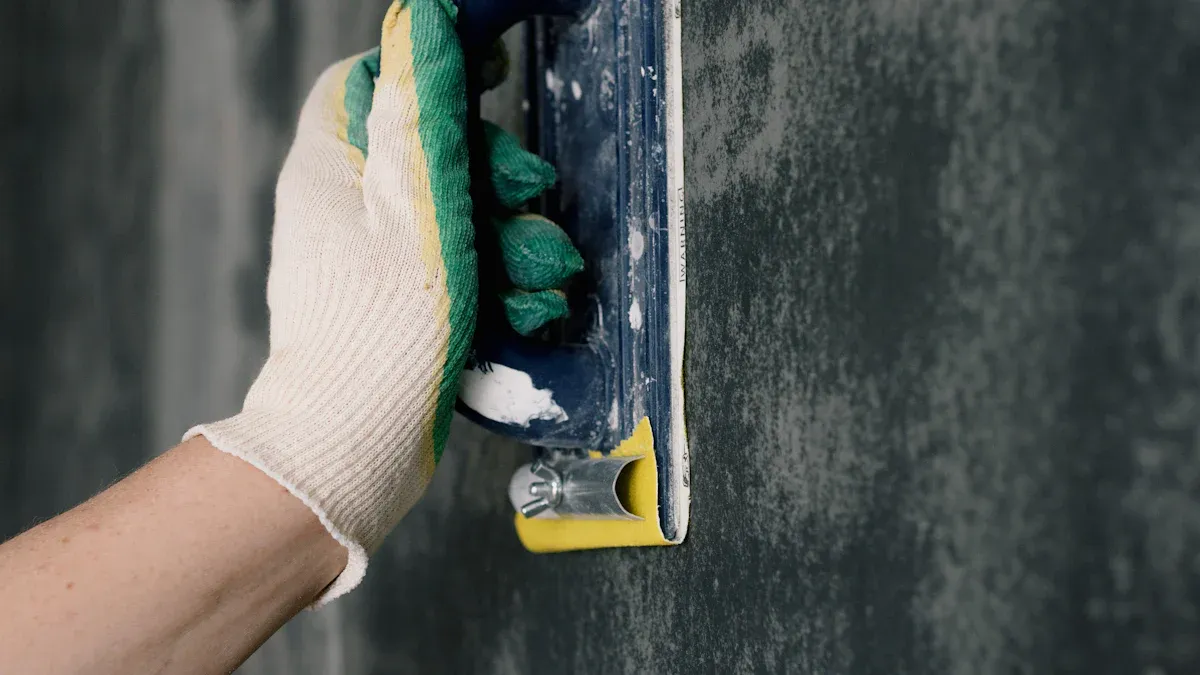
ABM® rockwool offers exceptional fire resistance, withstanding temperatures over 1000°C (1832°F) without melting. International health agencies also classify its fibers as non-carcinogenic, confirming the safety of rockwool when standard guidelines are followed. This level of protection from rockwool is vital, as U.S. building fires caused over $11 billion in losses in 2023 alone.
Key Takeaways
- ABM® Rock Wool does not burn. It stops fire from spreading and keeps buildings safe.
- ABM® Rock Wool fibers are safe. Health groups say they do not cause cancer.
- This rock wool helps buildings in many ways. It blocks fire, sound, and mold.
Unpacking the Fireproof Performance of ABM® Rock Wool
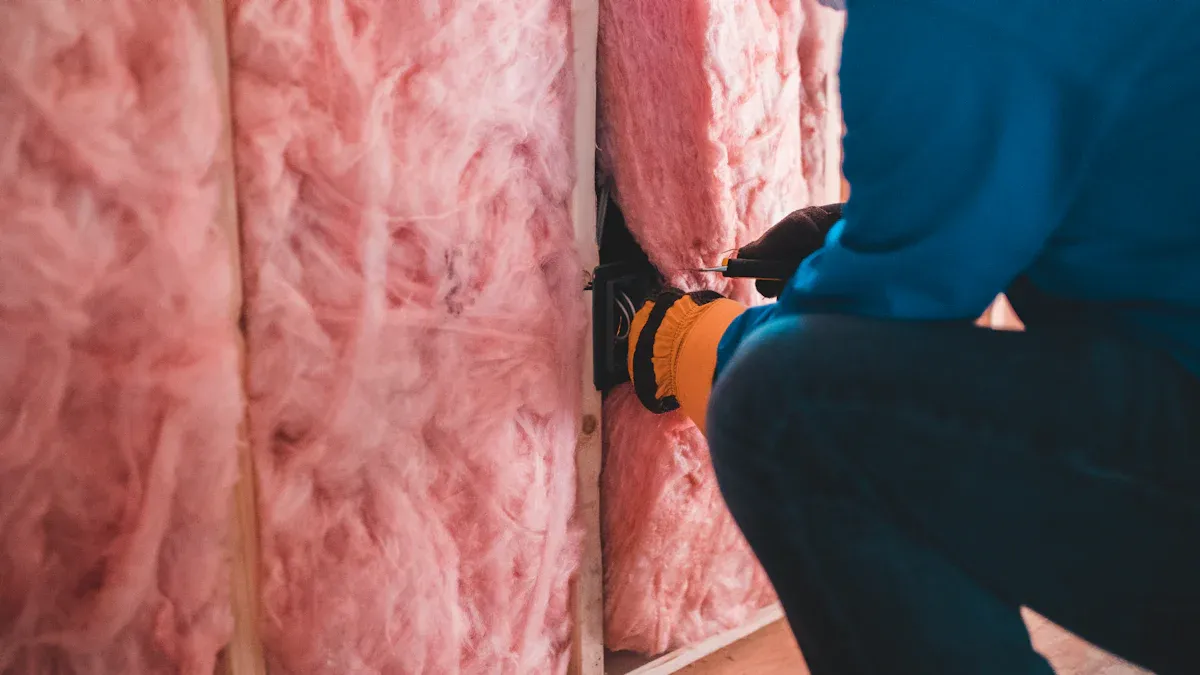
The fireproof qualities of ABM® Rock Wool are not an additive feature; they are an intrinsic property of the material itself. Its performance in a fire is a direct result of its unique composition and manufacturing process. This section explores the specific characteristics that make it a superior choice for fire safety.
Non-Combustible by Nature
ABM® Rock Wool originates from natural volcanic rock, primarily basalt. The manufacturing process melts this rock at extremely high temperatures, typically between 1400°C and 1600°C, before spinning it into fibers. This process creates a material that is inherently non-combustible. It simply cannot burn. Unlike other insulation materials that may rely on chemical treatments for fire resistance, rock wool's fireproof nature is built-in.
💡 Did You Know? ABM® Rock Wool can withstand direct exposure to temperatures exceeding 1000°C (1832°F) without melting or producing smoke.
A comparison with other common insulation types highlights its superior performance.
| Insulation Type | Fire Resistance Characteristics |
|---|---|
| ABM® Rock Wool | Inherently non-combustible. Acts as a fire barrier, containing flames. |
| Fiberglass | Non-combustible but melts at lower temperatures and does not block fire as effectively. |
| Cellulose | Made from paper and treated with fire retardants, which can degrade over time. |
Key Fire Safety Certifications
ABM® Rock Wool’s performance is verified by rigorous international standards. It achieves the highest possible fire classification: Euroclass A1. This classification, defined by the European standard EN 13501-1, is reserved for materials that are completely non-combustible.
To earn an A1 classification, a product must pass two demanding tests:
- Non-Combustibility Test (EN ISO 1182): This test measures if a material will contribute to a fire.
- Heat of Combustion Test (EN ISO 1716): This test determines the total amount of heat the material could release if it burns.
Achieving the A1 rating confirms that ABM® Rock Wool does not contribute to fire growth at any stage, even in a fully developed blaze. This provides objective, third-party validation of its exceptional fire safety.
A Barrier Against Fire Spread
Beyond simply not burning, ABM® Rock Wool plays a critical active role in passive fire protection. Its dense, stable structure allows it to function as a highly effective fire barrier. When installed in walls, floors, and ceilings, it helps create fire-resistant compartments within a building.
This compartmentalization is crucial for safety. It works by:
- Containing Flames: The insulation holds fire within a specific area, preventing it from spreading to other parts of the structure.
- Maintaining Structural Integrity: It does not shrink, melt, or create gaps when exposed to intense heat. This ensures the fire barrier remains intact.
- Limiting Toxic Smoke: Since it does not burn, the insulation releases no significant toxic smoke. Smoke inhalation is a primary danger in fires, making this a life-saving benefit.
By slowing fire progression, the insulation provides occupants with invaluable time to evacuate and gives first responders a safer window to manage the emergency. This robust performance makes it an essential component for securing homes, commercial buildings, and industrial facilities against the threat of fire.
Why ABM® Rockwool is Safe for Your Health
While the fireproof nature of ABM® Rock Wool is a primary benefit, its safety for human health is equally important. Concerns about inhalable fibers are valid, but modern manufacturing and extensive research have addressed these issues comprehensively. ABM® Rock Wool is engineered to be safe for installers, occupants, and the environment.
Addressing Fiber Safety Concerns
Historical questions about mineral fibers have led to rigorous scientific investigation. The International Agency for Research on Cancer (IARC), a part of the World Health Organization, provides the most authoritative classifications on this topic. In 2002, the IARC re-evaluated man-made vitreous fibers (MMVF), including rock wool.
The agency officially moved rock wool from Group 2B ('possibly carcinogenic') to Group 3 ('not classifiable as to its carcinogenicity in humans'). This decision was based on a large body of epidemiological data from studies of American and European manufacturing workers. These studies did not find a consistent link between fiber exposure and an increased risk of lung cancer or mesothelioma. Subsequent reviews have consistently affirmed this Group 3 classification, confirming the material's safety profile.
Key Takeaway: Leading global health organizations have concluded there is inadequate evidence to classify rock wool fibers as carcinogenic to humans.
This modern rockwool is fundamentally different from hazardous materials of the past. Its fibers are bio-soluble, a critical safety innovation. Bio-soluble fibers have several key characteristics:
- They are designed to dissolve in bodily fluids, like those in the lungs.
- This property means they are cleared from the body quickly and do not persist.
- They are non-carcinogenic and non-irritant, offering a safer alternative to older fiber types.
This bio-solubility ensures that even if fibers are accidentally inhaled during installation, they do not pose a long-term health risk.
Proper Handling and Installation
Although the fibers are non-carcinogenic, they can cause temporary mechanical irritation to the skin, eyes, or respiratory tract during installation. Following proper handling procedures eliminates this issue and ensures a safe work environment. Occupational Safety and Health Administration (OSHA) guidelines provide a clear framework for protection.
Installers should always wear appropriate Personal Protective Equipment (PPE) to minimize contact. The necessary equipment is straightforward and readily available.
| Recommended PPE | Purpose |
|---|---|
| N95 Respirator | Prevents inhalation of airborne fibers and dust. |
| Safety Glasses | Protects eyes from airborne particles and debris. |
| Gloves | Prevents direct skin contact and potential irritation. |
| Long-Sleeved Clothing | Covers arms and legs to minimize skin exposure. |
Following these simple precautions makes the installation process completely safe. After installation, it is good practice to clean the work area with a HEPA-filter vacuum to remove any residual dust and fibers.
Long-Term Indoor Air Quality
Once installed and enclosed behind drywall or other building materials, ABM® Rock Wool is stable and poses no threat to indoor air quality. The fibers are not prone to breaking down or becoming airborne in a finished building. This stability ensures a healthy living and working environment for occupants over the building's entire lifespan.
Furthermore, ABM® Rock Wool is an inorganic material. It does not support mold growth or provide a food source for pests. This resistance to biological contaminants contributes directly to healthier indoor air by preventing the release of mold spores and other allergens. Choosing ABM® Rock Wool not only enhances fire safety but also helps create a clean, durable, and non-toxic indoor space for decades to come.
Beyond Fire: Additional Safety Benefits
ABM® Rock Wool delivers comprehensive safety that extends far beyond its fireproof properties. Its unique physical characteristics provide additional layers of protection, contributing to a healthier, quieter, and more durable building environment. These inherent benefits make it a superior choice for long-term peace of mind.
Resisting Mold and Moisture
Moisture intrusion can compromise a building's structural integrity and air quality. ABM® Rock Wool actively resists these threats. The material is inorganic and vapor-permeable, allowing moisture to pass through it without being absorbed. This prevents the conditions necessary for mold and mildew growth.
Its inorganic nature means it provides no food source for fungi. This resistance is built-in, not added with chemicals.
This inherent quality helps maintain a healthier indoor environment by preventing the proliferation of harmful mold spores.
Superior Acoustic Insulation
A quiet interior space enhances comfort and productivity. The dense structure of ABM® Rock Wool makes it an exceptional acoustic insulator. It effectively absorbs sound waves, reducing noise transmission between rooms and from the outside.
Experts agree its density gives it a significant advantage over other insulation types.
- It achieves a high Sound Transmission Class (STC) rating, typically between 45 and 52.
- This performance significantly dampens airborne noise, creating a more peaceful atmosphere.
- Less dense materials like fiberglass offer much lower acoustic performance in comparison.
A Durable, Long-Lasting Solution
Investing in building materials requires confidence in their longevity. ABM® Rock Wool is an incredibly durable and stable material. It does not sag, slump, or lose its insulating properties over time. Made from stone, this rockwool insulation is designed to last for the entire lifespan of a building, with performance that can exceed 100 years. This durability ensures that its fire safety, thermal, and acoustic benefits remain effective for decades without needing replacement.
Key Applications for Fire Safety and Peace of Mind
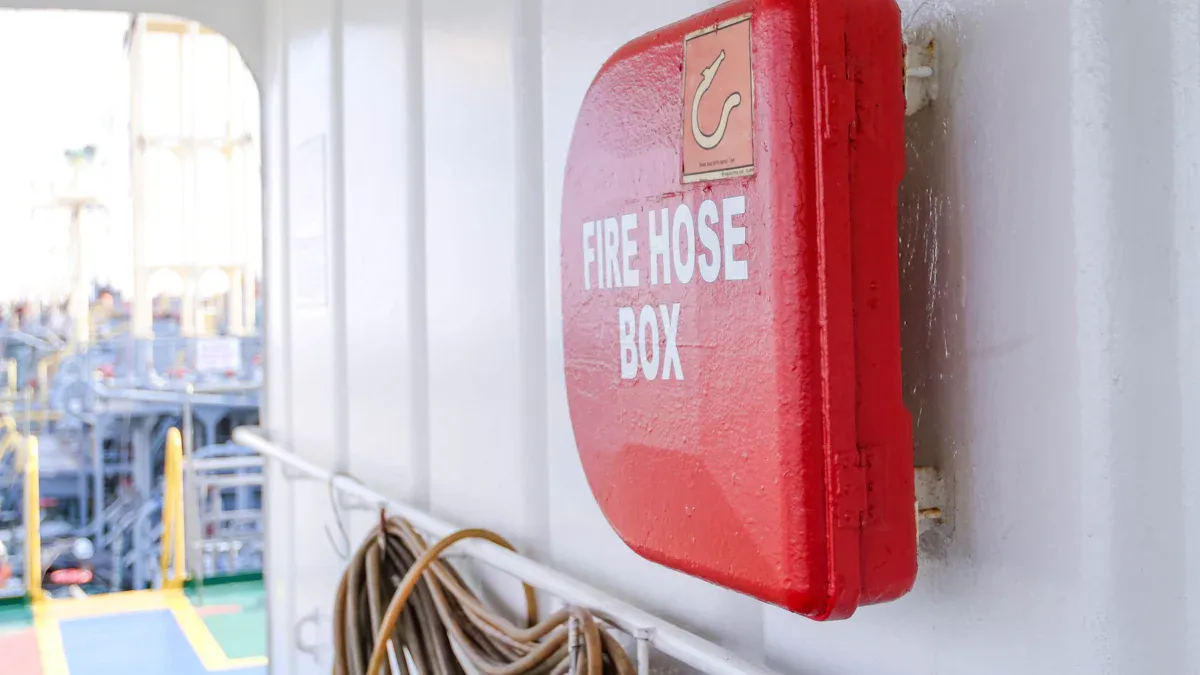
The versatility of ABM® Rock Wool allows it to deliver superior fire protection across residential, commercial, and industrial settings. Its inherent non-combustibility makes it a critical component for building safer structures everywhere.
Protecting Your Home and Family
In residential construction, ABM® Rock Wool provides an essential safeguard. It easily meets the Class 1 Fire Rating required by many building codes, which mandates a low flame spread and smoke development index. Unlike chemically treated cellulose or fiberglass that melts, its fibers form a durable barrier. This performance was central to the design of the California House in a high-risk fire zone, where this insulation was specified to meet stringent ignition-resistance standards. Using ABM® Rock Wool in walls, attics, and floors contains fire, giving families precious time to evacuate.
Securing Commercial Buildings
High-rise and commercial buildings face strict fire safety regulations. ABM® Rock Wool helps properties meet these demands by preventing flame spread and smoke production. Its non-combustible nature is crucial for protecting structural integrity and occupant safety. Furthermore, its use contributes to green building certifications like LEED. Projects can earn points for enhanced energy performance, improved indoor environmental quality, and building material safety. This makes the insulation a smart choice for both safety compliance and sustainability goals.
Industrial Fire-Safe Solutions
Industrial facilities like refineries and offshore platforms handle volatile materials at extreme temperatures. ABM® Rock Wool is essential for passive fire protection in these high-risk environments. It insulates critical piping and equipment, preventing heat transfer and maintaining structural integrity during a fire. This rockwool is vital for process safety in hydrocarbon facilities, where it can provide up to two hours of protection against intense blazes. Its ability to withstand temperatures over 1000°C makes it an indispensable safety material for protecting lives and high-value assets.
ABM® Rock Wool is a proven, non-combustible material providing top-tier fire resistance to protect structures. Health agencies confirm its bio-soluble fibers pose no long-term risk with correct installation. Choosing this rockwool is a reliable decision for enhancing the fire safety, health, and overall security of any building.
FAQ
Is ABM® Rock Wool truly fireproof?
Yes. It is a non-combustible material with a Euroclass A1 fire rating. It withstands temperatures above 1000°C without burning, melting, or producing significant smoke.
Are the fibers in ABM® Rock Wool dangerous to breathe?
No. The fibers are bio-soluble and dissolve safely within the body. International health agencies classify modern rock wool as non-carcinogenic to humans.
How long does ABM® Rock Wool insulation last?
This insulation is highly durable. It does not sag or degrade, maintaining its thermal and fire-resistant properties for the entire lifespan of the building.
See Also
Molybdenum High-Temperature Furnaces: A Comprehensive Outlook for 2025
Steel Versus Wood Support Columns: Weighing Their Pros and Cons
Molybdenum High-Temperature Furnaces: Unveiling Their Design and Operational Principles
Assessing Molybdenum Plugs' Role in Seamless Steel Pipe Manufacturing by 2025
Fortifying Doors and Hinges: Protection Against Wildfire and Flood Damage