Love Instant Tea? A Sink Water Dispenser is for You
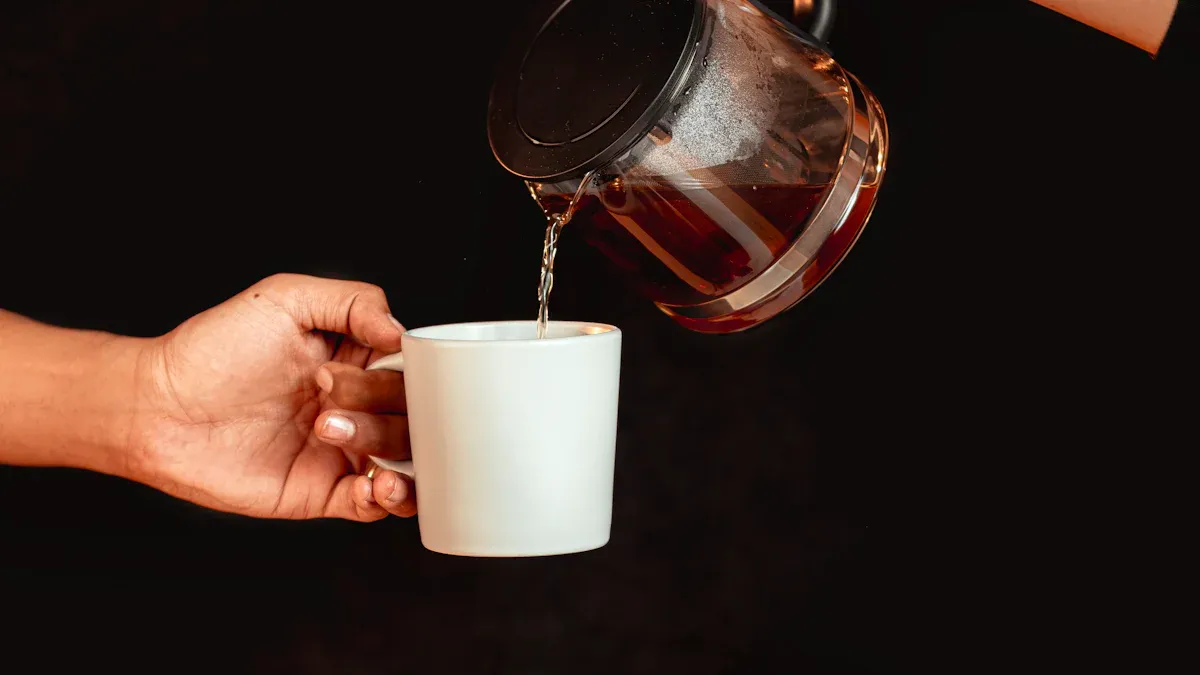
An instant hot water dispenser offers significant value for many households. Its worth stems from exceptional convenience and time-saving advantages. You will find it especially useful for making drinks, cooking, or cleaning. This modern sink water dispenser transforms your daily kitchen tasks. It provides near-boiling water instantly, right from your tap.
Key Takeaways
- A sink water dispenser saves time. It gives you hot water instantly. This helps with drinks, cooking, and cleaning.
- The dispenser can save money. It uses less energy than a kettle for daily use. It also makes kitchen tasks faster.
- Consider your needs. A dispenser is great for frequent hot water users. It may not be for occasional users.
How Does a Sink Water Dispenser Add Value?
A sink water dispenser adds value by saving you time and offering great versatility. You get near-boiling water instantly. This changes how you manage daily tasks in the kitchen. Let's explore the real benefits you can expect.
How Much Time Can You Really Save?
You can save a surprising amount of time each day. Think about how often you wait for a kettle to boil. Each wait might only be a few minutes. However, these minutes add up quickly throughout the week. A survey showed that office workers spend about 24 minutes each day just making hot drinks. Your time at home is just as valuable.
Note: An instant hot water dispenser eliminates this waiting period completely. You turn a handle and get hot water immediately. This transforms a three-minute wait into a ten-second task. Over a year, you could reclaim hours of your time.
What Can You Use It For Besides Tea?
Your new appliance is much more than a tea-maker. It becomes a multipurpose tool for cooking and cleaning. You will find many new ways to use it.
Speed Up Your Cooking 🍳
Instant hot water can make meal preparation much faster. You can use it to:
- Prepare Soups and Stocks. You can dissolve stock cubes or powders in seconds. This gives you a fast base for any recipe.
- Steam Foods Easily. You can quickly top up the water in a pot for steaming vegetables or dumplings. You no longer need to wait for a kettle.
- Melt Ingredients. You can create a simple water bath to melt chocolate. Just fill a pot with hot water from the tap and place a bowl on top.
- Warm a Knife for Clean Cuts. You can dip a knife in the hot water. A warm blade cuts through cold butter or cakes smoothly.
- Quickly Cook Pasta and Grains. You can fill your pot with near-boiling water. This brings the water to a full boil on the stove much faster.
Make Cleaning Easier ✨
Hot water is a powerful cleaning agent. A ready supply helps you tackle messes without harsh chemicals.
- Clear Slow Drains. You can pour hot water down a greasy or slow-draining sink. The heat helps melt grease and flush out blockages.
- Sanitize Your Cutting Boards. You can rinse your cutting boards with near-boiling water after washing. This kills bacteria hiding in surface scratches.
- Cut Through Grease on Cookware. You can rinse greasy pans with hot water before washing. The heat breaks down the fat, making them easier to clean with soap.
- Sterilize Baby Bottles. You can quickly rinse baby bottles with hot water. This provides a fast and effective way to kill germs for busy parents.
What Are the Financial Costs of a Sink Water Dispenser?
A sink water dispenser is a convenient appliance. You should also understand the financial costs involved. The total expense includes the initial purchase, installation, daily operation, and long-term upkeep. Let's break down these costs so you can make an informed decision.
What Is the Upfront Purchase and Installation Cost?
Your first expense is buying the unit itself. Prices for dispensers vary widely based on brand, features, and finish. After you purchase the unit, you need to consider professional installation. While some people choose a DIY approach, a professional plumber ensures the job is done correctly.
The cost for a professional installation can also vary. Here is a general breakdown of what you might expect to pay.
| Item | Lower Cost | Higher Cost |
|---|---|---|
| Material | $368.27 | $520.00 |
| Labor | $368.27 | $520.00 |
| Supplies & Tools | $368.27 | $520.00 |
| Total | $368.27 | $520.00 |
Important: A standard installation quote usually includes the labor for the job, local material delivery, and cleanup. It often does not cover extra costs for things like modifying your plumbing, updating electrical wiring, or fees for permits and inspections.
How Much Does It Cost to Run?
Many people worry that an always-on appliance will be expensive to run. You might be surprised to learn how energy-efficient these dispensers are. The unit uses a small, insulated tank to keep water hot. It only uses energy periodically to maintain the temperature, not constantly.
Your monthly electricity cost will depend on your household's usage. The table below gives an estimate based on an average electricity rate of $0.17 per kilowatt-hour (kWh).
| Household Size | Monthly Electricity Cost |
|---|---|
| Single person | $1.36 - $2.55 |
| 2-person | $2.55 - $4.25 |
| Family of 4 | $4.25 - $6.80 |
| Large household (5+) | $6.80 - $10.20+ |
Compared to a traditional electric kettle, a boiling water tap is often cheaper to run. A kettle heats a new batch of water from cold every time. A dispenser heats water once and keeps it warm efficiently.
| Appliance | Daily Energy Use | Annual Cost (US Avg.) |
|---|---|---|
| Electric Kettle (10 boils/day) | ~1.0 kWh/day | ~$62/year |
| Boiling Water Tap | 0.3–0.35 kWh/day | ~$19–$22/year |
Note: These figures use an average US electricity rate of $0.17/kWh for comparison. Your actual savings will depend on your local utility rates and usage habits.
What Are the Long-Term Maintenance Costs?
The primary long-term cost for your sink water dispenser is replacing the water filters. Filters are essential for removing impurities and preventing scale buildup inside the tank. You will typically need to replace them every six to twelve months. The exact timing depends on your water quality and how much you use the dispenser.
Filter costs can vary by brand and system type. Here are some typical prices for individual replacement cartridges:
- Sediment Filter: $2.25
- Carbon Filter: $5.25
- Polishing Filter: $8.99
- RO Membrane: $39.99
Many brands offer bundled packs to make replacement easier and more affordable. For example, you might find a one-year pack containing all the necessary filters for around $39.99.
Pro Tip: Keep an eye out for discounts from manufacturers. Some companies offer special promotions on replacement filters, such as a 20% discount with a code, which can help you save money over time.
Is It More Energy-Efficient Than a Kettle?
You might wonder if an appliance that is always on can be energy-efficient. For many users, a sink water dispenser is more efficient than a traditional kettle. The difference comes down to how each appliance heats and stores water. Let's explore the specifics.
Comparing On-Demand vs. Batch Heating
A kettle uses "batch heating." You fill it with cold water and it uses a large burst of energy to boil the entire amount. If you boil it ten times a day, you repeat this high-energy process each time.
An instant hot water dispenser uses a more efficient method. It heats water on demand, giving you the exact amount you need in seconds. This process avoids wasting energy on heating water you don't use.
- It uses a high-efficiency heating element (around 3000W).
- It delivers near-boiling water in as little as 10 seconds.
- It heats only the water you need, which can be up to 50 times more efficient.
The energy savings per cup are significant.
| Appliance | Energy Consumption per 180ml cup (kWh) |
|---|---|
| Instant Hot Water Dispenser | 0.0083 |
| Electric Kettle | 0.1 |
Understanding Standby Energy Use
A common concern is the energy used while the dispenser is on standby. Modern dispensers are designed to minimize this. They have a small, well-insulated tank that acts like a thermos.
How it Works: A thick layer of foam insulation creates a thermal barrier around the tank. This barrier prevents heat from escaping, so the unit only needs to use small amounts of energy periodically to maintain the temperature. This greatly reduces standby power consumption.
An efficient dispenser might use less than 0.5 kWh per day on standby. This is often much less than the energy a kettle uses for multiple boils throughout the day.
What Are the Downsides to Consider?
While an instant hot water dispenser offers great convenience, you should think about a few potential drawbacks. The main concerns for most people are cabinet space and the effects of hard water. Understanding these issues will help you decide if this appliance is right for your home.
Does It Take Up Too Much Space?
You will need some space under your kitchen sink for the heating tank. These tanks are compact, but they do take up room that you might use for cleaning supplies or other items. The exact size depends on the model you choose.
Pro Tip: Before you buy, measure the area under your sink. This ensures you have enough room for the tank and any other under-sink systems you use.
Here are the dimensions for a few common models to give you an idea of the space required.
| Model | Capacity | Width | Height | Depth |
|---|---|---|---|---|
| Waterstone Hot Tank | 0.5 gallon | 6.75 in | 11.25 in | 8.25 in |
| Everhot Tank | 0.5 gallon | 6.75 in | 13 in | 7.5 in |
What About Hard Water and Scaling?
Hard water contains minerals like calcium and magnesium. These minerals can build up inside your dispenser over time, creating a crust called scale. This buildup can cause several problems for your sink water dispenser.
- Reduces Energy Efficiency. A tank with scale buildup can use up to 25% more energy to heat water.
- Shortens Product Lifespan. Scale can clog pipes and cause the heating system to overheat, which shortens the unit's life.
- Affects Water Quality. The mineral residue can change the taste and smell of your hot water.
- Increases Repair Costs. Regular cleaning and filter changes help you avoid expensive repairs from scale damage.
Who Is a Sink Water Dispenser Actually Worth It For?
A sink water dispenser is a fantastic upgrade for some, but not for everyone. Your daily habits and household needs determine if it is a worthwhile investment. Let's look at who benefits the most from this modern convenience.
The Daily Tea or Coffee Drinker
If you start your day with a hot drink, this appliance is for you. You no longer need to wait for a kettle to boil. You get instant hot water for your tea, pour-over coffee, or oatmeal. This small change saves you minutes every morning. The convenience encourages you to enjoy more hot beverages throughout the day.
The Busy Family
A busy household with multiple schedules can greatly benefit from instant hot water. It provides a consistent source of hot water for everyone, no matter the time of day. This helps your family:
- Save time by eliminating the wait for a kettle, which is great for staggered routines.
- Make quick drinks and snacks like tea, hot cocoa, or instant noodles.
- Speed up cleaning by instantly rinsing greasy dishes or sanitizing items.
Tip for Parents: You can quickly warm baby bottles or prepare formula, making feeding time much easier.
The Minimalist or Infrequent User
You might not need a dispenser if you only use hot water occasionally. An electric kettle is often a more practical choice for infrequent users. It costs less upfront and does not use standby energy. This table compares the two options for someone who does not need hot water often.
| Feature | Electric Kettle | Hot Water Dispenser |
|---|---|---|
| Initial Cost | Budget-friendly | Higher investment |
| Energy Use | Only when boiling | Continuous standby use |
| Efficiency | Better for occasional use | Less efficient for occasional use |
| Justification | Best for infrequent users | Practical for daily, frequent use |
For minimalists, a simple kettle saves money and counter space without the need for installation or filter changes.
A sink water dispenser is a worthwhile investment if you value speed and convenience. It streamlines your daily routines. The final decision weighs the upfront cost against your personal lifestyle and hot water needs.
Consider how often you wait for water to boil. This will help you decide if this modern convenience is right for your kitchen.
FAQ
How hot does the water get?
Most dispensers heat water between 190°F and 210°F (88°C to 99°C). This temperature is perfect for hot drinks. It is just below a full boil for safety.
Is the installation difficult?
You can install it yourself with basic plumbing skills. However, hiring a professional plumber ensures a correct and safe setup. This gives you peace of mind.
Can I adjust the water temperature?
Yes, many models include an adjustable thermostat on the tank. You can set your preferred water temperature. This feature gives you control over your hot water.