Is a Plumbed Water Dispenser Worth It? Weighing the Pros and Cons
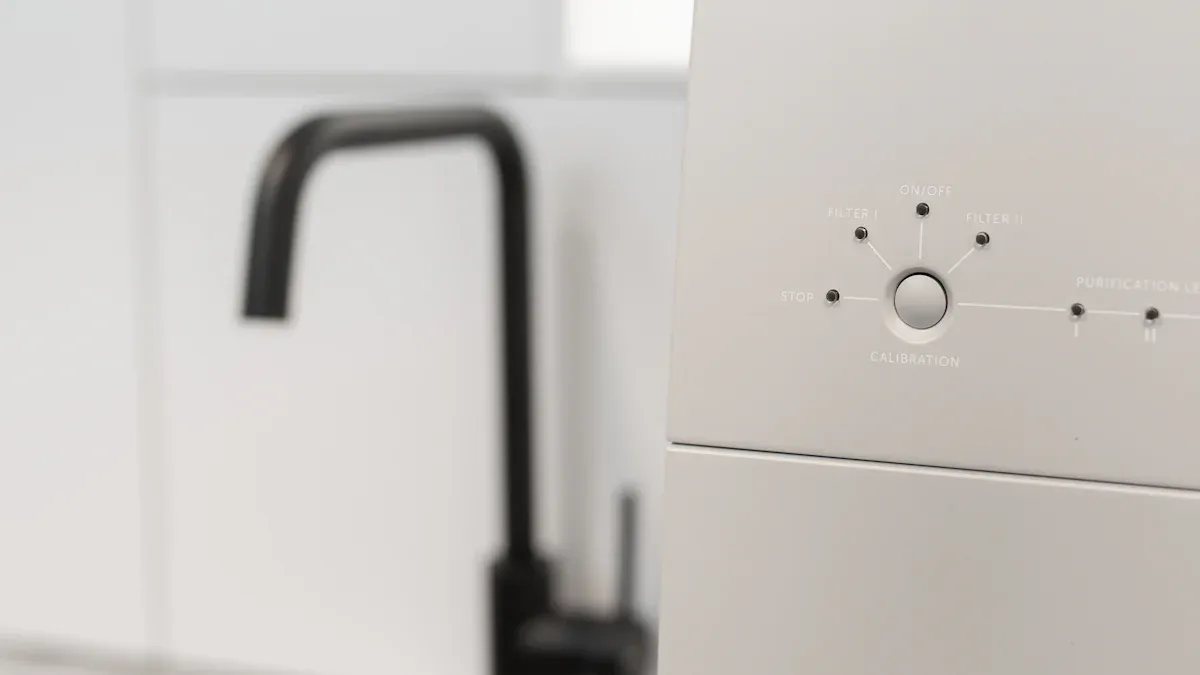
A plumbed water dispenser is a worthy investment for your home. It provides you with convenience, long-term savings, and a sustainable water source. You simply need to manage the initial cost and ongoing care. An increasing number of Americans are choosing to filter their water.
| Year | Percentage of Americans Filtering Water |
|---|---|
| 2020 | 73% |
| 2021 | 74% |
| 2022 | 77% |
Key Takeaways
- A plumbed water dispenser gives you endless filtered water, saves money over time, and helps the environment by reducing plastic waste.
- These dispensers free up kitchen space and provide healthier, better-tasting water by removing harmful things like heavy metals and chemicals.
- Consider the initial cost and installation. You may need a professional to set it up, and you must change filters regularly to keep it working well.
The Advantages: Why a Plumbed Water Dispenser Is a Great Investment
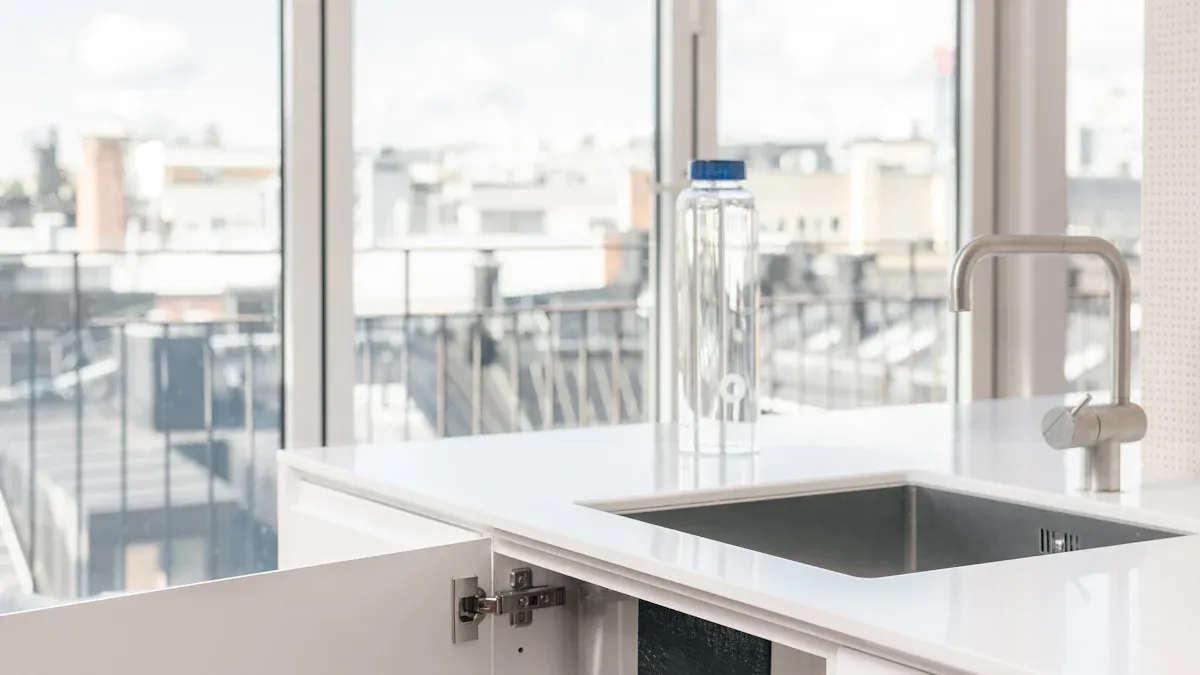
Choosing a plumbed water dispenser brings several key benefits to your home. You gain convenience, save money over time, and help the environment. Let's explore why this upgrade is a smart choice for many households.
Enjoy an Endless Supply of Filtered Water
Imagine getting fresh, filtered water instantly, anytime you want it. A plumbed water dispenser connects directly to your water line. This gives you an unlimited supply without ever needing to refill a tank or pitcher. You no longer have to wait for a slow filter pitcher to finish dripping.
Did You Know? Some advanced under-sink systems have a much faster flow rate than traditional pitchers. For example, the Aquasana Claryum® 3-Stage Max Flow system has a 44% faster flow rate and removes 15 times more contaminants than the leading pitcher filter.
These systems do more than just provide convenience. They deliver healthier, better-tasting water right from your tap. Advanced filtration removes a wide range of impurities from standard tap water.
- Removes Harmful Contaminants: Filtration targets heavy metals, pesticides, microplastics, and even trace amounts of pharmaceuticals.
- Eliminates "Forever Chemicals": It removes dangerous PFAS/PFOA chemicals that can harm your immune system.
- Reduces Carcinogenic Byproducts: The system filters out byproducts like trihalomethanes, which form when chlorine mixes with organic matter in water.
- Improves Taste and Smell: You get rid of the unpleasant chlorine taste and other odors, which encourages you and your family to drink more water.
The flow rate ensures you can fill a glass or pot quickly.
| Dispenser Type | Flow Rate (Liters per Minute) |
|---|---|
| Brio Aquus (Filtered Water) | 2.5 |
| Brio Aquus (RO-Purified Water) | 1.0 |
Save Money in the Long Run
Bottled water seems cheap at first, but the costs add up quickly. A plumbed water dispenser requires an initial investment, but it saves you a significant amount of money over time. You stop spending money every week on single-use plastic bottles or large water jugs.
Consider the five-year cost for a family. A reverse osmosis system, a popular type of plumbed system, offers huge savings compared to bottled water.
| Solution Type | 5-Year Total Cost | Net Savings |
|---|---|---|
| Bottled Water | $5,635 | – |
| Reverse Osmosis System | $2,140 | $3,495 |
Your initial purchase and periodic filter changes are your only major expenses. Over just a few years, the system pays for itself, and the savings continue to grow.
Reduce Your Environmental Footprint
Choosing filtered water at home is a powerful way to help the planet. The bottled water industry has a massive environmental impact. 🌎
Producing plastic bottles uses large amounts of petroleum and energy. It can take up to three liters of water just to produce a single one-liter bottle of water. The energy required to produce and transport bottled water is up to 2,000 times greater than the energy needed to produce tap water.
By switching to a home filtration system, you:
- Drastically cut down on single-use plastic waste.
- Lower the carbon emissions associated with manufacturing and transporting bottles.
- Conserve water and energy resources.
Your choice makes a real difference in reducing pollution and protecting natural resources for the future.
Free Up Valuable Kitchen Space
Kitchen counters and refrigerator shelves are prime real estate. Bulky water filter pitchers, countertop coolers, and packs of bottled water take up a lot of room. A plumbed water dispenser solves this problem by tucking the main filtration unit neatly out of sight.
Most systems are installed directly under your sink. They are surprisingly compact and designed to fit in crowded cabinets.
| Dimension | Measurement (in.) |
|---|---|
| Depth | 11 1/4 |
| Width | 3 1/2 |
| Height | 6 1/4 |
With the system hidden away, the only thing you see is a sleek, modern faucet at your sink. You reclaim valuable counter space for meal prep, appliances, or just a cleaner, more open look. You also free up space in your refrigerator, since you no longer need to chill pitchers or bottles.
The Drawbacks: When You Might Reconsider
While the benefits are clear, a plumbed water dispenser isn't the right choice for everyone. You need to consider the potential downsides before you commit. The initial cost, installation process, and ongoing care require careful thought.
The Initial Upfront Cost
The biggest hurdle for many people is the initial price. You should expect a higher upfront cost for a plumbed system compared to a traditional bottle-fed cooler. This price includes the unit itself and potentially the cost of professional installation. While you save money over time, the immediate expense can be significant.
This table shows how the costs for plumbed and portable coolers compare.
| Feature | Portable Water Coolers | Plumbed Water Coolers |
|---|---|---|
| Initial Cost | Less expensive upfront | Higher initial installation costs |
| Installation | Simple, no plumbing work required | Requires professional plumbing |
| Ongoing Costs | Bottled water purchases and labor | Lower supply expenses |
You must budget for this larger initial investment.
Installation May Require Professional Help
Unlike a countertop pitcher you just fill with water, installing a plumbed system is more involved. It connects directly to your home's plumbing. If you are not comfortable with DIY home projects, you will likely need to hire a professional. This adds to your total upfront cost.
Professional labor for this type of job can vary.
| Category | Quantity | Average Cost |
|---|---|---|
| Labor | 2.5 hours | $257.49 |
Note: Your project might need more work. You may need a licensed expert to run a new cold-water line, install a shut-off valve, or add a dedicated electrical outlet. These tasks will increase the final installation cost.
If you plan to install it yourself, you should know the basic steps.
- Turn off the water supply. You need to shut off the cold water valve under your sink.
- Connect the new lines. You will disconnect your existing cold water line and attach an adapter valve that comes with your filter kit.
- Install the new faucet. Your sink or countertop may not have an extra hole. You might need to drill a new one to mount the dedicated filter faucet.
Assess your comfort level with these tasks before deciding to do it yourself.
Factoring in Ongoing Maintenance
Your work is not finished after installation. A plumbed system requires regular maintenance to keep it running safely and efficiently. The main ongoing task is changing the filters. You can expect to spend between $50 and $150 per year on replacement filters, typically changing them every 6 to 12 months.
The amount of service your unit needs depends on several factors.
- How much you use it: High-traffic homes need more frequent service.
- Your local water quality: Areas with hard water cause more mineral buildup.
- Environmental conditions: Dust and humidity can affect the system.
Manufacturers recommend a regular cleaning and service schedule. For best results, you should schedule professional maintenance at least once a year for a deep clean and component inspection.
| Water Type | LSI Range | Recommended Service |
|---|---|---|
| Harsh Water | < −0.3 or > +0.3 | Every 6 months |
| Normal Water | −0.3 to +0.3 | Every 12 months |
Keeping up with maintenance ensures your water stays clean and your warranty remains valid.
Not All Kitchens Are Compatible
Finally, a plumbed water dispenser may not work in your kitchen. These systems require two key things: enough space under the sink for the filtration unit and easy access to a cold water line. Before you buy, measure the cabinet space under your sink to ensure the unit will fit.
This can also be a major issue for renters. Many landlords do not allow tenants to make permanent changes to the plumbing or countertops. Drilling a hole for a new faucet is often not an option. If you rent your home, you should check your lease agreement and talk to your landlord before considering this upgrade.
Key Features to Look for in a Plumbed Water Dispenser
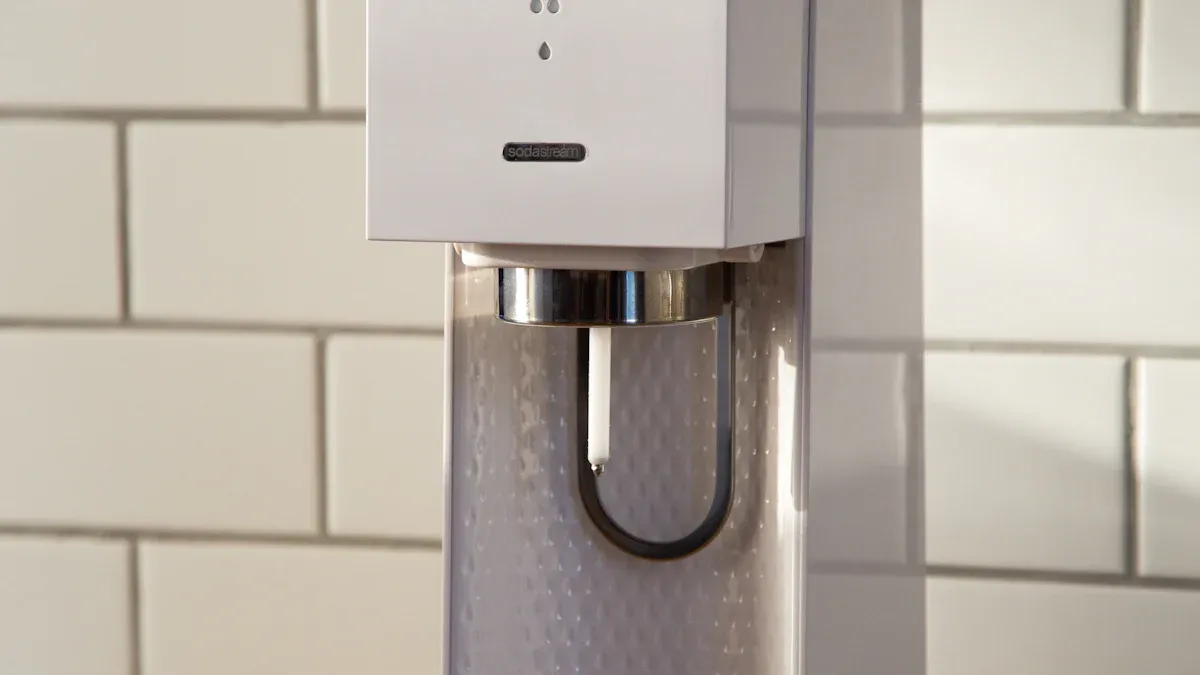
When you decide to buy a plumbed water dispenser, you will find many options. You should look at the filtration technology, temperature choices, design, and safety features to find the perfect fit for your home.
Advanced Filtration Systems
The most important feature is the filtration system. Different filters remove different contaminants. Two common types are Reverse Osmosis (RO) and Carbon Block filters. An RO system offers more complete purification.
| Feature | Reverse Osmosis (RO) | Carbon Block Filter |
|---|---|---|
| PFAS (forever chemicals) | Removes | Does not reliably remove |
| Heavy Metals (Lead, Arsenic) | Removes | Will not remove arsenic |
| Dissolved Solids | Removes | Will not remove |
| Bacteria & Viruses | Removes bacteria | May control growth |
RO systems are better at removing a wider range of impurities, giving you cleaner water.
Hot, Cold, and Sparkling Water Options
Modern dispensers do more than provide room-temperature water. You can get instant hot water for tea or cold water for a refreshing drink.
Energy Tip: Look for an Energy Star rating. These models use up to 50% less energy, often consuming less than 0.16 kWh per day.
Some systems even offer sparkling water. They use a CO2 canister to carbonate your tap water for just a few cents per liter.
Sleek Design and Build Quality
Your dispenser should match your kitchen's style. Look for units with durable materials like stainless steel for the tanks and faucets. You can choose from dozens of faucet finishes to complement your decor. Popular options include:
- Polished Chrome
- Matte Black
- Oil Rubbed Bronze
- Durable ceramic finishes like Cerakote®
This ensures your new faucet is both stylish and built to last.
Ease of Use and Safety Features
A good dispenser should be simple and safe to use. Many now include smart features like touchless, hands-free sensors for better hygiene. If you have children, safety is a top priority. Look for models with child safety locks on the hot water tap. These often require a two-step action, like pressing a button while pushing the lever, to prevent accidental burns.
A plumbed water dispenser is a smart choice if you own your home and value convenience. It may not be right for you if you rent or have a strict budget. You must also be ready for potential maintenance. Some common issues can include:
- The unit not chilling water
- A dripping tap after use
- Flashing warning lights
Weigh these points against your needs to make the best decision.
FAQ
How often should I change the filters?
You should replace the filters every 6 to 12 months. Your replacement schedule depends on your local water quality and how much water your household uses.
Can I install a plumbed dispenser myself?
Yes, you can perform the installation if you have basic plumbing skills. However, you may want to hire a professional for more complex setups or if you feel unsure.
Do plumbed water dispensers waste water?
Some systems, like reverse osmosis, produce wastewater. Modern, high-efficiency models minimize this waste. You can check the product's specifications for its water efficiency ratio.