Is a Dispenser with a Spigot a Smart Buy in 2026?
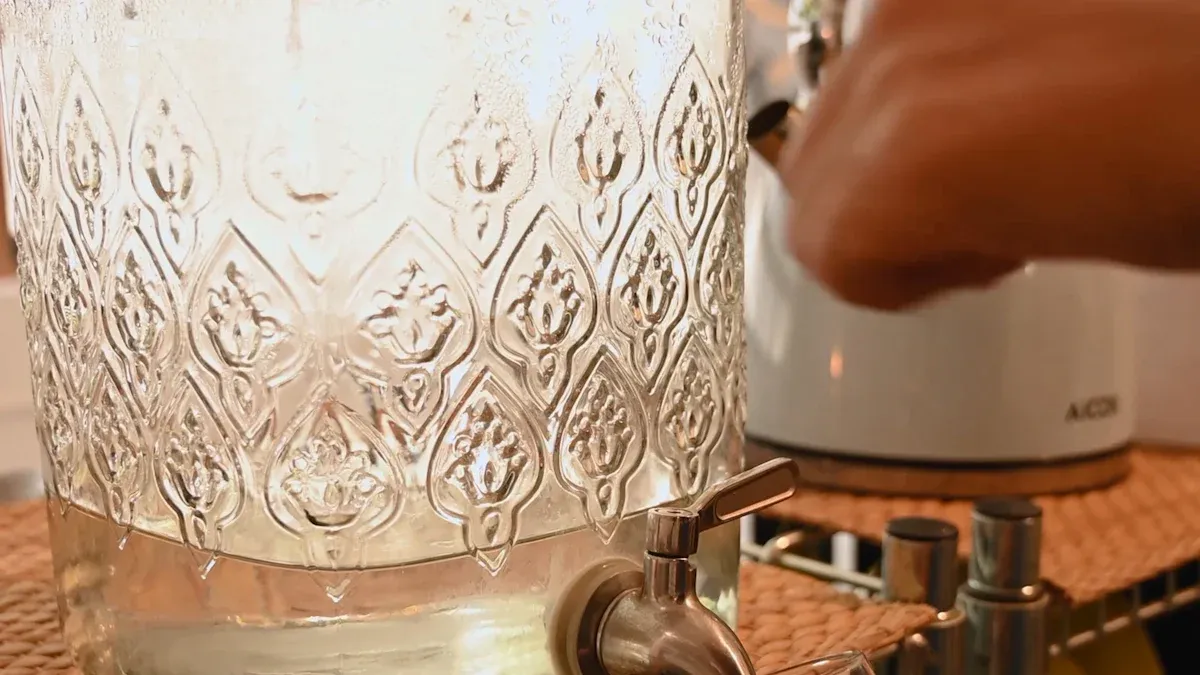
A dispenser with a spigot is a smart buy if you value daily convenience and commit to its upkeep. For occasional events, a simple pitcher is more practical.
Note: A quality clear water dispenser becomes a wise investment. It helps you avoid common issues like leaks and ensures long-term, reliable use.
Key Takeaways
- A dispenser offers great convenience for daily use and parties. It makes pouring drinks easy and encourages healthy hydration for families.
- Dispensers have downsides like leaks, cleaning needs, and material issues. Spigots need regular cleaning to prevent germ growth.
- A dispenser is a smart buy if you use it often and commit to cleaning it. For occasional use, a simple pitcher works better.
The #1 Pro: Unmatched Convenience
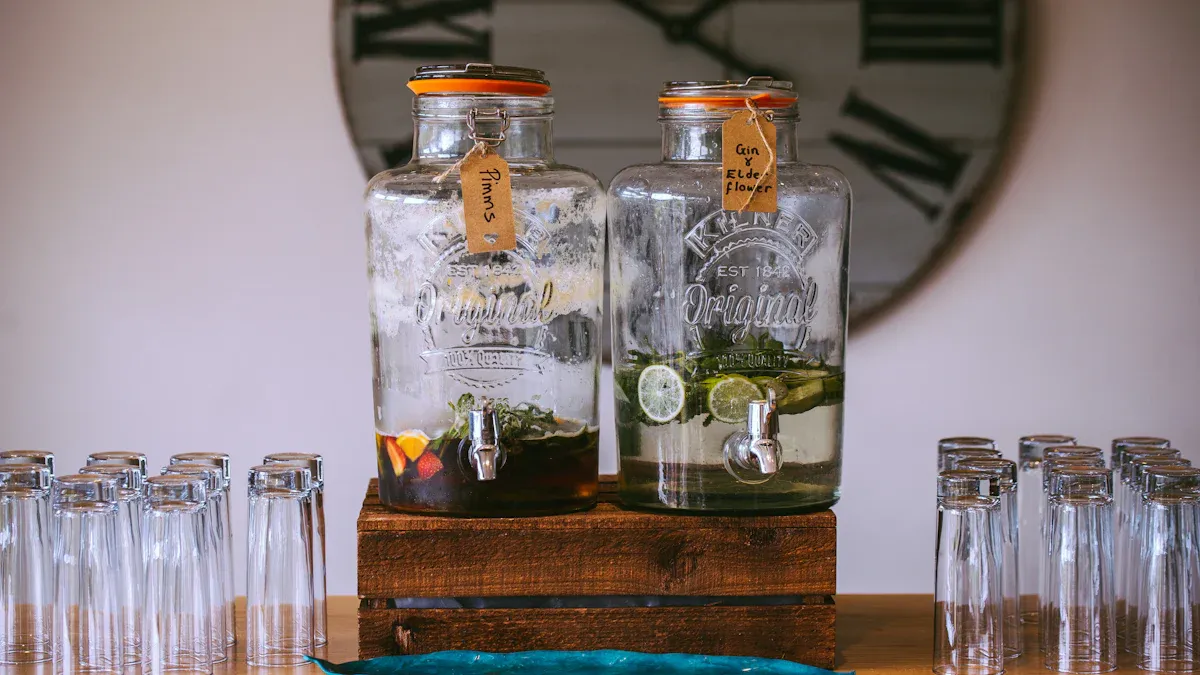
The single greatest advantage of a beverage dispenser is its incredible convenience. You gain a level of ease that a standard pitcher simply cannot offer. This convenience transforms how you access drinks at home, host parties, and even encourage healthy habits for your family.
Effortless, One-Handed Pouring
Imagine getting a refreshing drink without wrestling a heavy, full pitcher from the fridge. A dispenser lets you do just that. You can fill your glass with one hand while holding a plate, a phone, or a child's hand with the other. This simple action removes a small but daily point of friction.
Spill-Free Zone: Tests show that pouring from a pitcher can have a splash rate double that of a dispenser. A quality spigot gives you a clean, controlled pour every time, which means less time spent wiping up sticky spills on your counters and floor.
The ergonomic benefits make a significant difference in daily use:
- No Heavy Lifting: You eliminate the need to lift and tilt a container that could weigh 8-10 pounds when full. This reduces strain and the risk of accidental drops.
- Smooth Operation: A well-made spigot provides a smooth, steady stream. You avoid the glugging and splashing common with pitchers.
- Fewer Refills: Dispensers hold a larger volume than most pitchers. You spend less time refilling the container and more time enjoying your drink.
Perfect for Self-Service and Parties
When you host a gathering, you want your guests to feel comfortable and relaxed. A beverage dispenser creates an instant self-service station that empowers everyone. It improves the flow of your party and enhances the social atmosphere.
Instead of waiting for you to pour drinks or forming a line at the fridge, guests can help themselves whenever they like. This interactive element often sparks conversation and creates a more communal vibe. The benefits for your guests are clear:
- Guest Control: Visitors can pour the exact amount they want. They can take a small sample of a new infused water or fill a large glass without feeling wasteful.
- Faster Service: A dispenser eliminates bottlenecks. It keeps your party moving smoothly by allowing guests to get drinks on demand.
- Aesthetic Appeal: A sleek glass or stainless steel dispenser elevates your presentation. It makes simple water, iced tea, or punch look more enticing and special.
Encourages Family Hydration
You can help your family drink more water and other healthy beverages by making them easily accessible. A dispenser with a simple spigot invites use, especially for children who might struggle with heavy pitchers. The ease of use makes it fun for them to get their own drinks, giving them a sense of independence.
This convenience also supports your budget and health goals.
| Beverage Source | Cost Approach | Family Benefit |
|---|---|---|
| Individual Bottles | High cost per ounce | Generates significant plastic waste. |
| Dispenser | Low cost per ounce | You can buy in bulk or make your own drinks, saving money. |
You can fill your dispenser with filtered water, homemade iced tea, or fruit-infused water. This strategy helps you save money by avoiding expensive, single-use plastic bottles and cans. You provide a healthy, readily available option that the whole family will use more often.
The Major Cons: Leaks, Cleaning, and Durability
While dispensers offer great convenience, you must also consider the potential downsides. The three biggest challenges you will face are leaks, cleaning, and the limits of the materials themselves. Understanding these cons helps you make a truly informed decision.
The Inevitable Drip: Why Spigots Fail
The most common complaint about beverage dispensers is the slow, steady drip of a leaky spigot. This small annoyance can lead to sticky puddles in your fridge or on your counter. Leaks almost always happen for mechanical reasons.
A spigot works by using a washer or gasket to create a watertight seal. This small part is constantly under pressure. Over time, it fails.
The seal is the weakest point in any dispenser design. When the gasket wears out, cracks, or becomes loose, the dripping starts.
Several factors cause a spigot to fail:
- Material Quality: Cheap plastic spigots use low-grade washers. These materials can harden and crack quickly.
- Wear and Tear: You open and close the valve every time you get a drink. This repeated motion slowly wears down the internal parts.
- Installation: If you do not tighten the spigot correctly during assembly, it can create a slow leak from the start. The seal needs to be snug but not overtightened.
The Hidden Chore of Spigot Cleaning
Your dispenser’s spigot needs regular cleaning to stay safe. Many people forget this task. Sugary or low-acid drinks create the perfect home for bacteria and yeast to grow. This growth can form biofilms—thin, slimy layers of germs—inside the nozzle that contaminate your drinks.
Studies of uncleaned spigots show what can grow in these dark, damp spaces:
- Pink or red spotted bacteria, like Serratia Marcescens.
- Common household bacteria that look like white or yellow spots.
- Mold-like bacteria that can thrive in and around the nozzle.
To keep your dispenser safe and sanitary, you need a consistent cleaning routine. Health experts recommend specific steps to prevent germ buildup.
| Cleaning Frequency | Task |
|---|---|
| Daily | Wipe the outside of the spigot and tap with a food-safe sanitizing wipe. |
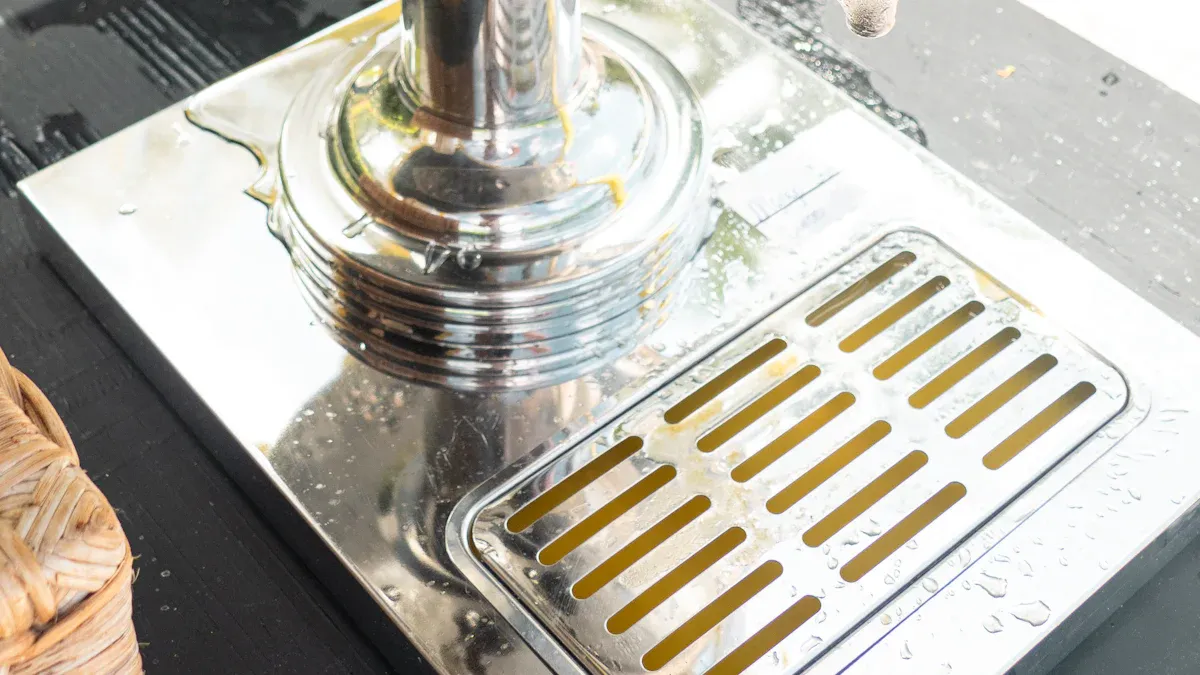
| Weekly | Empty and clean the drip tray. You can wash it with warm, soapy water or put it in the dishwasher. |
| Deep Clean | Disassemble the spigot completely. Use a small brush to scrub the inside of the nozzle and all parts with soap and water. |
This maintenance is not difficult, but you must do it regularly. If you neglect it, you risk serving contaminated beverages to your family and guests.
Glass vs. Plastic: Material Downsides
The material of your dispenser affects its durability, safety, and maintenance. Both glass and plastic have significant drawbacks you should know about.
Glass Dispensers Glass looks elegant and is easy to clean. It will not absorb odors or flavors from your drinks. However, glass has two major weaknesses:
- It is heavy. A large, full glass dispenser can be difficult and dangerous to move.
- It is fragile. A small bump against a hard surface can cause it to chip or shatter, creating a huge mess and a safety hazard.
Plastic Dispensers Plastic is lightweight and much more durable than glass. You do not have to worry as much about it breaking. However, you need to be aware of potential chemical exposure, especially from a chemical known as BPA (bisphenol A).
BPA is an endocrine disruptor, which means it can act like the hormone estrogen in your body. Some studies have linked BPA exposure to health concerns, especially for infants and children who are more vulnerable to its effects.
- BPA can leach from plastic into your drink. This process can speed up if the liquid is warm.
- Research has connected BPA to changes in brain development, behavior, and fertility in animal studies.
- Some human studies suggest links between BPA and issues like polycystic ovary syndrome (PCOS) and recurrent miscarriage.
When choosing a plastic dispenser, you should always look for one that is explicitly labeled BPA-Free to minimize these potential risks.
Is a Clear Water Dispenser Right for You?
You can decide if a dispenser fits your lifestyle by answering a few key questions. Your honest answers will reveal whether it will be a helpful tool or a dusty countertop ornament.
Daily Use vs. Occasional Parties
First, think about how often you will use it. A dispenser offers the most value when used every day. If you only plan to use it for parties, it needs to earn its place. A clear water dispenser is a great choice for hosts who meet specific criteria.
Consider this a smart buy if you:
- Host four or more drink-focused events each year.
- Batch cocktails or drinks in advance.
- Have a dedicated spot to store it.
- Commit to its regular maintenance.
If you answered 'no' to most of these, a simple pitcher is likely a better fit. The average household only hosts a few events where a large dispenser is truly useful.
Who Will Be Using It?
Next, consider who will be using the dispenser. If you have children or elderly family members at home, certain features become very important. A good clear water dispenser can make life easier and safer for everyone. Look for models with one-touch operation so anyone can get a drink without help.
For households with young kids, a child-safety lock is a must-have feature to prevent accidental burns from hot water. A leak-proof system also helps reduce spills and messes, making it a practical choice for busy families.
Are You Ready for the Maintenance?
Finally, ask yourself if you are prepared for the upkeep. As you learned, spigots need regular, thorough cleaning to prevent bacteria growth. You must be willing to disassemble and scrub the parts to keep your drinks safe. If this sounds like too much work for an item you will only use occasionally, a clear water dispenser may not be the right choice for you. The convenience is only worth it if you commit to the cleaning routine.
How to Choose a Leak-Proof Model
You can avoid the frustration of a leaky dispenser by choosing a quality model from the start. Paying attention to the spigot, seals, and overall budget will help you find a reliable product that lasts.
Why Stainless Steel Spigots Win
The spigot is the most important part of your dispenser. You should choose a model with a stainless steel spigot for its durability and consistent flow. While plastic spigots are cheaper, they can crack and leak over time. Stainless steel offers superior strength and is non-reactive, so it will not add unwanted flavors to your drinks.
Pro Tip: For acidic drinks like lemonade or fruit punch, look for a dispenser with a 316 grade stainless steel spigot. It offers better corrosion resistance than the standard 304 grade, ensuring your spigot stays in top condition. For regular water, 304 grade is an excellent, cost-effective choice.
Assessing Seal and Gasket Quality
A quality seal prevents leaks and keeps your beverages fresh. Before you buy, check the gaskets, which are the small rubber or silicone rings that create a watertight seal.
- Ensure the gaskets are flat and positioned correctly.
- A twisted or worn-out gasket is a primary cause of leaks.
- The lid should also have a good seal to prevent contamination.
After you assemble your new clear water dispenser, you should test it. Fill it with water and let it sit for an hour to check for any drips before you add your favorite beverage.
Budgeting for a Durable Dispenser
Investing in a durable dispenser saves you money in the long run. A cheap model might seem like a good deal, but frequent repairs and replacements add up. A higher upfront cost for a reliable machine often provides a better return on your investment.
Consider the total cost of ownership, which includes the initial price and potential maintenance. A well-built dispenser with robust parts will have less downtime and a longer lifespan.
| Model | Pros | Cons |
|---|---|---|
| Creativeware 2.5-Gallon Drink Dispenser | Durable plastic, Easy to clean, Leak-proof tap | Prone to breakage |
While some plastic models like the one above are rated as leak-proof, their overall durability can be a concern. Your budget should account for both initial cost and long-term reliability.
A dispenser is a smart buy for the right lifestyle. You must use it frequently and commit to its upkeep.
For occasional parties, a pitcher is more practical. Your final choice depends on your habits and willingness to invest in a quality clear water dispenser to avoid leaks and other issues.
FAQ
How do you fix a leaky spigot?
You can often fix a leak by tightening the nut inside the dispenser. Check that the gaskets are flat. If it still drips, you may need a new spigot.
Can you put hot liquids in a glass dispenser?
You should not put hot liquids in most glass dispensers. The rapid temperature change can cause the glass to crack. Always check the product's instructions for specific temperature limits.
How often should you deep clean the spigot?
You should deep clean the spigot weekly if you use sugary drinks. For water, a deep clean every two to four weeks is sufficient to prevent bacteria buildup.
Tip 💡: After cleaning, run clean water through the spigot to rinse away any soap residue before you refill the dispenser with your favorite beverage.