Unlocking Surprising Uses with Investigation into the Application of HTPB in High-Performance PU Elastomers
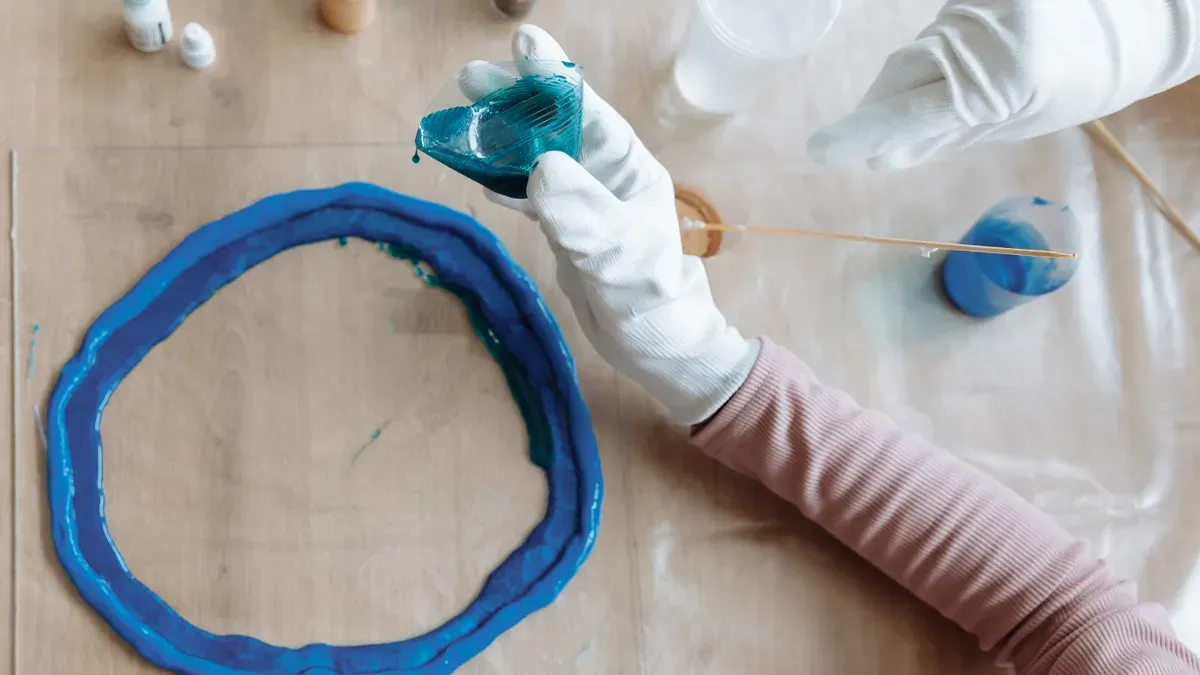
You see HTPB used directly in high-performance PU elastomers to boost elasticity and toughness. For example, you find it in rocket propellants, where it delivers strength in extreme conditions. The market for these advanced materials grows fast, reaching $319.5 million by 2030. Investigation into the Application of HTPB in High-Performance PU Elastomers reveals these benefits.
Key Takeaways
- HTPB enhances the strength and flexibility of polyurethane elastomers, making them ideal for extreme conditions in aerospace and industrial applications.
- Adjusting the amount of HTPB allows you to fine-tune the balance between strength and flexibility, giving you control over the material's properties.
- HTPB-based PU elastomers resist UV light, chemicals, and harsh environments, ensuring durability and reliability in outdoor and industrial settings.
Investigation into the Application of HTPB in High-Performance PU Elastomers
Definition and Chemical Structure of HTPB
You may wonder what makes HTPB special in the world of polyurethane elastomers. HTPB stands for Hydroxyl-Terminated Polybutadiene. This material is a liquid rubber with a unique chemical structure. It has a backbone made of butadiene units and ends with reactive hydroxyl groups. These groups allow HTPB to link with other chemicals and form strong networks.
Here is a table that helps you see how HTPB compares to other polyols used in polyurethane elastomers:
| Property | Description |
|---|---|
| Chemical Structure | HTPB is an oligomer of butadiene terminated with hydroxyl groups. |
| Viscosity | Similar to corn syrup. |
| Functionality | R-45HTLO has a functionality of 2.4-2.6, indicating additional hydroxyl groups along the chain. |
| Curing Method | Cured by addition reaction with di- or poly-isocyanate compounds. |
| Strength Contribution | The additional hydroxyl groups provide side-to-side linkage for a stronger cured product. |
HTPB’s flexible aliphatic backbone and terminal hydroxyl groups make it very reactive. When you use HTPB in polyurethane synthesis, these hydroxyl groups react easily with isocyanates. This reaction forms a strong three-dimensional network. The molecular weight and the way the chains are distributed also affect how tough and stretchy the final product becomes. The backbone of HTPB can also be changed to add new features, which lets you create materials with special properties.
Relevance of HTPB to Polyurethane Elastomer Chemistry
When you look at how HTPB works in polyurethane elastomer chemistry, you see that its structure brings many benefits. The hydroxyl groups at the ends of HTPB chains react with isocyanate groups. This reaction forms urethane bonds, which are the building blocks of polyurethane elastomers. The process can also create branching points, making the material even stronger.
Here is a table that shows the main chemical interactions between HTPB and isocyanates:
| Interaction Type | Description |
|---|---|
| Hydroxyl-Isocyanate | Hydroxyl groups in HTPB react with isocyanate groups to form linear urethane groups. |
| Urethane-Allophanate | Urethane groups can further react with isocyanate groups to form branching allophanate groups. |
| Linear and Branching | Both linear and branching reactions can occur simultaneously and competitively during polymerization. |
When you add HTPB to polyurethane elastomers, you introduce long, non-polar carbon chains. These chains weaken the hydrogen bonds between the soft and hard segments. As a result, you get more microphase separation, which can make the material stronger and more flexible. The hard segments can move more freely within the soft segments, acting like physical crosslinking points. This improves the tensile strength of the elastomer. If you increase the amount of HTPB, you also increase the soft segment content, which makes the material more flexible and able to stretch further when pulled.
Tip: By adjusting the amount of HTPB, you can fine-tune the balance between strength and flexibility in your polyurethane elastomer.
The Investigation into the Application of HTPB in High-Performance PU Elastomers shows that HTPB helps you create materials that perform well in tough environments. You can use these materials in many advanced applications, from aerospace to industrial uses. When you understand the chemistry behind HTPB, you can unlock new possibilities for high-performance polyurethane elastomers.
Why HTPB is Chosen for High-Performance PU Elastomers
Unique Properties of HTPB
You discover that HTPB stands out because of its special chemical structure and physical features. HTPB is a clear, viscous liquid with a low glass transition temperature. This means you can use it in cold environments without worrying about brittleness. The hydroxyl groups at the ends of the HTPB chains react easily with isocyanates. This reaction forms strong urethane bonds and creates a tough, flexible network.
You can see how the molecular weight and functionality of HTPB affect the properties of polyurethane elastomers in the table below:
| Property | Effect of Molecular Weight | Effect of Functionality |
|---|---|---|
| Tensile Strength (σb) | Increases with higher weight | Varies with stoichiometric balance |
| Elongation at Break (εb) | Decreases with higher weight | Increases with soft segment ratio |
If you choose a higher molecular weight, you get stronger materials. If you adjust the functionality, you can make the elastomer stretch more. You can control these factors to match your needs.
You also benefit from HTPB’s hydrophobic nature. This property helps the elastomer resist water and chemicals. You can use HTPB-based materials in harsh environments, such as factories or outdoor settings. The Investigation into the Application of HTPB in High-Performance PU Elastomers shows that you can rely on HTPB for both flexibility and toughness.
Here is another table that explains how HTPB improves mechanical strength and flexibility:
| Evidence | Description |
|---|---|
| Low Glass Transition Temperature | HTPB has a Tg of -75°C, ensuring flexibility at low temperatures without brittleness. |
| High Reactivity with Isocyanates | The hydroxyl groups in HTPB react with isocyanates to form urethane linkages, enhancing network density and mechanical properties. |
| Crosslinked Networks | Curing with diisocyanates results in crosslinked structures that improve elasticity and tensile strength, with typical tensile strengths ranging from 2 to 5 MPa. |
| Flexibility at Low Temperatures | The cured matrix maintains over 50% elongation at -54°C, ensuring flexibility and crack resistance in extreme conditions. |
You see that HTPB gives you materials that stay strong and flexible, even when temperatures drop.
Performance Advantages in Polyurethane Systems
You gain many advantages when you use HTPB in polyurethane systems. HTPB-based PU elastomers perform better than those made with conventional polyols. You notice these benefits in several ways:
- HTPB-based PU elastomers provide superior low-temperature performance compared to conventional polyols.
- They exhibit enhanced long-term aging resistance, making them more durable over time.
You can use HTPB-based elastomers in places where other materials fail. For example, you can use them in aerospace, automotive, and industrial applications. You get materials that last longer and work well in extreme conditions.
You also see that HTPB helps you create elastomers with strong wear resistance and excellent adhesion. You can use them for coatings, adhesives, and sealants. You get reliable results every time.
Tip: If you want a polyurethane elastomer that stays flexible and strong in cold weather, choose HTPB as your polyol.
You can trust HTPB to deliver high performance. The Investigation into the Application of HTPB in High-Performance PU Elastomers proves that you get materials with outstanding mechanical properties and durability.
Surprising and Innovative Applications of HTPB-Based PU Elastomers
Aerospace and Defense Applications
You find HTPB-based PU elastomers at the heart of many aerospace and defense technologies. In solid rocket motors, HTPB acts as the main binder for propellants. It holds the oxidizer and metallic fuels together, forming a solid matrix that burns in a controlled way. This role is critical for rockets and missiles. You rely on HTPB for its ability to stay flexible and strong, even at very low temperatures. Its hydrolytic stability means it resists breaking down when exposed to moisture. These features make HTPB-based elastomers a top choice for demanding aerospace missions.
Advanced Industrial and Consumer Uses
You see HTPB-based PU elastomers in many advanced industrial and consumer products. These materials appear in:
- Composite building materials
- Insulation materials
- Adhesives
- Sealants
- Coatings
You benefit from these elastomers because they last longer and perform better. The Investigation into the Application of HTPB in High-Performance PU Elastomers shows that these materials work well in harsh environments. You get products that resist chemicals, UV light, and extreme temperatures. The table below explains how HTPB-based PU elastomers improve your experience:
| Property | Benefit |
|---|---|
| Flexibility | Enhances durability and user comfort in various applications. |
| Chemical Resistance | Increases lifespan by protecting against environmental degradation. |
| Adhesion Properties | Improves performance in sealing applications, contributing to longevity. |
| UV Resistance | Expands operational capabilities, allowing for use in diverse conditions. |
| Temperature Stability | Ensures reliability in extreme environments, enhancing user experience. |
| Integration of Nanomaterials | Further boosts mechanical properties and lifespan, improving overall performance. |
You can trust HTPB-based PU elastomers to deliver reliable results in both industrial and everyday products.
Comparative Performance Analysis of HTPB-Based PU Elastomers
Mechanical and Physical Property Enhancements
You notice that HTPB-based PU elastomers show strong mechanical properties. These materials stretch without breaking and return to their original shape. You can use them in products that need both toughness and flexibility. When you add special groups like triazine-based moieties, you see even better results. The table below shows how these changes improve the material:
| Modification Type | Key Findings | Impact on Durability and Resistance |
|---|---|---|
| Triazine-based moieties | Improved tensile strength and mechanical stability | Enhanced durability through strong electrostatic interactions |
You can rely on these elastomers for products that face heavy use.
Durability and Environmental Resistance
You want materials that last a long time, even in tough conditions. HTPB-based PU elastomers resist chemicals, weather, and UV light. You find them in coatings for oil and gas pipelines and marine vessels. These coatings protect against corrosion and harsh environments. Hydrogenated HTPB elastomers give you even more flexibility and chemical resistance. This helps protect devices from moisture and extreme temperatures.
You can see more details in the table below:
| Composite Type | Key Findings | Impact on Durability and Resistance |
|---|---|---|
| IGO with HTPB | 15-19% increase in migration resistance | Improved environmental resistance against nitroglycerin |
| GO with TDI and ODA | Reduced plasticizer migration | Enhanced durability and mechanical properties |
Comparison with Conventional Polyols
You may wonder how HTPB-based PU elastomers compare to those made with regular polyols. HTPB-based elastomers stand out because they keep their strength and flexibility in cold or wet conditions. They also resist UV light and chemicals better than many other materials. You can use them in outdoor or industrial settings where other polyols might fail. This makes HTPB-based PU elastomers a smart choice for high-performance needs.
Challenges and Considerations When Using HTPB

Processing and Compatibility Factors
When you work with HTPB, you need to pay attention to how it mixes and reacts with other chemicals. HTPB has reactive hydroxyl groups, so you must control the temperature and timing during processing. You can use HTPB with many chain extenders and crosslinkers, but you should always check compatibility. If you want a smooth production process, you should select additives that match the viscosity and reactivity of HTPB. You can also adjust the curing method to get the best mechanical properties.
Cost, Supply Chain, and Sustainability
You notice that sourcing HTPB involves several important steps. The value chain is complex and requires careful planning. Here are some key points:
- You see that the main raw materials, like butadiene and hydrogen peroxide, link production costs to crude oil prices.
- You benefit from vendors who offer consistent viscosity and quality documentation.
- You find that customers want products that meet federal and state regulations.
- You observe that partnerships between producers and formulators focus on application-specific testing and lifecycle performance.
HTPB stands out as a sustainable option. It comes from the degradation of butadiene rubber, which is a renewable resource. Unlike traditional polyols made from non-renewable materials, HTPB supports recycling and reduces environmental impact. You help the planet when you choose HTPB for polyurethane elastomers.
Environmental and Regulatory Aspects
You must follow strict environmental rules when you use HTPB. The production process involves volatile organic solvents and reactive monomers. Regulators in the EU and North America watch emissions closely. You may need to invest in abatement technologies to meet these standards. This helps you protect the environment and ensures your products stay compliant.
Future Trends and Opportunities for HTPB in PU Elastomers
Emerging Research and Development Directions
You will see many exciting research directions for HTPB in polyurethane elastomers. Scientists now use HTPB to make PU–EHSM, which works better than EPDM–EHSM for rocket motor insulation. You also notice that adding special fillers like carbon nanotubes and graphene makes rubber composites stronger and more useful. Many researchers focus on improving how HTPB works in composite propellants. They want to make these materials safer and more powerful.
You can find HTPB with excellent hydrolytic stability and flexibility at low temperatures. This makes it perfect for tough environments. Some experts modify HTPB by grafting energetic molecules onto it. This helps boost the performance of propellants. You also see studies that improve mechanical properties and compatibility with other materials. These efforts help you get better and more reliable PU elastomers.
Here is a table showing how new synthesis methods improve HTPB-based PU elastomers:
| Aspect | Observation |
|---|---|
| Thermal Stability | HTPB raises decomposition temperatures, making materials more heat-resistant. |
| Mechanical Strength | HTPB structure increases tensile strength and stretchability. |
| Surface Properties | HTPB roughens surfaces, improving performance in special coatings. |
Potential for New Market Applications
You will find HTPB-based PU elastomers in many growing markets. The aerospace and defense sectors use more HTPB for propellants and coatings. The automotive industry needs HTPB for strong adhesives and durable coatings. Construction companies use HTPB in sealants and adhesives for buildings. Electronics makers rely on HTPB for potting and encapsulation to protect devices.
You also see rising demand for adhesives because HTPB bonds well with many materials. The growth of private space companies and new 3D printing methods creates more opportunities for HTPB-based products. As you look ahead, you will notice HTPB helping shape the future of advanced materials in many industries.
You see HTPB unlock new possibilities in high-performance PU elastomers.
- You gain flexibility, strength, and durability for advanced applications.
- You discover HTPB in aerospace, automotive, and construction.
Keep exploring HTPB-based PU elastomers. You can drive innovation and find even more surprising uses.
FAQ
What makes HTPB different from other polyols in PU elastomers?
You get better flexibility and chemical resistance with HTPB. It works well in cold and harsh environments where other polyols may fail.
Can you use HTPB-based PU elastomers outdoors?
Yes, you can. HTPB-based PU elastomers resist UV light, water, and chemicals. They last longer in outdoor and industrial settings.
How do you store HTPB safely?
You should keep HTPB in a cool, dry, and ventilated place. Store it between -20°C and 38°C for best results.
See Also
Innovations in Heat Exchanger Manufacturing Boost Industrial Efficiency
Steel Fabrication for Heat Exchange Solutions Consistently Yields Success
Key Facts About WT20 Electrodes That Improve TIG Welding
Advancements in Micro-Channel Tech for Hydrogen Fuel Cell Heat Exchangers