A Practical Guide to Integrating China Tablet Weighing Machines
The global tablet press machines market is projected to grow at a 5.3% CAGR, highlighting a critical industry challenge. Manufacturers must integrate new equipment, like a China Tablet Weighing Machine, without causing compliance headaches or operational downtime. A seamless integration process for a Tablet Weight Checker or Capsule Checkweigher is essential. It guarantees the machine delivers on its promise of accuracy and efficiency from day one. A structured approach prevents costly delays and ensures production continuity.
Key Takeaways
- Plan carefully before you start. Know what your machine needs to do and where it will go. This helps avoid problems later.
- Pick the right machine. Check its features, make sure it follows rules, and see how it shares data. Also, choose a good company to buy from.
- Set up the machine correctly. Make sure the area is stable and has good power. Connect it well with other machines.
- Test the machine thoroughly. This proves it works as it should. It also shows it meets all important quality rules.
- Train your team well. Teach them how to use the machine and fix small problems. This keeps the machine working smoothly.
Phase 1: Pre-Integration Planning and Requirement Analysis
An integration project's success hinges on meticulous planning. A well-defined plan acts as a roadmap, guiding every decision from vendor selection to final validation. This initial phase ensures the chosen China tablet weighing machine aligns perfectly with production demands and business objectives. It prevents costly scope creep and minimizes unexpected delays.
Defining Throughput and Accuracy Needs
Manufacturers must first quantify their production needs. This involves defining the required throughput and the necessary level of accuracy for the tablet weighing machine. High-speed pharmaceutical checkweighers are engineered for significant output.
High-speed pharmaceutical tablet weighing machines, specifically high-precision tablet checkweighers, are capable of handling thousands of tablets per minute with precision.
Accuracy is equally critical for ensuring product quality and regulatory compliance. Pharmaceutical products typically require a low percentage of error. Official standards often permit a tolerance of ±5% for most tablet formulations. However, the specific accuracy requirement can vary based on the tablet's weight.
| Tablet Weight Range | Accuracy Requirement (Percentage) |
|---|---|
| < 80 mg | ±10% |
| 80 mg - 250 mg | ±7.5% |
| ≥ 250 mg | ±5% |
Defining these parameters upfront ensures the selected machine meets both speed and quality demands.
Mapping Your Production Line and Space
Next, project teams must analyze the physical production environment. They should create a detailed map of the existing production line. This map identifies the precise location for the new tablet weighing machine. It also considers the machine's integration with upstream equipment, like tablet presses, and downstream equipment, such as bottle fillers. The analysis must account for the machine's footprint, operator access, and maintenance clearance. A clear spatial plan prevents installation conflicts and ensures a smooth workflow.
Establishing a Project Timeline and Budget
A realistic project timeline and a comprehensive budget are foundational to successful integration. The timeline should outline key milestones, including procurement, site preparation, installation, validation, and training. The budget must cover all associated costs. These costs include the machine's purchase price, shipping, installation fees, validation services, and potential facility modifications. A well-documented timeline and budget provide clear benchmarks for tracking progress and managing resources effectively.
Phase 2: Selecting the Right China Tablet Weighing Machine
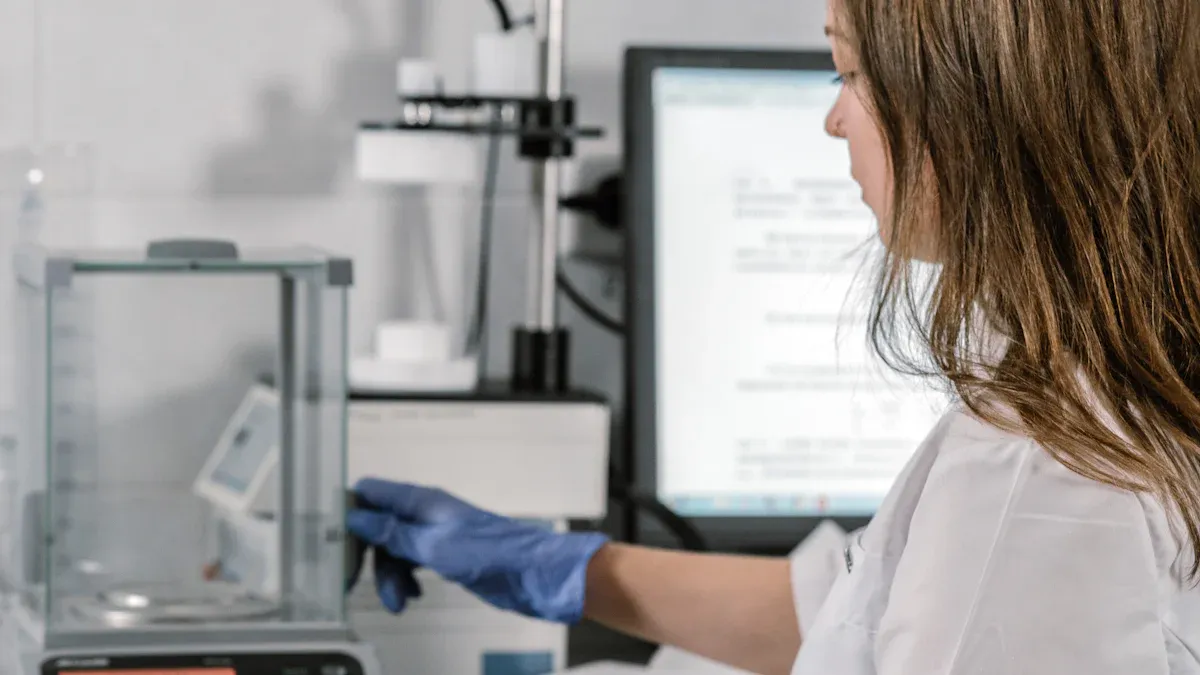
After defining project requirements, the focus shifts to selecting the ideal equipment. This phase involves a detailed evaluation of technical specifications, regulatory compliance, and data integration capabilities. A thorough assessment ensures the chosen machine will perform reliably within the existing production ecosystem.
Evaluating Key Technical Specifications
Project teams must compare the technical specifications of different models. This comparison goes beyond the basic price and identifies the machine best suited for the application. Key performance metrics are the first consideration. These include weighing accuracy, often within ±1.0mg, and throughput rate, which can range from 300 to over 1,000 tablets per minute. Other critical specifications include:
- Mechanical Design: The machine should feature durable, easy-to-clean construction, typically using 304 or 316L stainless steel to prevent corrosion and contamination.
- Software and Control: A user-friendly Human-Machine Interface (HMI), usually a color touchscreen, is essential for operators to manage settings and view production data.
- Rejection System: An efficient mechanism, such as an air blast or pusher, must remove non-conforming tablets without disrupting the production flow.
Verifying Regulatory Compliance (GMP & 21 CFR Part 11)
For pharmaceutical manufacturing, regulatory compliance is non-negotiable. The selected China Tablet Weighing Machine must adhere to Good Manufacturing Practice (GMP) standards. Vendors should provide essential documentation, including Installation Qualification (IQ), Operational Qualification (OQ), and Performance Qualification (PQ) protocols, along with calibration certificates.
Furthermore, the machine's software must comply with FDA 21 CFR Part 11 for electronic records and signatures.
Key compliance features include secure, computer-generated audit trails that record all modifications, electronic signature capabilities for approvals, and distinct user permission levels (e.g., Administrator, Supervisor, Operator). These controls guarantee data integrity and traceability.
Assessing Data Handling and System Connectivity
A modern tablet weigher functions as a data hub for quality control. Teams must assess its data handling and connectivity options. The machine should offer robust data logging to store batch records and export them in universal formats like CSV for analysis. It must also integrate seamlessly with broader factory systems, such as a Manufacturing Execution System (MES) or Enterprise Resource Planning (ERP) software. This connectivity is often achieved through standard communication protocols like Modbus TCP or Ethernet/IP, enabling real-time monitoring and centralized data management for audit readiness.
Vetting Vendors and Service Level Agreements
Selecting the right hardware is only half the battle. Project teams must thoroughly vet potential vendors to establish a reliable long-term partnership. A vendor's reputation, experience, and support infrastructure are as critical as the machine's specifications. Teams should request client references, review case studies, and confirm the vendor's history with pharmaceutical equipment. A strong vendor for a China Tablet Weighing Machine will demonstrate deep industry knowledge and a proven track record of successful installations.
A formal Service Level Agreement (SLA) solidifies the vendor's commitment. This contract is not an optional extra; it is a crucial document that protects the investment and minimizes potential downtime. The SLA defines the scope and quality of future support.
A robust SLA should clearly outline several key areas:
- Guaranteed Support Response Times: Specifies how quickly a technician will address service requests.
- Spare Parts Availability: Details the vendor's commitment to stocking and delivering critical components.
- On-site Service Terms: Defines the conditions and costs associated with dispatching a field engineer.
- Software Updates and Support: Clarifies how the vendor will handle software patches and upgrades.
Teams must negotiate an SLA that aligns with their operational needs before finalizing the purchase. This proactive step ensures that expert support is readily available throughout the lifecycle of the equipment. A detailed agreement provides a clear framework for resolving technical issues, managing maintenance, and ensuring the tablet weighing machine operates at peak performance for years to come. This due diligence transforms a simple purchase into a strategic partnership.
Phase 3: Site Preparation and Physical Installation

With a machine selected, the project moves from planning to the physical realm. Proper site preparation is a critical step that directly impacts the machine's accuracy and reliability. This phase transforms a designated space on the production floor into an optimized environment, ready for the new equipment. A methodical approach here prevents common performance issues like inaccurate readings and operational faults.
Creating a Vibration-Free Environment
High-precision weighing machines are extremely sensitive to their surroundings. Vibrations from nearby equipment, such as tablet presses or packaging lines, can compromise measurement accuracy. Even foot traffic can introduce enough interference to cause problems. The project team must isolate the machine from these disturbances.
A dedicated anti-vibration table or specialized dampening pads placed under the machine's feet are essential. Neglecting this step can lead to inconsistent weight data, an increase in false rejections, and a failure to meet quality standards.
Ensuring Stable Power and Utility Hookups
Consistent and clean utilities are the lifeblood of any advanced manufacturing equipment. The China Tablet Weighing Machine requires a stable power source to protect its sensitive electronics and ensure consistent operation. Teams should plan for the following:
- Dedicated Electrical Circuit: Prevents power dips or surges caused by other machinery on the same line.
- Power Conditioner or UPS: Guards against electrical noise and provides backup power to prevent data loss during brief outages.
- Clean, Dry Compressed Air: If the machine uses a pneumatic rejection system, the air supply must be free of oil and moisture to prevent valve failure.
Executing the Mechanical and Electrical Setup
This is where the machine is physically integrated into the production line. Vendor-certified technicians typically handle this crucial process. They begin by carefully positioning the machine according to the approved layout drawings. Next, they meticulously level the equipment, a vital step for accurate weighing. Once the machine is securely in place, technicians connect the electrical power and any required utility lines, like compressed air. They verify all connections are secure and meet the manufacturer's specifications, preparing the system for the formal qualification and validation phase.
Integrating with Upstream and Downstream Equipment
A tablet weighing machine does not operate in isolation. Its true value emerges from its seamless integration into the broader production line. Engineers must ensure a smooth material flow from the upstream tablet press to the downstream packaging equipment. This physical and digital connection transforms individual machines into a single, cohesive manufacturing system. The primary goal is to create an automated loop where tablets are produced, checked, and packaged with minimal manual intervention.
The physical link is the first step. This typically involves designing and installing custom-made chutes or conveyors. These components must guide tablets gently from the press outlet to the weigher's inlet, preserving tablet integrity and preventing damage or contamination. Similarly, the weigher's outlet for accepted tablets must feed directly into the next stage, such as a bottle filler or blister packaging machine. The layout must be precise to prevent jams and ensure a consistent flow rate.
Beyond the physical connection, a digital "handshake" is essential for true integration. This involves linking the control systems of the connected machines.
The control system integration allows the tablet weigher to communicate directly with the tablet press. For example, if the weigher detects a consistent trend of out-of-specification tablets, it can send a signal to automatically stop the press, preventing the production of a large quantity of defective product.
Successful integration requires several focused actions:
- Physical Alignment: Precisely position the weigher between the upstream and downstream equipment according to the approved layout.
- Chute and Guide Design: Fabricate and install transfer chutes that ensure a gentle, consistent flow of tablets, minimizing the risk of chipping or breaking.
- Sensor Calibration: Calibrate sensors that detect tablet backup at the inlet and outlet to manage the flow and prevent blockages.
- Control System Handshake: Program and test the communication protocol between the weigher and the tablet press for automated process control and emergency stops.
- Operator Training: Train operators on the start-up, shutdown, and changeover procedures for the entire integrated segment of the line, not just the individual machine.
This holistic approach ensures the China Tablet Weighing Machine functions as an intelligent quality gatekeeper within a fully automated production workflow.
Phase 4: System Validation and Qualification
Validation is a formal, documented process that proves the tablet weighing machine operates as intended. This phase provides the objective evidence required for regulatory compliance. It confirms the equipment is installed correctly, functions according to specifications, and consistently produces a quality product.
Performing Installation Qualification (IQ)
Installation Qualification (IQ) is the first step in the validation sequence. The project team formally verifies that the equipment and its components were installed correctly. This process documents that the installation adheres to the manufacturer's recommendations and design specifications. A thorough IQ checklist is essential for a successful audit trail.
Key IQ activities include:
- Performing initial installation checks against layout drawings.
- Conducting power validation to confirm stable electrical supply.
- Reviewing all calibration reports for critical sensors.
- Comparing utility drawings with the actual hookups.
- Verifying that the installation complies with all manufacturer and regulatory specifications.
Conducting Operational Qualification (OQ)
Operational Qualification (OQ) follows a successful IQ. This phase involves testing all the different functions of the equipment. It establishes and documents the operational parameters of the device. Engineers challenge the system to confirm it operates within predefined limits. The OQ protocol tests every function, button, and alarm.
Specific tests often include:
- Verifying all displays and operational signals, such as LEDs.
- Testing servo motors and air-flap controllers for the rejection system.
- Confirming the functionality of timers and activity triggers.
- Validating security features like card access and user permission levels.
Executing Performance Qualification (PQ) with Test Batches
Performance Qualification (PQ) is the final phase of equipment validation. Its primary goal is to demonstrate that the equipment consistently performs reliably within the actual manufacturing process. This stage integrates the equipment into the production line to verify its performance under real-world, routine conditions. Teams use actual production materials to run test batches. This process is typically executed over a series of successful, consecutive production runs, often three batches, to establish consistency and repeatability. Successful PQ provides documented proof that the China Tablet Weighing Machine will ensure a quality product.
Validating the Automated Rejection System
A successful Performance Qualification (PQ) depends heavily on validating the automated rejection system. This system is the machine's active quality enforcement mechanism. Its flawless operation is non-negotiable. The validation team must prove that the system accurately removes every non-conforming tablet without fail. This process provides documented evidence that the machine effectively protects product quality and prevents defective products from reaching the market.
Engineers conduct a "challenge test" to confirm the system's reliability. This test simulates real-world failure scenarios in a controlled manner. The team prepares a set of challenge tablets with known weights, including some that are deliberately overweight and underweight. They then introduce these specific tablets into a stream of acceptable production tablets.
The core objective of the challenge test is to achieve a perfect outcome: 100% rejection of all out-of-specification tablets and 0% rejection of any in-specification tablets. This confirms both the system's accuracy and its precision.
The validation protocol for this test typically involves several key steps:
- Prepare Challenge Samples: Create or select tablets with weights confirmed to be outside the acceptable upper and lower limits.
- Introduce Samples: Feed the challenge tablets into the machine's product stream at various intervals and positions.
- Verify Rejection: Confirm that the rejection mechanism (e.g., an air jet) activates correctly for each challenge tablet.
- Inspect Reject Bin: Account for every single challenge tablet in the reject collection bin.
- Confirm Good Product: Verify that no acceptable tablets were incorrectly rejected during the test.
The team meticulously documents the results of each challenge test. This documentation becomes a critical part of the PQ report. It provides regulators with concrete proof that the China Tablet Weighing Machine functions as a reliable final quality gatekeeper in the production line.
Phase 5: Operator and Maintenance Team Training
A validated machine is only effective if the team knows how to use it correctly. Comprehensive training empowers operators and maintenance staff to maximize machine performance and ensure long-term reliability. This phase transforms a complex piece of equipment into a familiar and manageable tool for quality assurance.
Developing Standard Operating Procedures (SOPs)
Clear documentation is the foundation of effective training. Project teams must develop detailed Standard Operating Procedures (SOPs) before training begins. These documents provide step-by-step instructions for every key task. SOPs ensure that all personnel perform tasks consistently and safely, which is critical for maintaining GMP compliance.
A complete set of SOPs for a China Tablet Weighing Machine should cover machine setup, daily operation, product changeovers, cleaning protocols, calibration, and basic troubleshooting. These documents serve as the primary reference for both initial training and ongoing work.
Training for Daily Operation and Changeovers
Operators are the first line of defense for product quality. Their training must be practical and hands-on, focusing on the skills needed for daily production. A well-designed program equips operators to run the machine efficiently and identify potential issues before they escalate. Key training topics include:
- Monitoring Accuracy: Operators learn to check the machine's performance regularly and use its software to track weight consistency.
- Performing Performance Tests: Teams practice conducting routine tests with certified weights to verify the machine's calibration.
- Troubleshooting Common Issues: Training covers how to identify and resolve frequent problems, such as errors from dust buildup or erratic readings from loose connections.
- Executing Changeovers: Operators master the process of cleaning the machine and setting it up for a new product batch, minimizing downtime.
Training for Routine Maintenance and Calibration
The maintenance team requires specialized training to keep the tablet weigher in peak condition. This program goes beyond daily operation, focusing on the machine's mechanical and electronic systems. It ensures the team can perform preventive maintenance and accurate calibrations, extending the equipment's lifespan. A comprehensive maintenance training plan includes:
- Detailed Parts Inspection: Technicians learn to inspect critical components for wear and tear.
- Formal Calibration Procedures: Training covers how to calibrate the machine using certified weights, following established protocols like NIST Handbook 44.
- Advanced Troubleshooting: Staff learn to diagnose complex issues, such as a damaged load cell or control system faults.
- Preventive Maintenance Schedules: The team is trained to follow a schedule for routine tasks like cleaning, lubrication, and checking electrical connections.
Training for Basic Troubleshooting
Empowering operators with basic troubleshooting skills is a crucial investment. This training transforms them from machine users into the first line of defense against production issues. It reduces reliance on the maintenance team for minor problems, significantly minimizing downtime and improving overall equipment effectiveness (OEE). A well-structured program gives operators the confidence to diagnose and resolve common faults quickly and safely.
This training equips staff with the skills to identify issues before they escalate. A practical curriculum focuses on the most frequent operational errors and their immediate solutions. Operators learn to address:
- Weight Inconsistencies: They check the feed frame for uniform product distribution and make minor adjustments to machine settings.
- Tablet Sticking: They ensure tooling is properly lubricated and review machine parameters to prevent product adhesion.
- Hardness Variations: They assess the powder blend's consistency and adjust compression force as needed.
- Chipping or Capping: They learn to identify excessive compression force as a root cause and adjust settings accordingly.
- Minor Machine Jams: They inspect for simple misalignments or blockages and safely clear them according to the SOP.
Effective training is a cornerstone of quality control. It ensures operators can properly handle machinery, monitor the process, and recognize signs of trouble. Understanding common failures helps operators quickly resolve issues, which ultimately improves the reliability of the tablet weighing machine and the quality of the final tablets.
This proactive approach fosters a deeper understanding of the entire production process. It enhances communication between operators and maintenance staff, creating a collaborative environment focused on quality. When operators can handle basic issues, maintenance teams can focus on more complex repairs and preventive maintenance, optimizing resources across the board. This training is essential for maximizing the return on investment for the new China Tablet Weighing Machine.
Phase 6: Ongoing Operation and Process Optimization
An integration project's success extends beyond the initial setup. Long-term value comes from consistent performance and continuous improvement. This final phase focuses on establishing robust operational routines. These practices ensure the China Tablet Weighing Machine remains a reliable asset for quality control. They also unlock data-driven insights to optimize the entire production process.
Establishing a Routine Calibration Schedule
Regular calibration is essential for maintaining the accuracy of a tablet weighing machine. It provides documented proof that the equipment performs within specified tolerances. Production teams must establish a formal calibration schedule based on manufacturer recommendations and internal quality policies. This routine prevents measurement drift, which can lead to non-compliance and product quality issues.
A proactive approach to calibration significantly reduces unexpected downtime and lowers overall maintenance costs. By continuously monitoring internal components, modern machines can trigger automated calibration cycles or alert technicians to potential faults, ensuring production efficiency and reliability.
The process involves testing the machine with certified, traceable weights at regular intervals. Technicians document every calibration event, creating a clear audit trail. This disciplined practice ensures the weigher consistently delivers accurate data, safeguarding product quality and meeting regulatory requirements.
Implementing a Preventive Maintenance Program
A structured preventive maintenance (PM) program is crucial for maximizing equipment uptime and lifespan. Instead of reacting to breakdowns, the maintenance team follows a schedule of proactive inspections and servicing. This approach identifies and addresses potential issues before they cause major failures. A comprehensive PM plan includes tasks like cleaning sensors, inspecting mechanical parts for wear, checking electrical connections, and lubricating moving components.
Modern tablet weighing machines often use AI to enhance preventive maintenance. Machine learning models analyze sensor data to identify patterns that signal future breakdowns. This capability allows the system to alert staff about potential issues, effectively converting unplanned downtime into scheduled maintenance.
Using Machine Data to Improve Efficiency
A China Tablet Weighing Machine is a powerful data-gathering tool. Production teams can analyze this data to identify trends and improve overall efficiency. The machine logs numerous data points that provide deep insights into the manufacturing process.
| Data Point | Description | Potential Insight |
|---|---|---|
total_waste | Total rejected tablets per batch. | Highlights issues with formulation or press settings. |
tbl_speed_mean | Average tablet speed per hour. | Measures overall line throughput and efficiency. |
main_CompForce_mean | Mean main compression force. | Indicates consistency of tablet hardness and density. |
ejection_mean | Mean ejection force during production. | Reveals potential issues with lubrication or tooling. |
By analyzing metrics like startup waste, compression force variations, and tablet speed changes, teams can pinpoint inefficiencies. For example, a high standard deviation in main compression force (SREL_production_mean) might indicate inconsistent powder flow, prompting an investigation of the tablet press feeder. Using this data transforms the weigher from a simple quality check device into an engine for process optimization.
Managing Data Logs for Audit Preparedness
Effective data management is the final pillar of a successful integration. A China Tablet Weighing Machine generates vast amounts of critical quality data. Teams must manage these electronic records meticulously to ensure constant audit preparedness. A systematic approach to data logging provides regulators with undeniable proof of compliance and product quality. This practice transforms the machine into a trustworthy source of truth for the entire manufacturing process.
Maintaining data integrity begins with implementing robust system controls. These controls guarantee that all electronic records are complete, secure, and traceable. Key practices include:
- Secure Audit Trails: The system must automatically create a secure, computer-generated, and time-stamped audit trail. This digital logbook records every action, such as record creation, modification, or deletion.
- Restricted Access: Personnel should have unique user accounts with permission levels appropriate for their roles (e.g., operator, supervisor). This prevents unauthorized changes to data or machine settings.
- Electronic Signatures: The system must link every electronic signature to a specific person, time, and date. This ensures clear accountability for critical actions like approving a batch record.
A complete data package is essential for traceability. Auditors need to see more than just the final weight results. They need to understand the entire context of the data.
A trustworthy record includes the raw data, the results, and all associated metadata. This metadata provides the full story, detailing who performed an action, when it happened, and what machine settings were used. This complete history allows an auditor to "replay" the original event, confirming its validity.
Finally, teams must establish procedures for long-term data protection and retrieval. This involves scheduling automatic backups of all log files, configuration data, and batch records. Data should be archived in a format that remains readable for years, even without the original system software. Using secure data transfer protocols ensures that information moves safely to a central server or LIMS. This diligent management of data logs keeps the operation ready for an audit at any moment. 🛡️
Successful integration is a structured journey, not a one-time event. This process spans initial planning, physical installation, system validation, and ongoing management. Following these best practices transforms a China Tablet Weighing Machine into a reliable cornerstone of any quality assurance system. A proactive and systematic approach is the key to maximizing the return on investment. It also ensures consistent product quality for years to come. This method turns new equipment into a true manufacturing asset. 🚀
FAQ
What is the most critical factor when choosing a vendor?
Project teams should prioritize the Service Level Agreement (SLA). A strong SLA contract guarantees long-term support, spare parts availability, and defined service response times. This agreement protects the investment and minimizes potential downtime, transforming the purchase into a strategic partnership.
Why is a vibration-free environment so important?
High-precision weighing machines are extremely sensitive to their surroundings. A stable, vibration-free environment prevents inaccurate weight readings and reduces false rejections. Teams use anti-vibration tables or dampening pads to isolate the machine, ensuring reliable and compliant data collection. ✅
What is the purpose of a "challenge test" during validation?
A challenge test validates the automated rejection system's effectiveness. Engineers introduce known out-of-specification tablets into the product stream. The test confirms the system rejects 100% of bad tablets and 0% of good tablets, proving its reliability for quality control.
How often should a team calibrate the machine?
Teams must establish a routine calibration schedule. This schedule follows manufacturer recommendations and internal quality policies. Regular calibration prevents measurement drift and provides a documented audit trail, ensuring the machine's accuracy and compliance over time. ⏱️
See Also
Understanding Tablet Samplers: A Comprehensive Guide for Lab Equipment Selection
Discovering Top Chinese Suppliers for X-Ray Inspection Equipment Purchases
Essential Industrial Checkweighers: Three Must-Haves for Food Processing Facilities
Key Capsule Checkweighers for Buyers to Evaluate in the Year 2025
Pharmaceutical Checkweighers: Definition and Crucial Features for Industry Professionals