How Insulated Boxes Ensure Product Safety in Cold Chain Logistics
Insulated boxes play a vital role in cold chain logistics by keeping products within safe temperature limits. Failure to use proper insulation can lead to spoilage or regulatory issues.
- More than 70% of temperature-sensitive products rely on insulated boxes.
- Over 80% of biopharmaceutical shipments use an insulated box for transportation.
The Role of Insulated Box for Transportation in Cold Chain Logistics
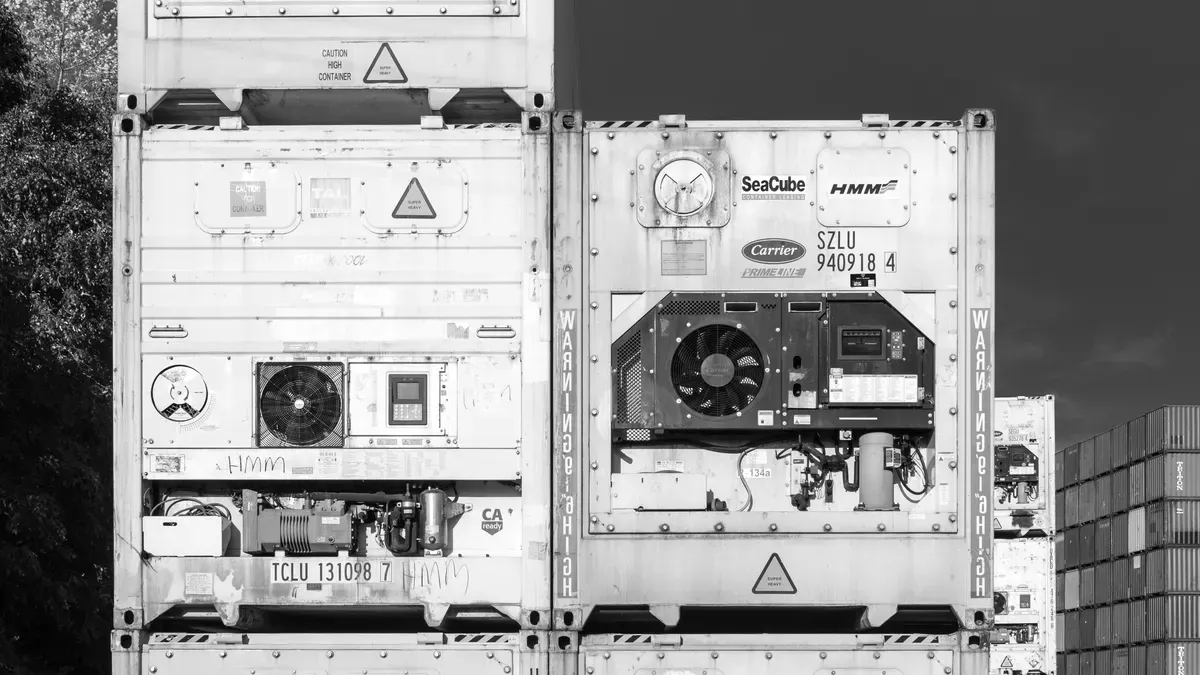
Importance of Temperature Control for Sensitive Products
Temperature-sensitive products require strict control during transit to maintain their safety and effectiveness. Many items, such as dairy, meat, seafood, and fresh produce, must stay within specific temperature ranges to prevent spoilage or loss of quality. The following table highlights the temperature requirements for common products:
| Product Type | Temperature Requirement |
|---|---|
| Dairy Products | Below 40°F |
| Meat and Poultry | Close to freezing |
| Seafood | Just above 32°F |
| Fresh Produce | 35° to 39°F (2° to 4°C) |
Pharmaceuticals, including vaccines and laboratory samples, also demand precise temperature management. For example, COVID-19 vaccines require storage at temperatures as low as –70°C. Medical supplies and diagnostic tools often need controlled environments to remain effective. Even specialty goods like cut flowers must be transported at 33°F–37°F to preserve freshness.
An insulated box for transportation provides a reliable solution for maintaining these strict conditions. Materials such as expanded polystyrene (EPS) and polyurethane foam (PUF) offer effective insulation, balancing cost and performance for food and pharmaceutical shipments.
Risks Mitigated by Insulated Boxes
Insulated boxes address several critical risks during cold chain transportation:
- Maintaining temperature integrity throughout the journey
- Ensuring food safety by preventing bacterial growth
- Extending shelf life and reducing waste
- Preserving pharmaceutical efficacy
- Meeting regulatory requirements in sensitive industries
Without an insulated box for transportation, products face threats such as loss of potency, spoilage, and even safety hazards. Temperature-sensitive chemicals can become dangerous, while fruits, vegetables, and beverages may lose quality or nutritional value. Regulatory violations, customer chargebacks, and supply chain disruptions often result from inadequate temperature control.
Proper use of insulated boxes helps companies avoid costly delays and ensures that products reach their destination in optimal condition.
How Insulated Boxes Protect Product Safety

Mechanisms of Temperature Maintenance
Insulated boxes use advanced physical and chemical mechanisms to maintain stable internal temperatures during transit. These mechanisms help shield products from external temperature fluctuations, which is critical for cold chain logistics. The following table summarizes two of the most effective methods:
| Mechanism | Description | Effectiveness |
|---|---|---|
| Phase-Change Materials (PCMs) | Utilizes materials like stearic acid and distilled water for liquid-solid phase transitions to maintain stable temperatures. | Reduces temperature variations by up to 94.7% compared to traditional methods. |
| Adaptive Multi-Temperature Control (AMTC) | Modulates temperature within multiple zones to insulate from external variations. | Achieves minimal temperature variations of only 0.14–2.05% after 2 hours. |
Insulation materials, such as expanded polystyrene and polyurethane foam, further enhance temperature control. These materials reduce spoilage and ensure compliance with safety regulations. Sustainable options, like eco-friendly pouches, also minimize environmental impact while maintaining performance. Simulation studies show that the temperature inside an insulated box for transportation can remain between 2°C and 8°C for up to 96 hours, even during long-distance shipping.
Tip: Accurate payload measurement and minimal empty space inside the box help reduce heat gain and maximize insulation effectiveness.
Key Benefits: Preventing Spoilage, Preserving Efficacy, and Ensuring Compliance
Insulated boxes offer several key benefits that directly impact product safety and quality:
- Preventing Spoilage: Insulated boxes reduce temperature fluctuations, preventing exposure to unwanted heat and product degradation. This extends shelf life and minimizes waste for perishable goods.
- Preserving Efficacy: Pharmaceuticals require strict temperature control to maintain their effectiveness. Insulated packaging protects drugs from freezing or overheating, ensuring they remain potent until delivery. Multilayered construction also shields medications from moisture and light.
- Ensuring Compliance: Regulatory agencies, such as the FDA, WHO, and EU GDP, mandate specific temperature ranges for cold chain logistics. Insulated boxes help companies meet these requirements by maintaining validated temperature ranges, recording temperature and humidity, and supporting regular audits.
A typical insulated box for transportation supports compliance by providing continuous temperature monitoring and proper documentation throughout the logistics process. This reduces the risk of regulatory violations and product recalls.
Real-World Applications in Food, Pharmaceuticals, and Specialty Goods
Insulated boxes play a crucial role across multiple industries:
- Food Logistics: Companies use insulated shipping solutions to expand their reach and maintain product quality. For example, mail-order beef businesses rely on insulated boxes to deliver fresh meat nationwide. Eco-friendly insulated pouches keep ice cream frozen during last-mile delivery, preventing product loss.
- Pharmaceuticals: Insulated boxes protect vaccines, laboratory samples, and temperature-sensitive drugs during long-distance transport. They maintain required temperature ranges, even under extreme conditions, and comply with international standards. Insulated liners and validated thermal packaging systems undergo rigorous testing to ensure product integrity.
- Specialty Goods: Products like cut flowers, specialty chocolates, and high-value chemicals depend on consistent temperature control. Insulated boxes help overcome challenges such as equipment reliability, regulatory compliance, and high operational costs. Reliable carriers and proper packaging prevent spoilage and maintain quality.
| Case Study Title | Description |
|---|---|
| Expanding Reach for Mail-Order Beef with Insulated Shipping | Enabled a mail-order beef company to expand its reach while maintaining product quality during transit. |
| Shipping Multiple Product Types Inside Single Container | Demonstrated the effectiveness of insulated packaging in shipping various food products together. |
| How to Keep Ice Cream from Melting – Eco Insulated Pouch | Showcased eco-friendly insulated pouches that maintain freezing temperatures for ice cream shipments. |
Insulated boxes have become essential for maintaining product safety and quality in cold chain logistics. Their proven effectiveness in food, pharmaceuticals, and specialty goods demonstrates their value for any business that relies on temperature-sensitive transportation.
Insulated boxes deliver essential benefits in cold chain logistics:
- They extend shelf life and preserve product quality, boosting customer satisfaction and business reputation.
- High-quality insulation reduces waste and saves costs.
- Proper selection ensures compliance, maintains efficacy, and protects brand integrity.
Choosing the right insulated box remains vital.
FAQ
What materials do insulated boxes use for cold chain logistics?
Insulated boxes often use expanded polystyrene, polyurethane foam, or phase-change materials. These materials provide reliable thermal protection for sensitive products.
How long can insulated boxes maintain temperature during transit?
Most insulated boxes keep products within safe temperature ranges for up to 96 hours, depending on insulation quality and external conditions.
Are insulated boxes reusable?
- Many insulated boxes offer reusable designs.
- Companies clean and inspect them after each use to ensure continued performance and compliance.
See Also
Latest Developments in Bearing Box Shipping Categories
Essential Guidelines for Safe Nitric Acid Storage
Enhancing Cooling Systems Through Refrigeration Heat Exchangers
Important Capsule Checkweighers to Evaluate for 2025
Reliable Steel Processing for Effective Heat Exchange Solutions