How Inspection Systems Manufacturer Technology Elevates Quality Standards
Inspection systems manufacturer technology delivers accuracy, consistency, and speed in quality control.
- Over 50% of automated quality control processes now use machine vision systems, reflecting widespread adoption.
| Quality Control Issue | Cause | Solution |
|---|---|---|
| Poor Material Quality | Supplier substitutions | Pre-production inspections |
| Dimensional Errors | Machine inconsistency | Regular calibration |
| Human Mistakes | Lack of training | Comprehensive training |
A defined inspection standard can reduce defect rates from over 20% to as low as 2–5% within one shift.
Inspection Systems Manufacturer: Modern Technologies and Their Impact
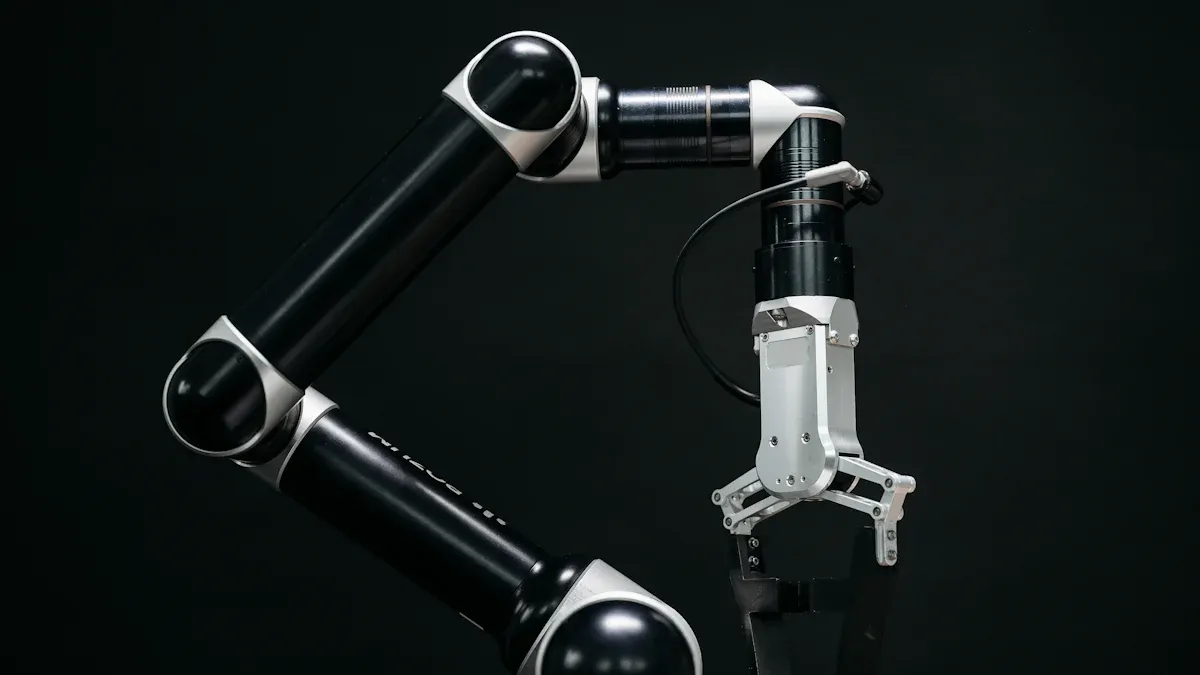
Defining Modern Inspection Systems
Modern inspection systems have transformed the way manufacturers approach quality control. These systems combine advanced hardware and intelligent software to deliver precise, repeatable, and scalable inspection processes. Manufacturers rely on inspection systems manufacturer technology to automate defect detection, monitor production lines, and ensure product consistency. The most common types of vision systems include 1D, 2D, and 3D models, each designed for specific inspection tasks.
| Type of Vision System | Description | Applications |
|---|---|---|
| 1D Vision Systems | Use line-scan cameras for high-speed inspections, ideal for moving items. | Length checks, barcode reading. |
| 2D Vision Systems | Utilize area-scan cameras for flat images, suitable for surface inspections. | Detecting scratches, discolorations, missing labels. |
| 3D Vision Systems | Employ multiple cameras or lasers for depth and volume measurements. | Complex shape inspections, robotic guidance. |
Manufacturers select the appropriate system based on product requirements and production environments. These technologies allow for rapid adaptation to new product designs and changing quality standards.
Core Technologies: Vision Systems, Sensors, and AI
Inspection systems manufacturer solutions integrate several core technologies to maximize accuracy and efficiency. Vision systems provide high-resolution imaging, enabling the detection of even the smallest defects. Sensors monitor product health in real time, collecting data throughout the manufacturing lifecycle. Artificial intelligence drives automation, analyzing sensor data and images to identify trends and optimize production.
| Key Feature | Description |
|---|---|
| Machine Learning Algorithms | Enhance defect detection over time by adapting to new patterns and improving accuracy. |
| High-Resolution Imaging | Utilizes high-resolution cameras for precise analysis, identifying even minor defects. |
| Multi-Object Detection | Inspects multiple items simultaneously, boosting productivity on production lines. |
| Integration with Manufacturing Systems | Seamlessly connects with other processes and IoT devices for improved workflow. |
| Accessible Interfaces | User-friendly designs that reduce training time and enhance productivity. |
| Individualized Parameters | Customizable inspection settings to meet specific quality standards. |
| Defect Categorization | Classifies defects for better root cause analysis and continuous improvement. |
| Deep Learning | Analyzes large datasets to identify complex patterns and irregularities. |
| Image Evaluation | Assesses various image features to ensure comprehensive product quality evaluation. |
| Data Analysis | Identifies trends and patterns to enhance production processes and product quality. |
| Real-Time Inspection | Provides immediate feedback during inspections for quick adjustments in production. |
| Safety Protocols | Implements strong measures to maintain data accuracy and privacy. |
Manufacturers benefit from automated inspection systems that reduce reliance on manual labor, minimize costs, and lower error rates. Machine learning algorithms enable data-driven decisions, while predictive maintenance reduces equipment failures. AI models such as Faster R-CNN and YOLOv5 achieve defect detection accuracy rates above 99%, increasing productivity and reducing downtime by up to 25%.
Tip: Automated inspection systems collect large amounts of data, allowing manufacturers to identify trends and potential issues before they impact product quality.
Practical Implementation in Manufacturing
Manufacturers implement inspection systems manufacturer technology using several effective strategies. Integrating computer vision systems and IoT sensors into quality control processes enables real-time monitoring and immediate alerts. This approach helps catch quality issues before they escalate, minimizing waste and improving overall efficiency.
- Leverage data analytics to continuously improve production processes.
- Use advanced analytics tools to identify trends and inefficiencies.
- Conduct thorough inspections of raw materials before manufacturing to reduce defect risks.
- Perform regular inspections throughout production to maintain quality control.
- Utilize automated inspection equipment to enhance speed and accuracy.
Manufacturers face challenges when integrating these technologies, including the complexity of existing systems, variability in products, and data management. High initial investment and skill gaps also present obstacles. Despite these challenges, the benefits of inspection systems manufacturer technology outweigh the drawbacks. Manufacturers track performance using metrics such as scrap rate, rework rate, on-time audit completion, and downtime percentage. These metrics help assess the effectiveness of inspection systems and guide continuous improvement efforts.
Inspection Systems Manufacturer: Benefits Over Traditional Methods

Manual Inspection Limitations
Manual inspection methods present significant challenges in modern manufacturing environments. Human inspectors often experience fatigue after only 20 to 30 minutes of repetitive tasks, which leads to a decline in accuracy. Emotional and psychological factors can introduce systematic bias, affecting the consistency of inspection results. Environmental factors such as lighting, glare, and workplace distractions further reduce defect detection rates.
- Human judgment varies, resulting in inconsistent standards.
- Manual inspection does not scale well with increased production demands.
- Inspectors require 2 to 5 minutes per complex part, which cannot keep pace with high-speed lines.
- Random sampling increases the risk of defective products reaching consumers.
- Lack of structured data limits process optimization and traceability.
Note: Maintaining ideal inspection conditions across shifts and facilities remains impractical, making manual inspection unreliable for large-scale operations.
A comparison of error rates highlights the limitations of manual inspection:
| Inspection Type | Error Rate (%) | Defect Detection Rate (%) |
|---|---|---|
| Manual Inspection | 10% - 20% | 85% (missing defects) |
| Automated Inspection | <5% | >95% |
Automated Systems: Precision and Speed
Automated inspection systems deliver superior precision and speed compared to traditional methods. These systems use advanced imaging and artificial intelligence to inspect thousands of products per hour, ensuring consistent quality. Automated solutions maintain high accuracy, even during long production runs, and eliminate the subjectivity found in manual inspection.
| Improvement Type | Traditional Method Time | Automated Method Time | Improvement Percentage |
|---|---|---|---|
| Inspection Time (Automotive) | Several seconds/item | 50% faster | 50% |
| Inspection Time (Semiconductors) | Varies | 60% faster | 60% |
| Inspection Time (Electronics) | 45 minutes/blade | 3 minutes/blade | 93.33% |
| Defect Detection Rate | Varies | Up to 99.5% | Significant |
Automated visual inspection systems help maintain consistent production flow by removing defective products immediately, reducing downtime and costly interruptions. Real-time, in-line checks ensure thorough and efficient inspection without slowing down the production line. These systems assess quality in milliseconds, preventing defective items from reaching the market and providing critical data for immediate production adjustments.
- Automated inspection reduces downtime by up to 25% through early defect detection.
- Enhanced throughput reduces bottlenecks in production lines.
- Consistency ensures every product meets quality standards.
Real-World Industry Applications
Many industries have adopted inspection systems manufacturer technology to address unique quality control challenges. The following table highlights notable case studies and their impact:
| Case Study | Impact | Source |
|---|---|---|
| Pipe Inspection Robots | 30% reduction in inspection costs, 50% reduction in inspection time, 40% drop in workplace accidents | American Society of Civil Engineers |
| Automated Visual Inspection in Electronics | 94% reduction in defect escape rates, 99.7% detection accuracy, $1.8 million annual savings | Visionify Case Study |
Other measurable improvements include:
| Metric | Improvement |
|---|---|
| Production throughput | 32% increase |
| Quality control labor costs | 68% reduction |
| Rework requirements | 41% decrease |
| ROI | 280% in first year |
Industries such as food and beverage, pharmaceuticals, aerospace, and medical devices rely on automated quality inspection to ensure safety, compliance, and precision. For example, in the food industry, these systems detect contaminants and defects, while in aerospace, they inspect critical components for dimensional accuracy.
Integration Across Manufacturing Stages
Successful integration of inspection systems manufacturer technology requires a structured approach. Manufacturers follow these steps:
- Ensure integration and scalability with existing production lines.
- Map inspection points throughout the workflow for reliable quality checks.
- Integrate inspection points directly with production lines for higher accuracy.
- Prioritize data collection and traceability to strengthen quality checks.
- Run a pilot test to evaluate system performance before full deployment.
- Roll out factory-wide, involving cross-functional teams and executive commitment.
| Benefit | Description |
|---|---|
| Higher Accuracy | Automated systems catch subtle defects, reducing flawed units. |
| Consistent Results | Uniform inspection criteria eliminate human error and bias. |
| Faster Throughput | Inspections run at production speed, preventing delays. |
Automated quality control systems can reduce inspection time by up to 90% and improve defect detection rates by 50%. By integrating quality inspection with broader manufacturing systems, manufacturers achieve real-time defect tracking and seamless communication between teams. This integration ensures that quality management becomes an agile part of the manufacturing process.
Future Trends in Inspection Technology
Emerging trends continue to shape the future of inspection systems manufacturer technology. The use of digital twins allows manufacturers to simulate operations, optimizing strategies and reducing errors before actual execution. Cloud-based analytics enable real-time data capture and analysis, supporting proactive improvements.
| Trend | Description |
|---|---|
| Digital Twins | Simulate operations for optimization and error reduction. |
| Cloud-based Analytics | Enable real-time data capture and proactive improvements. |
| Adaptability of Systems | Modular upgrades and flexible licensing ensure longevity and ROI. |
| Skills Gap in Metrology | Technology democratizes access to high-precision inspection. |
| Pace of Change and Agility | Systems adapt seamlessly to new product designs and materials. |
| Productivity Bottlenecks | Efficient workflows prevent inspection from slowing production. |
| Rise of Automation and Data-Driven Quality | Intelligent systems communicate and adapt in real time, making inspection data integral to strategy. |
Artificial intelligence will play a central role in the next generation of inspection systems. AI facilitates real-time defect detection, replacing manual inspections with continuous precision vision systems. Machine learning algorithms can analyze thousands of images per second, identifying anomalies that human inspectors might miss. Predictive analytics will allow manufacturers to address potential defects before they impact production, leading to improved quality, reduced rework, and increased throughput.
Tip: Investing in advanced inspection systems manufacturer technology not only ensures compliance with regulatory standards but also delivers long-term cost savings through reduced waste, improved product quality, and enhanced operational efficiency.
Inspection systems manufacturer technology sets new benchmarks for quality control:
- AI vision systems detect defects invisible to humans in automotive and pharmaceutical production.
- Vision systems ensure 24/7 accuracy, traceability, and regulatory confidence.
| Improvement Type | Measurement |
|---|---|
| Defect Detection Accuracy | 99.5%+ accuracy rates |
| Production Speed Enhancement | 40-60% faster inspection |
| Waste Reduction | 20-35% less material waste |
AI-powered inspection enables manufacturers to inspect every product, maintain reliability, and stay competitive.
FAQ
What industries benefit most from inspection systems manufacturer technology?
Manufacturers in automotive, electronics, pharmaceuticals, and food processing see improved defect detection, faster inspections, and higher product reliability.
Tip: These systems adapt to diverse production environments.
How does AI improve inspection accuracy?
AI analyzes images and sensor data, identifying defects with over 99% accuracy.
Manufacturers use machine learning to reduce errors and optimize quality control.
Can inspection systems integrate with existing production lines?
Yes, most systems offer modular designs and flexible interfaces.
Manufacturers achieve seamless integration and real-time data sharing across workflows.
See Also
Essential Industrial Checkweighers For Every Food Manufacturing Facility
Where To Purchase X-Ray Inspection Equipment In China
Comparing Leading Hospital Bed Elevators For Safety And Efficiency
Comparative Analysis Of EHEDG And 3A SSI Hygienic Standards
Understanding Pharmaceutical Checkweighers And Their Key Characteristics