Transforming Skylines 10 Buildings With Stunning Aluminum Exteriors
Aluminum empowers architects to create visually stunning and highly functional building exteriors. Its incredible versatility allows for dynamic facades, ranging from perforated patterns to bold, sculptural forms. This material combines lightweight properties with impressive strength, enabling complex and innovative designs using products like the Aluminum Composite Panel. This rising popularity is reflected in market trends.
The global aluminum facade market is projected to grow at a Compound Annual Growth Rate (CAGR) of 8.34% from 2026 to 2033, driven by technological advancements and increasing demand.
1. Perforated Panels: Art with Light and Shadow
Perforated aluminum panels transform a building's exterior into a dynamic canvas. Architects use these panels to create a sophisticated interplay of light and shadow, turning simple surfaces into works of art. The perforations, which can vary in size, shape, and density, allow for incredible artistic expression while delivering superior functional performance. This technique gives a structure a sense of lightness and transparency, breaking down the solid mass of a traditional wall. The result is a visually engaging facade that changes its appearance throughout the day with the shifting sun.
Project Spotlight: BNA Signature Terminal
The BNA Signature Terminal in Nashville, Tennessee, is a masterful example of perforated aluminum in action. Its massive, cantilevered canopy resembles a folded wing, an effect achieved with intricately perforated aluminum panels. These panels are not just decorative; they are structural marvels. The lightweight yet high-strength properties of aluminum allow for such a dramatic, gravity-defying design. During the day, sunlight filters through the perforations, casting complex patterns on the ground below and creating a welcoming, dappled light environment for travelers. The design showcases how a material can embody both delicacy and immense strength.
Design Innovation: Sun Shading and Imagery
Beyond aesthetics, perforated panels are a key component of high-performance building design. They offer an elegant solution for sun shading and energy management, merging form with critical function.
By controlling sunlight, perforated aluminum facades significantly boost a building's energy efficiency. They act as a veil, shielding the interior from harsh solar radiation while still permitting natural light to enter.
This innovative approach to climate control has several key benefits:
- The panels filter direct sunlight, which decreases solar heat gain and reduces uncomfortable glare inside the building.
- They lower the reliance on artificial cooling systems, leading to long-term energy savings and a smaller carbon footprint.
- Perforations can also facilitate natural airflow, helping to regulate indoor temperatures without mechanical systems.
Advanced PVDF coatings make these panels exceptionally durable. They ensure color stability and resist fading from UV radiation and pollutants, maintaining the building's appearance for decades. Furthermore, architects can manipulate perforation patterns to create large-scale graphics or text, turning the entire facade into a powerful visual statement.
2. Geometric Forms: Sculptural 3D Facades
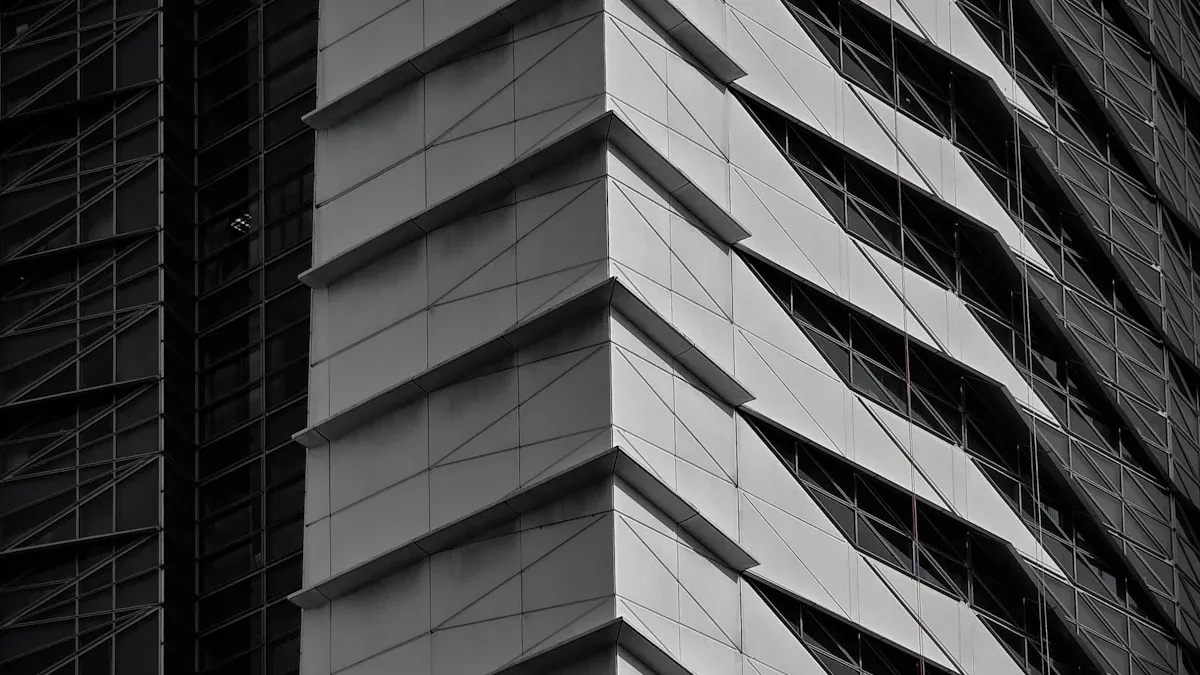
Aluminum empowers architects to break free from flat, two-dimensional surfaces. They can now design buildings as large-scale sculptures. The material's unique properties allow for the creation of complex, three-dimensional geometric facades. These designs add visual depth, texture, and a powerful sense of identity to a structure. Architects use angular panels, folded shapes, and interlocking modules to craft exteriors that play with light and shadow, transforming the building's appearance throughout the day. This approach turns the building itself into a piece of public art.
Project Spotlight: Elysian Fields
The Elysian Fields building in Los Angeles, California, is a prime example of a sculptural 3D facade. Its exterior features a stunning array of triangular aluminum panels, angled in various directions. This geometric pattern creates a crystalline, jewel-like effect that captures and reflects sunlight in unpredictable ways. The design gives the building a dynamic and vibrant presence. The lightweight nature of aluminum was critical for this project. It allowed for the easy installation of the complex, multi-faceted cladding system without requiring an overly heavy support structure. The result is a building that feels both solid and ethereal.
Design Innovation: Malleability in Form
Aluminum’s remarkable malleability is the key to achieving such intricate geometric forms. It can be shaped with incredible precision, enabling architects to realize their most ambitious sculptural visions. Advanced fabrication processes transform simple aluminum sheets into complex architectural components.
💡 Did You Know? Aluminum is 100% recyclable with a high recovery value, making it a sustainable choice compared to materials like glass or stone.
Several key techniques allow for this design freedom:
- Extrusion: This process pushes aluminum through a custom-shaped die. It creates continuous profiles perfect for framing systems and modular components.
- Bending and Forming: Aluminum sheets can be bent, folded, and curved into precise angles and contours. This creates the sharp, angular panels seen on buildings like Elysian Fields.
- Casting: Molten aluminum is poured into molds. This method produces unique, solid components for decorative or structural purposes.
These fabrication methods, combined with advanced PVDF coatings that ensure long-term color stability and resistance to pollutants, give architects a versatile and durable material. They can design facades that are not only visually striking but also built to last.
3. Dynamic Systems: Interactive and Kinetic Exteriors
Kinetic facades take architectural design to the next level. They create building exteriors that move and respond to their environment. Aluminum is the ideal material for these dynamic systems. Its lightweight nature reduces the structural load and the energy needed to move facade components. Architects use it to design interactive surfaces that can open, close, or shift, transforming a building's appearance and performance in real time. This creates a living, breathing structure that actively engages with its surroundings.
Project Spotlight: Brick and Machine
The Brick and Machine building in Culver City, California, showcases a brilliant kinetic aluminum facade. The design features a system of perforated aluminum panels that operate like vertical blinds. Tenants can pivot these panels to control the amount of sunlight entering their workspace. This simple yet effective mechanism allows the building's exterior to change constantly throughout the day. The perforated design filters light beautifully, creating a comfortable interior ambiance while maintaining views of the outside. The project highlights how aluminum enables user-centric, adaptable design.
Design Innovation: Adaptable Facade Appearance
Aluminum's strength and light weight are crucial for creating adaptable facades that enhance building performance. These smart exteriors integrate technology to respond automatically to environmental changes, optimizing energy use and occupant comfort. This innovation turns a static building envelope into a high-performance, responsive system.
Smart facades represent a major leap in sustainable architecture. They allow buildings like the Bullitt Center in Seattle and the San Francisco Museum of Modern Art to achieve remarkable energy efficiency by actively managing light and heat.
Modern adaptable systems incorporate a range of smart technologies:
- Automated Shading Solutions: Motorized louvers adjust based on data from light and temperature sensors.
- Artificial Intelligence: AI fine-tunes facade performance by learning from past data and anticipating changes.
- Integrated Photovoltaic Cells: These cells generate renewable energy directly from the facade.
- Environmental Sensors: They detect changes in light, heat, and air quality for real-time adjustments.
These technologies, combined with the durability of aluminum, create buildings that are not only visually dynamic but also intelligent and sustainable.
4. Bold Color Integration: Making a Statement
Color transforms architecture from a simple structure into a powerful statement. Aluminum provides the perfect canvas for this transformation. Its surface readily accepts advanced coatings, allowing architects to specify nearly any color imaginable. This capability empowers designers to create buildings that stand out, convey emotion, and establish a strong visual identity. Modern commercial buildings frequently use vibrant colors to define their brand and integrate harmoniously with the urban landscape. The aesthetic variety and customization options offered by color-coated aluminum are extensive.
Project Spotlight: Halkin Mason Photography
The Halkin Mason Photography studio in Philadelphia is a brilliant example of color used with purpose. Its facade features a vibrant mosaic of green, yellow, and gray aluminum panels. This bold, pixelated design immediately captures attention and communicates the creative, artistic nature of the business within. The use of a lightweight Aluminum Sheet Product was essential for achieving this multi-colored, paneled effect without overburdening the structure. The building does not just house a business; it acts as a piece of public art and a powerful advertisement for the brand itself.
Design Innovation: Brand Identity Through Color
Color is a critical tool for building brand identity in the commercial world. Companies use specific color strategies to create a consistent and recognizable presence across multiple locations.
Advanced PVDF (polyvinylidene fluoride) coatings are crucial for this strategy. Based on materials like Kynar-500, these coatings ensure exceptional color stability and prevent fading for up to 25 years. This durability protects a brand's visual identity against UV radiation, humidity, and corrosion.
Architects and brands leverage color in several ways:
- International retail chains and restaurant brands often select custom signature colors to maintain a uniform identity.
- Business hotels may choose cool, stable colors to project a professional brand image.
- High-end boutique hotels might prefer unique, customized colors to emphasize their exclusive design.
This long-term color performance, combined with the non-adhesive nature of the PVDF paint film that repels pollutants, makes colored aluminum an intelligent investment for any brand-conscious project.
5. Custom Curves: Embodying Fluid Motion
Aluminum frees architecture from rigid lines and sharp angles. Its excellent processing properties allow designers to create buildings with soft, flowing curves that evoke a sense of organic movement. Architects can bend and shape aluminum panels to mimic the fluidity of water, the gentle slope of a hill, or the speed of modern technology. This design approach gives static structures a dynamic, living quality. The material’s light self-weight and high strength make it possible to engineer these complex, large-scale curves without compromising structural integrity, opening new doors for architectural expression.
Project Spotlight: Tesla, Santa Monica
The Tesla showroom in Santa Monica, California, perfectly embodies fluid motion through its custom-curved facade. The building’s exterior design draws direct inspiration from the company's namesake, Nikola Tesla, and scientific magnetic flux diagrams. The sweeping lines across the Aluminum Sheet Product panels conceptually represent the relationship between magnetic flux and electron decay. This creates a visual metaphor for the linear energy release of electric propulsion. The result is a sleek, futuristic building that visually communicates the innovation and speed of the Tesla brand.
Design Innovation: Representing Movement
Achieving these graceful curves requires a combination of artistic vision and advanced fabrication technology. Modern techniques transform flat aluminum sheets into precise, three-dimensional forms that bring an architect's concept to life.
Advanced manufacturing pushes the boundaries of what is possible with metal. A novel approach even combines traditional methods like the English Wheel with robotics, allowing for the creation of complex, double-curved surfaces that were once too labor-intensive.
Key fabrication methods enable this level of design freedom:
- Hydroforming: This process uses high-pressure fluid to press aluminum sheets into a mold, creating smooth, uniform curves.
- CNC Bending: Computer-controlled machines bend panels along programmed paths, allowing for intricate and repeatable curved designs.
These techniques, paired with the superior durability of PVDF coatings, ensure that the building's fluid aesthetic remains vibrant and protected for decades. The material is also 100% recyclable, making it a responsible choice for forward-thinking design.
6. Large-Scale Graphics: Facades as Canvases
Aluminum transforms building exteriors into immense canvases for artistic expression. Architects now use the smooth, uniform surface of aluminum panels to apply vast, intricate graphics. This technique turns a building into a powerful visual landmark, communicating a story or identity on a city-wide scale. The lightweight nature of an Aluminum Sheet Product allows for the creation of these large-scale artworks without imposing a heavy structural burden. This innovation merges architecture with graphic design, creating buildings that are both functional and culturally significant.
Project Spotlight: Santa Monica Beach Project
The Santa Monica Beach project in California is a spectacular demonstration of a facade as a canvas. Its exterior features a massive, photorealistic image of a wave crashing onto the shore. This stunning graphic, applied across numerous aluminum panels, creates a seamless and dynamic visual experience. The artwork connects the building directly to its coastal environment, celebrating the local landscape. The project showcases how graphics can give a building a unique personality and a deep sense of place, turning it into an unforgettable destination.
Design Innovation: Architectural Artistry
Creating durable, large-scale graphics on building exteriors requires specialized application methods. These techniques ensure that the artwork withstands weather, sunlight, and environmental pollutants for years. The result is a vibrant, long-lasting architectural statement.
💡 Did You Know? Advanced PVDF coatings not only protect the aluminum but also provide a perfect, non-adhesive surface for graphics, ensuring they remain clean and vivid over time.
Several key methods bring these architectural visions to life:
- Screen Printing: This method is ideal for large commercial graphics. It applies thick layers of ink, ensuring high color quality and durability against extreme weather on substrates like aluminum.
- Direct Printing: Modern technology allows graphics to be printed directly onto Aluminum Composite Material (ACM), creating a seamless and integrated look.
- Cut Vinyl Graphics: For another approach, ACM panels can be covered with precisely cut vinyl graphics. The weather-resistant properties of the aluminum make it a top choice for long-term outdoor displays.
These processes, combined with aluminum's inherent strength, give designers the tools to create true architectural artistry.
7. Textured Surfaces: Adding Visual Depth
Texture introduces a new sensory layer to architectural design, inviting both sight and touch. Aluminum’s versatility makes it an ideal material for creating facades with rich surface variations. Architects manipulate textures to play with light, generate intricate shadow patterns, and give a building a tangible, physical presence. This technique transforms a flat plane into a dynamic surface, adding a profound sense of depth and character that changes with the viewer's perspective and the time of day.
Project Spotlight: The Broad Museum
The Broad Museum in Los Angeles masterfully demonstrates the power of a textured facade. Its iconic design features a 'veil and vault' concept. The exterior 'veil' is a porous, honeycomb-like structure that wraps around the building. This porous metal screen creates a deeply textured and visually captivating facade. The design is not just for show; it serves a critical function by diffusing sunlight.
The museum's facade is so effective at filtering natural light that artificial lighting is rarely needed during daytime hours. This controlled, indirect illumination protects the priceless art inside from sun damage while creating a serene gallery environment.
Design Innovation: Tactile and Visual Dimension
Achieving these tactile surfaces requires specialized fabrication techniques that transform smooth aluminum into a work of art. These methods give designers precise control over the final look and feel of the facade, enabling a wide range of expressive possibilities. The choice of technique depends on the desired pattern, from subtle roughness to bold, raised designs.
Several key methods bring these textured visions to life:
- Hammering: Artisans use different types of hammers to create unique patterns, from rounded dimples to lineal textures, by gently striking the metal.
- Embossing: This process uses specialized dies to press raised designs onto aluminum sheets, often heating the metal to achieve more complex patterns.
- Chemical Texturing: Technicians apply chemical solutions, sometimes using stencils, to etch fine, intricate designs directly onto the aluminum surface.
- Machine Texturing: Advanced tools like CNC machines or texturing rollers apply uniform, calibrated textures across large panels with exceptional consistency.
8. Anodized Finishes & Aluminum Composite Panel: Subtle Elegance
Anodized finishes and the Aluminum Composite Panel offer a different kind of architectural statement. They create a subtle, refined elegance through clean lines and metallic sheens. This approach moves away from bold colors or complex textures. Instead, it relies on the inherent beauty and precision of the material itself. The result is a sophisticated facade that communicates modernity and high-end quality. Architects use these materials to design buildings that feel both timeless and contemporary.
Project Spotlight: 56 Leonard Street ("Jenga Tower")
New York City's 56 Leonard Street, famously known as the "Jenga Tower," is a stunning example of subtle elegance. The skyscraper features a unique design of stacked, cantilevered glass boxes. The structure’s sharp, clean edges and reflective surfaces are accentuated by high-quality aluminum. The use of an Aluminum Composite Panel helps create the smooth, seamless surfaces that define its pixelated silhouette. The metallic finish interacts with the city's changing light, giving the tower a dynamic yet understated presence. It showcases how a material’s finish can define a building’s iconic character.
Design Innovation: Durability Meets Sophistication
Achieving a sleek, minimalist aesthetic requires materials that combine beauty with long-term performance. Anodized aluminum and PVDF-coated Aluminum Composite Panel systems provide this balance. Architects select a finish based on the project's specific environmental challenges and aesthetic goals. Anodized finishes are known for their extreme hardness and scratch resistance, while PVDF coatings offer superior color retention and protection in harsh climates. The choice between them allows for tailored durability.
The following table compares the performance features of these two advanced facade options.
| Feature | Anodized Aluminum Composite Panels | PVDF Aluminum Composite Panels |
|---|---|---|
| Service Life | Up to 50 years (real life), 25 years (company claim) | Over 20 years (color and look retention) |
| Scratch Resistance | Tougher, harder surface, does not scratch easily | Less scratch resistant than anodized |
| Corrosion Resistance | Does not rust, works well in wet places, performs well in salt spray tests (4000 hours) | Protects against salt, water, and pollution, suitable for coastal areas |
| Weather Resistance | Stays strong against sun, water, and hot or cold weather; fights sun, salt, and pollution | Excellent protection from UV rays, resists fading, chalking, rain, wind, and pollution |
| Maintenance | Does not need much care, saves time and money | Needs cleaning every 1-3 years (depending on location) |
| Application Suitability | Best for busy places (cities, schools, public buildings) due to scratch resistance | Popular for buildings near the sea or with lots of chemicals, suitable for outdoor projects and industrial areas |
This level of performance ensures that a building’s sophisticated appearance endures for decades with minimal maintenance.
9. Reflective Panels: Interacting with the Environment
Reflective panels transform buildings into living mirrors of their surroundings. These surfaces capture and reflect the dynamic interplay of light, weather, and urban activity. A building with a reflective facade no longer stands as a static object. It becomes an active participant in its environment, its appearance shifting with the passing clouds, the changing seasons, and the movement of city life. This design approach creates a powerful connection between the structure and its context, offering a constantly evolving visual experience.
Project Spotlight: The "Cloud Gate" Sculpture
Chicago's "Cloud Gate" sculpture, affectionately known as "The Bean," is a world-renowned example of a reflective surface. Its seamless, mirror-like exterior distorts and reflects the city skyline and the people around it, inviting interaction. To achieve this flawless finish and ensure longevity, its creators chose stainless steel type 316/316L for its excellent corrosion resistance and mechanical properties. This material choice contributes to a design service life of 1000 years. While the exterior is highly polished, the internal structural rings were constructed from type 304 stainless steel, providing robust support.
Design Innovation: Dynamic Environmental Reflection
The use of reflective surfaces is a key innovation in creating buildings that feel alive. These facades blur the line between the built and natural worlds, creating a seamless visual dialogue.
Reflective architecture does more than just mirror its surroundings; it actively engages with them, creating a dynamic, ever-changing landmark that enriches the public space.
This design choice also offers practical benefits. Materials like stainless steel are known for their low maintenance and ease of cleaning. Preserving the pristine finish of a structure like "Cloud Gate" involves straightforward upkeep.
- Workers wipe and buff the surface to remove contaminants.
- They can easily clean off graffiti.
- Occasional polishing keeps the sculpture visually appealing.
Similarly, modern Aluminum Sheet Products can be engineered with highly reflective PVDF coatings. This allows architects to achieve a brilliant, mirror-like effect with a lightweight material that is easy to install and shape, offering both stunning aesthetics and long-term performance.
10. Integrated Greenery: Merging Nature and Metal
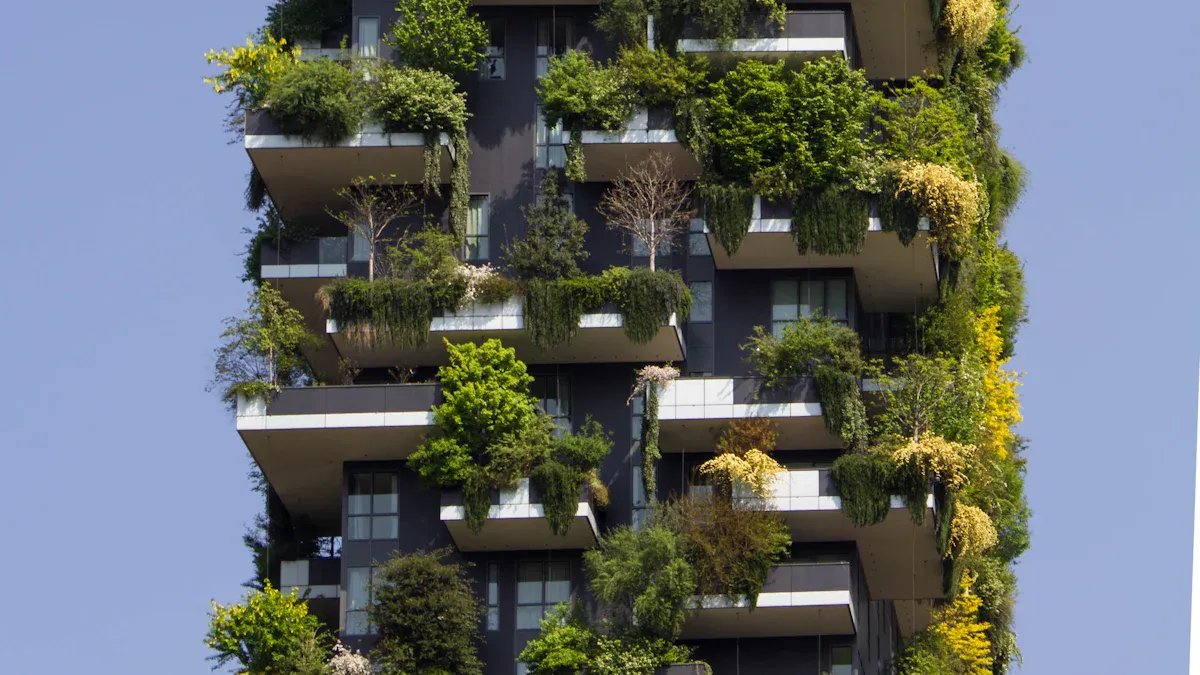
Architects are increasingly merging the built environment with the natural world. They create "living walls" that wrap buildings in lush vegetation. Aluminum provides the perfect structural backbone for these vertical gardens. Its high strength-to-weight ratio allows for the design of extensive planter systems without adding excessive load to the building. This innovation transforms cold, industrial facades into vibrant, breathing ecosystems, blending nature and metal in a stunning display of sustainable design.
Project Spotlight: One Central Park, Sydney
One Central Park in Sydney, Australia, stands as a monumental achievement in green architecture. The building features the world's tallest vertical gardens, with over 35,000 plants covering its exterior. This breathtaking green tapestry was made possible by a sophisticated system of aluminum planters and support structures. The lightweight Aluminum Sheet Product enabled the creation of thousands of individual containers for the plants. This design choice was critical for integrating such a massive green installation onto a high-rise structure. The building beautifully demonstrates how industrial materials can support and enhance natural life on a grand scale.
Design Innovation: Blending Industrial and Natural
Integrating greenery into a facade is a complex engineering challenge. It requires a system that supports plant life while protecting the building's structure. Aluminum is the ideal material for this task.
Modern vertical gardens rely on advanced hydroponic systems housed within lightweight, durable frameworks. Aluminum's corrosion resistance makes it perfect for these moist environments, ensuring the system's longevity.
This blend of industrial and natural elements offers significant benefits:
- Improved Air Quality: The plants naturally filter pollutants from the air.
- Natural Insulation: The green layer helps regulate the building's temperature, reducing energy consumption.
- Enhanced Well-being: Green spaces are proven to have a positive psychological effect on urban dwellers.
Furthermore, aluminum is 100% recyclable, aligning perfectly with the sustainable ethos of green building design. This makes it a responsible choice for creating architecture that gives back to the environment.
These ten projects reveal aluminum's power to redefine architectural aesthetics and function. The material masterfully combines design freedom with practical benefits like durability and weather resistance. As technology advances, the future of building design promises even more creative applications.
Future innovations include:
- Robotics and automation in fabrication for unique designs.
- Precision manufacturing like CNC machining for complex components.
This progress will enable more iconic structures like the Burj Khalifa, pushing the boundaries of what is possible with materials like the Aluminum Composite Panel.
FAQ
How long does the color on an aluminum facade last?
Advanced PVDF coatings ensure exceptional color stability. They protect against UV radiation and prevent fading for up to 25 years. This technology preserves a building's aesthetic integrity and brand identity with remarkable longevity.
Is an Aluminum Sheet Product difficult to maintain?
The non-adhesive nature of PVDF paint films simplifies maintenance. These surfaces naturally repel pollutants and grime. This feature reduces the need for frequent cleaning, ensuring the building maintains its clean appearance with minimal effort.
Is aluminum an environmentally friendly choice?
Yes, aluminum is a highly sustainable building material. It is 100% recyclable with a high recovery value. This distinguishes it from materials like glass or stone. Choosing aluminum supports environmentally conscious design and contributes to a circular economy.
What makes aluminum so versatile for design?
Aluminum offers excellent processing properties for architects. Its malleability allows for a wide range of design possibilities, including:
- Curving into fluid forms
- Multi-folding for geometric patterns
- Creating large, seamless panels
This freedom enables unique decorative effects without compromising structural strength.
See Also
25 Top Construction Website Designs: Inspiration for Your Next Project
Innovative Materials Are Revolutionizing the Heat Exchanger Supply Chain
Achieving Peak Performance: Steel Processing in Heat Exchange Applications
New Heat Exchanger Production Methods Boost Industrial Efficiency Significantly
Unlocking Efficiency: The Key Benefits of Commercial Heat Exchangers in 2025