What's New in Water Treatment 5 Key Innovations to Watch
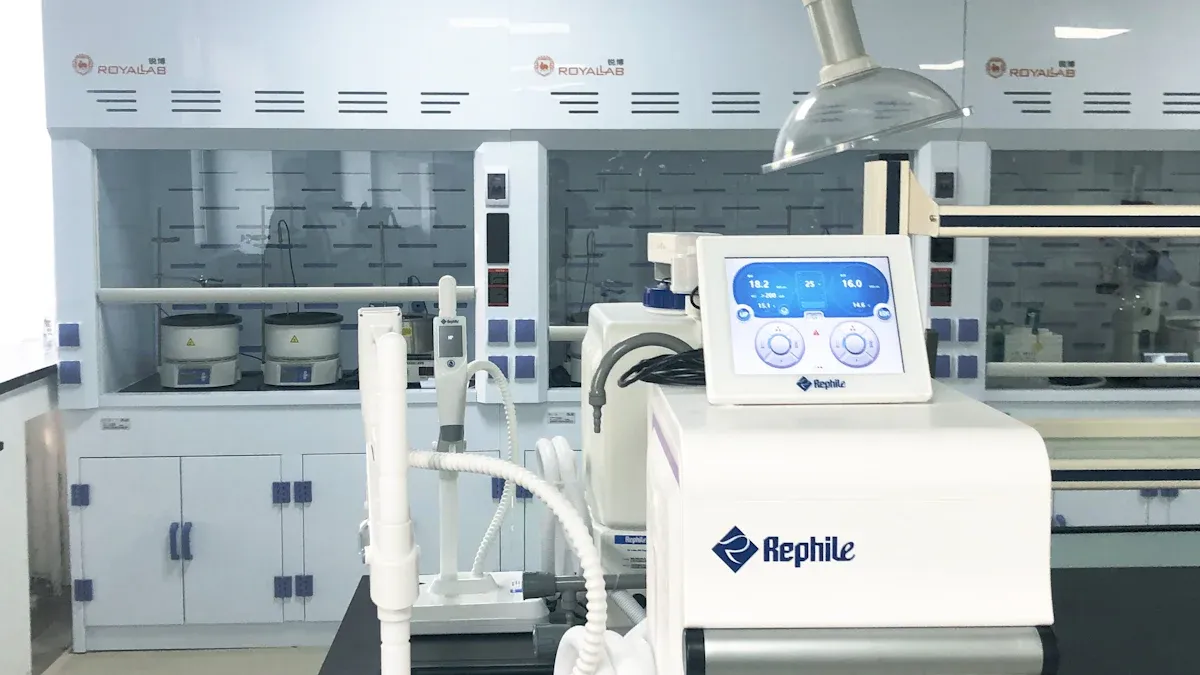
New technologies are changing how water treatment plants operate. Five key innovations lead this change. These include AI-driven process optimization and advanced membrane filtration. Other important developments are microbial fuel cells, nanobubble technology, and modular decentralized systems. These advancements promise a better future for water management.
Key Takeaways
- New technologies make water treatment smarter and cleaner. These include AI, special filters, and systems that make electricity from wastewater.
- These innovations help save money and energy. They also remove harmful chemicals and provide clean water to more people.
- These advancements mean a better future for water management. They help communities get safe water and protect the environment.
1. AI-Driven Process Optimization
What is AI-Driven Optimization?
AI-driven optimization uses artificial intelligence to make water treatment smarter and more efficient. Think of it as a digital brain for the entire system. It collects data from sensors on equipment like pumps and filters. Then, it analyzes this information to make the best decisions automatically.
This technology helps operators move from reacting to problems to predicting them before they happen. It constantly learns from new data to improve operations over time.
How It's Innovating Water Treatment
AI is changing how facilities manage their daily tasks. It analyzes real-time data to spot patterns that signal a future equipment failure. This process, known as anomaly detection, allows for predictive maintenance. Instead of waiting for a pump to break, the system alerts staff to fix it ahead of time. AI also optimizes core processes by automatically adjusting chemical dosing and filtration rates based on the quality of incoming water. This makes water treatment plants more responsive and agile.
Key Benefits
Integrating AI leads to significant improvements in efficiency and cost savings. The main advantages include:
- Reduced Operational Costs: AI optimizes the use of treatment chemicals. For example, some facilities have cut chemical costs by 20-30% by using intelligent dosing systems that prevent waste.
- Lower Energy Consumption: AI finds the most energy-efficient ways to run equipment. A plant in Germany used AI to control its aeration system. It successfully reduced its energy use by 30%, saving 1.1 million kilowatt-hours per year. ⚡
- Enhanced Reliability: By predicting equipment failures, AI helps prevent unexpected shutdowns. This proactive approach keeps the plant running smoothly and extends the life of expensive machinery.
2. Advanced Membrane Filtration
What is Advanced Membrane Filtration?
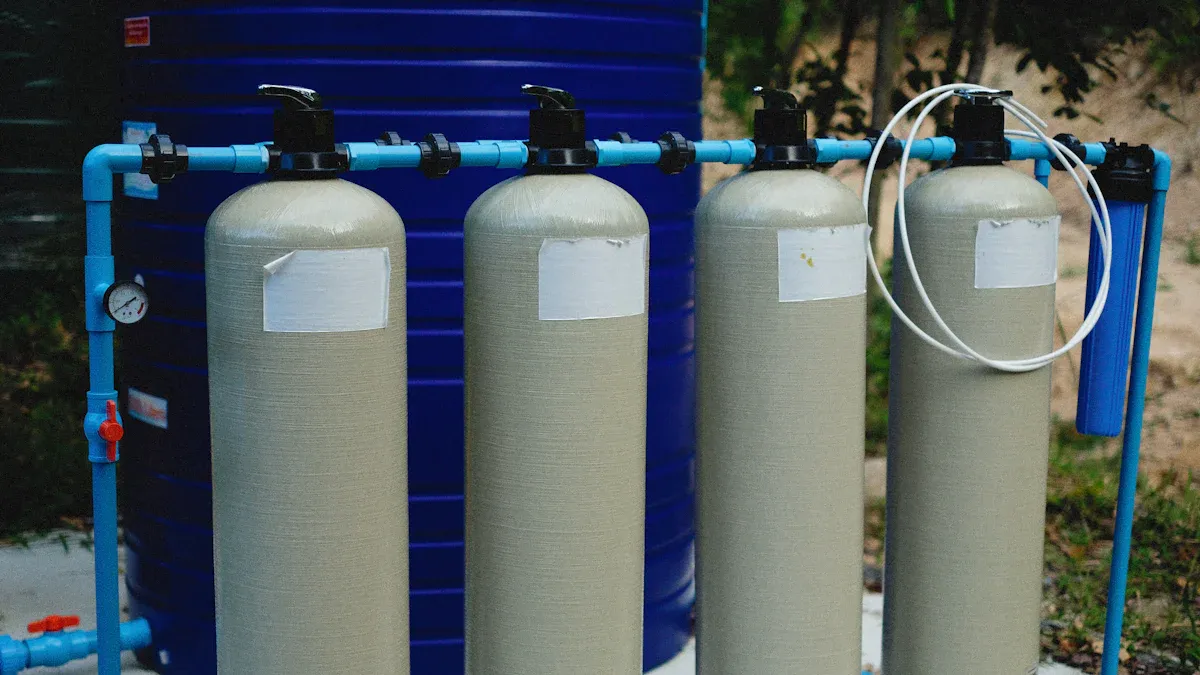
Think of a membrane as a very fine screen that separates pure water from contaminants. Advanced membrane filtration takes this idea to the next level. It uses new, high-tech materials to create membranes that are more effective and efficient. Scientists are developing these filters with innovative components.
These next-generation materials include:
- Aquaporins (AQPs) and Artificial Water Channels (AWCs)
- Carbon Nanotubes (CNTs)
- Nanoporous Graphene
- Stacked Two-Dimensional (2D) Materials
These materials allow water to pass through quickly while blocking even the smallest pollutants.
How It's Innovating Water Treatment
This technology is a game-changer for removing tough new contaminants. A major challenge for water treatment plants is removing "forever chemicals" like PFAS. Advanced membranes, especially Reverse Osmosis (RO) and nanofiltration, are excellent at this job. They use extremely fine pores and high pressure to filter out PFAS compounds. The process works through a combination of size exclusion (blocking large molecules), electrostatic repulsion (pushing away charged particles), and other molecular interactions. This ensures that even the most persistent chemicals are removed from the water supply.
Key Benefits
Advanced membranes offer powerful advantages for producing high-quality water. They improve safety and efficiency in one package. 💧
| Benefit | Description |
|---|---|
| Higher Purity | Removes microscopic particles, viruses, and dissolved salts more effectively than traditional methods. |
| Contaminant Removal | Targets and eliminates emerging threats like PFAS, pharmaceuticals, and microplastics. |
| Increased Efficiency | New materials reduce the energy needed to push water through the membrane, lowering operational costs. |
3. Microbial Fuel Cells (MFCs)
What are Microbial Fuel Cells?
Microbial fuel cells (MFCs) are bio-electrochemical devices that use bacteria to create electricity. Special bacteria, known as electrogenic bacteria, consume organic compounds in wastewater as a food source. During this process, they release electrons. The MFC captures these electrons at an electrode called an anode. The electrons then flow to another electrode, the cathode, generating a direct electrical current. This technology essentially turns pollutants into power.
How It's Innovating Water Treatment
MFCs offer a revolutionary approach to wastewater management by combining two processes into one. They treat wastewater while also generating renewable energy. This transforms how we view waste.
Microbial fuel cells (MFCs) are noticeable devices that convert various wastes directly into electricity using electrogenic microorganisms. Actually, MFCs are capable of producing renewable energy and performing wastewater treatment simultaneously.
This dual-function capability can help make water treatment plants more self-sufficient. Instead of only consuming energy to clean water, facilities can produce some of their own power.
Key Benefits
The advantages of MFCs point toward a more sustainable future for water treatment. Key benefits include:
- Energy Production: MFCs generate usable electricity directly from the organic matter present in wastewater.
- Reduced Sludge: The process can decrease the amount of excess sludge produced, lowering disposal costs.
- Lower Operating Costs: By generating power on-site, MFCs can offset the high energy demands of treatment operations.
Pilot projects are already testing MFC performance at various scales. The chart below shows data from several studies, highlighting their power generation capabilities in real-world conditions. 📊
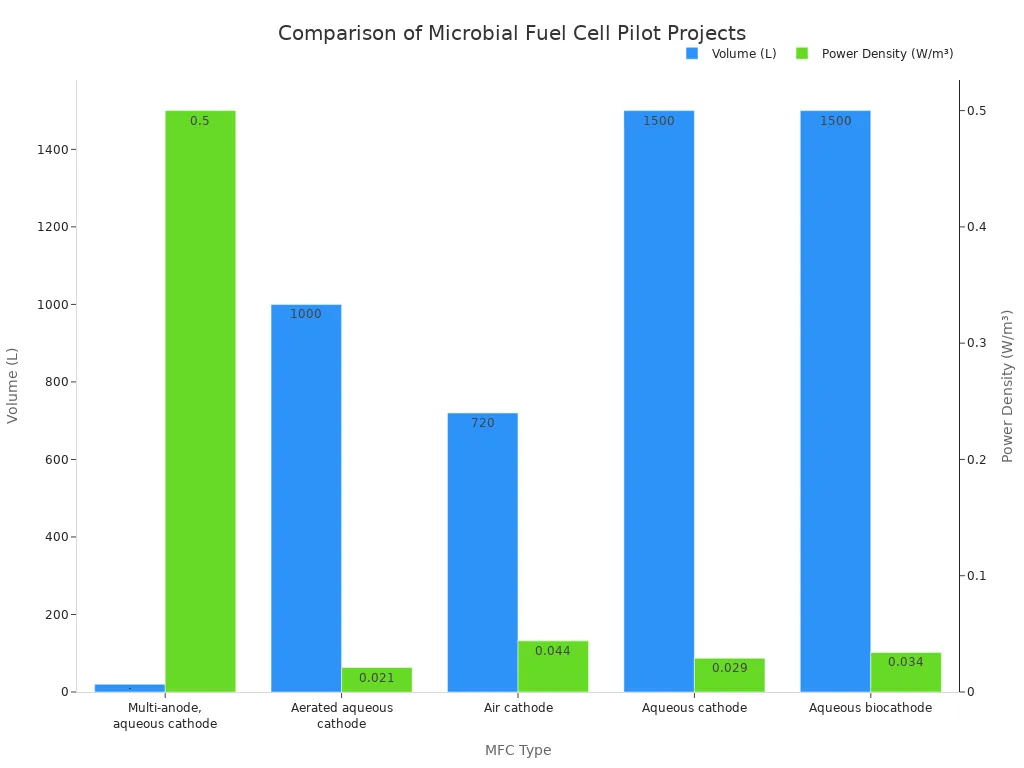
While current technology recovers about 3-4% of the total available energy in wastewater, ongoing research aims to improve this efficiency significantly.
4. Nanobubble Technology
What is Nanobubble Technology?
Nanobubble technology creates incredibly small gas bubbles in water. These bubbles are less than 200 nanometers in diameter, making them invisible to the naked eye. Unlike regular bubbles that rise and pop, nanobubbles have special properties. They have a negative surface charge that keeps them from clumping together. This allows them to stay suspended in water for weeks or even months.
Their tiny size and stable nature mean they can deliver gases like oxygen or ozone much more effectively throughout a body of water.
How It's Innovating Water Treatment
This technology is revolutionizing standard treatment processes like aeration and ozonation. Nanobubbles achieve almost 100% gas transfer efficiency. Because they remain in the water for so long, they maximize the contact time between the gas and contaminants. When nanobubbles eventually collapse, they release a burst of energy, creating powerful hydroxyl radicals. These radicals are excellent at oxidizing and breaking down a wide range of pollutants, from organic waste to complex chemicals. This makes treatment faster and more thorough.
Key Benefits
Nanobubble technology offers significant advantages for modern water treatment plants and industrial applications. The main benefits are:
- Superior Oxidation: The generation of hydroxyl radicals provides a powerful cleaning effect that destroys stubborn contaminants.
- Increased Efficiency: Less gas is needed to achieve treatment goals, which reduces energy consumption and lowers operational costs. 💸
- Versatile Applications: This technology is already being used in many sectors, including:
- Municipal water supplies to remove pesticides.
- Wastewater treatment to reduce sludge and odors.
- Food processing and mining to improve water quality.
5. Modular Systems for Decentralized Water Treatment Plants
What are Modular Decentralized Systems?
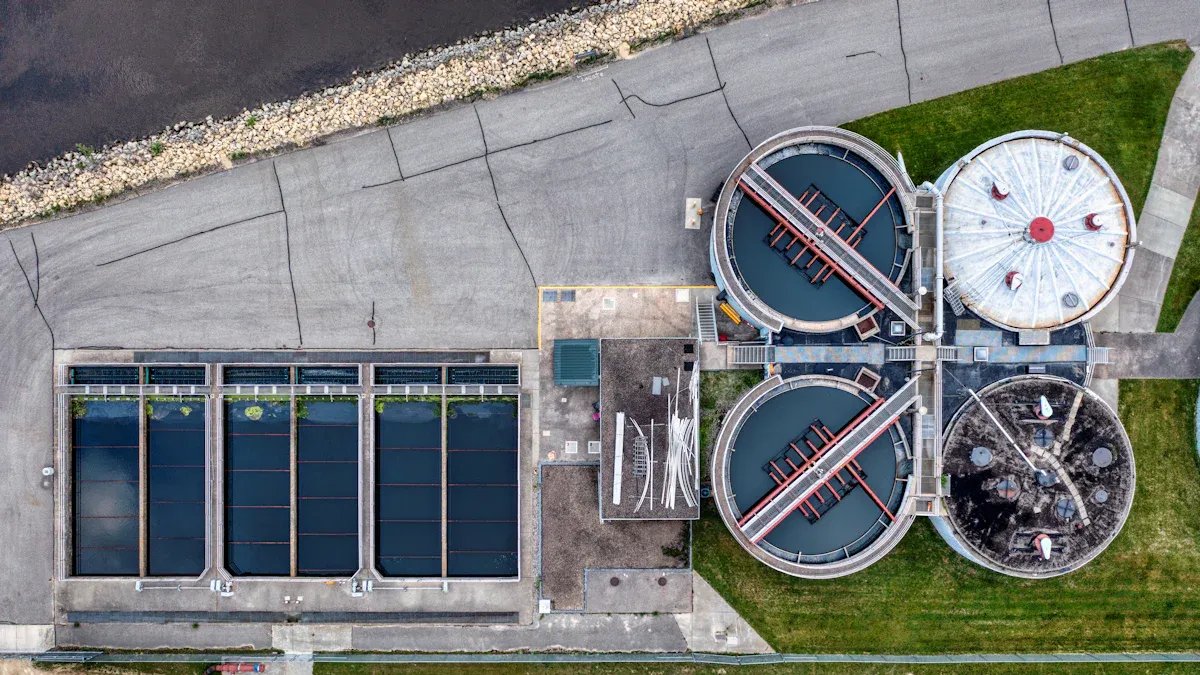
Modular decentralized systems are small, self-contained water treatment units. Think of them as "plug-and-play" solutions. They are built inside standard shipping containers or as pre-assembled packages. This design allows them to be easily transported and set up almost anywhere. Unlike large, central water treatment plants that serve an entire city, these systems provide clean water for a specific community, building, or remote site.
How It's Innovating Water Treatment
These systems are changing how we provide clean water in hard-to-reach areas and during emergencies. They can be deployed to remote villages, like the solar-powered units in India, or to mining camps in Australia. Their rapid deployment is crucial for disaster relief.
After a natural disaster, modular units can be operational within hours. This provides safe drinking water immediately and reduces the risk of waterborne diseases.
For example, these systems helped provide clean water to people in the Philippines after Typhoon Haiyan. They eliminate the logistical challenge of transporting massive amounts of bottled water to affected zones.
Key Benefits
Modular systems offer significant advantages in flexibility, speed, and cost. They can be scaled up by adding more units as a community grows. 📈 While the initial hardware cost can be higher, they often result in lower overall costs.
| Feature | Centralized System | Decentralized System |
|---|---|---|
| Sewer Capital Cost | Higher | Lower |
| Operation & Maint. (O&M) | Higher | Lower |
| Overall Cost | Can be higher | Often lower |
This cost-effectiveness, combined with their ability to be deployed quickly, makes them a powerful tool for building resilient water infrastructure around the world.
These five innovations are making water management smarter, safer, and more sustainable. Adopting technologies like AI and advanced membranes is key to fighting water scarcity and improving water quality. They help reduce the environmental footprint of treatment plants.
Consider how these new tools can help your community's water strategy. 💧
FAQ
Which innovation is the most important?
Each innovation solves different problems. Advanced membranes remove specific chemicals. AI saves energy. The best choice depends on a water treatment plant's unique needs.
Are these technologies affordable for small towns?
Yes, some are very suitable. Modular systems especially offer affordable solutions. They avoid the high cost of building large plants and have lower maintenance expenses.
How soon will we see these technologies everywhere?
Some technologies are already here. AI and nanobubbles are used today. Others, like microbial fuel cells, are in testing stages and will become more common soon. 🧪