Industrial Sewage Treatment Made Easy with JM-IWTP
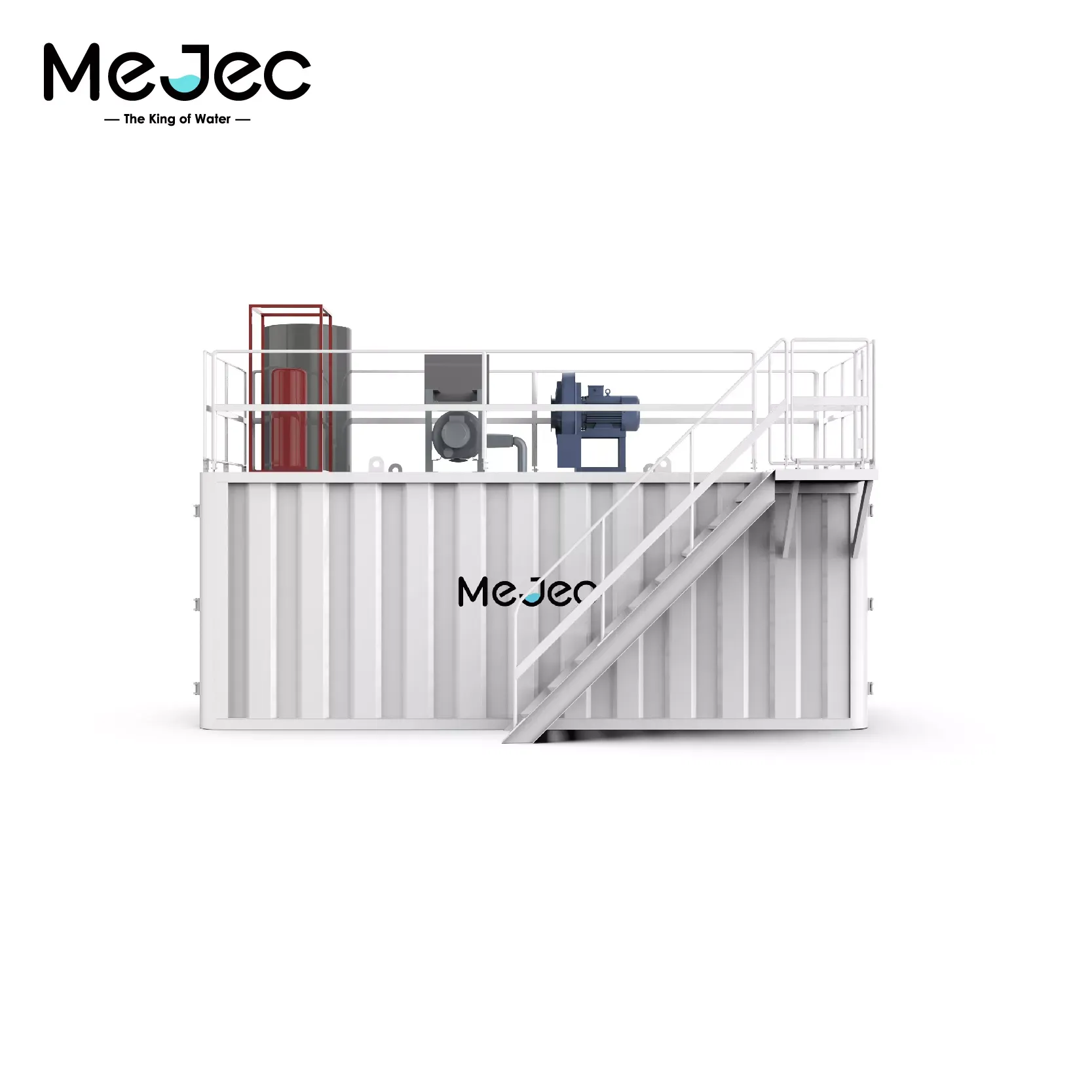
JM-IWTP redefines industrial sewage treatment for electroplating, mining, and metal processing sectors. These industries often face strict regulations due to the presence of hazardous elements in effluent streams:
Heavy metals such as lead, mercury, cadmium, and chromium frequently contaminate wastewater.
Effluents regularly discharge significant levels of lead, cadmium, copper, zinc, and mercury.
Prolonged exposure to these contaminants can result in severe health complications.
JM-IWTP delivers a reliable, cost-efficient solution that ensures compliance and operational excellence.
Key Takeaways
JM-IWTP offers a reliable solution for industrial sewage treatment, ensuring compliance with strict environmental regulations.
The system's modular design allows for quick installation and easy relocation, making it adaptable to various industrial settings.
Advanced treatment processes effectively remove heavy metals and organic matter, improving wastewater quality and reducing health risks.
Intelligent automation features streamline operations, reduce manual intervention, and enhance overall system efficiency.
JM-IWTP provides long-term value through durable construction, lower operational costs, and ongoing customer support.
Industrial Sewage Treatment Challenges
Electroplating Industry Issues
Electroplating facilities generate wastewater that contains a complex mix of hazardous substances. The most problematic contaminants include cyanide, chromium, nickel, copper, and zinc. These heavy metals can cause severe health effects such as necrosis, nephritis, lung cancer, and anemia. Wastewater from electroplating also presents risks of mutagenesis, carcinogenesis, and teratogenesis.
A major operational challenge is pH imbalance. Instrumentation drift or sensor fouling can lead to incorrect dosing of chemicals, resulting in incomplete removal of metals and potential permit violations. Variability in waste streams further complicates compliance, as sudden surges in contaminant loads can overwhelm treatment systems. Without proper industrial sewage treatment, these pollutants can contaminate groundwater, harm aquatic life, and enter the food chain.
Traditional treatment methods often struggle with these issues. They require frequent manual intervention, complex maintenance, and may not adapt well to fluctuating influent quality.
Mining Wastewater Problems
Mining operations produce wastewater with high concentrations of heavy metals, acid mine drainage, and suspended solids. These pollutants threaten aquatic ecosystems and human health. Acid mine drainage lowers water pH, impacting rivers and lakes. Erosion and sedimentation degrade water quality and disrupt habitats.
Mining companies face strict regulatory standards for water discharge. International frameworks, such as those from the United Nations Resource Management System, require measurable and verifiable water management practices. Obtaining discharge licenses can be difficult due to competing water uses and legacy pollution.
Conventional industrial sewage treatment systems in mining often lack the flexibility to handle variable flows and complex pollutant loads. This leads to operational inefficiencies and increased costs, as shown in studies analyzing construction and life cycle expenses.
Metal Processing Concerns
The metal processing industry deals with highly complex effluents. Wastewater contains elevated levels of heavy metals that demand specialized treatment. Companies must adapt to evolving regulations and maintain compliance with strict discharge standards.
Traditional solutions, such as ion exchange and chemical coagulation, present several limitations:
Limitation | Description |
|---|---|
High Operational Costs | Expensive chemicals and energy use increase treatment expenses. |
Limited Selectivity | Incomplete removal of specific dissolved metals and ions. |
Waste Generation | Additional waste streams require careful management and disposal. |
Complex Maintenance | Labor-intensive upkeep leads to longer downtimes and inefficiencies. |
Sludge Disposal | Handling sludge from floc formation is environmentally challenging. |
These challenges highlight the need for advanced, adaptable industrial sewage treatment solutions that ensure compliance and operational efficiency.
JM-IWTP Solutions
Advanced Treatment Processes
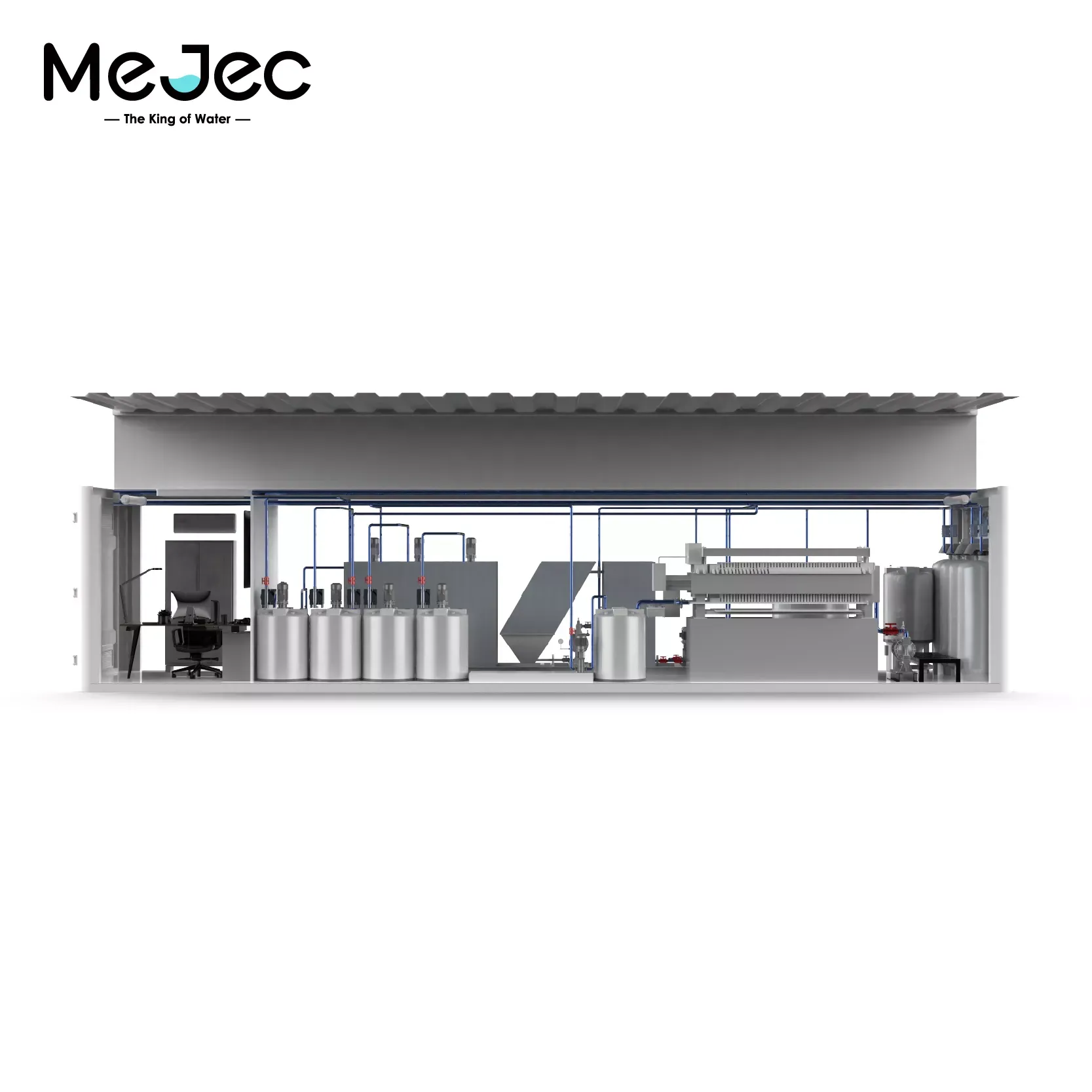
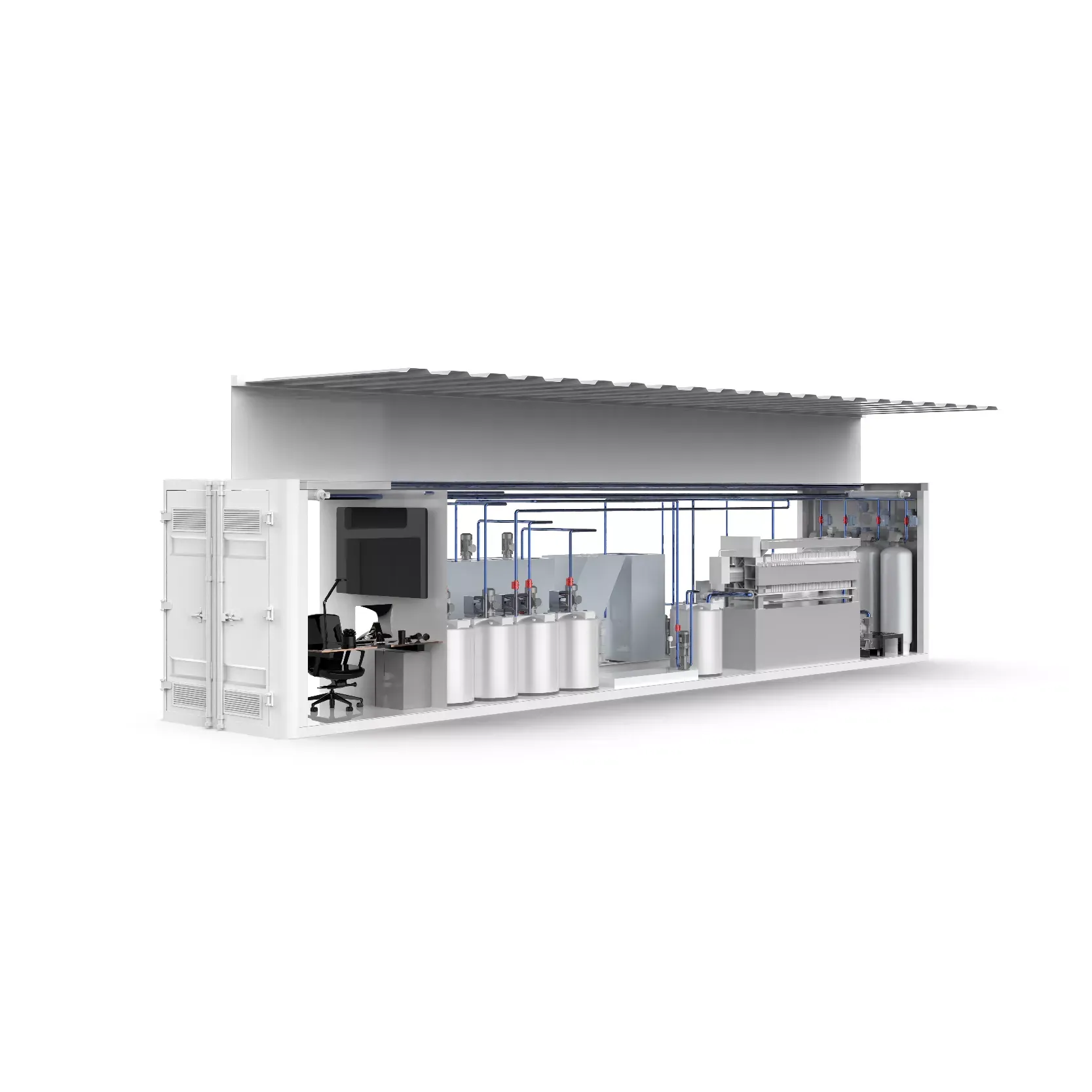
JM-IWTP uses a combination of physicochemical and biological methods to address the toughest challenges in industrial sewage treatment. The system starts with chemical-physical pretreatment, which targets specific pollutants for removal. Heavy metals such as chromium, nickel, and copper are precipitated out of solution. Solid-liquid separation follows, filtering out insoluble particles and ensuring clear effluent.
The advanced biological treatment stage uses technologies like Moving Bed Biofilm Reactor (MBBR) and Membrane Aerated Biofilm Reactor (MABR). These processes break down high loads of organic matter and nutrients. This multi-stage approach ensures that wastewater from electroplating, mining, and metal processing meets strict environmental discharge standards.
Key features include:
Efficient precipitation for heavy metal removal
Precise solid-liquid separation for clean effluent
Advanced biological reactors for organic and nutrient degradation
Modular and Mobile Design
JM-IWTP stands out with its modular, containerized construction. Each unit is built within a standardized container, making transport and installation simple. The plug-and-play design allows for rapid deployment in a wide range of industrial settings. Facilities can set up the system quickly, even in remote or decentralized locations.
This approach offers several advantages:
Easy mobility for relocation or expansion
Minimal on-site construction required
Adaptable to both temporary and permanent installations
Real-world examples show the benefits of containerized systems. For instance, a bioprocessing facility used a modular pH adjustment system to scale operations efficiently. In another case, a community installed a containerized treatment plant in one-third the usual time, saving costs and reducing downtime. These examples highlight the operational flexibility and efficiency that JM-IWTP brings to industrial sewage treatment.
Intelligent Control and Automation
JM-IWTP integrates intelligent control features to streamline operations. The system includes automatic pH neutralization, which continuously monitors and adjusts the acidity or alkalinity of incoming wastewater. This ensures consistent treatment performance and reduces the need for manual intervention.
Remote monitoring capabilities allow operators to track system performance in real time. Proactive maintenance becomes possible, as alerts notify staff of any irregularities. The automation reduces labor requirements and helps maintain compliance with environmental regulations.
A summary of intelligent features:
Feature | Benefit |
|---|---|
Automatic pH Control | Maintains optimal treatment conditions |
Remote Monitoring | Enables real-time performance tracking |
Proactive Maintenance Alerts | Reduces downtime and service costs |
Adaptability and Compliance
JM-IWTP adapts to varying wastewater volumes and changing industrial needs. The modular design allows for easy scaling, whether for a small pilot project or a large facility. Durable materials resist corrosion and chemical attack, ensuring long-term reliability. The system’s design lifespan reaches up to 50 years, providing lasting value.
JM-IWTP meets the strictest environmental discharge standards. The combination of advanced treatment processes and intelligent automation ensures consistent compliance. Maintenance is straightforward, with easy access to all components. This reduces operational costs and simplifies routine service.
Key adaptability and compliance benefits:
Flexible specifications for different industries
Long service life and robust construction
Reliable performance for regulatory compliance
JM-IWTP delivers a comprehensive solution for industrial sewage treatment, combining advanced technology, operational flexibility, and long-term reliability.
Proven Results
Electroplating Case Study
A leading electroplating facility in Southeast Asia faced strict discharge regulations and unpredictable influent quality. The company installed JM-IWTP to address these challenges. The system’s advanced precipitation and solid-liquid separation processes removed over 98% of heavy metals, including chromium and nickel. Automatic pH control stabilized the treatment process, reducing the risk of permit violations. The facility reported a 30% reduction in chemical consumption and a 25% decrease in maintenance hours. Operators noted improved compliance and fewer production interruptions.
Note: The modular design allowed the plant to expand capacity quickly during peak production periods.
Mining Application
A mining operation in South America struggled with acid mine drainage and fluctuating wastewater volumes. JM-IWTP provided a containerized solution that adapted to the site’s remote location. The system’s robust construction resisted corrosion from acidic effluent. MBBR and MABR technologies ensured consistent removal of suspended solids and dissolved metals. The mine achieved compliance with local and international water standards. The plug-and-play setup minimized installation time, allowing the operation to resume quickly after system deployment.
Key outcomes:
99% reduction in lead and cadmium levels
40% faster installation compared to traditional systems
Reliable performance in harsh environments
Metal Processing Example
A metal processing plant in Eastern Europe required a flexible approach to handle variable wastewater loads. JM-IWTP’s intelligent automation and modular design provided the needed adaptability. The system maintained stable operation during shifts in influent quality. Effluent consistently met regulatory limits for copper, zinc, and other metals. The plant reduced sludge generation by 20%, lowering disposal costs. Staff found routine maintenance straightforward due to easy access to all components.
JM-IWTP demonstrates measurable benefits across diverse industries. These real-world examples show how industrial sewage treatment can become efficient, reliable, and compliant with environmental standards.
Why Choose JM-IWTP
Unique Features
JM-IWTP stands out in the field of industrial sewage treatment due to its advanced engineering and thoughtful design. The system combines several unique features that deliver reliable performance and operational efficiency. The table below highlights what sets JM-IWTP apart from other solutions:
Feature | Description |
|---|---|
Advanced MABR Technology | Utilizes oxygen-permeable membranes for efficient nitrification and denitrification. |
Compact Design | Containerized system allows for easy transport and rapid deployment. |
High Nutrient Removal | Achieves exceptional nutrient removal with minimal energy consumption. |
Self-Contained Unit | Delivers consistent, high-quality effluent suitable for discharge or reuse. |
Sustainable Solution | Offers energy-saving benefits for decentralized applications. |
These features ensure that JM-IWTP can handle complex wastewater streams while maintaining a small footprint and low energy use.
Customer Support
JM-IWTP provides comprehensive customer support throughout the system’s lifecycle. The support team assists with installation, commissioning, and operator training. Clients receive ongoing technical guidance and troubleshooting. This approach helps facilities maintain compliance and optimize system performance. The team responds quickly to service requests, minimizing downtime and ensuring smooth operation.
Long-Term Value
JM-IWTP offers long-term value for industrial clients. The modular design allows for easy expansion as facility needs change. Durable materials and robust construction extend the system’s service life. Facilities benefit from reduced operational costs due to energy-efficient processes and lower chemical consumption. Comparative studies show that integrated models, like JM-IWTP, improve performance and reduce illegal discharge risks, even when operational costs are higher. This makes JM-IWTP a smart investment for companies seeking reliable, sustainable industrial sewage treatment.
Tip: Choosing JM-IWTP means investing in a solution that adapts to your needs and supports your business for years to come.
JM-IWTP transforms industrial sewage treatment for electroplating, mining, and metal processing. The system delivers measurable results, such as reduced heavy metals, lower operational costs, and reliable compliance. Its modular design, advanced automation, and robust support set it apart from traditional solutions.
Ready to simplify your wastewater management? Contact our team today to discover how JM-IWTP can help your facility achieve safe, efficient, and compliant operations.
FAQ
What types of industries can use JM-IWTP?
JM-IWTP serves electroplating, mining, and metal processing industries. The system adapts to different wastewater profiles and site requirements. It provides reliable performance for both temporary and permanent installations.
How fast can JM-IWTP be deployed?
The containerized, plug-and-play design allows for rapid deployment. Most facilities can install and start the system within days. Minimal on-site construction is required.
Does JM-IWTP help with regulatory compliance?
Yes. JM-IWTP uses advanced processes to meet strict discharge standards. Automatic controls and real-time monitoring support consistent compliance with environmental regulations for industrial sewage treatment.
Is maintenance complicated?
Routine maintenance is straightforward. The modular design gives easy access to all components. Operators receive training and ongoing support from the JM-IWTP team.
Can JM-IWTP handle changes in wastewater volume?
JM-IWTP adapts to fluctuating flows. Facilities can scale the system up or down by adding or removing modules. This flexibility supports changing production needs.