Exploring the Main Uses of Single Hydroxyl Group HTPB Across Industries
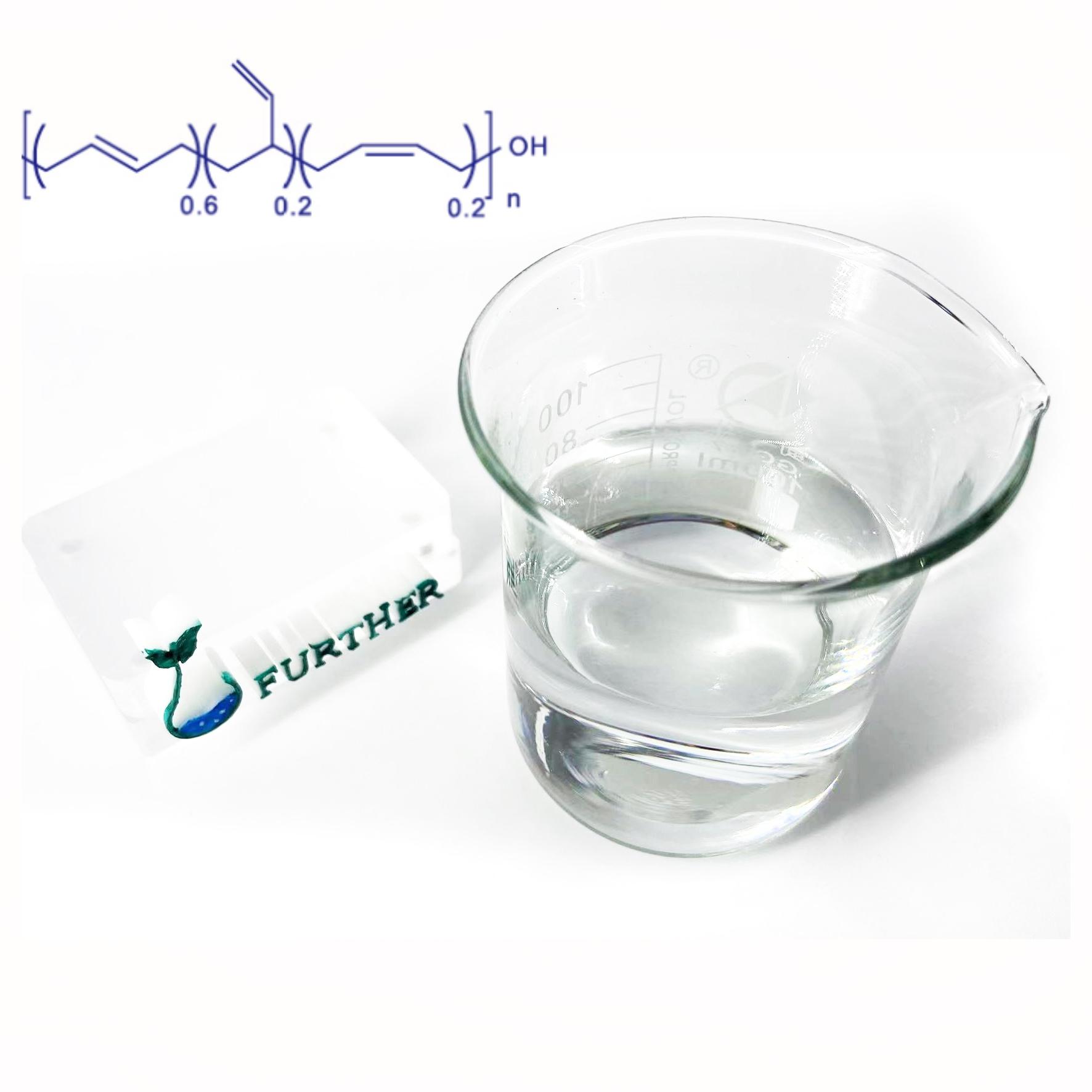
Industrial Applications S-HTPB (Single Hydroxyl group HTPB/ Mono-OH HTPB) are gaining significant attention due to their exceptional reactivity and hydrophobic properties. The global market for Industrial Applications S-HTPB (Single Hydroxyl group HTPB/ Mono-OH HTPB) is projected to reach up to 160 million USD by 2026, reflecting robust demand across various sectors. Manufacturers are increasingly adopting greener synthesis methods to minimize environmental impact. Leading companies in the supply chain include Shanghai Theorem Chemical Technology Co., Ltd., Evonik Industries, and TOTAL Cray Valley.
| Manufacturer | Country |
|---|---|
| Shanghai Theorem Chemical Technology Co., Ltd. | China |
| Evonik Industries | Germany |
| TOTAL Cray Valley | France |
Key Takeaways
- Single Hydroxyl group HTPB is crucial in aerospace for rocket propellant binders, enhancing safety and performance.
- HTPB's excellent electrical insulation properties make it ideal for protecting sensitive electronic components in harsh environments.
- In automotive and electronics, HTPB-based sealants and adhesives provide durability, flexibility, and resistance to extreme conditions.
Industrial Applications S-HTPB in Aerospace and Defense
Rocket Propellant Binders
Single Hydroxyl group HTPB plays a vital role in modern rocket propellant systems. Engineers select this polymer for its high reactivity and ability to form strong bonds with energetic materials. The result is a stable and homogeneous propellant mixture. Safety and reliability improve when manufacturers use Industrial Applications S-HTPB(Single Hydroxyl group HTPB/ Mono-OH HTPB) in solid rocket motors. The flexible nature of HTPB reduces vulnerability in propellant systems, which helps protect equipment and personnel.
Note: HTPB-based composite propellants align with environmental standards in aerospace and defense. This supports cleaner production and safer handling.
Rocket propellant binders made with Single Hydroxyl group HTPB deliver performance improvements over traditional binders. The following table shows documented advancements in rocket propellants using this material:
| Objective | Description |
|---|---|
| Commonality | Address the need for common solutions in propulsion systems. |
| Performance Increase | Deliver an upgraded propellant binder that enhances rocket motor performance. |
| Enhanced Performance | Develop a metallized HTPB binder for Navy missile systems. |
| Technical Assistance | Support production and testing of a full-scale solid rocket motor. |
| Scale Up Production | Increase production of metallized HTPB propellant binder. |
| Enhanced Performance Testing | Test propellants containing metallized HTPB for improved specific impulse. |
| Delivery | Provide solid rocket motor cartridges to the Air Force. |
| Enhanced Performance | Demonstrated improved specific impulse through static firing of a 5-inch solid rocket motor. |
| Research Development | Further research on propulsive performance and mechanical properties enabled by metallized HTPB. |
Manufacturers must follow strict workplace and environmental safety regulations when using Single Hydroxyl group HTPB in aerospace and defense. These standards cover exposure levels, VOC emissions, and chemical waste disposal. Compliance ensures safety for workers and the environment.
Insulation Materials
Industrial Applications S-HTPB(Single Hydroxyl group HTPB/ Mono-OH HTPB) also serve as insulation materials in aerospace and defense. The polymer’s superior dielectric properties make it ideal for electrical insulation. Engineers use HTPB to protect sensitive electronic components in rockets and missiles. The material resists hydrolysis, acids, and alkalis, which helps maintain performance in harsh environments.
- HTPB insulation materials offer:
- Excellent electrical insulation
- Resistance to aging and wear
- Protection against moisture and corrosion
Aerospace manufacturers rely on Single Hydroxyl group HTPB to ensure reliable operation of electronic systems. The polymer’s adaptability allows for customization to meet specific insulation requirements. This versatility supports innovation in aerospace technology.
Industrial Applications S-HTPB in Automotive and Electronics

Elastomers and Sealants
Automotive and electronics manufacturers rely on elastomers and sealants for durability and flexibility. Industrial Applications S-HTPB(Single Hydroxyl group HTPB/ Mono-OH HTPB) provides a strong foundation for these materials. Engineers use this polymer to create sealants that resist air and water. These sealants perform well in extreme temperatures and harsh environments. The flexibility of HTPB-based elastomers helps prevent cracks and leaks in car parts and electronic devices. Many companies choose these materials because they last longer and require less maintenance.
Tip: HTPB-based sealants help protect sensitive components from moisture and dust, which extends the life of automotive and electronic products.
Adhesives
Adhesives play a key role in assembling vehicles and electronic devices. Industrial Applications S-HTPB(Single Hydroxyl group HTPB/ Mono-OH HTPB) enhances the performance of these adhesives. The polymer forms strong bonds with metals and plastics, which supports the structural integrity of cars and gadgets. HTPB-based adhesives work well in two-part systems that react with polyisocyanates to create durable polyurethane bonds. These adhesives are popular in automotive and construction industries.
The following table highlights the main benefits of using Single Hydroxyl Group HTPB in automotive and electronics adhesives:
| Benefit/Property | Description |
|---|---|
| Low Glass Transition Temperature (Tg) | Ensures flexibility at subzero temperatures without brittleness (-75°C). |
| Strong Adhesion | Achieves lap shear strengths exceeding 10 MPa, supporting structural integrity under stress. |
| Chemical Resistance | Contributes to longevity in harsh environments, making it ideal for automotive and electronics. |
| Flexibility | Maintains performance in varying temperature conditions, enhancing usability in diverse applications. |
HTPB-based adhesives provide reliable performance in both hot and cold climates. They also resist chemicals, which makes them suitable for use in engines and electronic circuits.
Encapsulation and Potting Compounds
Encapsulation and potting compounds protect electronic components from damage. Engineers use Industrial Applications S-HTPB(Single Hydroxyl group HTPB/ Mono-OH HTPB) to improve these protective materials. When modified through epoxidation, HTPB shows better adhesion, chemical resistance, and thermal stability. These improvements help shield sensitive parts from moisture, dust, and heat. As a result, electronic devices last longer and perform better.
Manufacturers value HTPB-based compounds because they offer strong protection without adding much weight. This makes them ideal for modern electronics, where space and efficiency matter.
Industrial Applications S-HTPB in Construction and Emerging Sectors
Protective Coatings
Protective coatings made with Industrial Applications S-HTPB(Single Hydroxyl group HTPB/ Mono-OH HTPB) help shield surfaces from damage. These coatings form tough layers that resist wear, chemicals, and harsh weather. Builders use them on bridges, floors, and metal structures. The coatings last a long time and keep surfaces looking new. Many companies choose these coatings because they are easy to apply and dry quickly. They also protect against rust and corrosion, which helps save money on repairs.
Waterproofing Agents
Waterproofing agents stop water from getting into buildings and other structures. Products made with single hydroxyl group HTPB create a strong barrier that blocks moisture. Workers use these agents on roofs, basements, and tunnels. The material stays flexible, even in cold weather. It does not crack or peel when temperatures change. This helps keep buildings dry and safe. Waterproofing agents also protect against mold and mildew, making them a smart choice for homes and offices.
Specialty Polymers and Research & Development
Specialty polymers using single hydroxyl group HTPB show many new uses in industry. Companies can change the hydroxyl value and viscosity to fit special needs. These polymers make products stronger and more flexible. They work well in sports surfaces and aerospace parts. The table below shows some benefits of these specialty polymers:
| Application Area | Benefits |
|---|---|
| Customization | Tailor HTPB's hydroxyl value and viscosity to meet specific needs. |
| Performance | Enhances product quality and speed, providing more value per batch. |
| Material Properties | Produces high-strength, flexible materials suitable for aerospace and sports surfaces. |
| Protective Coatings | Forms durable layers that resist wear, chemicals, and weather. |
| Adhesives and Sealants | Offers low viscosity for easy application and excellent age resistance. |
Research and development trends push these materials into new areas. Some trends include:
- Advancements in additive manufacturing
- Development of hybrid propellant systems
- Integration of nanotechnology
- Utilization of data analytics
- Focus on sustainable materials
These trends help companies create better products and find new ways to use Industrial Applications S-HTPB(Single Hydroxyl group HTPB/ Mono-OH HTPB).
Industrial Applications S-HTPB(Single Hydroxyl group HTPB/ Mono-OH HTPB) supports strong growth in aerospace, automotive, electronics, and construction. Over the past decade, demand has increased as industries seek durable and flexible materials.
- Projected growth rates reach 8.2% CAGR through 2031.
- New technology and sustainability practices will shape future uses.
FAQ
What makes single hydroxyl group HTPB different from other polymers?
Single hydroxyl group HTPB has one hydroxyl group at the end of its chain. This feature gives it high reactivity and allows for easy customization.
Can single hydroxyl group HTPB be used in cold environments?
Yes. HTPB remains flexible at low temperatures. It does not become brittle, which makes it suitable for use in cold climates.
Is single hydroxyl group HTPB safe for electronic applications?
HTPB offers excellent electrical insulation. Engineers use it to protect sensitive electronic parts from moisture, dust, and chemicals.