Hydrogenated HTPB CAS NO.68954-10-9 in Electrical and Chemical Industries
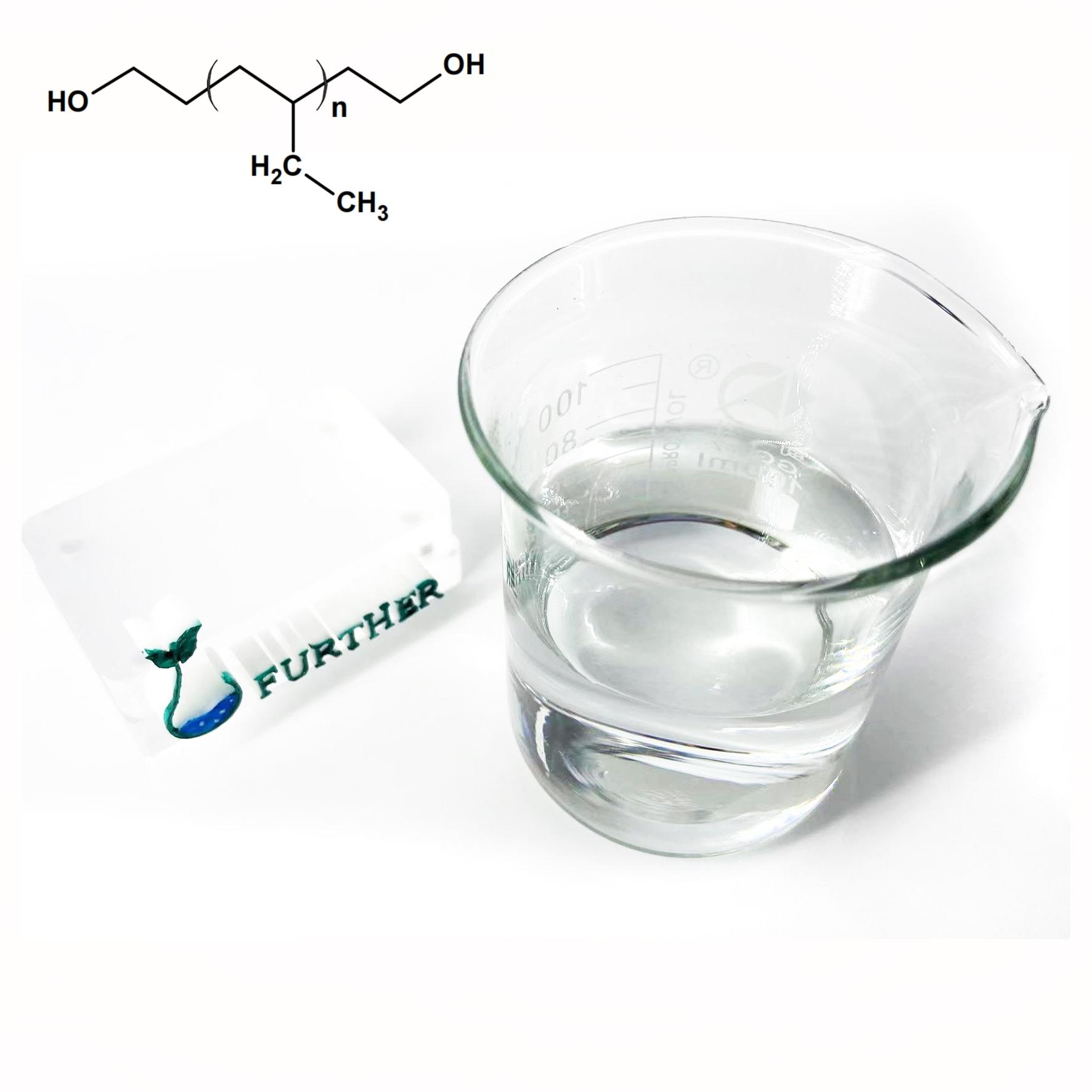
You find hydrogenated HTPB (CAS NO.68954-10-9) as a flexible, hydrogenated hydroxyl group-terminated polybutadiene. Its strong chemical resistance and low-temperature flexibility make it valuable in the electrical and chemical industries.
- Global production reaches about 10,000 metric tons per year.
- Over 40% of demand comes from defense and aerospace.
| Property | Description |
|---|---|
| Glass Transition Temperature | Around -75°C, providing flexibility in cold. |
| Hydrophobicity | Offers durability in harsh conditions. |
| Chemical Resistance | Maintains performance against chemicals. |
Industrial Applications of Hydrogenated HTPB CAS NO.68954-10-9 rely on these unique features for lasting reliability.
Key Takeaways
- Hydrogenated HTPB is essential for electrical insulation, providing flexibility and chemical resistance to protect devices from moisture and extreme temperatures.
- In the chemical industry, hydrogenated HTPB forms strong coatings and adhesives, enhancing durability and reducing maintenance costs for equipment.
- Expect ongoing innovations and custom solutions with hydrogenated HTPB, making it a versatile choice for various applications in both industries.
Industrial Applications of Hydrogenated HTPB CAS NO.68954-10-9 in the Electrical Industry

Insulation Materials and Dielectric Properties
You see hydrogenated HTPB as a top choice for insulation in electrical devices. The polymer offers a low dielectric constant, which helps prevent unwanted electrical currents. You can use it to protect wires and cables from electrical interference. The flexibility of hydrogenated HTPB allows you to create insulation that bends and stretches without breaking. This property is important when you need to install cables in tight spaces or harsh environments.
Hydrogenated HTPB also resists moisture. You do not have to worry about water damaging the insulation. The material keeps its shape and performance even when exposed to humidity. You find that the glass transition temperature is around -75°C. This means the insulation stays flexible in cold conditions. You can rely on hydrogenated HTPB to keep electrical systems safe and stable.
Encapsulation and Sealant Solutions
You use hydrogenated HTPB in encapsulation and sealant solutions for electrical devices. The polymer protects sensitive components from moisture, dust, and chemicals. You can apply it as a liquid, and it cures to form a strong barrier. The material does not crack or shrink over time. You get long-lasting protection for circuit boards, connectors, and sensors.
Here is a table that shows the typical properties of encapsulation and sealant solutions using hydrogenated HTPB:
| Property/Aspect | Description |
|---|---|
| Low Glass-Transition Temperature | -75°C, ensuring no internal stress in electronic components over a wide temperature range. |
| Hydrophobicity | Excellent resistance to moisture absorption, crucial for electrical applications. |
| Hydrolytic Stability | Series A resins exhibit superior hydrolytic stability, making them ideal for long-term use. |
| Moisture Vapor Transmission Rate | Competitive MVTR compared to other encapsulation materials, ensuring low moisture permeability. |
| Application | Used in adhesives, sealants, and electrical applications due to their unique properties. |
You notice that hydrogenated HTPB sealants offer better chemical resistance than other polymer sealants. The material stays flexible at low temperatures and does not absorb much water. You can see the comparison in the table below:
| Property | Hydrogenated HTPB Sealants | Other Polymer Sealants |
|---|---|---|
| Chemical Resistance | Superior | Varies |
| Flexibility at Low Temperatures | Excellent | Moderate to Low |
| UV Resistance | Improved | Limited |
| Water Absorption Rate | < 1% by weight | Higher |
| Dielectric Strength | > 20 kV/mm | Varies |
You can trust hydrogenated HTPB to protect electrical devices from harsh chemicals and UV light. The sealants keep moisture out and maintain high dielectric strength.
Real-World Examples and Performance Benefits
You find hydrogenated HTPB in many real-world electrical applications. Manufacturers use it in cable insulation for power grids. You see it in sealants for connectors in wind turbines and solar panels. The polymer helps protect sensors in automotive electronics. You benefit from its flexibility and chemical resistance in these demanding environments.
You notice that hydrogenated HTPB keeps electrical systems running smoothly. The material prevents short circuits and corrosion. You get reliable performance even in extreme temperatures. You can count on hydrogenated HTPB to deliver lasting protection and stability.
You see that the Industrial Applications of Hydrogenated HTPB CAS NO.68954-10-9 offer many advantages. You get better insulation, stronger sealants, and improved reliability. You can use hydrogenated HTPB in new designs and existing systems. The polymer adapts to your needs and helps you achieve better results.
You discover that the Industrial Applications of Hydrogenated HTPB CAS NO.68954-10-9 continue to grow. You find new ways to use the material in electrical devices. You benefit from its unique properties and performance.
You realize that the Industrial Applications of Hydrogenated HTPB CAS NO.68954-10-9 make your electrical systems safer and more efficient. You can rely on this advanced polymer for many years.
Industrial Applications of Hydrogenated HTPB CAS NO.68954-10-9 in the Chemical Industry

Coatings and Protective Barriers
You use hydrogenated HTPB to protect surfaces in the chemical industry. The polymer forms strong coatings that resist corrosion and chemical attack. You find these coatings on marine vessels and military vehicles. The material creates a durable film that blocks moisture and salt. You see how this helps prevent rust and damage. The flexibility of hydrogenated HTPB allows the coating to stretch and move with the surface. You do not see cracks or peeling, even when the equipment faces harsh conditions.
You also use hydrogenated HTPB as an encapsulant. The polymer works well in potting compounds for electronic sensors and cables. You get a robust barrier against moisture. The encapsulant stays flexible after curing. You can rely on it to protect sensitive electronics from water and chemicals.
Here is a table that shows how you use hydrogenated HTPB in coatings and encapsulants:
| Application Type | Description |
|---|---|
| Protective Coatings | Enhances corrosion resistance in marine vessels and military vehicles, forming durable elastomeric films that inhibit moisture and salt ingress. |
| Encapsulants | Serves as a key component in potting compounds for electronic sensors and cables, providing robust moisture barriers while maintaining flexibility post-cure. |
You see that the Industrial Applications of Hydrogenated HTPB CAS NO.68954-10-9 in coatings help extend the life of equipment. You protect valuable assets and reduce maintenance costs.
Adhesives and Bonding Agents
You use hydrogenated HTPB as a base for adhesives and bonding agents. The polymer contains reactive hydroxyl groups. You can create strong bonds between different materials. You find these adhesives in the assembly of chemical tanks, pipes, and structural components. The material sticks well to metals, plastics, and composites. You get a reliable bond that stands up to chemicals and temperature changes.
You notice that hydrogenated HTPB adhesives stay flexible. You do not see the bond breaking when the materials expand or contract. The adhesives resist water and chemicals. You use them in places where other adhesives fail. You trust hydrogenated HTPB to keep your equipment together.
You can mix hydrogenated HTPB with other resins. You create custom adhesives for special needs. You choose the right formula for each job. You see how this versatility makes hydrogenated HTPB popular in the chemical industry.
Practical Use Cases and Industry Impact
You see hydrogenated HTPB in many practical applications. Chemical plants use it to coat storage tanks. You find it in adhesives for pipe joints. You use it to encapsulate sensors that monitor chemical processes. The polymer protects equipment from leaks, corrosion, and electrical faults.
You notice that the Industrial Applications of Hydrogenated HTPB CAS NO.68954-10-9 improve safety and reliability. You reduce downtime and repair costs. You help companies meet strict environmental standards. You see how hydrogenated HTPB supports innovation in the chemical industry.
You benefit from the adaptability of hydrogenated HTPB. You use it in new designs and upgrade old systems. You rely on its performance in challenging environments. You see how the Industrial Applications of Hydrogenated HTPB CAS NO.68954-10-9 drive progress and efficiency.
Tip: You can ask suppliers like Theorem Chem for custom grades of hydrogenated HTPB. You get the right product for your specific needs.
You discover that hydrogenated HTPB is a key material in modern chemical industry solutions. You use it to protect, bond, and seal. You see its impact every day.
- You see hydrogenated HTPB as a key material in electrical and chemical industries.
- You benefit from its flexibility, chemical resistance, and stability.
- You can expect new innovations and custom solutions in the future.
Hydrogenated HTPB helps you build safer, stronger, and more reliable products.
FAQ
What is hydrogenated HTPB used for?
You use hydrogenated HTPB in electrical insulation, coatings, adhesives, and sealants.
It protects devices and surfaces from moisture, chemicals, and extreme temperatures.
How do you store hydrogenated HTPB safely?
You keep hydrogenated HTPB in a cool, dry, and well-ventilated area.
| Temperature Range | Storage Period |
|---|---|
| -20°C to 38°C | 12 months |
Can you customize hydrogenated HTPB for your application?
You request custom grades from suppliers like Theorem Chem.
- You get the right formula for your needs.
- You improve performance in your industry.