An in home water dispenser: The ultimate convenience?
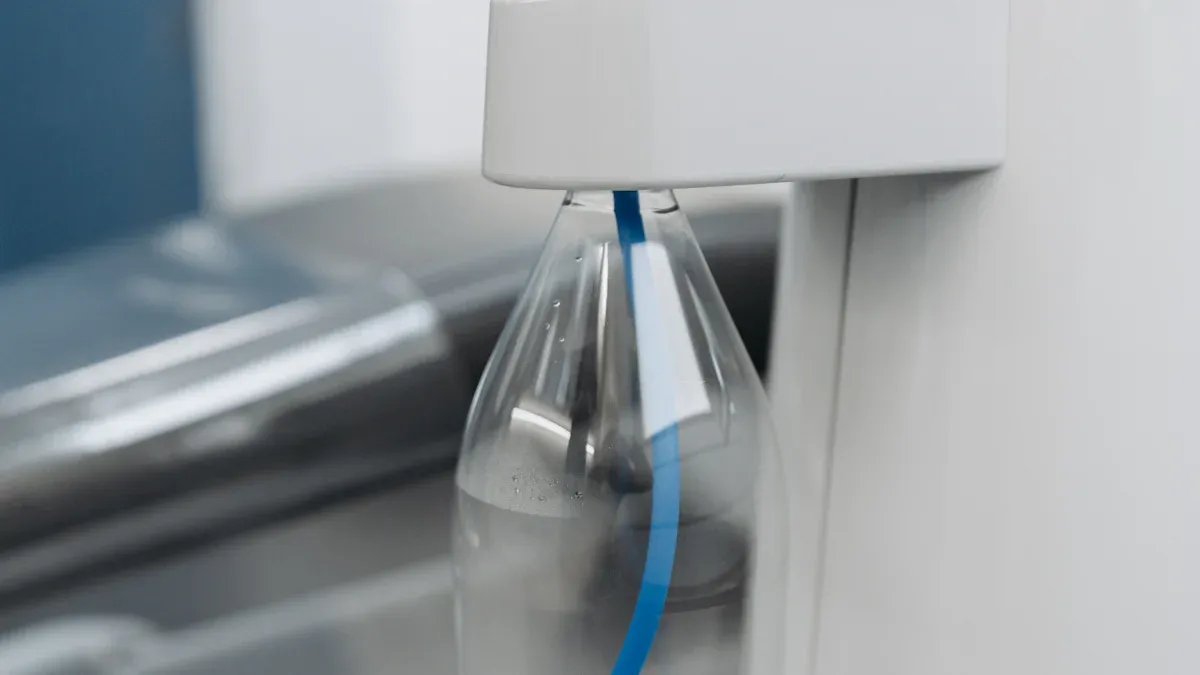
An in home water dispenser can offer ultimate convenience. This upgrade is not simple for homeowners. The decision involves a trade-off. People weigh sleek looks against significant costs and complex installation.
Note: This luxury feature demands a careful look at a person's budget, home layout, and long-term priorities before purchase.
Key Takeaways
- An in-wall water dispenser offers great convenience and a modern look for your kitchen.
- It helps you drink more water and reduces plastic waste, saving money over time.
- However, these dispensers are expensive to buy and need professional help for installation and repairs.
The Appeal: Why You'll Love an In-Wall Water Dispenser
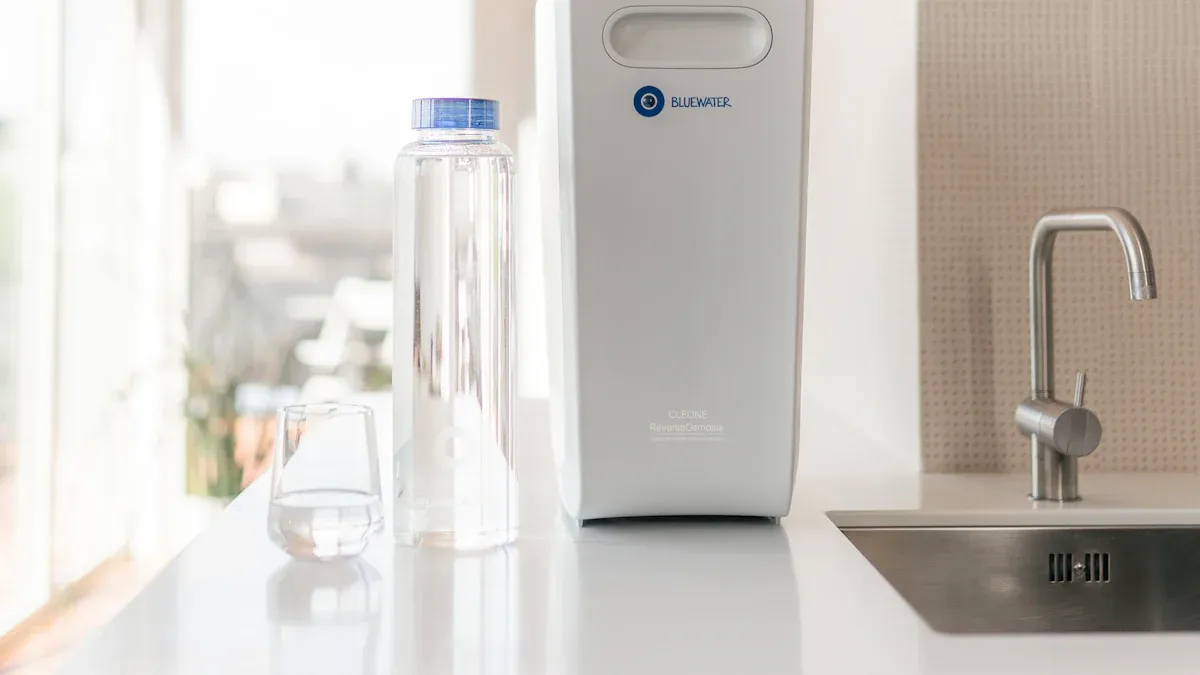
Homeowners often seek upgrades that blend function with style. An in-wall water dispenser excels in this area. It offers a unique combination of immediate access, modern aesthetics, and health-conscious living. These benefits make it a compelling addition for many households.
Unmatched Convenience and Access
An in-wall dispenser delivers water on demand. People no longer need to wait for a kettle to boil or a pitcher to chill. A simple push of a button or lever provides instant hot or cold water. This feature streamlines daily routines, from making morning coffee to preparing a cool drink after a workout. Consumers value specific features that enhance this convenience.
Popular dispenser features include:
- Temperature Options: Versatile settings for hot, cold, or room-temperature water meet various needs.
- Built-In Filtration: Advanced filters remove impurities and improve taste directly from the source.
- Ease of Use: User-friendly controls, like push-buttons or touchless sensors, make dispensing effortless for everyone in the family.
A Sleek, Space-Saving Design
Kitchen counter space is valuable real estate. Traditional water coolers or pitchers occupy this space. An in-wall unit solves this problem completely. It sits flush with the wall, creating a clean and uncluttered look. This integrated design elevates the kitchen's appearance, giving it a modern and high-end feel.
The dispenser becomes part of the home's architecture. It frees up countertops for food preparation and other appliances, maximizing the kitchen's functionality.
This minimalist approach is perfect for homeowners who appreciate a streamlined and organized environment. The result is a kitchen that feels both larger and more sophisticated.
Encourages Better Hydration
Easy access to clean water can lead to better hydration habits. Studies show that increased visibility and availability of water sources boost water intake. When a fresh glass of water is just seconds away, family members are more likely to drink it throughout the day. An in home water dispenser acts as a constant, visible reminder to stay hydrated. 💧
This is especially true for children. A user-friendly dispenser empowers them to get their own water. This simple change can significantly increase their daily water consumption. The convenience removes barriers, making healthy hydration an easy choice for the entire household.
The Value Proposition: Long-Term Benefits
An in-wall water dispenser offers more than just immediate convenience. It presents a strong value proposition through environmental, financial, and real estate benefits. These long-term advantages make it a forward-thinking investment for a modern home.
Reduces Plastic Waste
Switching to a built-in dispenser significantly cuts down on household plastic waste. Many families rely on single-use plastic bottles, which have a large environmental footprint. An in home water dispenser connects directly to the plumbing, eliminating the need for bottled water delivery or store purchases. This change has a direct positive impact.
- The production and transport of bottled water create substantial carbon emissions.
- Studies show bottled water can be up to 3,500 times worse for natural resources than tap water.
- In the United States, around 70-75% of plastic water bottles are not recycled, ending up in landfills and oceans.
Potential Long-Term Cost Savings
The initial purchase of a dispenser is an investment. However, it can lead to significant savings over time. The recurring cost of buying bottled water adds up quickly. A family of four might spend thousands of dollars on bottled water over five years. A filtration system, in contrast, costs much less over the same period.
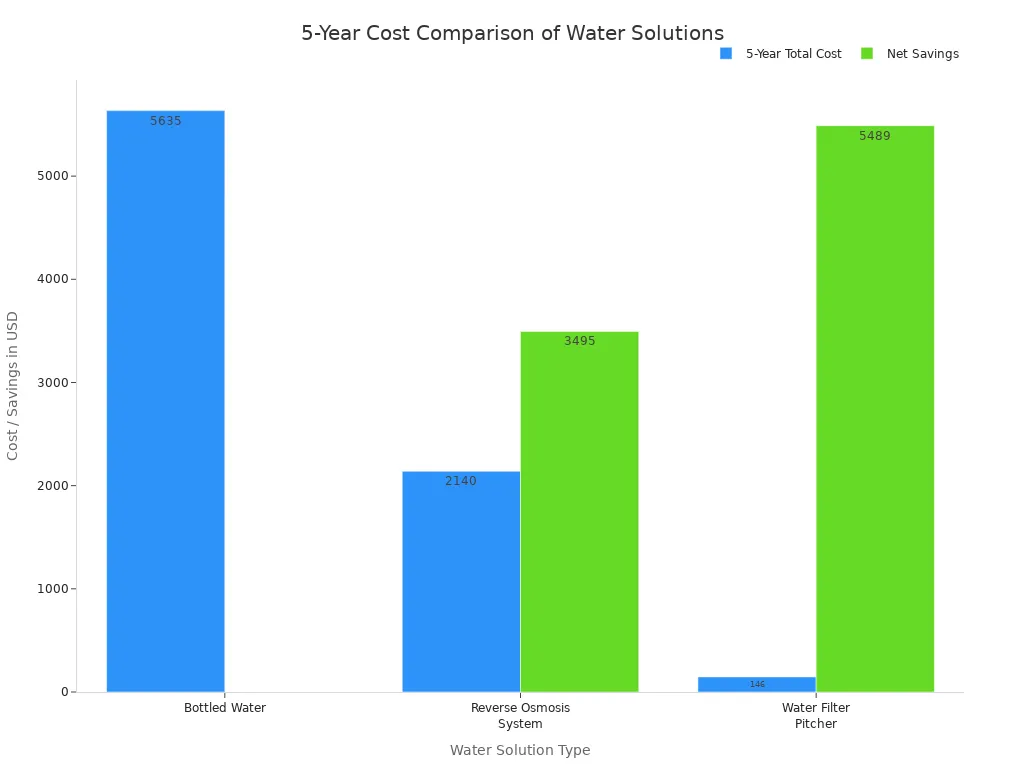
Over five years, a home filtration system can save a family thousands of dollars compared to the continuous expense of bottled water.
Adds Modern Home Value
High-end kitchen appliances are a major draw for potential homebuyers. An integrated water dispenser is a luxury feature that can increase a home's appeal and resale value. Kitchen renovations consistently provide a solid return on investment. Homeowners often recoup 40-50% of the cost of a kitchen remodel. For luxury additions like premium appliances, real estate experts estimate the return can be as high as 70%. This feature signals a modern, well-appointed home.
The Reality Check: Costs and Installation of an in home water dispenser
The dream of instant, filtered water is appealing. However, the path to achieving it involves serious practical and financial considerations. Homeowners must look beyond the sleek finish and understand the true scope of the project. The total investment in an in home water dispenser goes far beyond the price tag on the box.
High Upfront Purchase Price
The first major hurdle is the cost of the unit itself. In-wall water dispensers are premium appliances with a price to match. The cost often surprises homeowners who are used to the price of countertop models or refrigerator filters. The final price depends heavily on the features a person chooses, especially refrigeration.
- Non-refrigerated Model: A basic filtered dispenser, like the Elkay EZH2O LIV in Aspen White, costs around $1,630.
- Refrigerated Model: A unit that provides chilled water, such as the Elkay EZH2O LIV with a remote chiller, can cost approximately $2,480.
These figures represent a significant initial investment before any installation work begins. This price point firmly places the appliance in the luxury category.
Requires Professional Installation
This is not a typical DIY weekend project. Proper installation requires a team of licensed professionals. The process involves cutting into walls, connecting to water lines, and often running electrical wiring. Mistakes can lead to costly leaks, electrical hazards, or structural damage.
A standard installation for a refrigerated unit involves specific technical steps. Professionals must handle both plumbing and electrical systems with precision.
Typical Installation Requirements:
- Plumbing: Connect the unit to a cold water line, install the filter system, and route tubing carefully to prevent kinks. The system must be flushed and checked for leaks.
- Electrical: A refrigerated model needs a standard grounded outlet within a specific distance (e.g., 30 inches). The electrical lines cannot be extended, which dictates placement.
Some simpler, non-refrigerated models run on batteries, which eliminates the need for an electrician. However, even these units require a plumber to tap into a water line and ensure a secure, leak-free connection within the wall.
Hidden Costs of Wall Work
The most underestimated expenses often come from wall work. The installation process leaves a hole that needs expert repair. Beyond that, installers can uncover unexpected issues lurking behind the drywall. These surprises can quickly increase the project's budget and timeline.
Homeowners may face several unforeseen structural problems:
- Weak or Damaged Studs: The wall frame may not be strong enough to support the unit.
- Hidden Utilities: Unexpected pipes or wires can block the ideal placement.
- Shallow Wall Cavities: The wall may not be deep enough for the appliance.
- Moisture Damage: Old leaks or mold can require extensive remediation before installation can proceed.
Even with a smooth installation, the wall needs to be professionally finished. This is more than just patching a hole. The process involves multiple steps to create a seamless look.
The goal is to make the repair invisible. This requires blending textures and matching paint, which adds labor and cost. Standard quotes often do not include these fine details, leading to surprise expenses.
Achieving a flawless finish requires careful work. Installers must complete several tasks, including sanding, priming, and painting. To get a perfect color match, a homeowner often needs to repaint the entire wall. This ensures the new dispenser looks like it was always part of the home's design.
The Practical Drawbacks: What to Know Before You Commit
An in-wall water dispenser offers a sleek look, but homeowners should understand the practical downsides. The commitment extends beyond the initial purchase and installation. It involves ongoing responsibilities and potential risks that require careful consideration.
Ongoing Maintenance and Filter Costs
The convenience of an in home water dispenser depends on regular upkeep. Filters are a recurring expense. They must be replaced every six to twelve months to ensure water quality and system performance. These filters can be costly over the life of the unit. The dispenser also requires periodic cleaning to prevent buildup and maintain hygiene, adding another task to a homeowner's maintenance list.
The Risk of In-Wall Leaks
A hidden plumbing connection creates a risk of in-wall leaks. A small, undetected leak can cause significant problems over time. Water can saturate drywall, damage wooden studs, and lead to mold growth.
Repairing a leaking pipe inside a wall can cost from $150 to over $1,300. This price does not include the separate expenses for drywall repair, repainting, or mold remediation, which can add thousands more to the final bill.
Limited Water Options
These dispensers provide filtered hot and cold water. Some advanced models even offer multiple temperature settings for coffee or tea. However, they lack the variety of other systems. Homeowners seeking sparkling, flavored, or alkaline water will not find those features in most standard in-wall units. This limitation makes them less versatile than some countertop alternatives.
Noise and Permanent Placement
Refrigerated models use a chilling unit that generates a low hum. This noise can be a minor annoyance in a quiet kitchen. More importantly, the dispenser's placement is permanent. Once installed, moving it is a major project that involves more wall repair and professional help. This lack of flexibility is a significant drawback if a person decides to remodel their kitchen later.
An in-wall water dispenser delivers exceptional convenience and a high-end, integrated look. This luxury comes with a significant price tag, professional installation requirements, and ongoing maintenance. It is an excellent investment for homeowners who prioritize a streamlined kitchen and have the budget to support it.
If the cost and installation are prohibitive, a high-quality countertop or refrigerator dispenser remains a more practical choice for many households.
FAQ
How often should a person change the filter?
Most manufacturers recommend filter replacement every 6-12 months. A person's water quality and usage affect this schedule. Regular changes ensure clean water and optimal system performance.
Can a homeowner install an in-wall dispenser?
Professional installation is necessary. The job requires a licensed plumber and often an electrician. DIY installation can cause leaks, electrical issues, or significant wall damage.
Tip: Always hire certified professionals to protect your home and the appliance's warranty.
Do in-wall dispensers offer sparkling water?
Most standard models do not offer sparkling water. They typically provide filtered hot and cold options. A person should check the specific model's features for other choices.