How to Improve Corn Sorting Results Using Advanced Sorters
Advanced corn kernel sorters achieve remarkable improvements in sorting accuracy and operational speed. The integration of Corn-Net technology enhances segmentation performance and boosts efficiency compared to older systems.
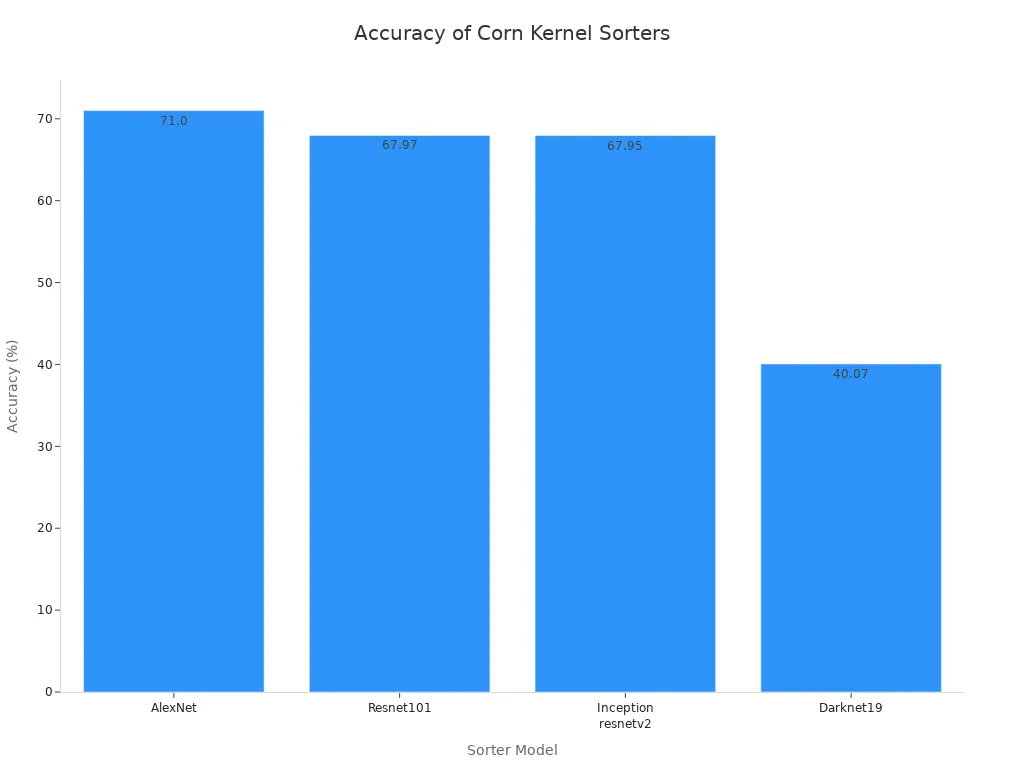
Studies show that image analysis supports rapid quality assessment, helping processors reduce waste and maintain high profitability.
| Model | Accuracy (%) | Sensitivity | Specificity |
|---|---|---|---|
| AlexNet | 71.00 | High | High |
| Resnet101 | 67.97 | High | High |
| Inceptionresnetv2 | 67.95 | High | High |
| Darknet19 | 40.07 | Low | Low |
How Advanced Corn Kernel Sorters Improve Results
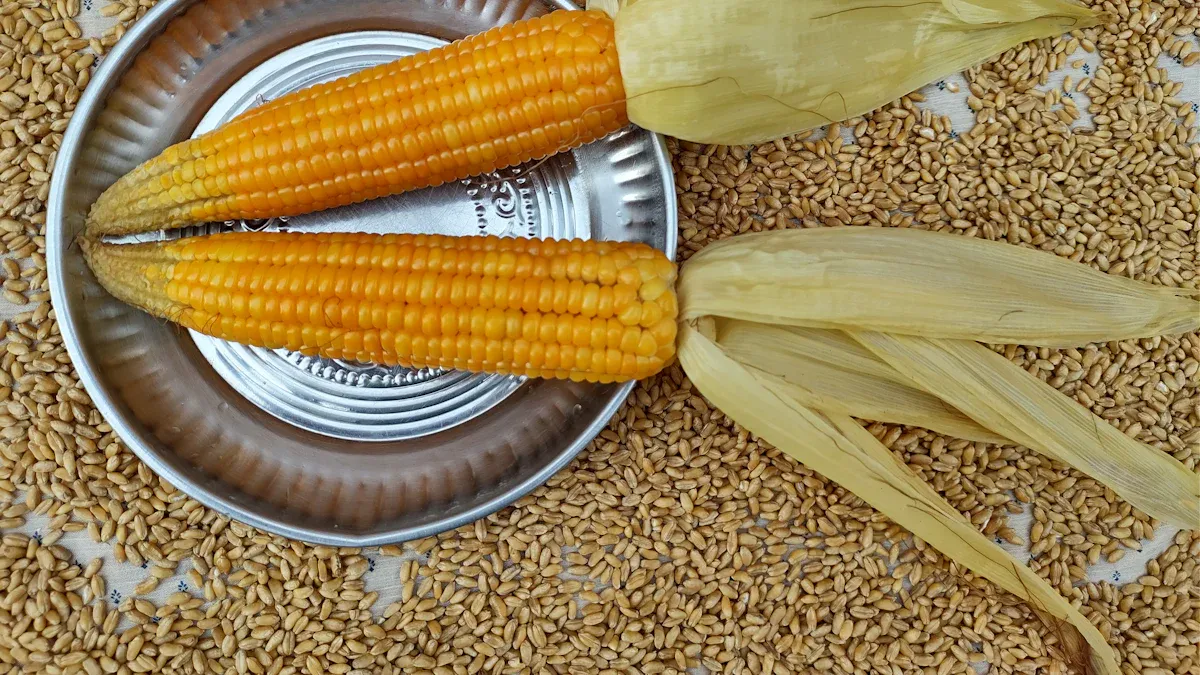
Higher Sorting Accuracy and Purity
Advanced corn kernel sorters deliver exceptional accuracy and purity in separating kernels. These machines use real-time analysis and sophisticated optical technology to identify and remove defective, moldy, or foreign materials. The result is a higher level of product purity compared to conventional mechanical sorters, which often rely on basic size or density separation and may miss subtle defects. The following table highlights the differences between advanced optical sorters and traditional mechanical systems:
| Feature | Advanced Optical Sorters | Conventional Mechanical Sorters |
|---|---|---|
| Purity Levels | Higher due to advanced technology and real-time analysis | Lower, relies on size/density separation |
| Detection of Defects | Superior accuracy in detecting color defects, mold, and foreign materials | Limited to size and density, misses many defects |
| Processing Efficiency | Enhanced by automated systems | Slower, relies on manual labor |
Processors who invest in a corn kernel sorter with advanced optical capabilities consistently achieve higher product quality. This improvement in purity supports better grading and increases the value of the final product.
Faster Throughput and Consistency
Modern corn kernel sorters not only improve accuracy but also boost throughput and consistency. These machines process large volumes of kernels quickly, maintaining uniform results over extended periods. Studies demonstrate the effectiveness of advanced technologies such as shortwave near-infrared (skNIR) in sorting and phenotyping corn kernels. The table below summarizes key research findings:
| Study | Findings |
|---|---|
| Spielbauer et al. (2009) | Demonstrated the ability of skNIR to sort kernel composition mutants. |
| Lappe et al. (2018) | Showed that skNIR can predict kernel composition differences in transgenic corn. |
| Gustin et al. (2020) | Differentiated haploid from diploid seeds using skNIR. |
| Armstrong (2006) | Enhanced trait selection through phenotyping kernel composition before planting. |
| Gustin et al. (2013) | Contributed to the understanding of kernel composition variability. |
| Hacisalihoglu et al. (2020, 2022) | Investigated the effectiveness of skNIR in phenotyping. |
| Fan et al. (2022) | Explored the potential of skNIR in improving throughput and reducing cycle time. |
These findings confirm that advanced sorters maintain high consistency and efficiency, even during long production runs. Operators can rely on these systems to deliver predictable, repeatable results, which is essential for large-scale processing.
Lower Labor and Operational Costs
Switching from manual sorting to automated corn kernel sorters leads to significant reductions in labor and operational expenses. Automated color sorters eliminate the need for time-consuming manual inspection. They also increase productivity and improve quality control. The following points summarize the main benefits:
- Automated systems reduce labor costs by removing the need for manual sorting.
- Optical sorting machines operate more than 30 times faster than manual labor, resulting in lower operational costs.
- These machines enhance the quality of processed products and support efficient grading and price-separated sales.
By adopting advanced corn kernel sorters, processors streamline their operations and achieve better financial outcomes. The investment in automation pays off through higher efficiency, improved product quality, and reduced reliance on manual labor.
Key Technologies in Modern Corn Kernel Sorters
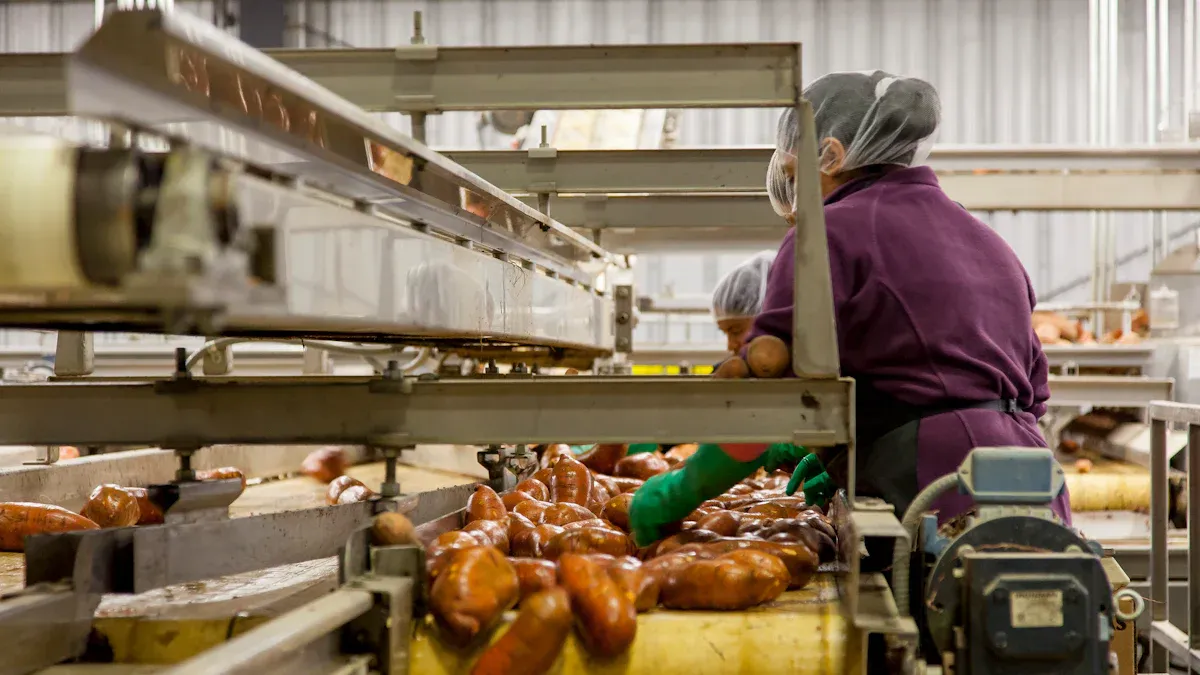
Optical and Color Sorting Systems
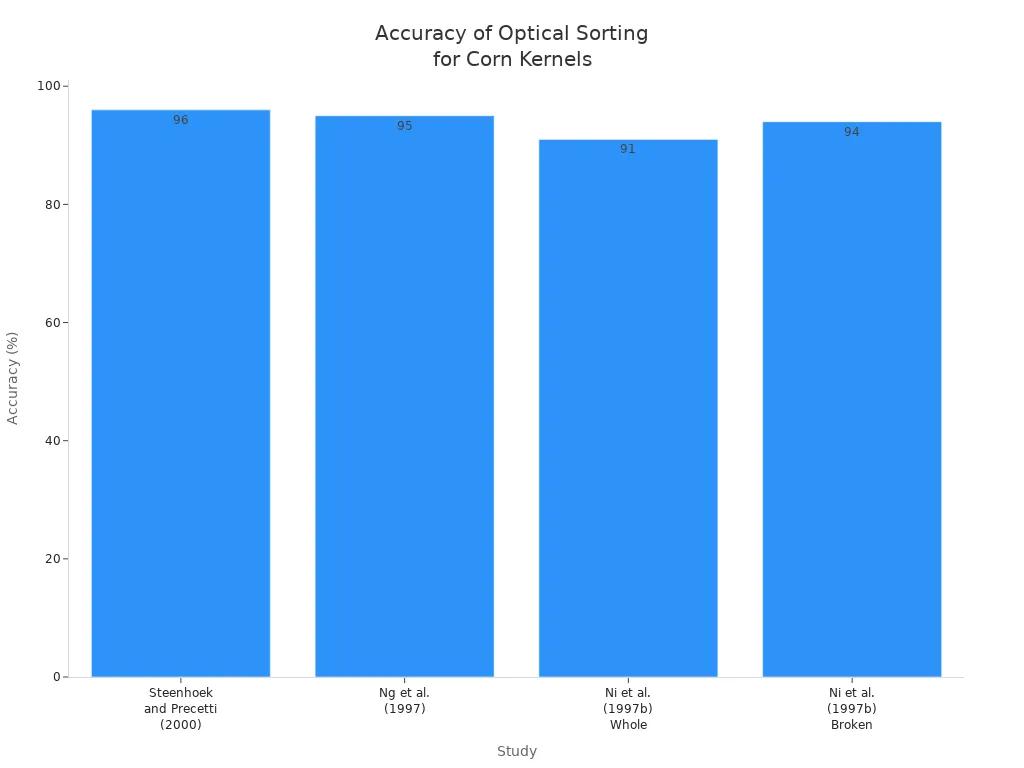
Modern optical and color sorting systems have transformed the way processors handle corn. These systems use advanced cameras and sensors to detect subtle differences in color and surface quality. They achieve moldy grain removal rates of over 99.9%, which ensures food safety and product reliability. Uniformity in particle morphology remains critical for both culinary and agricultural applications. The following table summarizes research findings on the effectiveness of these systems:
| Study | Findings | Accuracy |
|---|---|---|
| Ni et al. (1997a) | Evaluated physical properties and mechanical damage of corn kernels | N/A |
| Steenhoek and Precetti (2000) | Two-dimensional image analysis for classification of maize kernels | > 96% for round-hole analysis |
| Ng et al. (1997) | Developed machine vision algorithm for damage measurement | Standard deviation < 5% |
| Ni et al. (1997b) | Automatic inspection of corn kernels | 91% for whole kernels, 94% for broken kernels |
Shape Detection and Defect Removal
Shape detection and defect removal technologies play a vital role in improving the quality of sorted corn. Hyperspectral imaging, combined with deep learning, allows for non-destructive and highly accurate identification of defective kernels. Traditional methods often require more time and can damage the product. The new approach achieves classification accuracy above 90% and sensitivity up to 98.28%. This advancement means processors can deliver higher quality corn with fewer defects.
AI and Machine Learning Features
Artificial intelligence and machine learning have become essential in the latest corn kernel sorter models. These features enable real-time adaptation to new data and changing conditions. AI-driven dual-dimensional recognition systems detect color anomalies, while real-time 3D contour scanning distinguishes kernel shapes. The table below highlights how these technologies enhance performance:
| Feature | Description |
|---|---|
| Technology Used | Deep learning and sliding window technology |
| Purpose | Real-time detection of corn kernel breakage rates |
| Methodology | Developed a quantitative model for breakage rate detection and a specialized device for high-quality datasets |
| Performance | Detection rate of 22 frames per second with a relative error of around 7% in breakage detection |
| Innovation | Introduced sliding window technique to enhance detection efficiency in dynamic flow states |
Processors benefit from multi-sorting capability, which allows sorting based on several parameters at once. The belt conveyor system minimizes particle damage and ensures efficient sorting. These advancements make the corn kernel sorter a powerful tool for modern agricultural operations.
Tips for Optimizing Corn Kernel Sorter Performance
Proper Machine Setup and Calibration
Operators achieve optimal results by setting up and calibrating equipment according to manufacturer guidelines. Precise calibration ensures accurate sorting and reduces the risk of misclassification. Many facilities use a checklist to verify sensor alignment, conveyor speed, and lighting conditions. Regular calibration maintains consistent performance and supports high product quality.
Tip: Always document calibration settings for future reference and troubleshooting.
Regular Maintenance and Cleaning
Routine maintenance extends the lifespan of a corn kernel sorter and prevents unexpected downtime. Technicians inspect moving parts, clean optical sensors, and replace worn components. A clean machine operates efficiently and minimizes contamination risks. Facilities often schedule weekly cleaning and monthly inspections to keep equipment in top condition.
| Maintenance Task | Frequency | Responsible Staff |
|---|---|---|
| Sensor Cleaning | Weekly | Technician |
| Belt Inspection | Monthly | Operator |
| Software Updates | Quarterly | IT Specialist |
Monitoring and Adjusting Sorting Parameters
Continuous monitoring allows operators to adjust sorting parameters based on kernel size, color, and defect rates. Real-time data analysis helps identify trends and optimize settings. Adjustments improve sorting accuracy and reduce waste. Facilities often use dashboards to track performance metrics and respond quickly to changes.
Staff Training and Best Practices
Well-trained staff maximize the benefits of advanced sorting technology. Training programs cover machine operation, troubleshooting, and safety protocols. Experienced operators recognize issues early and apply best practices to maintain efficiency. Facilities invest in ongoing education to keep teams updated on new features and industry standards.
Note: Regular training sessions foster a culture of quality and accountability.
Selecting the Best Corn Kernel Sorter for Your Operation
Matching Sorter Features to Corn Varieties
Selecting the right sorter starts with understanding the unique characteristics of each corn variety. Processors should focus on phenotypic features such as shape, color, and texture. Machine vision and hyperspectral imaging help distinguish between genetically and visually similar maize types. These technologies, combined with machine learning algorithms, improve classification accuracy. By matching sorter capabilities to the specific traits of the corn, processors achieve better sorting results and reduce the risk of misclassification.
Evaluating Capacity and Throughput Needs
Large-scale operations require sorters that can handle high volumes efficiently. Comparing models based on capacity and throughput ensures the equipment meets production demands. The table below highlights three popular models and their performance metrics:
| Product model | Capacity (T/h) | Accuracy (%) | Power (kW) |
|---|---|---|---|
| MG512 | 8-24 | >99.99% | 4.7-6 |
| MG640 | 10-30 | >99.99% | 4.5-7.5 |
| MG768 | 12-38 | >99.99% | 5.2-8.8 |
Processors should select a model that aligns with their daily output targets and energy requirements.
Assessing Ease of Use and Technical Support
Ease of operation plays a critical role in daily productivity. User-friendly interfaces and clear controls reduce training time and minimize errors. Reliable technical support ensures quick resolution of issues and limits downtime. Processors benefit from choosing suppliers who offer comprehensive training and responsive service teams.
Testing with Your Own Seeds Before Purchase
Before making a final decision, processors should request a demonstration using their own corn samples. This step verifies the sorter’s performance with real-world material and confirms compatibility with specific varieties. Testing helps identify any adjustments needed for optimal results and builds confidence in the investment.
Troubleshooting and Overcoming Common Sorting Challenges
Handling Mixed or Damaged Kernels
Processors often encounter batches with mixed or damaged corn kernels. These kernels can lower product quality and increase contamination risks. Advanced sorting methods help address these challenges. Multispectral sorting stands out for its high aflatoxin reduction rate and minimal rejection of good kernels. The following table compares common sorting methods:
| Sorting Method | Aflatoxin Reduction Rate | Rejection Rate | Suitable for Small-Scale Operations |
|---|---|---|---|
| Multispectral Sorting | 83% | 0–1% | Yes |
| Density-Sorting (DropSort device) | Not effective below 20 ppb | N/A | N/A |
| Gravity Table Sorting | Below 20 ppb | N/A | N/A |
Processors achieve the best results by selecting multispectral sorters for mixed or damaged lots. These machines remove contaminants efficiently and preserve valuable kernels.
Resolving Sorting Inconsistencies
Sorting inconsistencies can disrupt production and reduce output quality. Operators should check sensor alignment and recalibrate equipment when inconsistencies appear. They should also monitor kernel flow and remove blockages. Regular software updates help maintain optimal performance.
Tip: Operators who document sorting errors and corrective actions build a valuable reference for future troubleshooting.
Managing Downtime and Repairs
Unexpected downtime impacts productivity and profitability. Facilities should schedule preventive maintenance and keep spare parts on hand. Quick access to technical support reduces repair times. Staff who receive regular training respond faster to equipment issues.
- Schedule routine inspections.
- Maintain a log of repairs and maintenance.
- Train staff on emergency procedures.
A proactive approach ensures that corn sorting operations remain efficient and reliable.
- Advanced corn kernel sorters deliver precise sorting, faster processing, and improved product quality.
- Regular optimization and careful equipment selection help processors achieve consistent results.
- These strategies support higher quality corn, reduce waste, and increase profitability for agricultural operations.
FAQ
What maintenance does a corn kernel sorter require?
Operators should clean sensors weekly, inspect belts monthly, and update software quarterly. Regular maintenance ensures optimal performance and extends equipment lifespan.
Can advanced sorters handle different corn varieties?
Yes. Modern sorters use machine vision and AI to adapt to various kernel shapes, sizes, and colors. This flexibility improves sorting accuracy for multiple corn types.
How do processors reduce sorting errors?
Operators monitor sorting parameters, recalibrate equipment, and document errors. Staff training and regular software updates help maintain consistent sorting accuracy.
See Also
The Importance of Capsule Sorters in Eliminating Defects
Recent Changes in Freight Classification for Bearing Boxes
Essential Industrial Checkweighers for Food Processing Facilities
Innovative Features of Folder Gluers for 2025 Carton Production
Reliable Steel Processing Techniques for Heat Exchange Solutions