TAIC for Solar Cell Encapsulation: Boosting EVA Film Durability
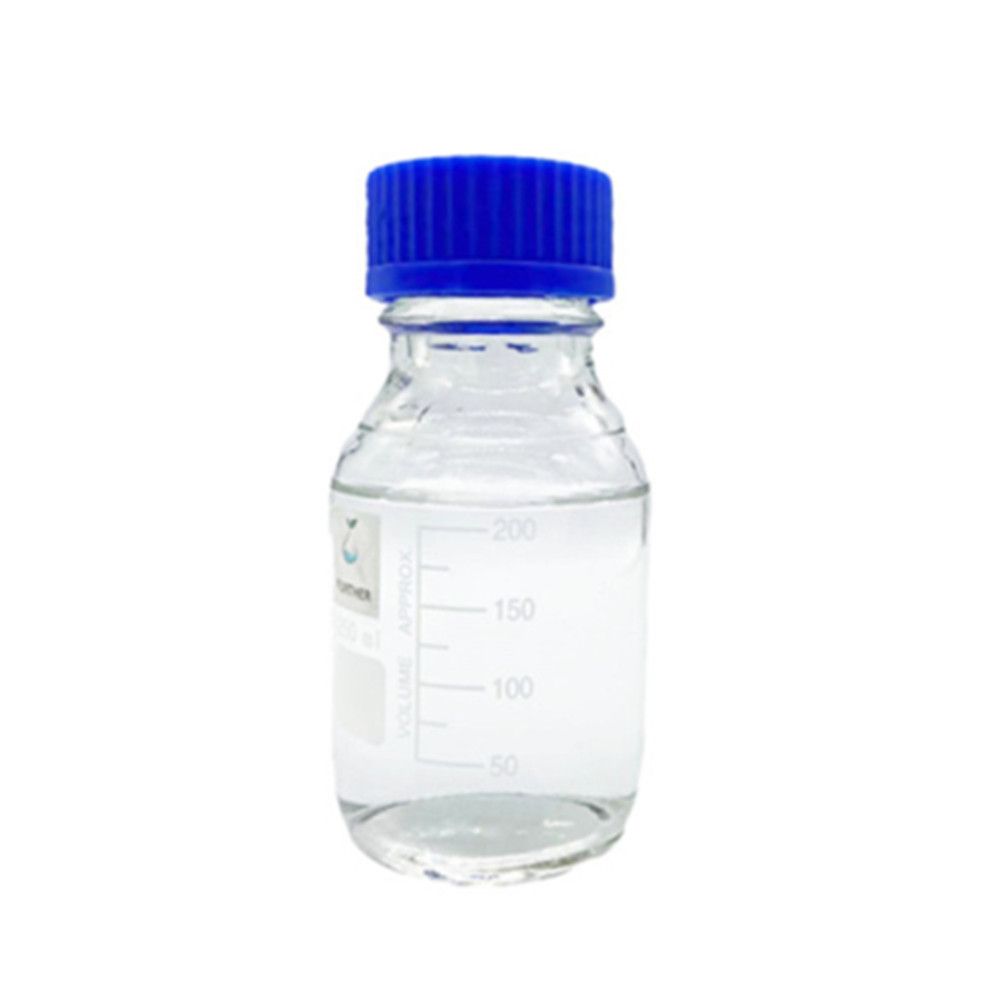
Triallyl Isocyanurate (TAIC) acts as a robust trifunctional crosslinking co-agent. It boosts ethylene-vinyl acetate film durability against thermal stress, moisture, and UV degradation. Working with organic peroxides, TAIC builds a dense 3D polymer network to raise gel content and prevent delamination. Formulators evaluate the Impacts of Liquid and Powder Forms of Triallyl Isocyanurate (TAIC) on End‑use Applications TAIC 50% powder; TAIC 70% powder; TAIC 99% liquid; TAIC 98% liquid; TAIC 95% liquid to optimize curing performance. High-purity TAIC preserves optical transparency and protects solar module efficiency over a 25-year lifespan.
Key Takeaways
- TAIC builds a strong polymer network that protects solar panels from heat, moisture, and sunlight damage.
- High-purity TAIC stops solar films from turning yellow, keeping panels clear and power output high for 25 years.
- Choosing the right liquid or powder form of TAIC improves film production and prevents panel layer separation.
The Chemical Mechanism of TAIC in EVA Crosslinking
Ethylene-vinyl acetate (EVA) resins require strong chemical bonds to endure outdoor solar module environments. Pure EVA polymer chains lack sufficient thermal resistance on their own. Formulators add Triallyl Isocyanurate (TAIC, CAS No. 1025-15-6) to transform linear polymer chains into a durable, three-dimensional network. TAIC functions as an efficient crosslinking co-agent during the lamination process.
Trifunctional Structure and Radical Reactivity
The molecular architecture of TAIC provides exceptional chemical reactivity. The compound features a central, stable triazine ring equipped with three reactive allyl double bonds. These three functional groups give TAIC its trifunctional classification.
During thermal processing, these allyl groups react rapidly with free radicals. The central isocyanurate ring possesses high thermal stability and resists degradation under intense solar radiation. The three allyl arms extend outward from this rigid core, allowing the molecule to attach to multiple polymer chains simultaneously. This unique geometry allows a single TAIC molecule to anchor three distinct polymer sites, creating robust spatial junctions across the encapsulant matrix.
Synergistic Curing with Organic Peroxides
TAIC works directly with organic peroxides to initiate and accelerate the curing mechanism inside the solar lamination press. The curing process follows a precise radical reaction sequence:
- Peroxide Homolysis: The thermal breakdown of the O-O bond in peroxides generates active alkoxy or peroxy radicals.
- Hydrogen Abstraction: These active radicals abstract hydrogen atoms from the methylene groups on the EVA polymer backbone, generating reactive polymer macroradicals.
- Macroradical Coupling: The polymer macroradicals combine directly to build covalent C-C crosslinked networks.
- Co-agent Radical Addition: TAIC acts as a multifunctional co-agent that undergoes radical addition with the active polymer species, forming extra crosslinking nodes while simultaneously mitigating unwanted chain scission.
Peroxides alone can cause side reactions, such as polymer chain scission, which weakens the film matrix. TAIC captures polymer radicals quickly and prevents side reactions. This synergy lowers the required peroxide dosage, reduces harmful volatile byproducts, and shortens overall lamination cycle times.
Maximizing Gel Content and Crosslinking Density
Gel content directly measures the degree of polymer crosslinking inside the cured EVA film. Uncrosslinked EVA dissolves easily in organic solvents, whereas highly crosslinked EVA remains insoluble. TAIC dramatically boosts the final gel content value beyond what organic peroxides achieve on their own.
High-purity TAIC grades, such as specialized TAIC-S liquid, yield crosslinking densities exceeding 85% gel content under standard curing parameters. The trifunctional nodes form a tightly bound 3D network that restricts macromolecular sliding. This structural reinforcement prevents mechanical creep under elevated operating temperatures. Consequently, the dense matrix locks the solar cells in place, preserves optical transparency, and guarantees long-term durability for photovoltaic modules.
Key Durability Benefits for Photovoltaic Modules
Solar modules face extreme weather conditions throughout their operating lifespan. Unprotected encapsulant films rapidly break down under severe environmental stress. Incorporating Triallyl Isocyanurate (TAIC, CAS No. 1025-15-6) into ethylene-vinyl acetate (EVA) formulations strengthens the polymer matrix against long-term physical and chemical damage.
Thermal Stability and Creep Resistance
Solar panels reach internal temperatures exceeding 85°C during peak daytime operation. High heat weakens uncrosslinked EVA polymers. The linear chains slide past each other, causing mechanical deformation and polymer creep.
TAIC prevents this structural breakdown by building a rigid, interconnected 3D crosslinked network. The central isocyanurate rings act as durable molecular anchors within the matrix.
- Restricted Chain Movement: High crosslinking density stops polymer chains from shifting under elevated thermal loads.
- Dimensional Integrity: The encapsulant retains its exact thickness and shape across extreme temperature cycles.
- Cell Protection: The reinforced matrix keeps fragile silicon wafers and ribbon interconnects locked in place, preventing mechanical stress cracks.
High-purity TAIC grades ensure that EVA films pass rigorous hot creep tests, keeping mechanical elongation well below critical industry thresholds.
Mitigation of UV Degradation and Yellowing
Continuous exposure to ultraviolet (UV) radiation triggers severe photochemical reactions inside standard EVA films. Solar radiation breaks weak chemical bonds, generating chromophores. These chromophores turn the transparent encapsulant yellow or brown, blocking sunlight from reaching the solar cells and reducing power output.
TAIC mitigates UV degradation through its stable aromatic-like triazine structure. The electron-dense isocyanurate core absorbs and dissipates harmful UV energy without breaking down. By rapidly capturing free radicals during crosslinking, TAIC reduces unsaturated double bonds in the final polymer matrix. Fewer weak points remain for UV radiation to attack. Consequently, the EVA film maintains its high optical transparency and light transmittance over 25 years of field operation.
Hydrolytic Stability and Damp-Heat Resistance
Moisture ingress poses a major threat to solar module reliability. High humidity and elevated temperatures break down the ester groups in EVA resins through hydrolysis, creating free acetic acid.
EVA Polymer + Water (Moisture) ---> Degraded Polymer + Acetic Acid
Free acetic acid causes severe internal damage to the photovoltaic module:
- Corrosion attacks the thin metallic grid lines on the silicon cell surface.
- Acidic conditions degrade the solder joints connecting solar cells.
- Electrical conductivity drops, leading to permanent module power loss.
TAIC eliminates this degradation pathway by consuming reactive sites during the curing process. The dense crosslinked network acts as a physical barrier against water vapor transmission. Lower water absorption directly prevents acetic acid formation, allowing solar modules to easily pass standard damp-heat testing ($85^\circ\text{C}$ / 85% relative humidity for 1,000+ hours).
Enhanced Adhesion and Delamination Prevention
Separation between the encapsulant, glass cover, and backsheet ranks among the leading causes of early solar module field failures. Moisture ingress and thermal expansion stress weaken interfacial bonds over time. Delamination allows air and water to enter, causing rapid circuit corrosion.
TAIC enhances interfacial adhesion across all internal module boundaries. The reactive allyl groups form strong chemical attachments with silane coupling agents and surface functional groups on the solar glass and backsheet. By increasing total gel content, TAIC creates a cohesive, tear-resistant polymer structure. The film maintains strong interfacial bond strength, preventing delamination and ensuring uninterrupted power generation throughout the module lifecycle.
Processing and Formulation Optimization
Photovoltaic module manufacturers optimize ethylene-vinyl acetate (EVA) formulations to achieve long-term field stability. Precise processing parameters maximize the effectiveness of Triallyl Isocyanurate (TAIC) during encapsulation.
Dosing Precision and Gel Content Targeting
Formulators add TAIC in exact ratios, typically ranging from 0.5% to 1.5% weight percent. Exact dosing directly controls the crosslinking density of the polymer matrix. Insufficient TAIC lowers the final gel content below required industry standards. Conversely, excess co-agent wastes raw materials and increases production costs. Manufacturers tune dosage levels to consistently achieve target gel content values above 85 percent.
Curing Temperature and Rate Optimization
Lamination equipment operates within specific thermal parameters to maximize crosslinking efficiency:
- Preheating Phase: The vacuum press heats the raw EVA sheet to roughly 100°C to soften the resin without prematurely triggering the organic peroxide.
- Crosslinking Phase: The chamber increases temperature to 140°C–150°C, activating peroxide radical generation and driving rapid TAIC crosslinking reactions.
- Cooling Phase: The system cools the laminated module under controlled pressure to lock the 3D network in place.
Optimized thermal cycles reduce overall lamination time and increase factory output.
Managing Additive Compatibility and Blooming
High-purity liquid grades like TAIC-S mix completely into molten EVA resin during extrusion. Lower quality or improperly mixed co-agents can migrate to the film surface over time. Engineers call this surface separation blooming. Blooming reduces initial film tackiness and impairs glass adhesion. Formulators maintain processing temperatures below peroxide activation thresholds during compounding to prevent premature reaction and ensure complete chemical compatibility.
Selection and Quality Assurance in Module Encapsulation
Impacts of Liquid and Powder Forms of Triallyl Isocyanurate (TAIC) on End‑use Applications TAIC 50% powder; TAIC 70% powder; TAIC 99% liquid; TAIC 98% liquid; TAIC 95% liquid
Formulators evaluate the Impacts of Liquid and Powder Forms of Triallyl Isocyanurate (TAIC) on End‑use Applications TAIC 50% powder; TAIC 70% powder; TAIC 99% liquid; TAIC 98% liquid; TAIC 95% liquid to select optimal processing methods. High-purity liquid grades blend directly into molten EVA resin during extrusion. Powder grades simplify dry-mix compounding in automated feeding systems. Liquid options mix easily, whereas solid carriers alter the Impacts of Liquid and Powder Forms of Triallyl Isocyanurate (TAIC) on End‑use Applications TAIC 50% powder; TAIC 70% powder; TAIC 99% liquid; TAIC 98% liquid; TAIC 95% liquid during film extrusion. Encapsulant manufacturers review the Impacts of Liquid and Powder Forms of Triallyl Isocyanurate (TAIC) on End‑use Applications TAIC 50% powder; TAIC 70% powder; TAIC 99% liquid; TAIC 98% liquid; TAIC 95% liquid when balancing dispersion speed against optical clarity.
Impact of Chemical Purity and Trace Impurities
High chemical purity prevents film discoloration and maintains electrical isolation in solar modules. Strict quality assurance protocols verify purity standards for encapsulant additives.
| Specification Parameter | Required Threshold | Functional Role in Encapsulants |
|---|---|---|
| Chemical Purity | ≥ 99% (Commercial Grade TAIC-99) | Improves crosslinking effectiveness and thermal endurance |
| Moisture Content | < 0.2% | Ensures stability and prevents degradation in EVA solar films |
Quality assurance teams track the Impacts of Liquid and Powder Forms of Triallyl Isocyanurate (TAIC) on End‑use Applications TAIC 50% powder; TAIC 70% powder; TAIC 99% liquid; TAIC 98% liquid; TAIC 95% liquid across different production batches to enforce these tight purity thresholds.
Storage Stability and Handling Best Practices
TAIC remains stable under standard warehouse conditions. Suppliers package liquid forms in 25kg or 200kg drums, whereas powder forms ship in 25kg cartons or bags. Workers must store packages away from direct heat, intense sunlight, strong acids, and reducing agents.
TAIC provides the high crosslinking density required to safeguard solar cell modules against long-term thermal, optical, and environmental degradation. Selecting the right TAIC form and maintaining high chemical purity directly lower field failure rates and optimize module power output.
Contact our technical engineering team today to request TAIC samples, technical datasheets, or assistance with EVA formulation design.
FAQ
What role does TAIC play in solar cell encapsulation films?
TAIC acts as a trifunctional crosslinking co-agent. It reacts with organic peroxides to create a dense polymer network, boosting EVA film durability and preventing thermal degradation.
How does TAIC prevent EVA yellowing under UV radiation?
TAIC features a stable triazine ring that absorbs ultraviolet energy. It reduces free radicals during curing, eliminating weak chemical bonds and maintaining optical transparency over time.
Which forms of TAIC suit EVA film manufacturing?
High-purity liquid grades like TAIC-S mix directly into molten resin during extrusion. Powder grades simplify dry-mix compounding in automated feeding systems for consistent production.
See Also
Proven Data Strategies For Elevating Furandicarboxylic Acid Environmental Sustainability
The Best Precoating Materials For Advanced Industrial Filtration Systems
Analyzing Key Benefits And Comprehensive Costs Of Modern Plate Packs
Maximizing Pharmaceutical Productivity With Next Generation Capsule Decapsulation Equipment
Utilizing Innovative Micro Channel Technology Inside Hydrogen Fuel Cell Exchangers