Why HTPB Is a Game Changer for Pultruded Fiberglass Materials
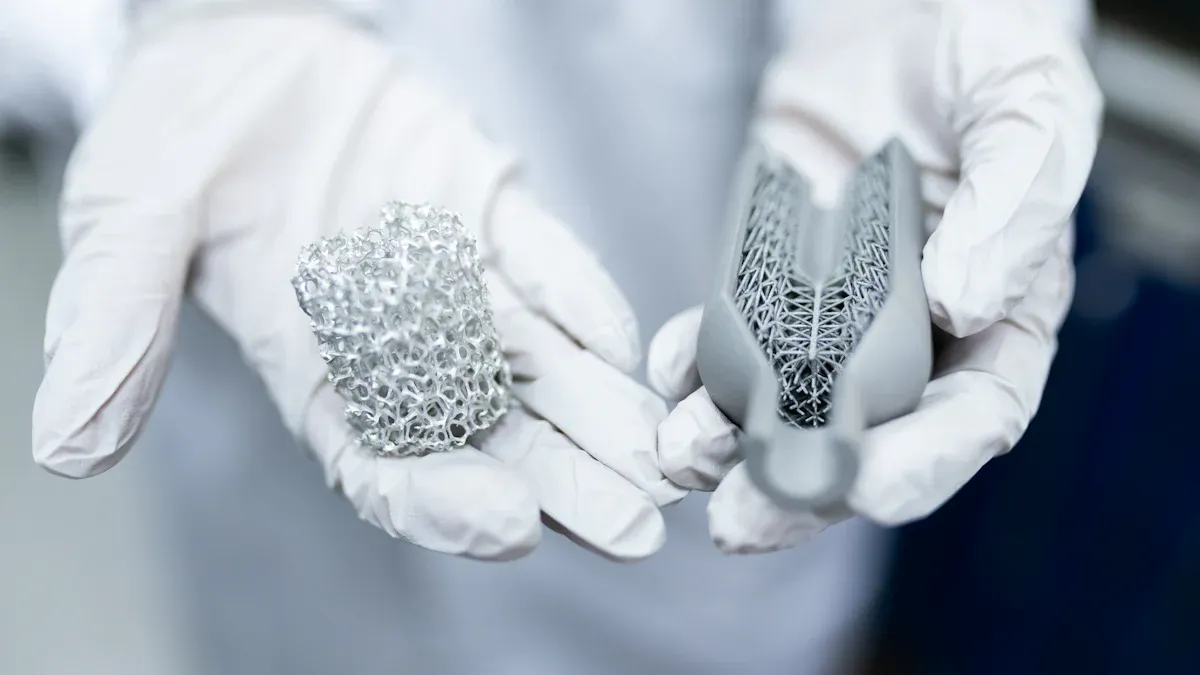
Hydroxyl-Terminated Polybutadiene(HTPB) CAS No. 69102-90-5 changes how people view composite materials. This polymer gives pultruded fiberglass much higher strength and longer life. The Application of HTPB in Pultruded Fiberglass Composites helps these materials work better in tough places. Many industries now trust this advanced solution.
Key Takeaways
- HTPB enhances the strength and durability of pultruded fiberglass, making it ideal for demanding applications.
- Using HTPB reduces maintenance needs and extends the service life of products, saving companies time and money.
- HTPB's low viscosity allows for easier processing, leading to faster production times and lower costs.
Hydroxyl-Terminated Polybutadiene(HTPB) CAS No. 69102-90-5 in Pultruded Fiberglass
What Is HTPB?
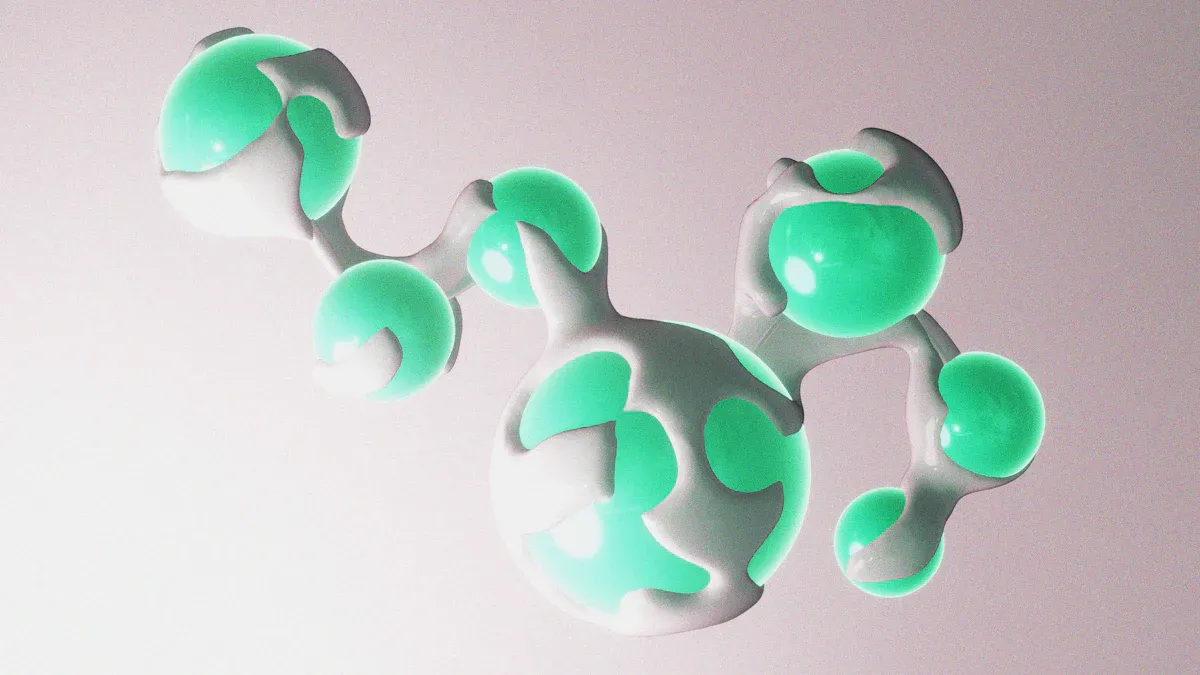
Hydroxyl-Terminated Polybutadiene(HTPB) CAS No. 69102-90-5 is a special type of liquid polymer. Chemists make it from butadiene monomers. Each molecule has reactive hydroxyl groups at both ends. This structure helps HTPB react quickly during curing. It stays as a low-viscosity liquid at room temperature. This property makes it easy to mix and process. Many industries value HTPB for its excellent mechanical properties.
HTPB’s Role in Pultruded Fiberglass Composites
HTPB acts as a binder in pultruded fiberglass materials. It holds the glass fibers together and forms a strong, flexible matrix. This matrix gives the final product high strength and toughness. HTPB also helps the composite resist cracking and breaking under stress. Because of its unique chemistry, Hydroxyl-Terminated Polybutadiene(HTPB) CAS No. 69102-90-5 improves the performance of fiberglass parts in many applications.
Comparison with Traditional Resins and Binders
Traditional resins, such as polyester or epoxy, often have higher viscosity and can be harder to process. They may not provide the same level of flexibility or toughness as HTPB. In contrast, HTPB’s low viscosity allows for better fiber wetting and easier handling. The resulting composites show better mechanical strength and longer service life. Many engineers now choose HTPB over older resins for demanding projects.
Tip: Choosing the right binder, like HTPB, can make a big difference in the quality and durability of pultruded fiberglass products.
Advantages of HTPB for Pultruded Fiberglass Materials
Enhanced Mechanical Properties
Hydroxyl-Terminated Polybutadiene(HTPB) CAS No. 69102-90-5 gives pultruded fiberglass materials a big boost in strength. The polymer forms a strong bond with glass fibers. This bond helps the composite handle heavy loads and impacts. Engineers notice that parts made with this binder bend less and break less often. The material also keeps its shape better under stress. These features make it a top choice for projects that need tough and reliable parts.
Key mechanical benefits include:
- Higher tensile strength
- Better flexibility
- Improved impact resistance
Note: Stronger materials mean safer and longer-lasting products in many industries.
Improved Durability and Longevity
Products made with Hydroxyl-Terminated Polybutadiene(HTPB) CAS No. 69102-90-5 last longer than those made with older resins. The polymer resists wear and tear from daily use. It also stops small cracks from growing into bigger problems. This means less maintenance and fewer replacements over time. Many companies choose this binder to save money and reduce downtime.
A simple comparison table shows the difference:
| Property | Traditional Resin | HTPB-Based Composite |
|---|---|---|
| Service Life | Moderate | Extended |
| Crack Resistance | Low | High |
| Maintenance Needs | Frequent | Rare |
Resistance to Environmental Factors
HTPB-based pultruded fiberglass stands up well to harsh environments. The material does not break down easily in sunlight, rain, or chemicals. It keeps its strength even after years outside. This makes it perfect for outdoor structures, bridges, and utility poles. The binder also protects the fibers from water and salt, which can cause damage in other materials.
- Withstands UV rays
- Resists moisture and chemicals
- Performs well in hot and cold weather
Tip: Using HTPB helps products survive in places where other materials fail.
Processing and Cost Benefits
Manufacturers like Hydroxyl-Terminated Polybutadiene(HTPB) CAS No. 69102-90-5 because it is easy to work with. The low viscosity lets it flow smoothly around the fibers. This makes the production process faster and more efficient. Less waste means lower costs. The material also cures at lower temperatures, saving energy.
Processing advantages:
- Faster production times
- Lower energy use
- Less material waste
Companies find that these benefits help them make better products at a lower cost. The savings add up over time, making HTPB a smart investment.
Real-World Applications and Industry Impact
Infrastructure and Construction Uses
HTPB-based pultruded fiberglass plays a key role in modern infrastructure. Engineers use this material for bridges, utility poles, and walkways. The composite resists weather and chemicals, so it lasts longer outdoors. Construction teams choose it for projects that need strong and lightweight parts. The material helps reduce maintenance costs and keeps structures safe for many years.
Automotive and Transportation Applications
Automotive and transportation industries benefit greatly from HTPB-based pultruded fiberglass. Manufacturers build lightweight vehicle bodies with this material. The low weight improves fuel efficiency and lowers emissions. Designers use it for truck bodies, train components, and aircraft interiors. The high strength protects passengers and cargo. Aerospace companies create safer aircraft parts with pultruded fiberglass. Railway systems use it for durable infrastructure, which reduces maintenance needs.
- Lightweight vehicle bodies enhance fuel efficiency 🚗
- High-performance aircraft components improve safety ✈️
- Durable railway infrastructure lowers maintenance costs 🚆
The automotive and aerospace sectors expect big gains from pultruded fiberglass composites. These materials help create vehicles that use less fuel and produce fewer emissions.
Energy and Industrial Sectors
HTPB-based pultruded fiberglass supports energy and industrial projects. Wind turbine blades made from this composite last longer and resist harsh weather. Offshore solar farms use corrosion-resistant parts to keep systems running. Engineers design innovative energy storage solutions with pultruded fiberglass. The material’s durability and flexibility make it a smart choice for pipelines and other industrial equipment.
- Longer-lasting wind turbine blades
- Corrosion-resistant components for solar farms
- Innovative energy storage solutions
Note: HTPB-based pultruded fiberglass helps industries build safer, stronger, and more efficient systems.
HTPB sets a new standard for pultruded fiberglass composites. Industries choose it for strength, durability, and adaptability. Experts predict strong growth for HTPB in the next decade. The table below shows market projections:
| Year | Market Value (USD) | CAGR (%) | Market Share (%) |
|---|---|---|---|
| 2024 | $850 million | N/A | N/A |
| 2034 | $1.4 billion | 5.2% | >40% |
HTPB will shape the future of composite materials.
FAQ
What makes Hydroxyl-Terminated Polybutadiene(HTPB) CAS No. 69102-90-5 special for pultruded fiberglass?
This polymer gives fiberglass higher strength and flexibility. It helps products last longer in tough environments.
Can HTPB-based composites handle outdoor conditions?
They resist sunlight, rain, and chemicals. These materials work well for outdoor structures and equipment.
Is HTPB easy to use in manufacturing?
Manufacturers like its low viscosity. It flows smoothly and speeds up production.
See Also
Essential Thoriated Tungsten Electrode Insights for Improved TIG Welding
Innovative Materials Transforming Supply Chains for Heat Exchangers
Advancements in Heat Exchanger Manufacturing Boost Industrial Efficiency
Reliable Steel Processing Techniques for Effective Heat Exchange Solutions