Hydrolyzed Pea Protein Peptide: The Complete B2B Sourcing Guide
Sourcing pea protein peptide powder for your business requires a focus on quality, reliability, and proven market value. BEYOND BIOPHARMA delivers a premium, clean-label solution that aligns with today’s demand for transparent, high-performance ingredients. B2B buyers often look for suppliers with ISO 9001 and ISO 22000 certifications, as well as organic credentials, to ensure consistent standards.
Product Type | Protein % | Hydrolyzed? | Third-Party Tested? | Avg. Price/lb |
|---|---|---|---|---|
Premium Isolate Peptide | 85–90% | Yes | Yes | $30–$40 |
Standard Hydrolyzed | 75–80% | Yes | Limited | $20–$25 |
Non-Hydrolyzed Isolate | 80–85% | No | Sometimes | $15–$20 |
Blended Plant Peptides | 70–75% | Yes | Varies | $25–$35 |
Key Takeaways
Direct procurement helps B2B buyers save costs and gain control over product specifications. Always request product samples before finalizing orders.
Supplier evaluation is crucial. Check for certifications like GMP and ISO, and ask for third-party test results to ensure product quality.
Hydrolyzed pea protein peptide powder is versatile. It fits well in various applications, including sports nutrition, meal replacements, and allergen-free products.
Proper storage is essential. Keep the powder in moisture-proof packaging to maintain its quality and extend shelf life.
Building strong supplier relationships supports long-term success. Open communication helps prevent misunderstandings and ensures a steady supply.
B2B Sourcing Strategies
Direct Procurement Methods
B2b buyers often seek efficient ways to secure high-quality hydrolyzed pea protein peptide. Direct procurement stands out as a preferred approach. This method allows buyers to work closely with manufacturers like BEYOND BIOPHARMA. Direct sourcing helps reduce costs by cutting out intermediaries. It also gives buyers more control over product specifications and delivery schedules.
To start, buyers can reach out to BEYOND BIOPHARMA’s sales team through official channels. Requesting product samples is a smart first step. Samples allow buyers to test the product’s quality and compatibility with their formulations. After sample approval, buyers can negotiate contract terms, including pricing, lead times, and minimum order quantities.
Tip: Always confirm the manufacturer’s annual production capacity. BEYOND BIOPHARMA offers a robust 15,000 tons per year, ensuring reliable supply for large-scale b2b needs.
Bulk orders often come with volume discounts. Buyers should ask about logistics support, such as shipping options and documentation. Direct procurement also makes it easier to request customizations, like specific packaging or labeling.
Supplier Evaluation Tips
Choosing the right supplier is critical for any b2b operation. Start by checking the supplier’s certifications. BEYOND BIOPHARMA holds GMP and ISO certifications, which signal strict quality control. These certifications help ensure that every batch meets safety and purity standards.
Buyers should also review the supplier’s track record. Ask for references from other b2b clients. Reliable suppliers will provide documentation, such as third-party test results and certificates of analysis. This paperwork proves the product’s quality and compliance with regulations.
A site visit can offer valuable insights. Touring the production facility helps buyers see the manufacturing process and hygiene standards firsthand. If a visit is not possible, request a virtual tour or detailed photos.
Checklist for Supplier Evaluation:
Confirm GMP and ISO certifications
Review production capacity and delivery timelines
Request third-party lab results
Check references from other b2b clients
Assess communication and customer service
Note: A strong supplier relationship supports long-term success. Open communication and clear expectations help prevent misunderstandings and supply chain disruptions.
By following these strategies, b2b buyers can secure a steady supply of premium hydrolyzed pea protein peptide. Careful supplier evaluation and direct procurement methods help ensure both quality and value in the supply chain.
Pea Protein Peptide Powder Overview
Manufacturing Process
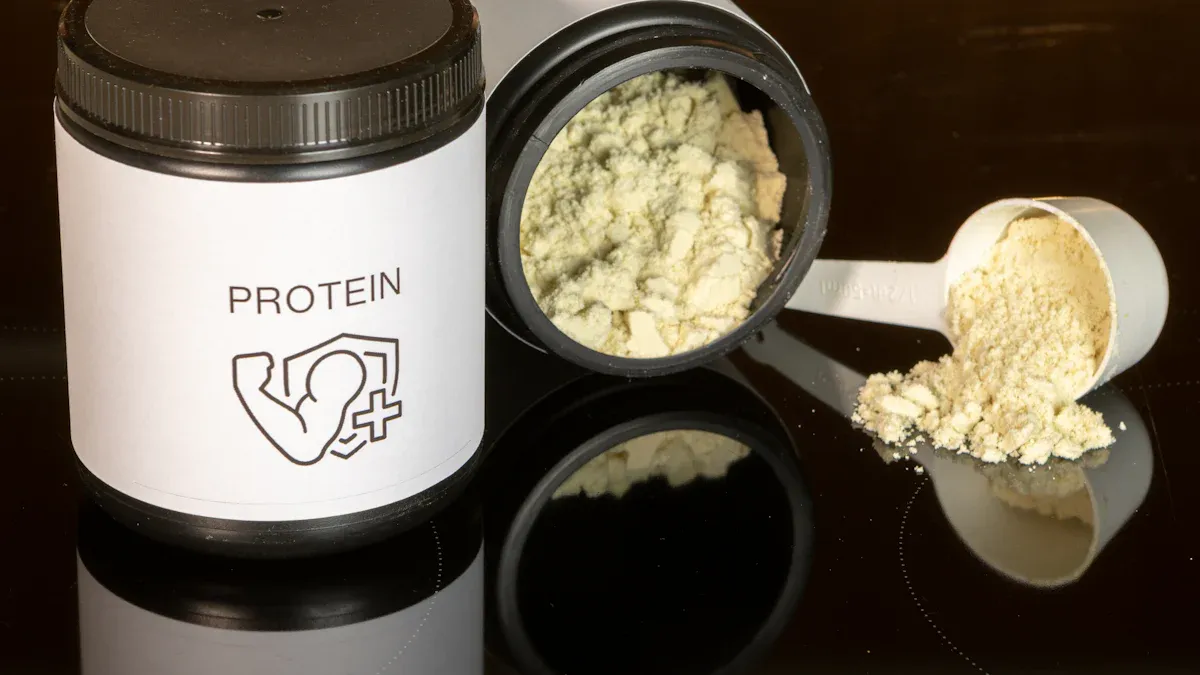
Pea protein peptide powder is produced through a careful enzymatic hydrolysis process. This method uses specific enzymes to break down pea protein into smaller peptides and amino acids. The steps in the process are as follows:
High-quality yellow peas are selected and cleaned.
The peas are milled to extract pea protein isolate.
Enzymatic hydrolysis begins, using enzymes like trypsin or Alcalase to target peptide bonds. This step reduces the size of the protein molecules.
The mixture is filtered to remove any unwanted particles.
The resulting liquid is spray-dried into a fine powder.
Enzymatic hydrolysis not only improves the solubility and absorption of the final product but also helps reduce allergenic potential. By breaking down the protein into smaller pieces, the process creates a hypoallergenic ingredient that is easier to digest.
Product Features
Pea protein peptide powder stands out for its purity and functional benefits. Most of the peptides in this powder have a molecular weight between 500 and 3000 Da, which allows for rapid absorption in the body. The powder is derived from non-GMO peas and contains no gluten, soy, dairy, or tree nuts. This makes it suitable for people with food sensitivities.
BEYOND BIOPHARMA’s pea protein peptide powder is a clean-label product. It does not contain artificial additives or preservatives.
Key features include:
High protein and peptide content
Hypoallergenic profile, suitable for allergy-conscious consumers
Complete water solubility and low viscosity
Neutral taste and light color for easy formulation
Pea protein peptide powder is ideal for use in beverages, meal replacements, and plant-based foods. Its clean-label and allergen-free status make it a popular choice for modern nutrition products.
Benefits and Applications
Nutritional Advantages
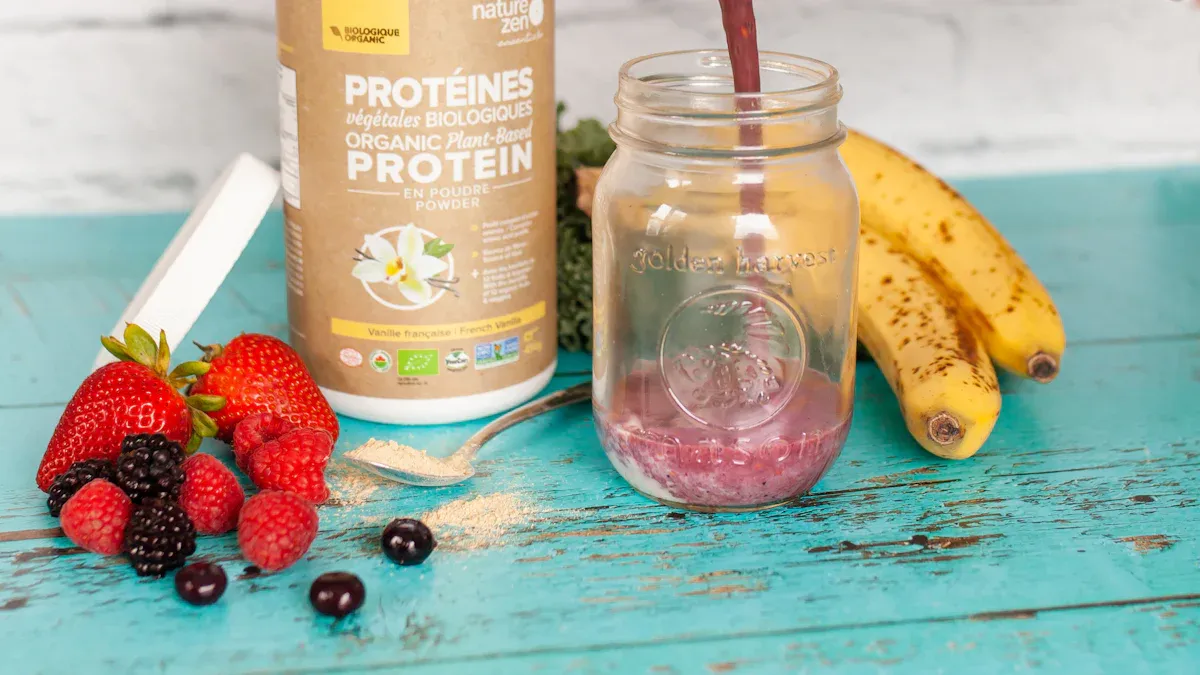
Hydrolyzed pea protein peptide powder offers strong nutritional support for sports nutrition and plant-based diets. It contains a high level of branched-chain amino acids, which help build and repair muscle. Studies show that pea peptide can promote muscle growth after resistance exercise. This makes it a valuable ingredient for muscle recovery and overall recovery in athletes.
Pea protein peptides are quickly absorbed by the body, helping to reduce soreness and speed up recovery after workouts.
Supplementation with pea peptides has been shown to increase muscle thickness and strength, especially in the biceps.
The powder supports muscle recovery by increasing the cross-sectional area of muscle fibers.
These benefits make hydrolyzed pea protein peptide a top choice for sports nutrition and plant-based health products.
B2B Use Cases
Many industries use hydrolyzed pea protein peptide powder because of its versatility and clean label. It fits well in plant-based and sports nutrition products. The following table highlights common B2B applications:
Application Type | Description |
|---|---|
High-protein powder blends | Used in various nutritional products |
Ready-to-drink (RTD) beverages | Popular in the beverage sector |
Clinical nutrition products | Targeted for health and recovery |
Infant formula | Essential for early childhood nutrition |
Protein bars and gels | Convenient protein sources for on-the-go |
Fortified foods for malnutrition | Addressing nutritional deficiencies |
Petfood and aquaculture feed | Expanding market for animal nutrition |
Sports & Clinical Nutrition | Largest end-use sector, consuming 35–40% volume |
Functional Foods & Beverages | Growth in meal replacements and protein-fortified foods |
Plant-based meal replacements, clear beverages, and anti-aging products often include this ingredient for its neutral taste and easy mixing.
Anti-Aging and Gut Health
Hydrolyzed pea protein peptide powder supports anti-aging and gut health. It acts as a prebiotic, feeding helpful gut bacteria and promoting a balanced microbiome. A healthy gut is important for immune function and overall health. The powder contains antioxidants that help fight cell-damaging free radicals, which is key for anti-aging. It may also help lower blood pressure and prevent diabetes.
Plant peptides promote the growth of beneficial microorganisms in the gut.
Antioxidants in the powder support anti-aging by protecting cells.
Many anti-aging formulas and plant-based sports nutrition products use this ingredient for its health benefits.
The combination of plant origin, sports nutrition support, and anti-aging effects makes hydrolyzed pea protein peptide powder a valuable choice for modern health-focused products.
Market Trends & Growth
Demand Drivers
Many factors are fueling the growth of hydrolyzed pea protein peptide powder in the B2B market. Companies see strong demand in several areas:
Clinical and sports nutrition products are growing in popularity.
More people want plant-based and allergen-free nutrition.
Health-conscious consumers look for functional foods and dietary supplements.
Sustainability also plays a big role. Brands are choosing organic and clean label products. They want to use eco-friendly production methods. The clean label movement encourages companies to be open about their supply chains. This helps build trust with customers. Many people are switching to plant-based diets. This shift increases the use of pea protein in foods and drinks.
Innovation in Pea Protein Peptides
Recent advances in hydrolyzed pea protein peptides are changing the market. The table below highlights some key innovations:
Innovation Type | Description |
|---|---|
Hydrolysis Technology | Multi-enzyme hydrolysis improves absorption and bioavailability. |
Customization Options | Companies can create products for specific health needs. |
Functional Benefits | Pea peptides support muscle health, metabolic balance, and heart wellness. |
These innovations help B2B buyers meet the needs of different markets. They can offer products that support muscle recovery, metabolism, and cardiovascular health.
Comparison with Hydrolyzed Fish Collagen Peptides
B2B buyers often compare pea protein peptides with hydrolyzed fish collagen peptides. Both ingredients support health, but they have different strengths. Hydrolyzed fish collagen peptides are well known for their benefits to skin, hair, and nails. They also play a key role in joint health. Many sports nutrition and wellness brands use hydrolyzed fish collagen peptides to support joint comfort and flexibility. Pea protein peptides, on the other hand, are plant-based and hypoallergenic. They fit well in vegan and allergen-free products.
Hydrolyzed fish collagen peptides are often chosen for joint support in aging populations. They help maintain cartilage and reduce joint discomfort. Premium hydrolyzed fish collagen peptide solutions offer high purity and strong results for joint care. Pea protein peptides do not contain animal ingredients, so they are ideal for plant-based product lines. B2B buyers can select the best option based on their target market and product goals.
Quality & Procurement Guide
Quality Standards
Hydrolyzed pea protein peptide powder must meet strict quality standards for B2B buyers. The production process follows internationally recognized guidelines. Manufacturers use GMP and ISO systems to ensure each batch is safe and consistent. Clean-label requirements are also important. These standards mean the product contains no artificial additives or hidden ingredients.
The table below shows key compliance areas for hydrolyzed pea protein peptide powder:
Compliance Area | HydroPea® Status |
|---|---|
EU Novel Food Regulation (2015/2283) | Not classified as novel food |
EU Organic Regulation (2018/848) | Compatible for organic formulations |
EU Allergen Regulation (1169/2011) | Free from all 14 declared allergens |
EFSA Protein Quality Standards | PDCAAS > 0.93 |
EU Contaminant Limits (heavy metals) | Fully compliant |
Kosher & Halal | Dual certified |
Hydrolyzed pea protein peptide powder must also pass tests for heavy metals and microbiological safety. Each batch receives a Certificate of Analysis. This document confirms the product meets all safety and purity requirements. The powder is free from gluten, dairy, and soy. It is suitable for vegan and hypoallergenic skin care applications.
Tip: Always request a batch-specific Certificate of Analysis and Safety Data Sheet. These documents prove the hydrolyzed product meets all quality and safety standards.
Certifications & Compliance
Certifications play a major role in B2B procurement. Hydrolyzed pea protein peptide powder should come with clear documentation. This helps buyers confirm the product’s origin and safety. The most common certifications include organic, non-GMO, vegan, gluten-free, and dairy-free.
Certification Type | Documentation Required |
|---|---|
Organic | Organic certificate |
Non-GMO | Non-GMO statement |
Vegan | Allergen statement |
Gluten-free | COA |
Dairy-free | SDS |
Manufacturers provide several documents with each shipment:
Certificates of Analysis (COA)
Safety Data Sheets (SDS)
Allergen statements
Specification sheets
Technical documents
Hydrolyzed pea protein peptide powder must also comply with EU and US food safety laws. The powder is free from all 14 major allergens. It is suitable for sensitive skin and clean-label food products. Kosher and Halal certifications expand its use in global markets.
Note: Always check that the hydrolyzed product is manufactured under GMP and ISO 22000:2005 standards. This ensures high quality and safety for every batch.
Negotiation Tips
Strong procurement practices help buyers secure the best hydrolyzed pea protein peptide powder. Due diligence is the first step. Buyers should verify the supplier’s business registration, physical address, and contact information. This confirms the supplier is legitimate.
Follow these steps for reliable sourcing:
Verify the supplier’s business details and contact information.
Request batch-specific Certificates of Analysis for every order.
Insist on independent testing of hydrolyzed samples before placing bulk orders.
Buyers should also review the supplier’s track record. Ask for references from other B2B clients. Reliable suppliers provide documentation, such as third-party test results and certificates of analysis. This paperwork proves the hydrolyzed product’s quality and compliance.
When negotiating contracts, focus on clear terms. Set expectations for delivery times, minimum order quantities, and payment terms. Discuss packaging options and labeling needs for your specific formulation. Reliable suppliers offer flexibility and support for custom requests.
Callout: Open communication with your supplier helps prevent misunderstandings. A strong relationship ensures a steady supply of high-quality hydrolyzed pea protein peptide powder for your skin care or nutrition products.
Buyers should also ask about logistics support. This includes shipping options and documentation for customs clearance. Volume discounts may be available for large orders. Always confirm the supplier’s annual production capacity to avoid supply chain disruptions.
Hydrolyzed pea protein peptide powder is a key ingredient in many skin care and nutrition formulations. Careful procurement and strong supplier relationships help B2B buyers maintain product quality and meet market demand.
Formulation & Manufacturing
Integration in Product Development
Hydrolyzed pea protein peptide powder offers flexibility for B2B product development. Its high solubility allows it to dissolve quickly in both hot and cold liquids. This property makes it suitable for clear beverages, meal replacements, and plant-based dairy alternatives. Low viscosity ensures that the powder does not thicken drinks or foods, which helps maintain a smooth texture and pleasant mouthfeel. Many manufacturers choose this ingredient because it blends easily with other nutrients and flavors.
The demand for protein ingredients is increasingly application-specific. Companies now look for more than just protein content. They want ingredients with precise functional attributes, such as solubility and viscosity. These features are essential for effective incorporation into formulations and for enhancing the final product's texture. For example, in joint support beverages, a smooth and clear appearance is important. Pea protein peptides can help achieve this goal.
Tip: Always test the powder in your specific formula. Adjust the mixing speed and temperature to get the best results.
Handling & Storage
Proper handling and storage keep hydrolyzed pea protein peptide powder fresh and effective. The powder should be stored in moisture-proof aluminum foil bags and cartons. This packaging protects it from humidity and light, which can affect quality. Clean and dry storage areas help prevent contamination.
The table below summarizes the shelf life and storage requirements:
Shelf Life | Storage Requirements |
|---|---|
24 months | Moisture-proof aluminum foil bags and cartons recommended |
Following these guidelines ensures the powder maintains its nutritional value and functional properties. Reliable storage also supports consistent results in joint support products and other applications.
Actionable B2B Recommendations
Best Practices
B2b buyers should follow a clear set of best practices when sourcing hydrolyzed pea protein peptide powder. These steps help ensure that products meet high standards and support business growth. The table below highlights key evaluation factors and their importance:
Evaluation Factor | Importance |
|---|---|
Quality Consistency | High |
Production Capacity | High |
Certifications (GMP, HACCP, ISO, FSSC22000) | High |
Technical Support & Customization | High |
Global Export Experience | High |
Quality consistency ensures that every batch of products delivers the same nutritional value and safety. Production capacity supports large orders and steady supply. Certifications like GMP and ISO show that the manufacturer follows strict safety rules. Technical support helps b2b buyers develop new products or adjust existing ones. Global export experience means the supplier can handle shipping and regulations in different countries.
Tip: Always request documentation for certifications and ask about technical support for your products.
Common Pitfalls
Some mistakes can lead to problems in the supply chain. B2b buyers should watch for these common pitfalls:
Ignoring the need for batch testing can result in products that do not meet quality standards.
Overlooking production capacity may cause delays in product delivery.
Failing to check certifications can put products at risk for recalls.
Not asking about technical support may limit the ability to create new products or improve hydration blends.
Choosing suppliers without global export experience can lead to customs issues.
Hydrolyzed pea protein peptide powder is used in many products, from sports drinks to hydration supplements. Careful planning and supplier evaluation help b2b buyers avoid these pitfalls and ensure their products reach the market successfully.
Sourcing premium hydrolyzed pea protein peptide powder brings clear advantages for B2B buyers.
Benefit | Description |
|---|---|
Competitive Edge | Trusted sourcing strengthens your market position. |
Nutritional Fortifier | Enhances food products with added health value. |
Versatile Applications | Fits a wide range of food and nutrition industries. |
To improve procurement and supply chain efficiency:
Focus on ingredient functionality and supply resilience.
Build strong relationships with growers.
Ensure transparent labeling and consistent quality.
Choose reliable partners to support innovation and long-term growth.
FAQ
What certifications does BEYOND BIOPHARMA’s Hydrolyzed Pea Protein Peptide have?
BEYOND BIOPHARMA’s product holds GMP and ISO certifications. It is also Kosher and Halal certified. These certifications ensure safety, quality, and global market acceptance.
Is the pea protein peptide powder suitable for allergen-free formulations?
Yes. The powder contains no gluten, dairy, soy, or tree nuts. It fits allergen-free and vegan product lines.
How should hydrolyzed pea protein peptide powder be stored?
Store the powder in moisture-proof aluminum foil bags and cartons. Keep it in a cool, dry place. This protects its quality and extends shelf life.
What are the main B2B applications for this ingredient?
Sports nutrition
Ready-to-drink beverages
Meal replacements
Clinical nutrition
Plant-based dairy alternatives
These applications benefit from the powder’s high solubility and neutral taste.