Hydrolyzed Fish Collagen Powder Benefits and Risks in 2026
Hydrolyzed fish collagen powder remains a popular choice in dietary supplements. High absorption rates and rigorous third-party testing support its safety. Individuals following keto, paleo, or gluten-free diets often benefit, while vegans and vegetarians should avoid it. Market statistics highlight growing consumer demand and preference for sustainable sources.
| Statistic | Value |
|---|---|
| Fish collagen market share | Over 60% |
| Percentage of consumers paying premium | 35% |
Hydrolyzed Fish Collagen Powder Overview
Definition and Source
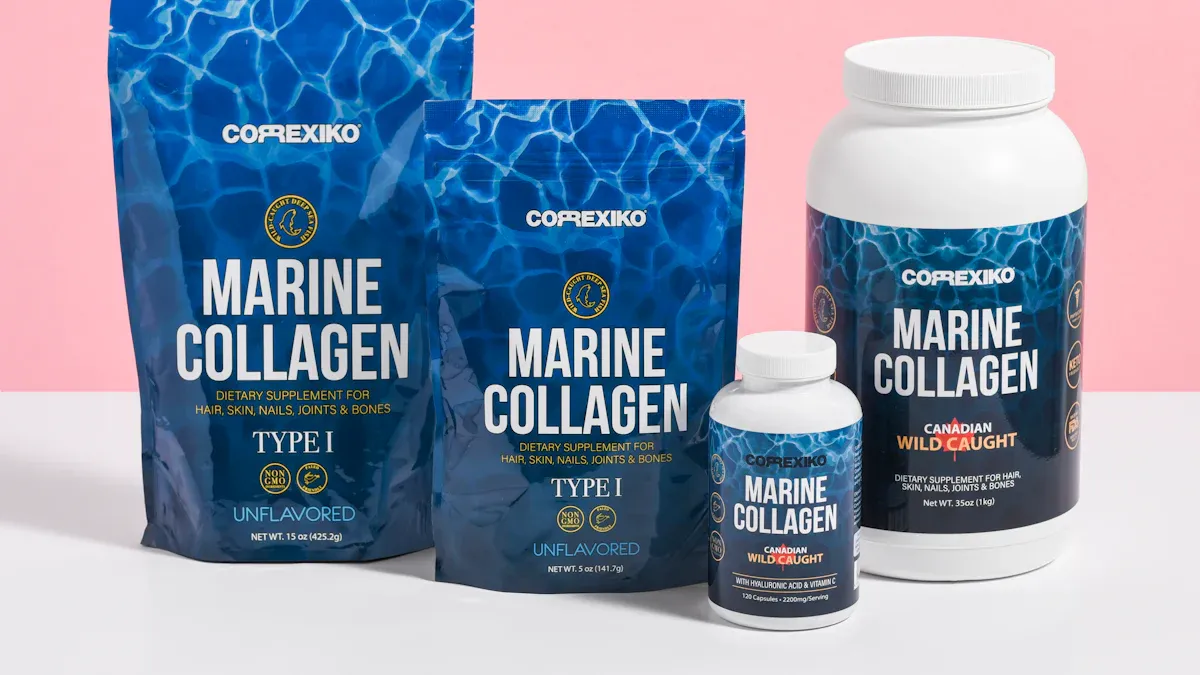
Hydrolyzed fish collagen powder refers to a protein supplement derived from marine sources. Manufacturers extract collagen from fish skin, scales, cartilage, and connective tissues. They use enzymatic hydrolysis to break down collagen into smaller peptides, which improves absorption. This process produces a versatile supplement suitable for various dietary needs.
Marine collagen sources offer sustainability and high bioavailability. Many brands prioritize fish byproducts to reduce waste and support eco-friendly practices.
The following table outlines the primary sources and their associated benefits:
| Source Type | Collagen Type | Benefits |
|---|---|---|
| Fish skin & scales | Type I | Skin elasticity, anti-aging, hair & nails |
| Fish cartilage | Type II | Joint support, cartilage maintenance |
| Fish connective tissues | Type III | Skin healing, vascular health, firmness |
| Fish byproducts | Marine Collagen | High absorption, sustainable, versatile |
Nutritional Properties
Hydrolyzed fish collagen powder contains essential amino acids, including glycine, proline, and hydroxyproline. These components support skin, hair, nails, and joint health. The supplement provides a concentrated protein source with minimal fat and carbohydrates, making it suitable for low-carb and high-protein diets.
- Type I collagen promotes skin hydration and reduces fine lines.
- Type III collagen supports elasticity and vascular health.
The table below compares collagen types and their benefits:
| Type of Collagen | Benefits | Common Sources |
|---|---|---|
| Type I | Essential for skin, hair, nails, bones, and connective tissues; supports skin hydration and reduces fine lines. | Fish, Bovine |
| Type III | Supports skin elasticity and is vital for blood vessels and organ structure. | Bovine, marine blends |
Hydrolyzed fish collagen powder stands out for its high absorption rate and compatibility with multiple dietary patterns.
Hydrolyzed Fish Collagen Powder Pros for Different Diets
Keto Diet Benefits
Hydrolyzed fish collagen powder offers several advantages for individuals following a keto diet. The supplement contains zero carbohydrates, which helps maintain ketosis. It provides a high-quality protein source that supports muscle maintenance and satiety. Many keto dieters engage in physical activity, and collagen assists in preserving joint health and cartilage integrity. The hydrolyzed form ensures rapid absorption, making it suitable for those seeking efficient nutrient delivery. Collagen also enhances recovery and helps manage cravings by promoting feelings of fullness.
- Zero carbs support ketosis.
- Protein aids muscle maintenance and satiety.
- Collagen maintains joint health for active lifestyles.
- Rapid absorption benefits keto users.
- Enhances recovery and appetite control.
Paleo Diet Benefits
Hydrolyzed fish collagen powder aligns well with paleo diet principles. The supplement derives from fish by-products, which fits the paleo emphasis on natural foods. It contains high protein density and zero carbohydrates, supporting daily protein intake without violating paleo restrictions. The powder remains popular among paleo, keto, and low-carb diet followers, reinforcing its compatibility.
| Feature | Description |
|---|---|
| Protein Content | High protein density, suitable for increasing daily protein intake |
| Carbohydrate Levels | Zero carbohydrates, aligning with paleo diet restrictions |
| Source | Derived from fish by-products, consistent with natural food emphasis |
| Usage in Diets | Popular in keto, paleo, and low-carb diets |
Low-Carb Diet Benefits
Hydrolyzed fish collagen powder serves as a valuable supplement for low-carb diet participants. The powder provides essential amino acids that enhance muscle mass and strength. These nutrients support muscle repair and growth, which is crucial for individuals limiting carbohydrate intake. Studies show improved metabolic outcomes in low-carb users who consume marine collagen. Clinical trials and experimental research indicate better fasting blood glucose, insulin sensitivity, and reduced inflammation.
| Study Type | Findings | Population | Supplementation Details |
|---|---|---|---|
| RCT | Improved FBG, insulin, HbA1c, hs-CRP, free FAs, NO | Type 2 diabetes patients | 13 g/d marine collagen for 3 months |
| Experimental | Lower pro-inflammatory cytokines, better glucose tolerance | Diabetic mice | 30 and 45 g/l marine collagen for 15 days |
| Experimental | Decreased insulin concentration, improved HOMA-IR | High-fat fed mice | 100, 200, and 300 mg/kg marine collagen for 8 weeks |
| Experimental | Improved glucose metabolism, insulin resistance | Rat model of diabetes | 2.25, 4.5, and 9 g/kg/d marine collagen for 4 weeks |
Mediterranean Diet Benefits
Hydrolyzed fish collagen powder fits seamlessly into the Mediterranean diet. Collagen supplements provide a convenient way to increase protein intake, and hydrolyzed peptides dissolve easily in water, making them versatile for daily use in various foods. Research highlights the antioxidant properties of marine collagen, which may benefit cardiovascular health. Collagen derived from salmon skin scavenges free radicals and reduces oxidative stress, while peptides from Spanish mackerel inhibit lipid peroxidation and protect vascular health.
A study by Lee et al (2022) shows that hydrolyzed fish collagen, due to its low molecular weight, can effectively penetrate the skin barrier, enhancing anti-aging properties when consumed.
Vegan and Vegetarian Diet Considerations
Hydrolyzed fish collagen powder does not suit vegans and vegetarians. The supplement derives from fish by-products, which conflicts with ethical dietary choices. Many vegan collagen products do not contain actual collagen, leading to confusion in the market. Plant-based alternatives have emerged, offering similar benefits for skin, hair, and joint health. These products help the body produce its own collagen and align with vegan and vegetarian lifestyles.
| Plant-Based Alternative | Benefits | Notes |
|---|---|---|
| New plant-based products | Match benefits of traditional collagen | Support skin, hair, and joint health |
| Various production methods | Aid body in producing collagen | Work differently from traditional hydrolysate |
- Vegan alternatives provide similar benefits to marine collagen.
- Many effective options exist for those avoiding animal-derived supplements.
Gluten-Free Diet Benefits
Hydrolyzed fish collagen powder is generally safe for individuals following a gluten-free diet. Most marine collagen powders are gluten-free due to their refined extraction process. Marine sources reduce the risk of gluten contamination. Consumers should check for gluten-free certifications and third-party testing to ensure product safety.
- Marine collagen is typically gluten-free.
- Refined extraction process minimizes contamination risk.
- Certifications and testing confirm safety for gluten-free users.
Hydrolyzed Fish Collagen Powder Cons and Risks for Different Diets
Keto Diet Drawbacks
Some individuals on a keto diet may experience drawbacks when using hydrolyzed fish collagen powder. Improper hydrolysis can result in larger collagen molecules, which may cause digestive discomfort. Excessive intake can overwhelm the digestive system, especially when combined with the high-protein nature of keto diets. Users sometimes report symptoms such as bloating or mild gastrointestinal upset.
- Larger molecules from incomplete hydrolysis may cause discomfort.
- High doses can lead to digestive issues.
- Combining collagen with a high-protein diet may increase the risk of stomach upset.
Paleo Diet Drawbacks
Paleo diet followers should consider several risks associated with marine collagen supplements. People with allergies to fish or shellfish must avoid these products to prevent allergic reactions. Some powders may contain trace amounts of heavy metals, such as lead or mercury, due to environmental contamination. Excessive consumption can also cause digestive discomfort. The supplement industry lacks strict regulation, so product quality and safety can vary. Individuals with kidney disease or a history of kidney stones should consult a healthcare provider before increasing protein intake through collagen.
- Allergic reactions in those sensitive to fish or shellfish.
- Potential contamination with heavy metals.
- Digestive discomfort from high doses.
- Lack of regulation and testing for supplement safety.
- Increased protein intake may not suit people with kidney conditions.
Low-Carb Diet Drawbacks
Low-carb diet users may encounter several risks when consuming hydrolyzed fish collagen powder. Allergic reactions can occur, especially in those with known sensitivities to fish or animal-derived collagen. Symptoms may include hives, itchiness, or, in rare cases, difficulty breathing. Digestive issues such as bloating, constipation, or diarrhea may arise, particularly with large servings. Individuals with sensitive digestive systems, including those with irritable bowel syndrome (IBS), should consult a healthcare professional before use.
- Allergic reactions, including hives or breathing difficulties.
- Digestive issues like bloating, constipation, or diarrhea.
- People with IBS or sensitive digestion should seek medical advice.
Mediterranean Diet Drawbacks
Hydrolyzed fish collagen powder may pose certain risks for those following a Mediterranean diet. Heavy metal contamination remains a concern, although most products stay within regulatory limits. The table below summarizes potential heavy metal risks:
| Heavy Metal | Health Risks | Regulatory Status |
|---|---|---|
| Lead (Pb) | Neurological, respiratory, urinary, and cardiovascular disorders | Generally below regulatory limits |
| Cadmium (Cd) | Degenerative bone disease, kidney, and lung diseases | Generally below regulatory limits |
| Arsenic (As) | Acute and chronic toxicity affecting vital enzymes | Generally below regulatory limits |
| Mercury (Hg) | Various health issues | Generally below regulatory limits |
Allergic reactions to marine collagen remain rare. The allergenic potential is not well understood, and marine collagen is not registered as an allergen by the WHO/IUIS. Enzymatic hydrolysis reduces allergenicity by breaking down collagen into low-molecular-weight peptides. Marine collagen from invertebrates shows minimal allergenicity.
| Aspect | Details |
|---|---|
| Allergenic Potential | Limited understanding; not included in diagnostic exams for fish allergy. |
| WHO/IUIS Registration | Not registered as an allergen. |
| Marine Collagen from Invertebrates | Minimal allergenicity. |
| Processing Techniques | Enzymatic hydrolysis lowers allergenicity. |
Vegan and Vegetarian Diet Risks
Traditional hydrolyzed collagen, including fish collagen, is not suitable for vegans and vegetarians due to its animal-derived nature. There are ethical concerns regarding the consumption of animal products, and health risks may arise from deficiencies in essential nutrients typically found in animal sources, such as glycine and proline.
Some individuals may experience digestive discomfort, even though marine collagen is generally well-tolerated. Reducing the dosage or consulting a healthcare professional can help if discomfort occurs. The hydrophilic nature of collagen may cause diarrhea by attracting water into the gastrointestinal tract.
- Digestive discomfort may occur.
- Diarrhea can result from increased water attraction in the gut.
- Lowering the dose or seeking medical advice is recommended if symptoms persist.
Gluten-Free Diet Risks
Most marine collagen powders are gluten-free, but cross-contamination remains a potential risk. Bovine collagen products may face contamination during processing, especially if cattle consume gluten-containing grains or if facilities process both gluten and non-gluten products. Marine collagen, due to its refined extraction process, offers a safer option for those with gluten sensitivities.
- Cross-contamination can occur in shared processing facilities.
- Marine collagen minimizes gluten risk through refined extraction.
Hydrolyzed Fish Collagen Powder Practical Considerations
Dosage and Usage
Individuals often select dosage based on their health goals. Skin health typically requires 2.5 to 5 grams daily. Joint support benefits from 5 to 10 grams. Muscle recovery calls for 10 to 15 grams. The following table summarizes recommended daily dosages:
| Health Goal | Recommended Dosage (grams) |
|---|---|
| Skin Health | 2.5 to 5 |
| Joint Support | 5 to 10 |
| Muscle Recovery | 10 to 15 |
Healthcare professionals advise starting with a lower dose. They recommend gradual increases to monitor tolerance. Most users mix the powder with water or smoothies for easy consumption.
Sourcing and Purity
Consumers prioritize purity and sustainability when choosing hydrolyzed fish collagen powder. They follow these best practices:
- Select wild-caught fish to reduce contamination risks. Certified fisheries ensure sustainable sourcing.
- Identify products containing Type I collagen. Some blends also offer Type III for additional benefits.
- Choose hydrolyzed collagen with low molecular weight, between 2,000 and 5,000 Daltons, to enhance absorption.
- Look for brands with third-party lab testing and transparent labeling. Independent verification assures safety and quality.
Experts recommend reviewing certificates of analysis before purchasing any supplement.
Integrating Into Meals
Hydrolyzed fish collagen powder dissolves quickly in liquids. Users add it to coffee, tea, yogurt, or soups. The neutral flavor allows seamless integration into recipes. Many athletes incorporate it into post-workout shakes. Home cooks blend it into baked goods for added protein.
Tip: Stir the powder into warm liquids for optimal solubility and texture.
Hydrolyzed fish collagen powder supports skin, joint, and metabolic health for keto, paleo, and gluten-free diets. Individuals with fish allergies or plant-based preferences should avoid it. They should consult a healthcare provider before starting supplementation. Users can enhance their diet by choosing reputable brands and following recommended dosages.
FAQ
What is the best time to take hydrolyzed fish collagen powder?
Most experts recommend taking collagen powder in the morning or after exercise. The body absorbs collagen peptides efficiently during these times.
Can people with seafood allergies use hydrolyzed fish collagen powder?
People with seafood allergies should avoid fish collagen powder. Allergic reactions may occur. Always consult a healthcare provider before starting any new supplement.
Does hydrolyzed fish collagen powder have a taste or odor?
Most high-quality hydrolyzed fish collagen powders have a neutral taste and minimal odor. Users can mix them easily into drinks or recipes without altering flavor.
See Also
Comparing Bovine Gelatin Powder With Fish And Pork Varieties
The Health Benefits of Bovine Gelatin Powder Explained
Key Indicators of High-Quality Bovine Gelatin Powder