New Insights Into the Benefits of Hydrolyzed Fish Collagen
Recent clinical trials highlight remarkable benefits of hydrolyzed fish collagen for skin health.
| Year | Study Type | Key Findings |
|------|------------|--------------|
| 2023 | Double-blind, placebo-controlled | Significant wrinkle reduction, enhanced skin structure after 90 days. |
Health-conscious consumers increasingly choose this supplement for improved skin hydration, elasticity, and overall wellness.
Hydrolyzed Fish Collagen: What It Is

Definition and Sources
Hydrolyzed fish collagen refers to collagen proteins extracted from fish and broken down into smaller peptides for improved absorption. Manufacturers obtain this collagen from various fish parts, including scales, skin, bones, and cartilage. The extraction process involves several steps: preparation, extraction, precipitation, and recovery. Pretreatment removes non-collagenous materials, which increases the yield and purity of the final product.
- Fish scales, rich in type I collagen, require decalcification before extraction.
- Fish skin contains about 70% type I collagen and can be processed using carbon-dioxide acidified water.
- Fish bones need higher extraction temperatures and shorter recovery times.
- Enzymatic treatments, such as pepsin, enhance solubility and bioactivity.
- Ultrasound technology can improve extraction efficiency without damaging the collagen structure.
Note: Hydrolyzed fish collagen produced through enzymatic hydrolysis yields bioactive peptides with antioxidant and regenerative properties, making it suitable for cosmeceutical and nutraceutical applications.
Comparison With Other Collagen Types
Hydrolyzed fish collagen stands out due to its smaller molecular structure and high bioavailability. The following table highlights key differences among common collagen sources:
| Type of Collagen | Source | Molecular Structure | Health Benefits |
|---|---|---|---|
| Hydrolyzed Fish | Skin and bones of fish | Smaller | Improves skin appearance, reduces wrinkles, supports joint and bone health |
| Bovine | Bovine bones | Larger | Useful for osteoarthritis, supports bone metabolism |
| Porcine | Porcine skin and bones | Larger | Similar to bovine, may cause higher inflammatory reactions |
Marine collagen, especially from fish, provides type I collagen, which is essential for skin health. It absorbs 1.5 times better than bovine collagen, leading to faster results in skin and joint support. Hydrolyzed fish collagen also shows enhanced consumer satisfaction due to its superior absorption and effectiveness in improving skin elasticity and hydration.
How Hydrolyzed Fish Collagen Works in the Body
Bioavailability and Absorption
Hydrolyzed fish collagen demonstrates superior bioavailability compared to other collagen types. Its low molecular weight, typically between 0.3 and 8 kilodaltons, allows for efficient digestion and absorption. The human body can absorb these small peptides quickly, distributing them into the dermis. These peptides remain in the skin for up to 14 days, where they contribute to the formation of new collagen and elastin fibers. This process supports the skin’s structure and elasticity.
The following table compares the bioavailability and absorption efficiency of different collagen sources:
| Type of Collagen | Bioavailability | Molecular Weight | Absorption Efficiency |
|---|---|---|---|
| Fish Collagen | Superior | Lower | Higher |
| Bovine Collagen | Moderate | Higher | Lower |
| Porcine Collagen | Moderate | Higher | Lower |
Hydrolyzed fish collagen’s high absorption efficiency makes it a preferred choice for individuals seeking visible improvements in skin health.
The Gut-Skin Axis
The gut-skin axis describes the connection between digestive health and skin appearance. Collagen peptides from fish influence the gut microbiome by increasing beneficial bacteria such as Bifidobacterium and Lactobacillus. These changes can help reduce gut dysbiosis, which often relates to skin conditions like eczema.
| Evidence Description | Impact on Gut-Skin Axis |
|---|---|
| Collagen peptides influence the gut microbiome composition, increasing beneficial bacteria like Bifidobacterium and Lactobacillus. | This may help reduce gut dysbiosis, which is relevant for skin conditions like eczema. |
| Collagen helps maintain intestinal barrier integrity through amino acids like glycine and glutamine. | A stronger intestinal barrier can reduce inflammation that affects skin health. |
| Collagen supports the gut-skin axis by strengthening intestinal tight junctions, reducing inflammatory cytokine production, and promoting beneficial bacteria growth. | These actions collectively improve skin health by addressing underlying gut issues. |
| Gut bacteria produce SCFAs that help skin by reducing inflammation and strengthening the skin barrier. | Collagen peptides feed beneficial gut bacteria, enhancing their positive effects on skin health. |
By supporting the gut microbiome and intestinal barrier, hydrolyzed fish collagen helps reduce inflammation and promotes healthier skin.
Scientific Studies on Hydrolyzed Fish Collagen
Skin Health and Anti-Aging Benefits
Recent clinical research highlights the effectiveness of hydrolyzed fish collagen in promoting skin health and reducing visible signs of aging. Scientists have conducted randomized controlled trials to evaluate its impact on skin elasticity, moisture, and wrinkle reduction. The following table summarizes key findings from recent studies:
| Study Description | Findings | Duration | Participants |
|---|---|---|---|
| RCT on collagen hydrolysate with bioactive dipeptides | Significant improvement in skin moisture, elasticity, and reduction in wrinkles | 2 months | 85 Chinese women aged 35+ |
| Double-blinded RCT on low molecular weight collagen | Noteworthy elevations in skin hydration and improved skin elasticity and wrinkling | 3 months | 64 Korean women aged 40+ |
| RCT with varying doses of collagen hydrolysate | Statistically significant rise in skin elasticity and moisture | 60 days | Elderly women in 4 groups |
These studies show that consistent supplementation with hydrolyzed fish collagen leads to measurable improvements in skin hydration and elasticity. Participants experienced fewer wrinkles and enhanced skin structure within two to three months. Researchers also observed that collagen peptides increase dermal collagen density, which supports a firmer and more youthful appearance.
Note: A 2019 review in the Journal of Drugs in Dermatology found that oral collagen supplements improved skin elasticity, hydration, and dermal collagen density after 8–12 weeks of consistent use.
Joint and Connective Tissue Support
Hydrolyzed fish collagen also plays a role in supporting joint health and connective tissue repair. Several studies have investigated its effects on joint pain, function, and cartilage health. The following points summarize the main findings:
- Researchers found that daily supplementation with 1.2 g of hydrolyzed collagen improved joint pain and function after six months.
- Higher doses, such as 10 g per day, produced similar benefits in joint comfort and mobility over the same period.
- Scientists observed an increase in proteoglycan content in knee cartilage after 24 weeks of treatment, indicating enhanced cartilage health.
- Collagen peptides stimulate the synthesis of extracellular matrix macromolecules, which are essential for cartilage repair and maintenance.
These results suggest that hydrolyzed fish collagen may benefit individuals with joint discomfort or those seeking to maintain healthy connective tissues. Improvements in joint function and reductions in pain can enhance quality of life, especially for older adults or those with active lifestyles.
Other Health Effects
Beyond skin and joint benefits, hydrolyzed fish collagen offers additional health advantages. Researchers have identified several noteworthy effects:
- Specific peptides from hydrolyzed collagen appear in human blood shortly after ingestion, demonstrating rapid and effective absorption.
- Supplementation enhances skin hydration and elasticity, which are critical for maintaining healthy skin.
- Collagen peptides may help repair the skin barrier and accelerate wound healing.
- Hydrolyzed collagen is recognized as a leading nutraceutical for skin anti-aging.
These findings reinforce the value of hydrolyzed fish collagen as a multifunctional supplement. Its ability to support skin, joints, and overall wellness makes it a popular choice among health-conscious individuals.
Mechanisms Behind Hydrolyzed Fish Collagen Benefits
Collagen Peptides and Cellular Activity
Collagen peptides from hydrolyzed fish collagen penetrate deep into the skin layers. These small peptides enhance hydration by increasing Natural Moisturizing Factors such as serine and hydroxyproline. Cells in the dermis respond to these peptides by producing more collagen and elastin, which strengthens the skin’s structure. This process supports tissue regeneration and helps maintain skin integrity. The peptides also promote wound healing, which is essential for restoring skin function after injury. Marine collagen, especially from fish, contains type I collagen that supports both skin structure and hair follicle health. This makes it effective for improving skin appearance and promoting hair regrowth.
Antioxidant and Regenerative Properties
Bioactive peptides in hydrolyzed fish collagen exhibit strong antioxidant properties. These peptides protect cells from oxidative stress, which plays a major role in skin aging. The antioxidant effect comes from the ability of smaller peptides to stabilize free radicals. Amino acids like proline and glycine contribute to the regenerative capabilities of fish collagen by accelerating healing and improving overall skin health. Marine collagen’s high bioavailability allows for better absorption and effectiveness compared to other protein supplements. The presence of hydroxyproline and hydroxylated proline further supports antioxidative activity and hair growth. These combined properties make hydrolyzed fish collagen a valuable supplement for those seeking enhanced skin regeneration and protection against environmental stressors.
Practical Applications of Hydrolyzed Fish Collagen
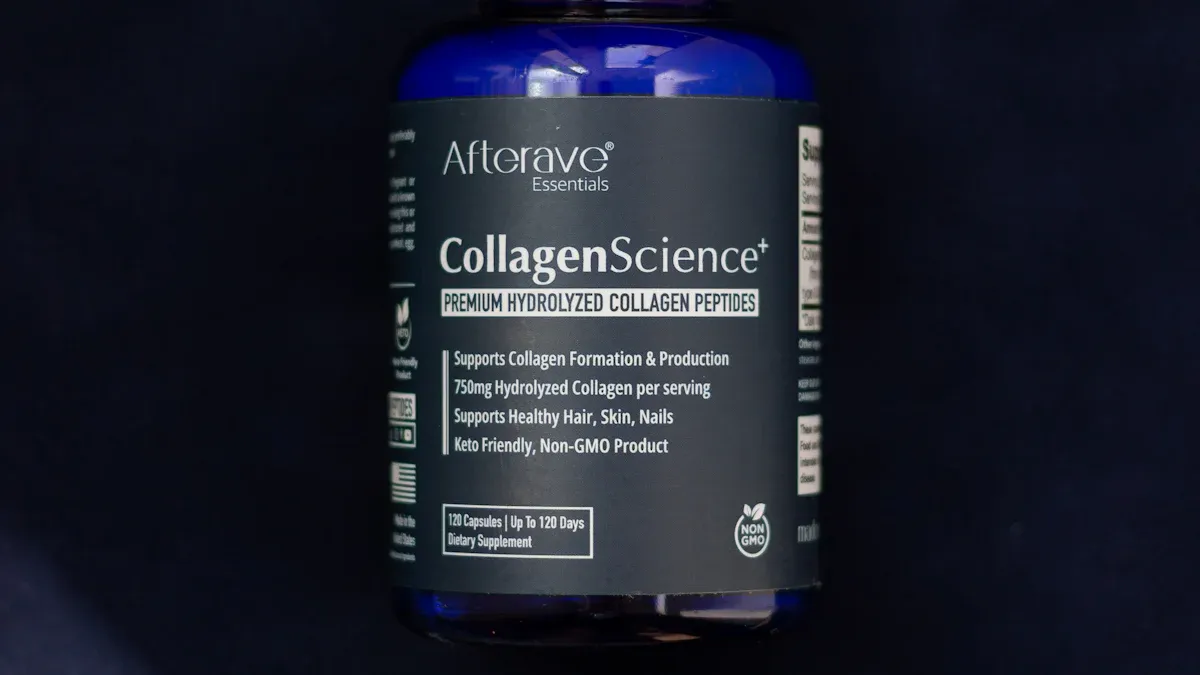
Who Benefits Most
Hydrolyzed fish collagen delivers measurable benefits to specific demographic groups. Clinical studies reveal that older adults experience notable improvements in skin hydration and elasticity. Post-menopausal women report pain relief and structural preservation in joints. These findings highlight the supplement’s versatility for age-related concerns.
| Demographic Group | Benefits Observed |
|---|---|
| Older Adults | Significant improvements in skin hydration and elasticity |
| Post-Menopausal Women | Pain relief and structural preservation in joints |
Individuals with active lifestyles, athletes, and those recovering from injuries also gain advantages. Collagen supplementation supports joint comfort and tissue repair. People seeking enhanced skin appearance or prevention of age-related changes find hydrolyzed fish collagen especially valuable.
Tip: Those with dietary restrictions or sensitivities to bovine or porcine sources often prefer marine collagen for its purity and hypoallergenic profile.
Usage Guidelines and Dosage
Researchers recommend specific dosages based on health goals. For skin health, 2.5 grams per day provides visible improvements. Joint health requires higher amounts, with 10 grams daily supporting mobility and comfort. Muscle mass enhancement calls for 15 grams per day. Dosage varies by condition and product formulation.
| Health Goal | Recommended Dosage |
|---|---|
| Skin health | 2.5 grams |
| Joint health | 10 grams |
| Muscle mass | 15 grams |
| Condition | Recommended Dosage |
|---|---|
| Joint pain | 2 mg to 10 g |
| Bone density | 5 g |
| Healthy skin aging | 372 mg to 10 g |
| Muscle mass | 15 g |
| Preparation | Recommended Dosage |
|---|---|
| NATICOL® | 2.5 g to 5 g |
| Enhanced anti-aging | 5 g to 10 g |
Manufacturers advise users to follow product-specific instructions. Consistent daily intake optimizes results. Individuals should consult healthcare professionals before starting supplementation, especially if they have underlying health conditions.
Limitations and Considerations for Hydrolyzed Fish Collagen
Research Gaps and Limitations
Current research on hydrolyzed fish collagen shows promising results, but several gaps remain. Many studies report moderate to very poor quality of evidence. Researchers have not conducted enough independent or high-quality trials to confirm the therapeutic effects of collagen derivatives, especially for osteoarthritis. Scientists have not yet measured the absorption of collagen-derived peptides in the human gastrointestinal tract or bloodstream. Studies evaluating the digestion and bioavailability of collagen-derived amino acids and peptides in humans are still needed.
- The overall quality of evidence ranges from moderate to very poor.
- Few independent, high-quality studies assess therapeutic effects, particularly for osteoarthritis.
- No studies have quantitatively measured peptide absorption in the gut or circulation.
- More research is needed on digestion and bioavailability in humans.
These gaps highlight the need for further investigation before making broad recommendations.
Safety and Side Effects
Hydrolyzed fish collagen generally holds a strong safety profile. The US Food and Drug Administration (FDA) granted GRAS (Generally Recognized as Safe) status for collagen in 1983. Most users tolerate the supplement well, but some may experience mild digestive issues, such as stomach upset, heartburn, bloating, gas, constipation, or diarrhea. Allergic reactions can occur, including rash, itching, nausea, vomiting, headache, joint pain, facial swelling, trouble swallowing, or shortness of breath. Rare skin reactions, such as Stevens-Johnson syndrome, have been reported with fish-derived collagen.
- Mild digestive symptoms may appear in some individuals.
- Allergic reactions, though uncommon, can be serious.
- Rare but severe skin reactions have occurred.
Collagen supplements may interact with other dietary ingredients, especially herbal extracts. Individuals should consult a healthcare professional before combining supplements.
Hydrolyzed fish collagen supports joint, skin, gut, and hair health, as shown below:
| Benefit | Description |
|---|---|
| Joint Health | Promotes cartilage regeneration, reduces inflammation, alleviates pain. |
| Skin Health | Improves skin elasticity and hydration, supporting anti-aging effects. |
| Gut Health | Aids in maintaining gut lining integrity, potentially improving digestive health. |
| Hair and Nails | Users report enhanced quality of hair and nails with supplementation. |
Individuals may experience improved skin appearance and joint comfort. They should consult physicians before starting supplementation. Future research will focus on better production methods, sustainable sources, and improved formulations.
FAQ
What makes hydrolyzed fish collagen different from bovine collagen?
Hydrolyzed fish collagen absorbs faster due to its smaller peptides. It contains mainly type I collagen, which supports skin health more effectively than bovine sources.
Can people with seafood allergies use hydrolyzed fish collagen?
Individuals with seafood allergies should avoid hydrolyzed fish collagen. Allergic reactions may occur, so they should consult a healthcare provider before use.
How long does it take to see results from supplementation?
Most studies report visible improvements in skin hydration and elasticity after 8 to 12 weeks of consistent daily use.
See Also
Comparing Bovine Gelatin Powder With Fish And Pork Options
The Health Benefits Of Bovine Gelatin Powder Explained
Key Indicators Of High-Quality Bovine Gelatin Powder
Creative Methods To Incorporate Bovine Gelatin Powder In Cooking
Benefits Of Opting For Eco-Friendly Bamboo Cosmetic Packaging