Hydrolyzed Collagen Peptides Honest Pros and Cons Review
Many individuals seek to improve their health and appearance with supplements. Hydrolyzed collagen peptides offer potential benefits for skin, joints, and hair. Some users experience positive changes. However, others report minimal results or express concerns about safety and cost. Careful consideration of the pros and cons remains essential.
Pros of Hydrolyzed Collagen Peptides
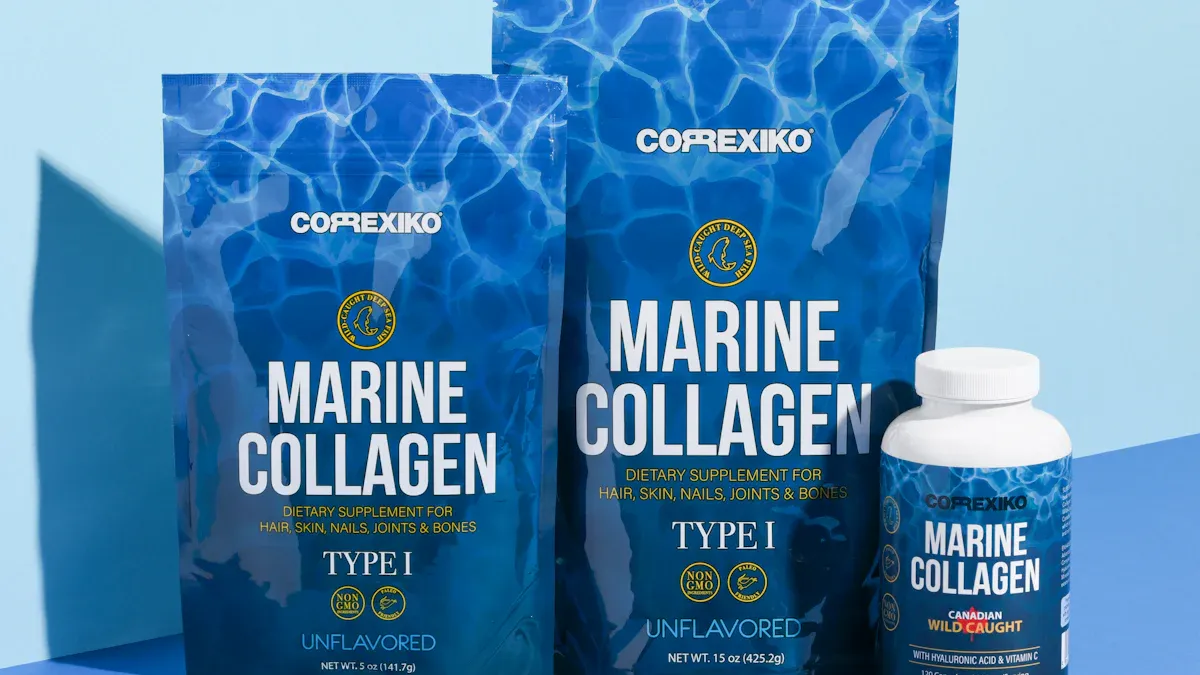
Skin Health Benefits
Hydrolyzed collagen peptides have gained popularity for their impact on skin appearance and texture. Many individuals seek these supplements to address concerns such as dryness, loss of elasticity, and visible aging. Clinical research supports these claims:
A systematic review and meta-analysis of 26 randomized controlled trials (RCTs) involving 1,721 patients demonstrated that hydrolyzed collagen supplementation significantly improved skin hydration (Z = 4.94, p < 0.00001) and elasticity (Z = 4.49, p < 0.00001) compared to the placebo group.
Additional studies highlight measurable improvements in several skin metrics:
- Skin elasticity increased (SMD = 0.32, P < 0.001)
- Hydration improved (SMD = 0.33, P < 0.05)
- Roughness reduced (SMD = -0.71, P < 0.001)
- Collagen peptide complexes further enhanced skin elasticity (SMD = 0.70, P < 0.001)
These findings suggest that consistent use of hydrolyzed collagen peptides can help individuals achieve smoother, more hydrated, and resilient skin.
Joint and Bone Support
Joint discomfort and declining bone density affect many adults, especially with age or increased physical activity. Hydrolyzed collagen peptides provide structural proteins that support cartilage and bone health. Peer-reviewed studies report several benefits:
- Collagen hydrolysate supplementation improves joint health and relieves pain.
- Participants taking collagen experience greater improvement in hip bone mass compared to those on placebo or glucosamine HCl.
A randomized, placebo-controlled trial found that 5 grams of specific collagen peptides daily significantly increased bone mineral density in postmenopausal women, especially in the lumbar spine and femoral neck. This result indicates a positive impact on bone strength and resilience.
When comparing hydrolyzed collagen peptides to glucosamine, both supplements offer joint support, but their mechanisms and effectiveness differ:
| Supplement | Mechanism of Action | Effectiveness |
|---|---|---|
| Glucosamine | Stimulates cartilage production and inhibits breakdown enzymes. | May provide faster joint pain relief and rebuild joints. |
| Collagen | Provides building blocks for joint and cartilage repair. | May improve pain and mobility, especially in osteoarthritis, with prolonged use. |
Research suggests that collagen may have a more pronounced effect on pain and mobility improvements in individuals with osteoarthritis, particularly with long-term use.
Hair and Nail Improvements
Many users turn to hydrolyzed collagen peptides to enhance hair and nail quality. Clinical studies have documented the following outcomes:
- Thicker, shinier hair with reduced breakage
- Stronger nails that are less likely to crack or split
- Faster growth from healthier nail beds and hair follicles
- Reduced brittleness due to improved keratin support
A 12-week study using Oral Microcore’s Muttaijow ComplexTM reported significant improvement in hair thickness, reduced split ends, hair loss, and breakage. Nail growth rate increased by 12%, and brittle nails decreased by 42%. Another 90-day trial with Bioactive Collagen Peptides showed improved hair strength and density, especially in aged hair.
Users often notice early changes, such as reduced hair shedding and improved texture, within 4 to 8 weeks. By 8 to 12 weeks, many experience thicker, stronger hair and faster nail growth.
Heart Health Potential
Emerging research links hydrolyzed collagen peptides to cardiovascular benefits. A 2023 review of 12 randomized controlled trials found that these supplements are associated with improvements in cardiovascular health markers, including blood pressure and cholesterol levels.
Hydrolyzed collagen peptides may positively affect heart health by potentially lowering low-density lipoprotein (LDL) cholesterol and reducing systolic blood pressure. Both factors play a significant role in cardiovascular disease risk. While current research shows promise, further studies are necessary to confirm these effects and clarify the mechanisms involved.
Easy Absorption and Use
Hydrolyzed collagen peptides offer a practical advantage over many other protein supplements. The hydrolyzation process breaks down collagen into smaller peptides, making them easier for the body to absorb. A 2019 study found that enzymatically hydrolyzed collagen protein had a higher absorption rate of key amino acids just 20 minutes after ingestion compared to whey protein.
This rapid absorption allows for efficient delivery of amino acids to tissues that need repair and regeneration. Most products dissolve easily in hot or cold liquids, making daily supplementation convenient for a wide range of users.
Cons of Hydrolyzed Collagen Peptides
Limited Scientific Evidence
The scientific literature on hydrolyzed collagen peptides remains limited. As of April 2025, researchers have published approximately thirty peer-reviewed studies on this supplement. Most of these studies focus on the benefits of hydrolyzed marine collagen. The current body of research lacks robust, long-term trials. Scientists and healthcare professionals continue to call for more comprehensive investigations to confirm the efficacy and safety of these supplements.
- About thirty peer-reviewed studies exist as of April 2025.
- Most research centers on marine collagen.
- The literature highlights the need for more long-term studies.
Dosage and Effectiveness Uncertainty
Uncertainty surrounds the optimal dosage for hydrolyzed collagen peptides. Clinical guidelines offer a wide range of recommendations depending on the health goal. The following tables summarize the suggested dosages:
| Health Goal | Recommended Dosage |
|---|---|
| Joint pain and function | 2 mg to 10 g |
| Bone density | 5 g |
| Healthy skin aging | 372 mg to 10 g |
| Muscle mass and body composition | 15 g |
| Health Goal | Recommended Dosage |
|---|---|
| Skin health | 2.5 g |
| Joint health | 10 g |
| Muscle mass | 15 g |
These variations make it difficult for consumers to determine the most effective and safe amount for their needs. Without standardized dosing, individuals may experience inconsistent results.
Temporary Results
The benefits of hydrolyzed collagen peptides do not last indefinitely. Improvements in skin, hair, or joint health integrate into tissue structure gradually. When supplementation stops, the cumulative benefits begin to diminish. Tissues do not revert to their original state immediately, but the positive effects can fade if lifestyle or aging factors intervene.
- The beneficial effects can last up to one month after discontinuation.
- Results may diminish over time without continued use.
Industry Regulation Issues
The dietary supplement industry faces ongoing challenges with regulation. In the United States, the Food and Drug Administration (FDA) provides guidance on total daily intake of heavy metals, but permissible levels remain higher than in Europe. The United States Pharmacopeia (USP) sets maximum levels based on a daily intake of 10 grams. California’s Proposition 65 imposes stricter limits on certain substances. In Europe, the European Food Safety Authority (EFSA) enforces specific limits for food supplements and bans certain additives.
| Region | Regulatory Body | Standards for Heavy Metals |
|---|---|---|
| US | FDA | Guidance based on total daily intake, often higher permissible levels |
| USP | Sets maximum levels based on a daily intake of 10 grams | |
| Proposition 65 | Imposes stringent limits on various substances | |
| EU | EFSA | Specific limits for food supplements, stricter than US |
| Certain additives banned in Europe |
These differences in regulation can lead to inconsistencies in product quality and safety.
Possible Toxins and Heavy Metals
Contamination with toxins and heavy metals poses a significant concern for hydrolyzed collagen peptide supplements. The most common contaminants include lead, arsenic, cadmium, and mercury. These substances can cause serious health problems if consumed in large amounts.
- In a 2020 study, 64% of collagen supplement brands tested positive for arsenic.
- 37% showed lead contamination.
- 34% had trace levels of mercury.
- 17% contained measurable levels of cadmium.
- Some products exceeded regulatory thresholds, increasing health risks.
Safe limits for these heavy metals, according to FDA and EFSA guidelines, are as follows:
- Cadmium: Average daily intake is 0.73 μg, with an acceptable daily intake (ADI) of 6 μg.
- Lead: Average daily intake is 0.85 μg, with an ADI of 20 μg.
- Arsenic: Average daily intake is 0.67 μg, with an ADI of 10 μg.
Some dietary supplement samples have exceeded the ADI for cadmium, lead, and arsenic, raising concerns about long-term safety.
Cost Concerns
Hydrolyzed collagen peptides can represent a significant financial investment. High-quality products often cost more due to sourcing, processing, and third-party testing. Consumers may find that ongoing supplementation strains their budget, especially since long-term use is necessary to maintain benefits. Lower-priced options may lack quality assurance, increasing the risk of contamination.
Safety for Pregnant or Breastfeeding Women
Major health organizations, including the FDA, the World Health Organization, and the European Commission for Health and Consumer Protection, classify gelatin and hydrolyzed collagen as safe. Collagen is a natural part of the human diet and breaks down into amino acids and small peptides during digestion. This process likely minimizes its impact on breast milk, making it generally safe for breastfeeding women.
- Collagen supplementation is considered safe for breastfeeding mothers.
- The peptides break down into amino acids, similar to other protein sources, reducing risks to infants.
- Choosing high-quality supplements is important due to limited FDA regulation.
- Consulting healthcare professionals before starting any supplement is advisable.
- Some collagen sources may contain allergens, so label reading is essential.
Although taking collagen is generally considered safe, it’s always a good idea to check with your healthcare provider before taking any new supplement. Potential risks or side effects include nausea or bowel changes when taking collagen, so keep an eye out for those symptoms, too.
Alternatives to Hydrolyzed Collagen Peptides
Collagen-Boosting Foods
Many foods naturally support the body’s collagen production. Including these items in a daily diet can help maintain healthy skin, joints, and connective tissues.
- Chicken: Contains connective tissue rich in dietary collagen.
- Fish: Marine collagen from fish heads and scales offers high bioavailability.
- Egg whites: Provide proline, an amino acid essential for collagen synthesis.
- Citrus fruits: Supply Vitamin C, which plays a key role in collagen formation.
- Tomatoes: Offer both Vitamin C and lycopene, supporting collagen health.
- Bell peppers: Deliver high levels of Vitamin C.
- Bone broth: Contains collagen and amino acids, though its effectiveness varies.
- Garlic: Supplies sulfur, which aids collagen production.
- Potatoes: Serve as a source of Vitamin C.
- Dairy: Offers amino acids like proline and glycine.
- Cashews: Contain zinc and copper, both important for collagen development.
Healthy Lifestyle Habits
Lifestyle choices can influence collagen synthesis.
- A well-balanced diet, such as the Mediterranean diet, includes vegetables, beans, whole grains, nuts, fruits, seafood, meats, poultry, dairy, and eggs.
- Regular exercise supports mitochondrial function and helps reduce age-related skin changes.
Tip: Consistency in diet and exercise often leads to better long-term results for skin and joint health.
Other Supplement Options
Some individuals may seek alternatives to hydrolyzed collagen peptides. Vitamin C, hyaluronic acid, and amino acid blends can support collagen production. Plant-based protein powders and antioxidant-rich supplements also offer benefits for skin and connective tissue health. Choosing high-quality products and consulting a healthcare provider ensures safety and effectiveness.
Individuals should weigh benefits and risks before choosing hydrolyzed collagen peptides. The table below summarizes important factors:
| Factor | Description |
|---|---|
| Joint Health | May improve pain and bone health in osteoarthritis and osteoporosis. |
| Skin Elasticity | Enhances moisture and texture in cosmetic use. |
| Quality and Safety | Unknown supplement contents and contamination risks exist. |
- Those with joint or skin concerns may benefit.
- Industry funding and supplement quality require careful evaluation.
FAQ
How long does it take to see results from hydrolyzed collagen peptides?
Most users notice changes in skin, hair, or joints within 4 to 12 weeks. Results depend on individual health, dosage, and consistency.
Can someone with food allergies take hydrolyzed collagen peptides?
They should check product labels carefully. Some supplements contain allergens like fish, eggs, or shellfish. Consulting a healthcare provider ensures safety.
Do hydrolyzed collagen peptides interact with medications?
Current research shows few interactions. However, individuals taking prescription drugs should consult their healthcare provider before starting any new supplement.
See Also
Comparing Bovine Gelatin Powder With Fish And Pork Varieties
Key Indicators That Indicate High-Quality Bovine Gelatin Powder
The Production Process And Ingredients Of Edible Gelatin
Reasons Bovine Gelatin Powder Is An Effective Health Booster
Benefits Of Selecting Bamboo Packaging For Eco-Friendly Cosmetics