What to Expect from Hydrolyzed Collagen Peptide Side Effects
Individuals who use hydrolyzed collagen peptide may notice minor digestive complaints such as heartburn, bloating, gas, constipation, or diarrhea. Allergic and skin reactions remain rare, with most people experiencing no symptoms at all. Clinical studies confirm that this supplement is generally well-tolerated by healthy adults.
Hydrolyzed Collagen Peptide: Common Side Effects

Digestive Issues
Digestive discomfort ranks as the most frequently reported side effect among users of hydrolyzed collagen peptide. Individuals may notice symptoms such as bloating, gas, diarrhea, constipation, or heartburn. These effects often remain mild and depend on individual tolerance and the amount consumed. Some people even experience a positive shift in digestive health. For example:
- 93% of participants in one study reported a reduction in digestive symptoms, including bloating.
- 94% experienced an increase in bowel frequency.
- A few individuals saw a significant improvement, with bowel movements increasing from once per week or less to once per day.
Note: Most digestive issues resolve on their own as the body adjusts to supplementation. If symptoms persist or worsen, consulting a healthcare provider is recommended.
Allergic Reactions
Allergic reactions to hydrolyzed collagen peptide are rare but can occur, especially in individuals with allergies to the source material, such as fish, shellfish, or bovine products. Reported symptoms include:
- Hives
- Itchiness
- Rash
- Swelling of the face, lips, tongue, or throat
- Dizziness
- Difficulty breathing
- Sudden drop in blood pressure
In extremely rare cases, severe reactions like Stevens-Johnson syndrome have been documented. Individuals with known allergies to marine or bovine sources should exercise caution. Some may also experience nausea, vomiting, headache, joint pain, facial swelling, trouble swallowing, or shortness of breath.
Tip: Always check the source of the collagen supplement and consult a healthcare provider if you have a history of allergies.
Skin Reactions
Skin-related side effects from hydrolyzed collagen peptide supplementation are uncommon. Most clinical trials report no significant adverse skin reactions. Instead, studies often highlight improvements in skin hydration, elasticity, and reduction in wrinkles. The table below summarizes findings from several clinical trials:
| Study Description | Findings |
|---|---|
| 12-week oral BCP supplementation | Improved skin hydration, elasticity, and reduction in wrinkles. No adverse reactions reported. |
| Collagen hydrolysate from sutchi catfish skin | Increased skin hydration by 7.23 times compared to placebo after six weeks; improved elasticity and reduced crow’s feet wrinkles. |
| High-dose hydrolyzed marine collagen | 35% reduction in nasolabial wrinkles, 23% improvement in skin elasticity, 14% increase in hydration, and 25% increase in skin firmness after 12 weeks. |
Mild skin issues, such as rashes or itchiness, may occur in sensitive individuals, often due to ingredient sensitivities rather than the collagen itself. These symptoms typically resolve within a few days.
Taste and Smell Changes
Some individuals notice a change in taste when using hydrolyzed collagen peptide. A noticeable bitterness may develop, which results from the hydrolysis process releasing certain naturally bitter amino acids. This bitterness does not indicate product degradation but reflects high hydrolysis efficiency. Factors such as pH, fat content, and the presence of masking agents can influence the perception of bitterness. Reports of changes in smell remain uncommon, and most users do not experience any significant odor.
| Aspect | Description |
|---|---|
| Reported Change | Noticeable bitterness in taste for some users. |
| Cause | Hydrolysis releases bitter amino acids. |
| Not a Degradation | Bitterness signals high hydrolysis efficiency, not spoilage. |
| Influencing Factors | pH, fat content, and masking agents can affect bitterness perception. |
| Smell Changes | No specific reports of smell changes. |
Some people find the taste or smell of collagen supplements unpleasant, but this reflects personal preference rather than a direct side effect.
How Common or Serious Are Hydrolyzed Collagen Peptide Side Effects?
Frequency of Side Effects
Most people tolerate hydrolyzed collagen peptide well. Side effects rarely occur and usually remain mild when they do appear. Digestive issues, such as bloating or mild discomfort, represent the most common complaints. These symptoms often fade as the body adjusts to the supplement. Reports of severe or life-threatening reactions remain extremely rare. Clinical studies and consumer reports both indicate that most individuals experience no negative effects at all. The overall safety profile of hydrolyzed collagen peptide supports its use for healthy adults seeking to improve skin, joint, or digestive health.
Note: Side effects, when present, tend to resolve without medical intervention. Persistent or severe symptoms should prompt a discussion with a healthcare provider.
When Side Effects Are More Likely
Certain factors can increase the likelihood of experiencing side effects from hydrolyzed collagen peptide:
- Dosage: Higher doses may raise the risk of side effects. Following recommended serving sizes helps reduce this risk.
- Individual Sensitivities: Some people react more strongly to collagen or other ingredients in supplements.
- Diet and Lifestyle: A person’s overall health, dietary habits, and lifestyle choices can influence how the body responds to supplementation.
People with known sensitivities or those who take large amounts of the supplement may notice more pronounced symptoms. Monitoring the body’s response and adjusting intake as needed can help minimize discomfort.
Who Should Avoid Hydrolyzed Collagen Peptide?
People with Allergies
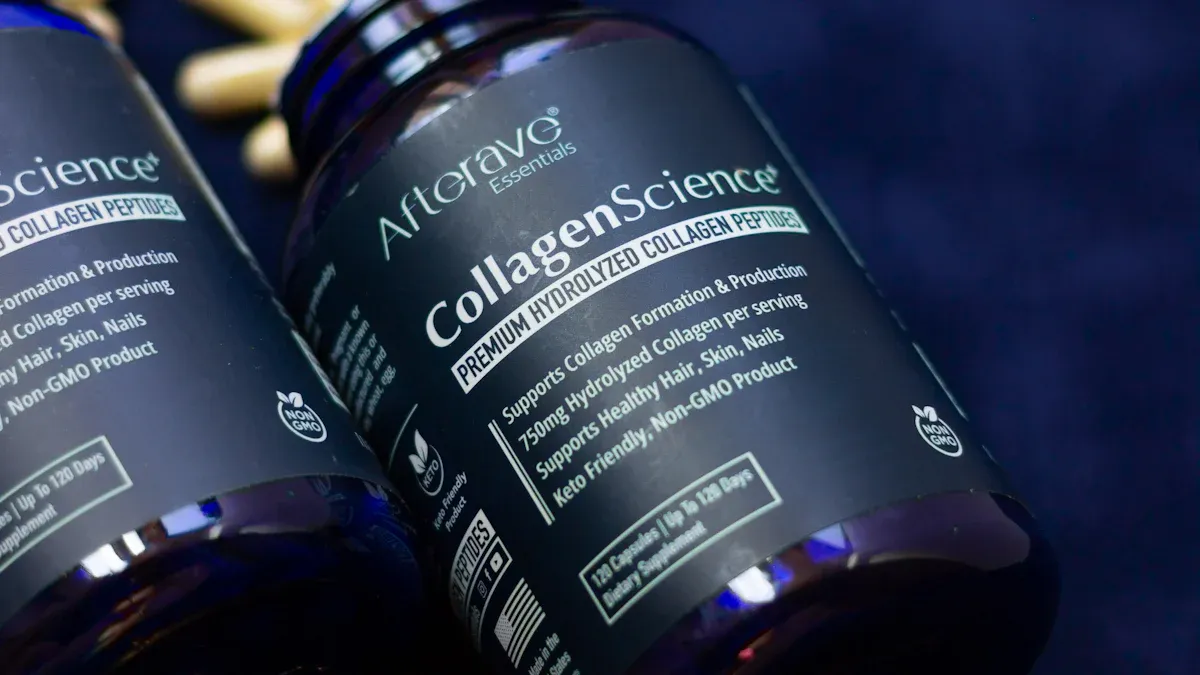
Individuals with allergies to specific animal proteins should exercise caution before starting hydrolyzed collagen peptide supplementation. The source of collagen determines the risk of allergic reactions. For example, bovine collagen may trigger symptoms in those with beef allergies, while marine collagen poses risks for people allergic to fish. The table below summarizes relevant allergies:
| Type of Collagen | Relevant Allergy |
|---|---|
| Bovine Collagen | Beef Allergy |
| Marine Collagen | Fish Allergy |
Those with known sensitivities to eggs or meat should consult a healthcare provider before use. Product labels often list the collagen source, helping consumers make informed decisions.
Medical Conditions to Consider
Certain medical conditions may contraindicate the use of hydrolyzed collagen peptide. People with kidney issues face a higher risk of kidney stone formation. Individuals with chronic digestive diseases should approach supplementation cautiously. Those taking medications, especially blood pressure drugs, must discuss potential interactions with their healthcare provider. Collagen supplementation may lower blood pressure or affect the effectiveness of medications such as warfarin and propranolol. The following list highlights groups who should consult a doctor:
- Individuals with kidney problems
- People with chronic digestive diseases
- Those taking blood pressure or antihypertensive medications
- Individuals on medications that may interact with protein supplements
Pregnant or Breastfeeding Women
Pregnant and breastfeeding women generally tolerate hydrolyzed collagen peptide well. Studies show no pregnancy complications or harmful effects for mothers and infants. Collagen supplementation during pregnancy can provide health benefits. However, no official guidelines exist for supplement use during pregnancy or lactation. Quality and source remain important factors. Healthcare providers recommend consulting before starting any new supplement during these periods.
Quality collagen peptides from reputable sources are considered safe, but professional guidance ensures optimal health for mother and child.
Children and Teens
Hydrolyzed collagen peptide supplementation is recognized as safe for teenagers, especially those involved in high-impact sports or recovering from skin issues. Most teens naturally produce sufficient collagen, making supplementation unnecessary for the general population. Pediatricians advise consulting before starting supplements for children or adolescents.
Parents should prioritize dietary sources and seek medical advice before introducing collagen supplements to younger individuals.
Is Hydrolyzed Collagen Peptide Supplementation Necessary?
Dietary Sources vs. Supplements
Collagen occurs naturally in foods such as bone broth, chicken skin, pork skin, and fish. These foods also provide nutrients that support collagen production, including vitamin C, proline, glycine, copper, and zinc. The table below highlights common dietary sources of these nutrients:
| Nutrient | Sources |
|---|---|
| Vitamin C | Oranges, strawberries, bell peppers, broccoli, Brussels sprouts, potatoes |
| Proline | Mushrooms, cabbage, asparagus, peanuts, wheat, fish, egg whites, meat |
| Glycine | Red meats, turkey, chicken, pork skin, peanuts, granola |
| Copper | Liver, lobster, oysters, shiitake mushrooms, nuts and seeds, leafy greens, tofu, dark chocolate |
| Zinc | Oysters, red meat, poultry, pork, beans, chickpeas, nuts, broccoli, leafy greens, whole grains, milk products |
Collagen-rich foods must be broken down into amino acids before the body can absorb them. Hydrolyzed collagen peptide, on the other hand, is pre-digested into smaller peptides. This process increases absorption and bioavailability, allowing the body to use these peptides more efficiently. Hydrolyzed collagen also dissolves easily in liquids and offers improved antioxidant properties compared to whole collagen from food.
Note: Hydrolyzed collagen is absorbed more quickly and delivers a higher concentration of bioactive peptides than dietary sources, which may enhance its effectiveness for skin and joint health.
Who Might Benefit from Supplementation
Certain groups may see greater benefits from hydrolyzed collagen peptide supplementation:
- Individuals with osteoarthritis often report reduced pain and stiffness.
- People with rheumatoid arthritis may experience relief due to anti-inflammatory effects.
- Those with osteoporosis can see improvements in bone mineral density.
- Individuals seeking better skin health may notice increased hydration, elasticity, and fewer wrinkles.
- Athletes and older adults, who face higher rates of collagen breakdown, may benefit from improved joint mobility and bone strength.
Hydrolyzed collagen supplementation supports skin elasticity, bone density, and joint function, especially for those at risk of collagen loss due to aging or physical activity.
When to Consult a Healthcare Provider About Hydrolyzed Collagen Peptide
Warning Signs to Watch For
Individuals who use hydrolyzed collagen peptide should remain alert for symptoms that indicate a need for medical attention. While most side effects are mild, certain reactions require prompt evaluation. Severe gastrointestinal disorders, migraine headaches, respiratory infections, septic arthritis, and lateral thigh pain represent the most serious adverse reactions documented in clinical settings.
| Adverse Reaction |
|---|
| Gastrointestinal disorders |
| Migraine headaches |
| Respiratory infections |
| Septic arthritis |
| Lateral thigh pain |
Other warning signs include persistent nausea, diarrhea, constipation, unexplained rashes, swelling, difficulty breathing, or abnormal heart rhythms. High calcium levels may cause nausea or irregular heartbeat. Individuals who experience any of these symptoms should seek guidance from a healthcare provider.
If symptoms persist or worsen, professional evaluation ensures safety and helps identify underlying causes.
How to Talk to Your Doctor
Preparation improves the effectiveness of conversations with healthcare providers. Individuals should gather relevant information before the appointment. The following list outlines key details to share:
- Pregnancy or nursing status
- Allergies to bovine or marine sources
- History of kidney issues or kidney stones
- Current medications and supplements
- Digestive symptoms such as nausea, diarrhea, or constipation
- Allergic reactions including rashes or swelling
- Experience of unpleasant taste or lingering aftertaste
- Signs of hypercalcemia like nausea or abnormal heart rhythms
- Any interactions with other medications
Clear communication helps providers assess risks and recommend appropriate actions. Patients should describe symptoms, supplement dosage, and duration of use. Healthcare professionals can then determine whether hydrolyzed collagen peptide remains suitable or if adjustments are necessary.
- Most people experience few or no side effects from hydrolyzed collagen peptide.
- Mild digestive issues or rare allergic reactions may occur.
- Individuals should monitor for unusual symptoms.
For any persistent or severe reactions, a healthcare provider can offer guidance and ensure safe supplement use.
FAQ
Can hydrolyzed collagen peptide interact with medications?
Some medications, such as blood thinners or antihypertensives, may interact with collagen supplements. Individuals should consult a healthcare provider before starting supplementation.
How long do side effects from hydrolyzed collagen peptide last?
Most mild side effects, like digestive discomfort, resolve within a few days. Persistent symptoms may require medical evaluation.
Is it safe to take hydrolyzed collagen peptide daily?
Most healthy adults tolerate daily use well. Following recommended dosages and monitoring for unusual symptoms ensures safe supplementation.
See Also
Key Indicators of High-Quality Bovine Gelatin Powder
Why Bovine Gelatin Powder Is An Effective Health Booster
The Production Process and Composition of Edible Gelatin
Comparing Bovine Gelatin Powder With Fish and Pork Varieties