Why HTPB (Hydroxyl-terminated polybutadiene CAS No. 69102-90-5) in building waterproof and anti‑corrosion materials stops leaking today?

When you use HTPB (Hydroxyl-terminated polybutadiene CAS No. 69102-90-5) in building waterproof and anti‑corrosion materials, you stop structural leaks instantly. This advanced polymer creates a seamless polyurethane matrix with zero water absorption. Its non-polar backbone repels moisture under continuous pressure. You eliminate asphalt coating failure because HTPB (Hydroxyl-terminated polybutadiene CAS No. 69102-90-5) easily resists acids, salts, and extreme thermal cycling.
Key Takeaways
- HTPB coatings create a non-polar chemical barrier. This strong rubber shield repels water instantly and stops concrete leaks.
- This durable coating resists harsh chemical damage. It shields building foundations from strong acids, alkaline salts, and rust.
- The flexible material stretches easily across structural cracks. It prevents leaks during cold weather freezing and extreme heat shifts.
Chemical Superiority of HTPB (Hydroxyl-terminated polybutadiene CAS No. 69102-90-5) in building waterproof and anti‑corrosion materials
Non-Polar Hydrophobic Carbon Backbone
You gain superior protection against water when you specify HTPB (Hydroxyl-terminated polybutadiene CAS No. 69102-90-5) in building waterproof and anti‑corrosion materials. Traditional polyurethane coatings often rely on polyester or polyether backbones. Those legacy materials contain polar oxygen groups that attract moisture molecules over time. In contrast, HTPB features a polybutadiene hydrocarbon chain that lacks polar ester bonds.
This non-polar structure repels liquid water instantly. The unique chemical matrix blocks water transport at a molecular level through a simple three-step barrier process:
- Polybutadiene polyols create a completely non-polar surface barrier that repels water droplets on contact.
- The tight hydrophobic matrix ensures a very slow diffusion rate for polar molecules like water or alcohol.
- The dense hydrocarbon network provides exceptional resistance against harsh aqueous solutions and strong acids.
| Polymer Type | Backbone Chemical Nature | Key Structural Feature | Hydrophobicity Implication |
|---|---|---|---|
| HTPB | Completely Non-Polar | Polybutadiene hydrocarbon chain | Forms a hydrophobic matrix that strongly resists water and hydrolytic attack. |
| Polyester Polyols | Polar | Presence of ester (C=O) groups | Polar groups attract water molecules, leading to higher water absorption. |
Hydrolysis Resistance and Zero Water Absorption
Concrete substrates release alkaline compounds constantly. Alkaline conditions quickly break down polyester-based polyols through hydrolysis. You avoid this degradation mechanism entirely by using HTPB (Hydroxyl-terminated polybutadiene CAS No. 69102-90-5) in building waterproof and anti‑corrosion materials.
| Performance Category | HTPB Performance | Legacy Polyester Polyol Performance |
|---|---|---|
| Inherent Chemical Resistance | Demonstrates excellent resistance to hydrolysis, acids, and bases without structural breakdown. | Degrades rapidly when exposed to moisture and alkaline environments. |
| Long-Term Longevity | Maintains mechanical integrity and structural adhesion over decades of chemical exposure. | Suffers from premature cracking, loss of adhesion, and bond degradation. |
The hydrocarbon backbone of HTPB contains no hydrolyzable linkages. You can apply HTPB coatings directly onto uncured concrete, submerged structures, or high-salinity marine environments. The liquid barrier maintains dynamic protection without softening or absorbing water under continuous hydrostatic head pressure.
Reactive Hydroxyl Terminal Groups for Dense Curing
The terminal primary hydroxyl (-OH) groups of HTPB provide precise cross-linking control during application. You react these hydroxyl end-groups with diisocyanates to build a durable polyurethane elastomer matrix. The reaction produces a uniform rubbery network with high structural strength.
You can also adjust the mechanical flexibility of your cross-linked system. Adding functional extenders like rosin esters modifies cross-linking density while increasing elongation:
| HTPB Formulation | Elongation at Break | Ultimate Tensile Strength Trend | Key Functional Influence |
|---|---|---|---|
| Unmodified HTPB (cross-linked with diisocyanate) | 275% | Baseline | Establishes baseline cross-linking via terminal hydroxyl groups. |
| HTPB + 10 wt% Functional Rosin Ester | 600% | No decrease | Increases network flexibility without sacrificing overall tensile strength. |
| HTPB + 20 wt% Functional Rosin Ester | 1200% | Strain-hardening | Alters cross-linking density to dramatically increase elongation. |
Using HTPB (Hydroxyl-terminated polybutadiene CAS No. 69102-90-5) in building waterproof and anti‑corrosion materials allows you to customize coating elasticity. Your cured membrane easily bridge moving concrete joints and thermal expansion cracks without tearing or leaking.
Advanced Anti-Corrosion Properties and Substrate Protection
Chemical Inertness Against Acids, Alkalis, and Salts
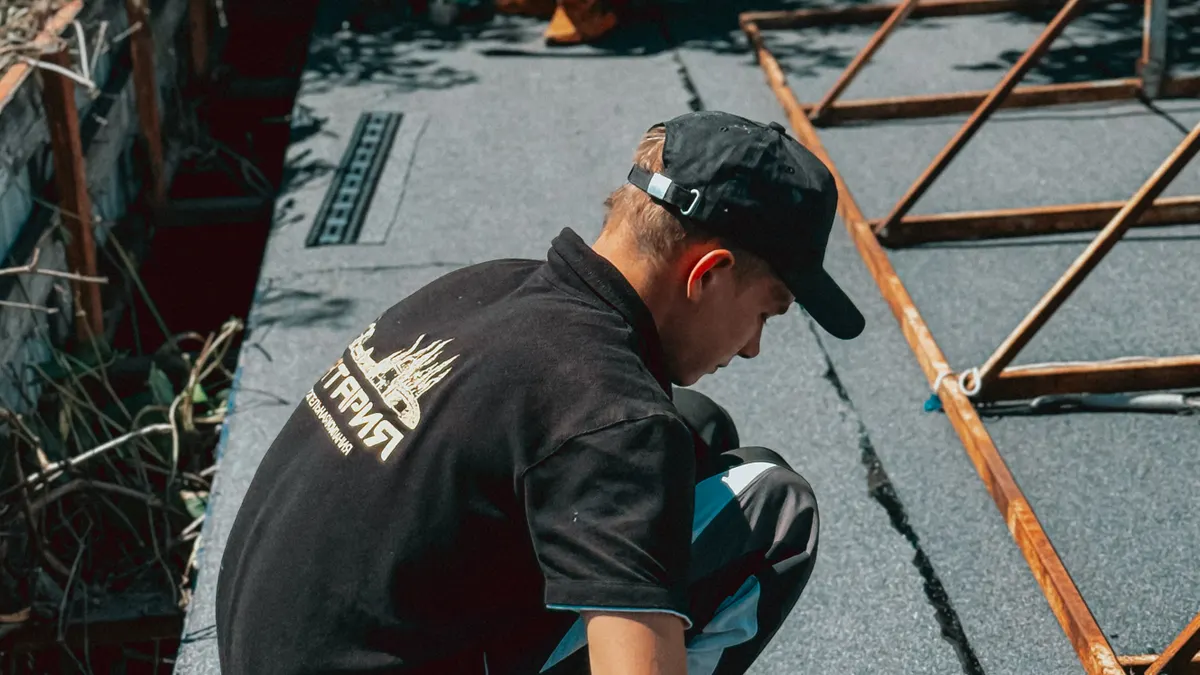
You protect harsh industrial facilities by applying HTPB (Hydroxyl-terminated polybutadiene CAS No. 69102-90-5) in building waterproof and anti‑corrosion materials. This specialized polyol creates a dense shield that blocks aggressive chemicals. Lab testing demonstrates its strong acid resistance under severe exposure. A 30-day immersion in a 10% sulfuric acid solution at room temperature creates less than a 5% change in the material's molecular weight and hydroxyl number. The coating resists continuous contact with harsh alkalis, deicing salts, and acidic groundwater without breaking down.
Micro-Crack Protection and Environmental Barrier Integrity
Concrete structures flex under dynamic loads and develop tiny micro-cracks over time. Unprotected cracks let water and harmful ions reach internal rebar quickly. You prevent structural decay through the high elasticity of HTPB coatings. The durable polybutadiene network bridges shifting cracks instantly and maintains a tight environmental barrier. You block airborne carbon dioxide, moisture, and oxygen, preventing concrete carbonation and internal rebar rust.
Strong Adhesion to Concrete, Steel, and Masonry
You secure reliable long-term performance through excellent substrate adhesion. Polyurethane coatings formulated with HTPB lock tightly onto concrete pores, structural steel, and masonry walls. The cured elastomeric membrane resists mechanical vibration, surface abrasion, and peel forces. You eliminate sub-film corrosion and delamination risks, keeping your critical building assets fully protected against continuous leaks.
Mechanical Resilience and Lifecycle Cost Advantages
High Elongation and Extreme Low-Temperature Flexibility
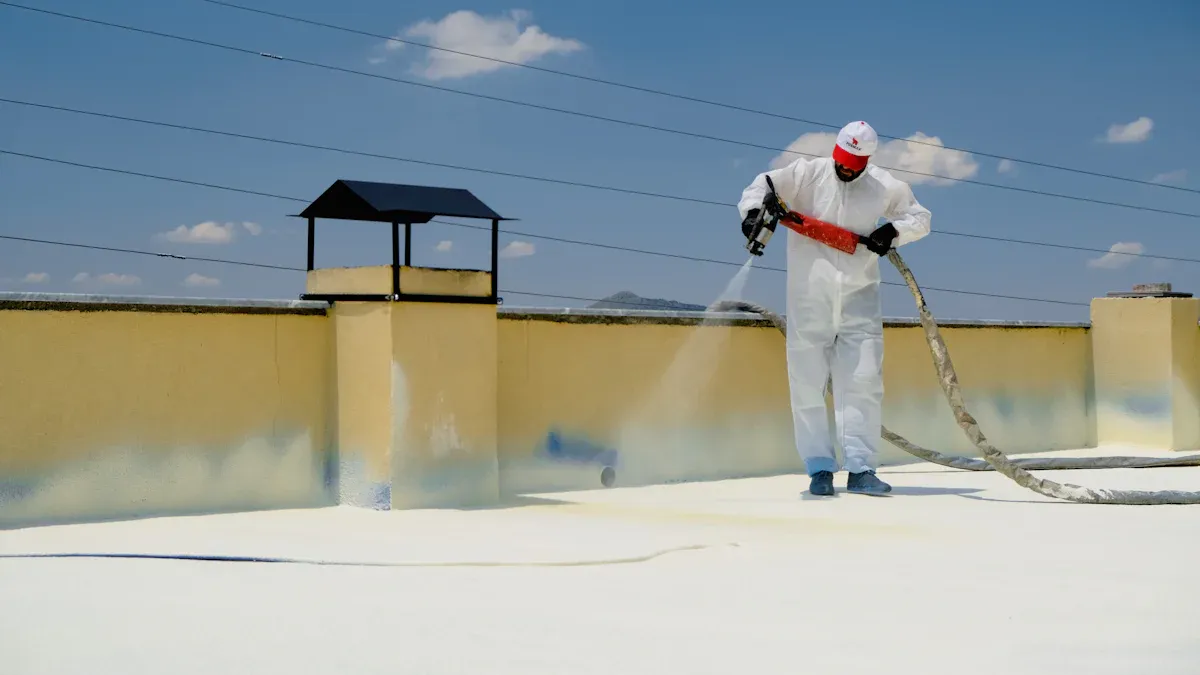
You need structural membranes that stretch without snapping during foundation settlement. The flexible polybutadiene backbone offers remarkable movement accommodation across dynamic joints. Typical HTPB-based polyurethane elastomers achieve high stretch capability before failure.
| Material Grade | Elongation at Break (%) |
|---|---|
| CPB30 Polyurethane Elastomer | 400% |
| CPB60 Polyurethane Elastomer | 550% |
This elasticity prevents premature matrix cracking during freezing weather. You can trust HTPB (Hydroxyl-terminated polybutadiene CAS No. 69102-90-5) in building waterproof and anti‑corrosion materials to stay flexible at low temperatures.
Resistance to Thermal Cycling and UV Degradation
Sunlight and heat shifts destroy standard roof coatings quickly. You protect exterior façades, expansion joints, and exposed roofs using HTPB formulations. The polybutadiene network delivers excellent weatherability and UV resistance. Your protective barrier absorbs thermal shock as building substrates expand on hot days and contract on cold nights.
Reduced Maintenance Cycles and Long-Term Durability
Applying resilient elastomeric coatings directly lowers your facility maintenance costs over time. HTPB polymers form a tough hydrophobic film that repels moisture and prevents chemical corrosion.
- Absorbs Shock: The flexible polymer backbone absorbs mechanical stress and prevents surface cracking.
- Prevents Brittleness: Low volumetric shrinkage lowers internal stress and maintains tight substrate adhesion.
- Extends Service Life: Exceptional barrier integrity doubles your service life, extending recoating and repair intervals.
You meet modern infrastructure demands and green-building trends by specifying durable, low-maintenance materials today.
You can permanently stop chronic structural leaks and concrete corrosion by using HTPB (Hydroxyl-terminated polybutadiene CAS No. 69102-90-5) in building waterproof and anti‑corrosion materials.
This advanced polymer combines permanent hydrophobicity, chemical inertness, and dynamic flexibility to outlast legacy coatings. Specifying HTPB-based systems lowers your long-term maintenance costs and guarantees lasting structural protection.
FAQ
How does HTPB prevent structural water leaks?
You block liquid water instantly because HTPB forms a dense, non-polar rubber matrix. This seamless barrier repels moisture molecules and prevents water absorption under heavy hydrostatic pressure.
Why should you choose HTPB over traditional polyester waterproofing coatings?
You avoid chemical breakdown because HTPB lacks hydrolyzable ester linkages. Alkaline concrete degrades polyester coatings quickly, but HTPB retains strong adhesion and structural flexibility for decades.
Can you apply HTPB coatings on dynamic substrate cracks?
Yes, you can bridge moving micro-cracks easily. The highly elastic polybutadiene network stretches without tearing, keeping your concrete and steel structures safe from corrosion.
See Also
Choosing The Best Pressure Vessel Materials Under ASME Guidelines
How Microchannel Technology Enhances Hydrogen Fuel Cell Heat Exchangers
Essential WT20 Thoriated Tungsten Electrode Facts For Superior TIG Welding
Why Decorative Silicone Sealants Are Essential For Modern Home Construction
The Best Precoating Materials For Advanced Filtration Systems In 2025