3 simple steps for using HTPB(Hydroxyl-terminated polybutadiene) in aerospace propellants
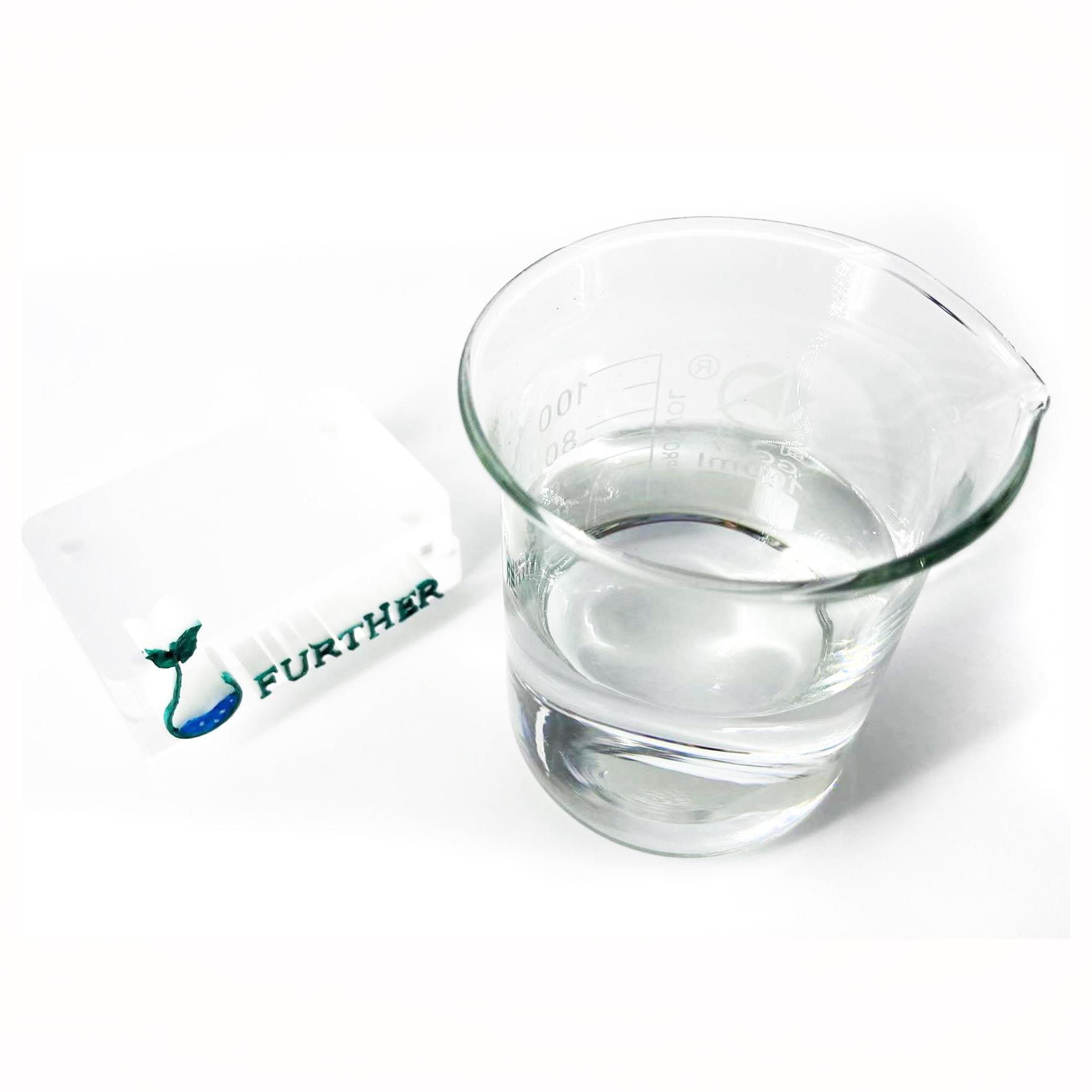
You use HTPB(Hydroxyl-terminated polybutadiene) in aerospace to create powerful, reliable propellants. Its unique chemical properties support high-energy performance and meet the growing needs of space exploration. By following three simple steps, you ensure safe handling and consistent results as aerospace manufacturers rely on this advanced material.
Key Takeaways
- Choose the right HTPB grade for your aerospace project by checking the technical data sheet.
- Store HTPB in a cool, dry place and ensure containers are sealed to prevent moisture.
- Use Resonant Acoustic Mixing for a safe and thorough blend of propellant ingredients.
Step 1: Preparation of HTPB(Hydroxyl-terminated polybutadiene) in aerospace
Selecting the Appropriate HTPB Grade
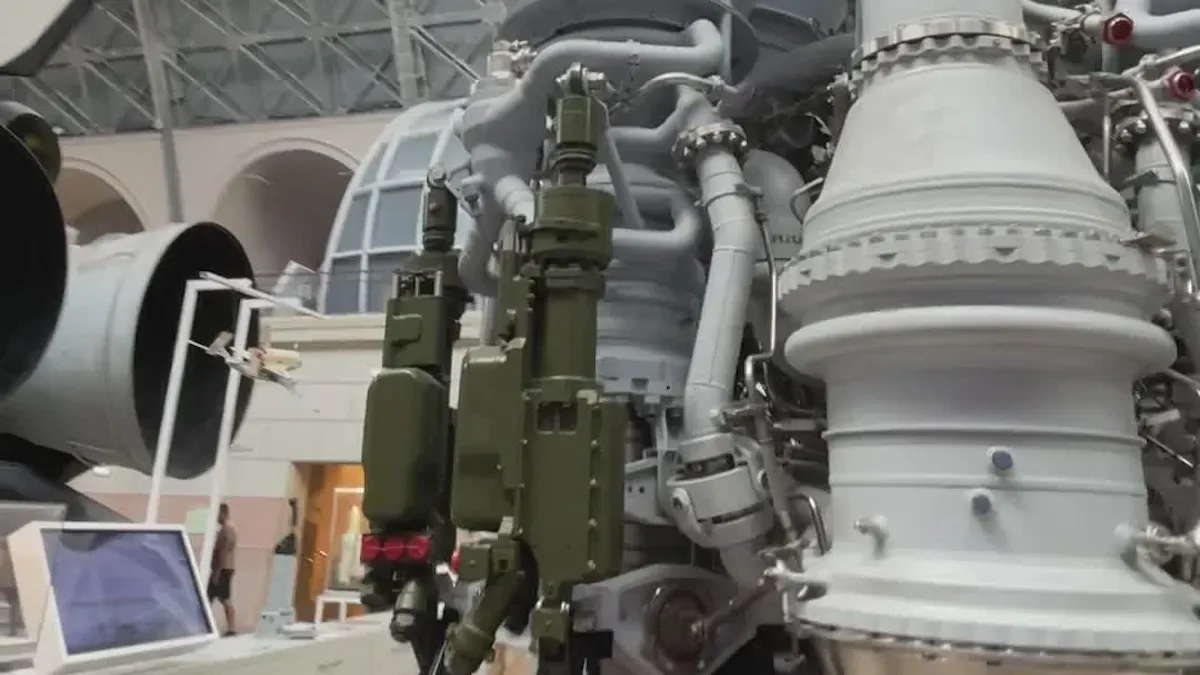
You must choose the right grade of HTPB(Hydroxyl-terminated polybutadiene) in aerospace projects. Each grade has different properties. Some grades have higher molecular weights. Others have more reactive hydroxyl groups. For example, the R-45M grade works well for most aerospace propellants. You can also find custom grades from Theorem Chem. These options let you match the material to your specific needs. Always check the technical data sheet before you decide.
Handling and Storage Best Practices
You need to handle and store HTPB(Hydroxyl-terminated polybutadiene) in aerospace facilities with care. Follow these best practices:
- Store HTPB in a cool, dry, and well-ventilated area.
- Keep containers tightly sealed to prevent moisture from entering.
- Use proper labeling for all storage drums.
- Place temporary containment measures, like dikes, near storage areas to control spills.
- Make sure emergency response plans are ready in case of leaks.
Note: You must follow all federal and state regulations. These rules help prevent soil contamination and protect the environment. Standard operating procedures also keep everyone safe during transportation and storage.
Accurate Measurement for Aerospace Applications
You should measure HTPB with precision. Use calibrated scales and measuring tools. Even small errors can affect the final propellant performance. Double-check your measurements before mixing. Accurate measurement ensures that your propellant will meet strict aerospace standards.
Step 2: Mixing and Formulation of HTPB(Hydroxyl-terminated polybutadiene) in aerospace Propellants
Choosing Compatible Propellant Ingredients
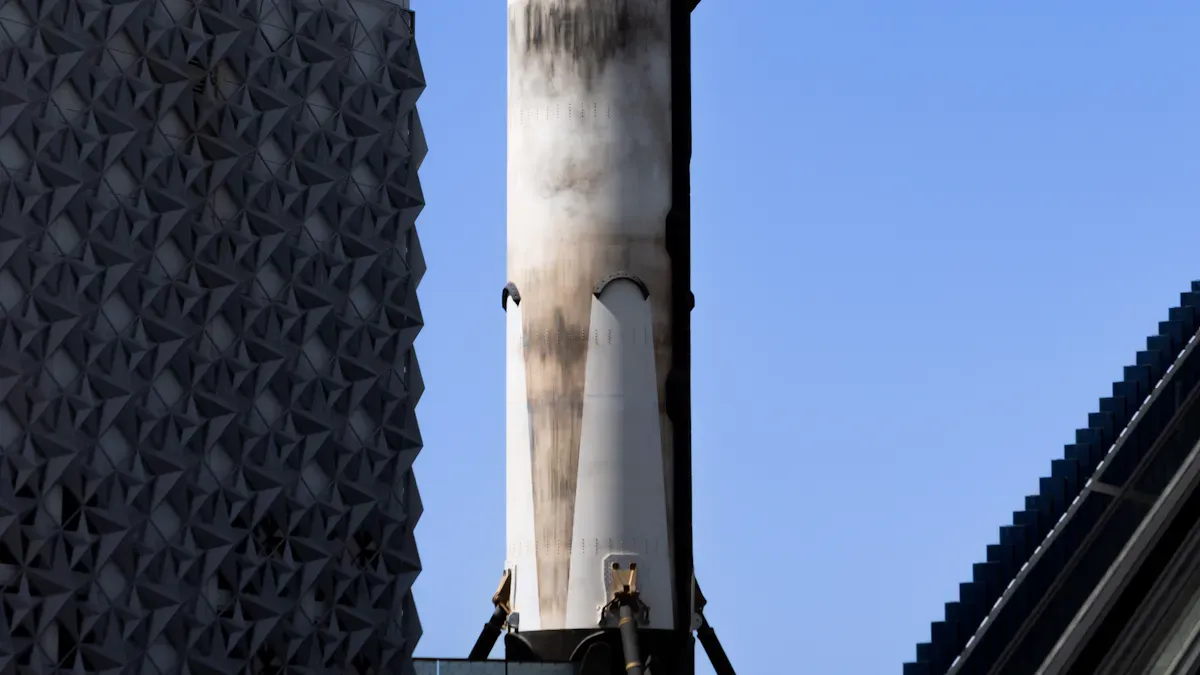
You need to select ingredients that work well with HTPB(Hydroxyl-terminated polybutadiene) in aerospace propellants. The main components include:
- HTPB as the binder
- Diisocyanates like isophorone diisocyanate (IPDI) or toluene diisocyanate (TDI) for curing
- Ammonium perchlorate (AP) as the oxidizer
- Aluminum powder as the metallic fuel
- Catalysts to control the pot life
- Stabilizers such as butylated hydroxytoluene (BHT) to prevent oxidation
Each ingredient must be compatible to ensure a stable and high-performing propellant.
Determining Correct Mixing Ratios
You must measure each ingredient carefully. The isocyanate-to-hydroxyl equivalent ratio (NCO/OH) should be about 1.05 to 1.10. This ratio helps the mixture cure properly and gives the propellant its strength. Catalysts usually provide a pot life of 30 to 60 minutes, so you need to work efficiently.
Mixing Techniques and Equipment
You want a uniform mixture for the best results. Resonant Acoustic Mixing (RAM) is a top choice for HTPB(Hydroxyl-terminated polybutadiene) in aerospace propellants. RAM uses sound energy to mix materials without blades. This method works well for thick mixtures and different container shapes. It also improves safety and gives you a more even blend than traditional mixers.
| Mixing Method | Benefits |
|---|---|
| RAM | Safe, thorough, works with viscous materials, no blades needed |
Safety Measures During Mixing
Always follow safety rules when mixing. Wear protective gear like gloves and goggles. Work in a well-ventilated area. Keep emergency equipment nearby. Never rush the process. Careful mixing keeps you safe and ensures the propellant performs as expected.
Step 3: Curing and Finalizing HTPB(Hydroxyl-terminated polybutadiene) in aerospace Propellants
Curing Methods and Conditions
You need to cure the propellant mixture to create a strong and stable material. The curing process links the HTPB molecules together, forming a solid network. Most curing happens at room temperature, between 20°C and 35°C. The process can take up to seven days. Sometimes, you may use higher temperatures, like 85°C to 90°C, for a few hours to speed up the reaction. The table below shows common components and their curing conditions:
| Component | Percentage by Mass | Curing Conditions |
|---|---|---|
| AP (ammonium perchlorate) | 69 to 77% | Room temperature (20–35°C) |
| Al (aluminum) powder | 10 to 18% | Curing point within 7 days |
| Plasticizer DOS | 1 to 5% | Mechanical strength ≥ 0.85 MPa |
| Adhesive HTPB and curing agent | 7 to 10% | Elongation rate > 35% |
| Curing catalyst | 0.005 to 0.05% | |
| Network adjusting agent | 0.2 to 2.0% | |
| Curing agent (PAPI, MDI, XDI, TDI) |
Quality Control and Consistency Checks
You must check the cured propellant for quality and consistency. Test the mechanical strength to make sure it meets the required standards. Measure the elongation rate and check for any cracks or bubbles. Use calibrated tools for all measurements. If you find any problems, you should repeat the process to ensure safety and performance.
Tip: Keep detailed records of each batch. This helps you track quality and spot trends over time.
Preparing Propellant for Aerospace Use
You need to follow strict rules before using HTPB(Hydroxyl-terminated polybutadiene) in aerospace. Make sure your propellant meets all safety and environmental standards. Here are some important requirements:
- Follow workplace and environmental safety guidelines.
- Limit VOC emissions and chemical exposure.
- Use proper waste treatment and emissions control.
- Get all needed permits and certificates.
When you finish these steps, your propellant is ready for use in aerospace systems. Careful curing and testing help you deliver reliable performance every time.
You can use HTPB(Hydroxyl-terminated polybutadiene) in aerospace propellants by following three steps. First, prepare the material. Next, mix and formulate the ingredients. Finally, cure and finalize the propellant.
Careful attention to each step helps you achieve reliable results and supports safe aerospace applications.
FAQ
What is the main use of HTPB in aerospace propellants?
You use HTPB as a binder. It holds fuel and oxidizer together. This helps create a strong, flexible, and high-performance propellant.
How should you store HTPB for best results?
You should keep HTPB in a cool, dry, and well-ventilated place. Always seal the container tightly to prevent moisture from entering.
Can you customize HTPB for special aerospace needs?
Yes! You can ask Theorem Chem for custom HTPB grades. They can adjust the formula to match your project’s requirements.