How HTPB Hydroxyl-terminated Polybutadiene Is Transforming Aerospace Elastomers
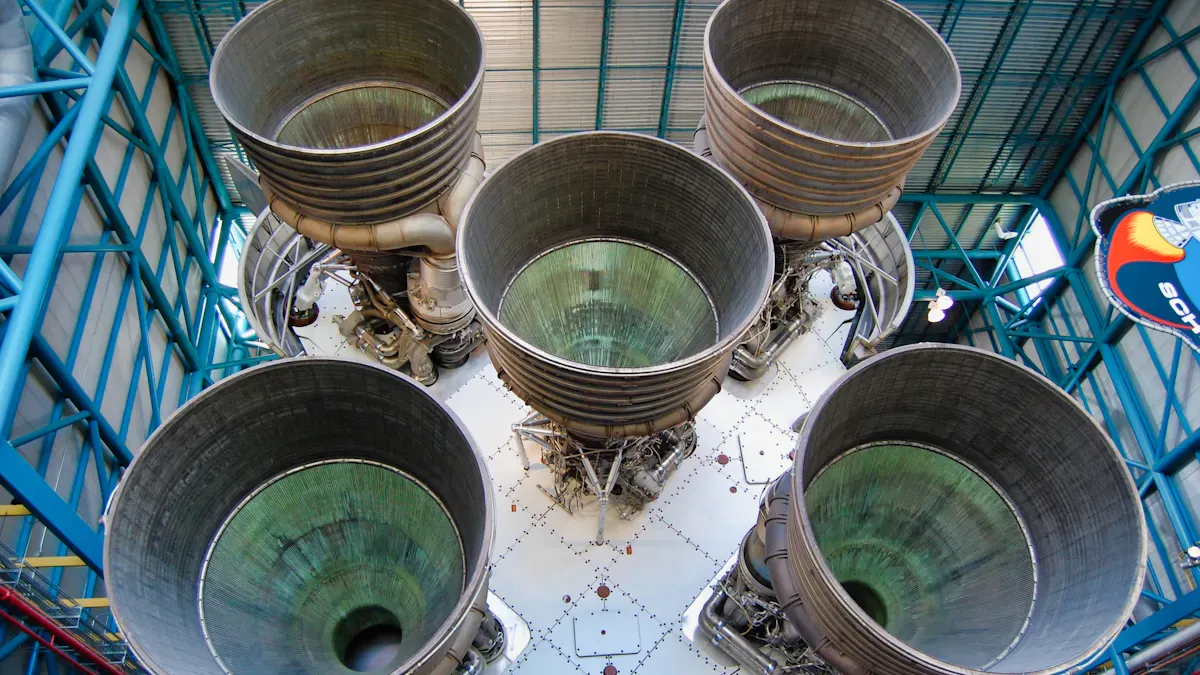
You see HTPB Hydroxyl-terminated polybutadiene CAS No.CAS 69102-90-5 for aerospace changing how elastomers perform in modern aircraft. This material gives you strong adhesives and specialty coatings. Growing defense programs and new space projects drive its demand. You benefit from better composite materials and advanced propellants.
Key Takeaways
- HTPB Hydroxyl-terminated polybutadiene offers superior flexibility and durability, making it ideal for aerospace applications.
- This material resists harsh conditions, including extreme temperatures and chemicals, ensuring reliable performance in demanding environments.
- Choosing HTPB-based elastomers can lead to longer-lasting aerospace components, reducing maintenance costs and enhancing safety.
Unique Properties of HTPB Hydroxyl-terminated Polybutadiene CAS No.CAS 69102-90-5 for Aerospace
Chemical Structure and Functionality
You can see why HTPB Hydroxyl-terminated polybutadiene CAS No.CAS 69102-90-5 for aerospace stands out when you look at its chemical structure. This material has special features that help it perform well in tough environments.
- Long non-polar carbon chains with hydroxyl (–OH) groups at each end give you strong chemical stability.
- The low glass transition temperature keeps the material flexible, even in cold conditions.
- High elasticity and a hydrophobic nature make it work well in adhesives, propellants, and polyurethane binders.
These features let you use HTPB Hydroxyl-terminated polybutadiene CAS No.CAS 69102-90-5 for aerospace in many different ways. You get a material that resists breaking down and keeps its shape under stress.
Mechanical Strength and Flexibility
You need elastomers that can stretch and hold up under pressure. HTPB-based elastomers give you both strength and flexibility. You can check the numbers in the table below to see how they compare to the industry average:
| Property | HTPB Value | Industry Average |
|---|---|---|
| Tensile Strength (MPa) | 30 | 25 |
| Elongation at Break (%) | 500 | 400 |
You get higher tensile strength and greater elongation at break. This means your aerospace parts can handle more force and stretch farther before breaking. You can trust these elastomers to last longer and perform better in demanding situations.
Thermal Stability and Environmental Resistance
You face extreme temperatures and harsh environments in aerospace work. HTPB Hydroxyl-terminated polybutadiene CAS No.CAS 69102-90-5 for aerospace helps you meet these challenges. The material stays flexible in cold weather and does not crack easily. Its chemical structure resists damage from fuels, oils, and moisture. You can rely on it to protect your equipment and keep it working, even when conditions change quickly.
Tip: When you choose HTPB-based elastomers, you get materials that keep their properties in both hot and cold environments. This helps you avoid failures and reduce maintenance.
Performance Advantages in Aerospace Elastomers
Enhanced Durability and Longevity
You want materials that last longer and perform better in aerospace. HTPB Hydroxyl-terminated polybutadiene CAS No.CAS 69102-90-5 for aerospace gives you that advantage. When you compare it to traditional materials, you see higher flexibility, better chemical resistance, and stronger mechanical properties. The table below shows how HTPB-based elastomers stand out:
| Property | HTPB-based Elastomers | Traditional Materials |
|---|---|---|
| Mechanical Properties | Excellent | Varies |
| Flexibility | High | Moderate to Low |
| Chemical Resistance | Superior | Varies |
| Environmental Resistance | High | Moderate |
| Applications | Solid rocket propellants, high-performance adhesives | General use in aerospace |
You can trust these elastomers to keep working even after many cycles of stress and exposure.
Superior Resistance to Harsh Conditions
You face extreme conditions in aerospace, such as rapid temperature changes and high pressure. HTPB-based elastomers help you handle these challenges. Studies show that humidity can change the mechanical properties of HTPB composite propellants. After drying, some properties recover, which means the material interacts with the environment in complex ways.
- You see that HTPB-based elastomers can adapt to changing conditions.
- You get materials that resist cracking and keep their strength.
Note: You can rely on these elastomers for missions where safety and performance matter most.
Improved Processing and Customization
You need materials that are easy to work with and can be tailored for your needs. HTPB-based elastomers offer fast cure times, adjustable viscosity, and processing temperatures that fit your manufacturing process. The table below highlights these advantages:
| Advantage Type | Details |
|---|---|
| Cure Time | 1 - 24 hours; fast-curing options |
| Customization | Customizable reactivity |
| Viscosity | 50 - 1,500 mPa·s; easy application |
| Processing Temperature | 180 - 220°C; fits many processes |
You can also choose from many customization options, such as terminal modifications and double-bond changes. This flexibility lets you design elastomers for specific aerospace applications.
Aerospace Applications of HTPB Hydroxyl-terminated Polybutadiene CAS No.CAS 69102-90-5
Sealants and Potting Compounds
You use HTPB Hydroxyl-terminated polybutadiene CAS No.CAS 69102-90-5 for aerospace to make sealants and potting compounds that protect sensitive parts. These materials keep out moisture and dust. You get transparent, low-viscosity compounds that fill gaps and cover electronic components. They show excellent flexibility and age resistance, so your equipment stays safe for longer.
Structural Adhesives
You need strong adhesives for building aircraft. HTPB-based structural adhesives give you several benefits:
- Low-temperature flexibility helps parts stay bonded in cold conditions.
- Hydrophobicity keeps moisture away from joints.
- Hydrolytic stability increases durability.
- The chemical structure forms cross-linked polyurethane elastomers, which boost bond strength.
You can trust these adhesives to hold up under stress and last through many flight cycles.
Protective Coatings
You want coatings that protect against corrosion and wear. HTPB-based protective coatings form tough layers that resist chemicals and harsh weather. These coatings help prevent rust and keep your aerospace structures strong. You can rely on them to maintain the integrity of your equipment.
Tip: Use these coatings to extend the life of your aircraft and reduce maintenance costs.
Elastomeric Binders in Propulsion Systems
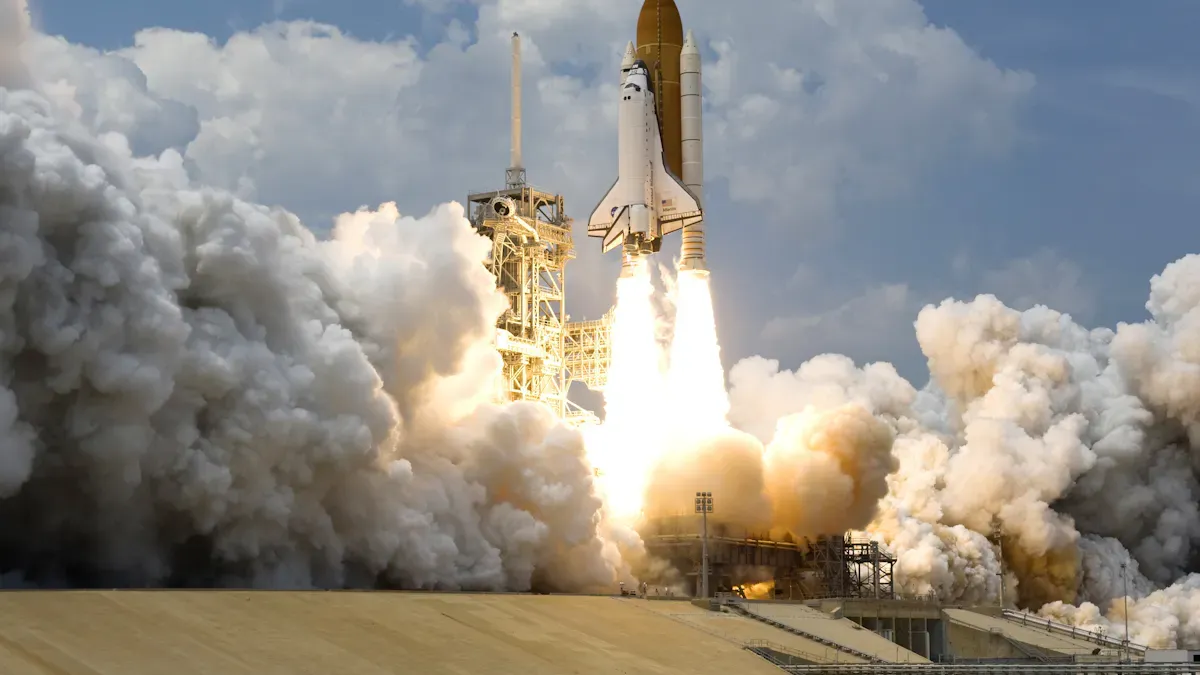
You find HTPB Hydroxyl-terminated polybutadiene CAS No.CAS 69102-90-5 for aerospace in solid rocket propellants. It acts as an elastomeric binder, holding fuel particles together. Here are some key properties:
| Property | Specification |
|---|---|
| Hydroxyl Functionality | ≥ 2.2 and ≤ 2.4 |
| Hydroxyl Value | < 0.77 meq/g |
| Viscosity at 30 °C | < 47 poise |
These features help you achieve excellent flexibility, high reactivity, and reliable performance in propulsion systems.
HTPB Hydroxyl-terminated Polybutadiene CAS No.CAS 69102-90-5 vs. Alternative Materials
Comparison with Conventional Elastomers
You often see nitrile and EPDM elastomers in aerospace. These materials give you good performance, but HTPB-based elastomers offer more. You get better thermal stability and aging resistance with HTPB. You can also improve the mechanical properties of HTPB by adding special plasticizers and bonding agents. This means you can make propellant grains that last longer and work better. HTPB-based propellants also match the burning rates of other advanced materials. You can trust HTPB to keep up with the demands of aerospace work.
HTPB vs. Silicone and Polyurethane
You may wonder how HTPB compares to silicone and epoxy resins. The table below shows the main differences:
| Property | HTPB | Epoxy Resin | Silicone Rubber |
|---|---|---|---|
| Elasticity | Excellent (>200%) | Poor (brittle) | Excellent (>300%) |
| High-Temp Resistance | Moderate (100°C) | Excellent (150–200°C) | Excellent (200–250°C) |
| Cost | Moderate | Low | High |
| Process Difficulty | Moderate | Low | Moderate |
You get high elasticity with both HTPB and silicone. Silicone gives you better high-temperature resistance, but it costs more. Epoxy resins are cheaper, but they break easily and do not stretch much. You can choose HTPB when you need a balance of flexibility, cost, and easy processing.
Cost and Performance Analysis
You want materials that fit your budget and perform well. HTPB gives you a moderate cost, which helps you manage expenses. You also get strong mechanical properties and good chemical resistance. Silicone costs more, but it works better at very high temperatures. Epoxy resins save you money, but they do not last as long in tough conditions. You can pick HTPB when you need a reliable material that balances price and performance.
Innovations and Future Potential in Aerospace Elastomers
Advances in HTPB Resin Technology
You see new advances in HTPB resin technology changing the way you use elastomers in aerospace. Scientists now create HTPB resins with better purity and more controlled molecular weights. You get materials that show higher strength and better flexibility. Some new HTPB resins cure faster, which helps you speed up your production. You can also find HTPB grades that work well with new additives. These additives let you adjust the hardness or improve the resistance to chemicals.
Tip: When you use advanced HTPB resins, you can design elastomers for special aerospace needs.
You also benefit from better testing methods. These methods help you check the quality of each batch. You can trust that your elastomers will perform as expected in every mission.
Sustainability and Next-generation Aerospace Materials
You want materials that protect the planet. New research helps you use HTPB-based elastomers that are safer for the environment. Some companies now make HTPB resins from renewable sources. You can lower your carbon footprint by choosing these options.
- You see less waste during production.
- You use fewer harmful chemicals.
Next-generation aerospace materials also focus on recycling. You can reuse some HTPB-based elastomers at the end of their life. This helps you save resources and reduce costs.
Note: When you choose sustainable elastomers, you support a cleaner future for aerospace.
HTPB Hydroxyl-terminated polybutadiene CAS No.CAS 69102-90-5 for aerospace transforms elastomers with strong flexibility, durability, and chemical resistance. You benefit from growing demand driven by space exploration and defense needs.
Innovation in AI design, green chemistry, and automation will expand HTPB’s role in aerospace elastomers.
Look for continued growth as the market nears $2.1 billion by 2034, making HTPB a smart choice for your aerospace projects.
Key future trends include:
- Faster, customized resin formulations
- Eco-friendly, sustainable materials
- Rising demand from new aerospace sectors
FAQ
What makes HTPB-based elastomers better for aerospace?
You get higher flexibility, strong chemical resistance, and better durability. These properties help your aerospace parts last longer and perform well in tough conditions.
Can you use HTPB elastomers in extreme temperatures?
Yes. You can use HTPB elastomers in both hot and cold environments. They stay flexible and do not crack easily when temperatures change quickly.
Are HTPB-based materials safe for the environment?
Some HTPB elastomers come from renewable sources. You can choose eco-friendly options to help reduce waste and lower your carbon footprint.