Innovations in HTPB-Based Adhesives and Sealants for Construction
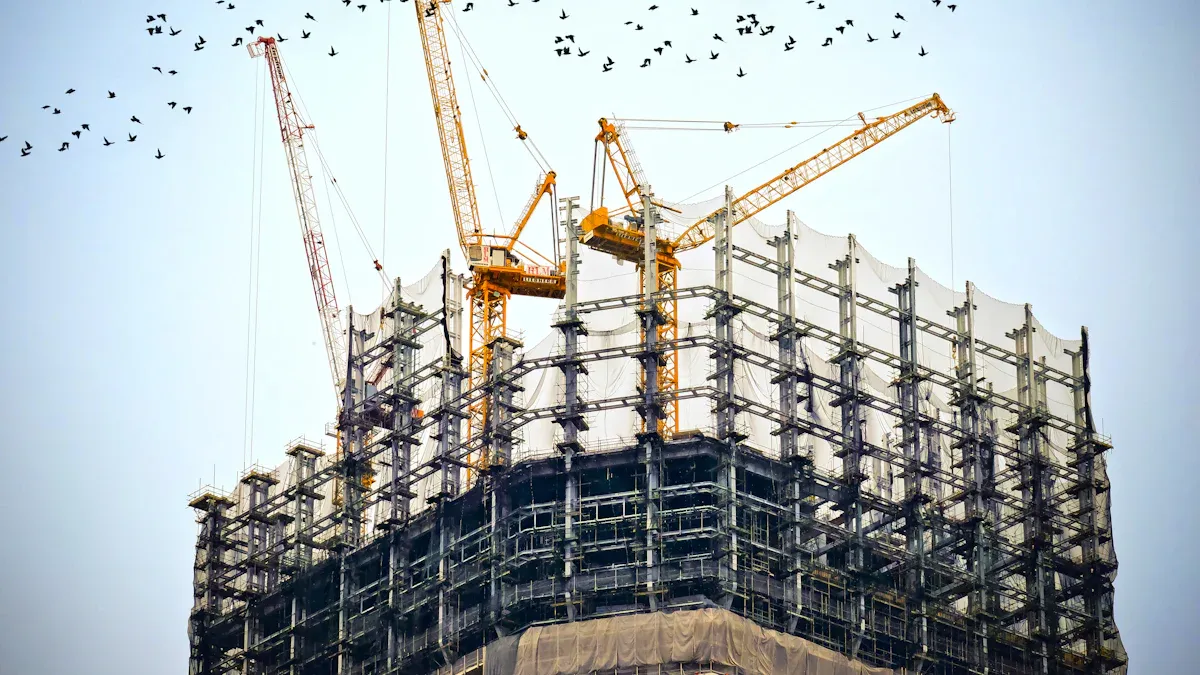
- HTPB CAS 69102-90-5 Hydroxyl-terminated polybutadiene for adhesives and sealants in Construction increases bond strength and flexibility.
- Builders see improved durability and chemical resistance in harsh conditions.
- Application Prospects of HTPB in Construction Materials show reduced maintenance and support eco-friendly practices.
Key Takeaways
- HTPB-based adhesives offer excellent flexibility and durability, making them ideal for harsh weather conditions. This helps prevent cracks and damage in building joints.
- These adhesives resist chemicals and moisture, ensuring long-lasting performance in tough environments. This reduces the need for repairs and maintenance over time.
- Customizable viscosity options allow builders to choose the right adhesive for their specific tasks, leading to less waste and cleaner work areas.
Unique Properties of HTPB CAS 69102-90-5 Hydroxyl-terminated polybutadiene for adhesives and sealants in Construction
Flexibility and Durability in Harsh Environments
HTPB CAS 69102-90-5 Hydroxyl-terminated polybutadiene for adhesives and sealants in Construction stands out for its flexibility and durability. This material has a low glass transition temperature, which means it stays flexible even in very cold weather. For example, it can stretch and bend at temperatures as low as -75°C. The cured adhesive can stretch more than 50% at -54°C without cracking. Builders use this property to keep structures safe in places with freezing winters or sudden temperature changes. The strong and flexible nature of HTPB helps prevent damage from movement or vibration.
Tip: Flexible adhesives reduce the risk of cracks in building joints during temperature swings.
Chemical Resistance for Long-Term Performance
HTPB CAS 69102-90-5 Hydroxyl-terminated polybutadiene for adhesives and sealants in Construction also resists many chemicals. It does not break down easily when exposed to acids, bases, or water. This chemical resistance helps the adhesive last longer, even in tough environments like factories or outdoor structures. Laboratory tests show that HTPB-based sealants keep their strength and shape over time. They resist hydrolysis and wear, which means they do not lose their grip or become weak when exposed to moisture or harsh chemicals.
| Property | Description |
|---|---|
| Flexibility | Stretches well at low temperatures. |
| Cold Resistance | Remains flexible in cold conditions. |
| Thermal Stability | Handles high temperatures and lasts longer. |
| Chemical Resistance | Stands up to acids, bases, and water. |
Superior Adhesion to Diverse Construction Materials
HTPB CAS 69102-90-5 Hydroxyl-terminated polybutadiene for adhesives and sealants in Construction bonds well with many building materials. Its special chemical structure, with reactive hydroxyl groups, helps it stick to concrete, wood, metal, and glass. This strong adhesion creates seals that do not peel or lose grip over time. Builders trust HTPB-based adhesives for projects that need reliable bonds across different surfaces.
- Excellent resistance to hydrolysis
- Acid and alkali resistant
- Wear resistance
- Low temperature resistance
- Excellent electrical insulation
Innovations in HTPB-Based Adhesives and Sealants
Advanced Polymer Blends for Enhanced Strength
Researchers continue to develop new polymer blends that improve the strength of adhesives and sealants. By combining HTPB CAS 69102-90-5 Hydroxyl-terminated polybutadiene for adhesives and sealants in Construction with other polymers, they create materials that hold up under heavy loads. These blends help buildings resist stress from wind, weight, and movement. Builders use these advanced adhesives to join steel beams, concrete panels, and glass facades. The improved strength means fewer repairs and longer-lasting structures. Many construction teams now choose these blends for projects that demand both flexibility and toughness.
Next-Generation Curing Technologies
Curing technology has changed how adhesives perform in the field. New methods allow HTPB-based sealants to set faster and work better in different conditions. These next-generation curing systems focus on mechanical properties, reactivity, and application scenarios. HTPB-based adhesives show high elasticity and chemical resistance, which makes them ideal for projects that need durable materials. Some moisture-curing polyurethane hot-melts, for example, can be applied at temperatures between 120 and 160°C. They offer open times from 5 to 30 minutes, giving workers enough time to position materials before the adhesive sets. These products reach lap shear strengths of 8-15 MPa and peel strengths of 3-8 N/mm. Construction teams benefit from faster installation and strong, reliable bonds.
Note: Faster curing times help reduce project delays and improve job site efficiency.
Customizable Viscosity and Application Techniques
Manufacturers now offer adhesives with customizable viscosity. This means workers can choose a product that flows easily for spreading or one that stays thick for vertical surfaces. HTPB CAS 69102-90-5 Hydroxyl-terminated polybutadiene for adhesives and sealants in Construction adapts to many application methods, such as spraying, brushing, or troweling. Custom viscosity helps prevent drips and ensures even coverage. Builders can seal joints, fill gaps, or bond panels with less waste. These options make it easier to use adhesives in both small repairs and large construction projects.
- Adjustable viscosity for different tasks
- Multiple application methods for better results
- Less waste and cleaner work areas
Innovations in HTPB-based adhesives and sealants continue to shape the construction industry. Builders now have access to stronger, faster, and more versatile products that improve the quality and speed of their work.
Performance and Sustainability Benefits in Construction
Structural Bonding and Mechanical Strength
HTPB CAS 69102-90-5 Hydroxyl-terminated polybutadiene for adhesives and sealants in Construction provides strong structural bonding. Engineers use these adhesives in aerospace and construction projects. They select carboxyl terminated polybutadiene-modified epoxy adhesives for their high peel strength and impact resistance. These adhesives contain 10–15 percent carboxyl terminated polybutadiene. The materials show a large hysteresis loop area, which means they dissipate energy well under repeated stress. This property helps structures resist fatigue and maintain durability. Compared to traditional polyether or polyester polyols, HTPB-based adhesives offer better mechanical strength and last longer.
- High peel strength and impact resistance
- Enhanced durability under cyclic loading
- Superior low-temperature performance
Weather Resistance and Maintenance Reduction
HTPB-based adhesives protect buildings from harsh weather. Construction teams use them to strengthen joints exposed to wind, rain, and temperature changes. These adhesives also bond automotive parts that face constant vibration and heat. Electronics manufacturers rely on HTPB to improve the durability of components during thermal cycling. HTPB adhesives resist oil, heat, and weather, making them suitable for outdoor use. This resistance reduces maintenance needs and keeps projects stable over time.
Tip: Using weather-resistant adhesives helps lower repair costs and extends the life of structures.
Low VOC, Eco-Friendly Formulations
Manufacturers focus on eco-friendly formulations to meet environmental regulations. They reduce volatile organic compound (VOC) emissions in adhesive products. The table below shows key regulatory aspects for HTPB-based adhesives and sealants.
| Regulatory Aspect | Description |
|---|---|
| VOC Emissions | Strict rules increase compliance costs for manufacturers. |
| Hazardous Chemicals | Regulations complicate operational processes. |
| Air Quality | Environmental rules govern effects on air quality. |
| Water and Land Quality | Regulations address impact on water and land quality. |
Eco-friendly adhesives help protect the environment and support sustainable construction practices.
Real-World Applications of HTPB-Based Adhesives and Sealants
High-Rise Building Facades and Curtain Walls
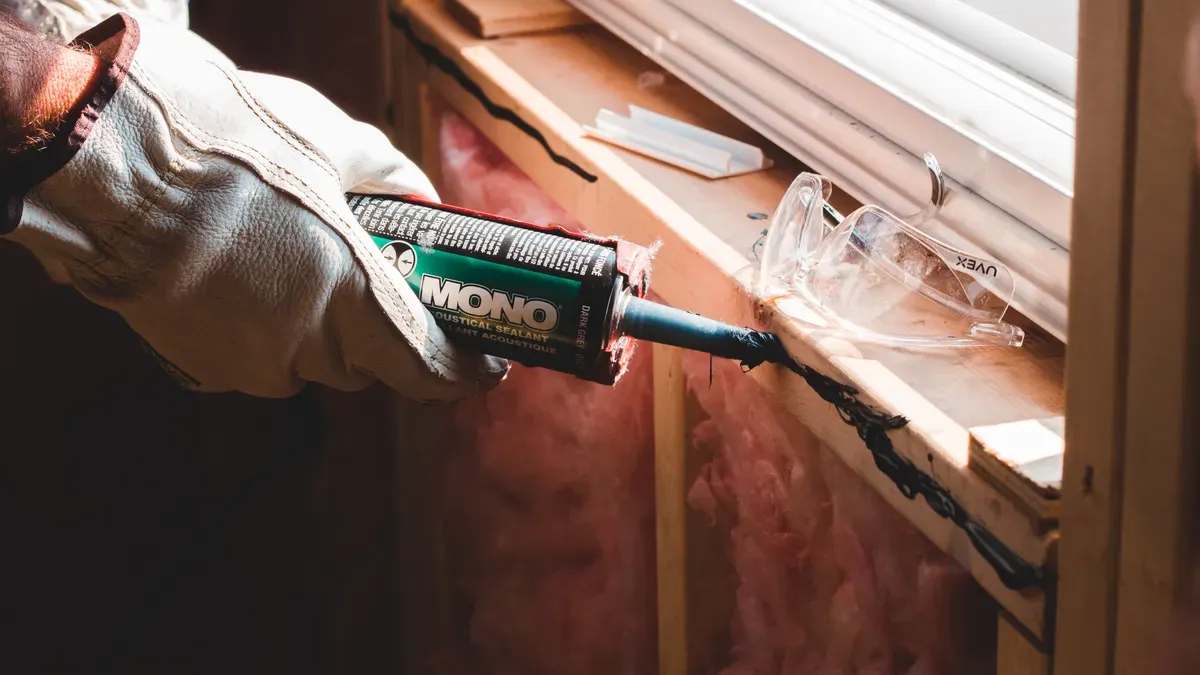
Construction teams use HTPB-based adhesives to attach glass panels and metal frames on tall buildings. These adhesives create strong bonds that hold up against wind and rain. Workers trust these products because they stay flexible when temperatures change. This flexibility helps prevent cracks in the facade. Many architects choose these adhesives for modern skyscrapers because they support large glass surfaces and slim designs.
Infrastructure, Bridges, and Civil Engineering Projects
Engineers rely on HTPB-based sealants for bridges and tunnels. These sealants fill gaps between concrete sections and protect steel parts from water. The materials resist chemicals found in road salts and industrial areas. Teams apply these sealants to expansion joints, which move as the bridge expands and contracts. The sealants keep water out and help the structure last longer.
Note: Using the right sealant can extend the life of a bridge by many years.
Waterproofing, Joint Sealing, and Insulation
Builders use HTPB-based adhesives for waterproofing roofs and sealing joints in walls. These products stop leaks and keep buildings dry. Insulation panels also stay in place with these adhesives. The materials work well in both hot and cold climates. Many green building projects use these adhesives because they support energy efficiency and reduce maintenance needs.
Market Trends and Industry Outlook for HTPB CAS 69102-90-5 in Construction
Demand Drivers and Growth Opportunities
The construction sector continues to grow as new infrastructure projects appear around the world. Builders need materials that last and perform well under tough conditions. HTPB-based adhesives and sealants offer mechanical strength and resist environmental damage. These features make them popular for high-performance construction jobs. Several factors drive demand for HTPB:
- Superior flexibility, chemical resistance, and mechanical strength
- Increased use in below-grade waterproofing, especially in Asia-Pacific
- Compatibility with polyurethane systems, which improves durability
Advancements in adhesive formulations and government support for green building projects create new opportunities. Builders want waterproof coatings and membranes that protect structures from extreme weather. HTPB-based products help meet these needs. The push for innovation and sustainability boosts their use in construction.
Note: The need for infrastructure that withstands harsh weather and temperature changes increases demand for HTPB-based sealants and coatings.
Leading Industry Players and Innovators
Major chemical companies and specialty manufacturers lead the development of HTPB-based adhesives. They invest in research to improve product performance and eco-friendliness. These companies supply materials for bridges, tunnels, and high-rise buildings. Many innovators focus on making adhesives safer and easier to use. They respond to challenges like raw material price changes and strict environmental rules. Competition from other polymers pushes them to create better products.
| Company Type | Focus Area |
|---|---|
| Chemical Producers | Material innovation |
| Specialty Suppliers | Application techniques |
| Research Institutes | Sustainability and safety |
Emerging Markets and Future Prospects
Emerging markets in Asia-Pacific and Latin America show strong growth for HTPB-based adhesives. Large infrastructure projects need waterproofing and durable materials. Builders in these regions choose HTPB for bridges, dams, and tunnels. The future looks bright as more countries invest in modern infrastructure. Challenges remain, such as price fluctuations and environmental regulations. However, ongoing innovation and demand for sustainable solutions support continued growth.
HTPB-based adhesives improve construction with strong bonds, durability, and chemical resistance. The table below shows their impact:
| Impact Area | Description |
|---|---|
| Mechanical Properties | HTPB-based adhesives provide excellent mechanical properties, enhancing construction performance. |
| Durability | These adhesives are known for their durability, which is crucial for long-lasting construction. |
| Chemical Resistance | HTPB offers resistance to hydrocarbons and oxidizers, making it suitable for harsh conditions. |
| Sustainability | The use of bio-based ingredients in formulations reflects a trend towards sustainability in the industry. |
The HTPB market will likely grow at a 9.5% CAGR from 2023 to 2030. New investments and technology advances will support wider use in construction.
FAQ
What makes HTPB-based adhesives suitable for outdoor construction?
HTPB-based adhesives resist weather, chemicals, and temperature changes. They keep strong bonds in rain, sun, and cold. Builders trust them for outdoor projects.
Can HTPB-based sealants help reduce building maintenance?
Yes. These sealants last longer and resist damage from water and chemicals. They help buildings need fewer repairs over time.
Are HTPB-based adhesives safe for the environment?
Manufacturers create low-VOC, eco-friendly HTPB adhesives. These products meet strict environmental rules and support green building goals.
See Also
Silicone Sealant: The Essential Adhesive for Contemporary Residences
Cost Benefits and Insights on Plate Packs for 2025
Innovative Materials Transforming Heat Exchanger Supply Chains
Best Precoating Options for Filtration Systems in 2025
Advancements in Heat Exchanger Manufacturing Boost Industrial Efficiency