How HTPB-Based Adhesives Create Reliable Waterproof Barriers for Building Applications
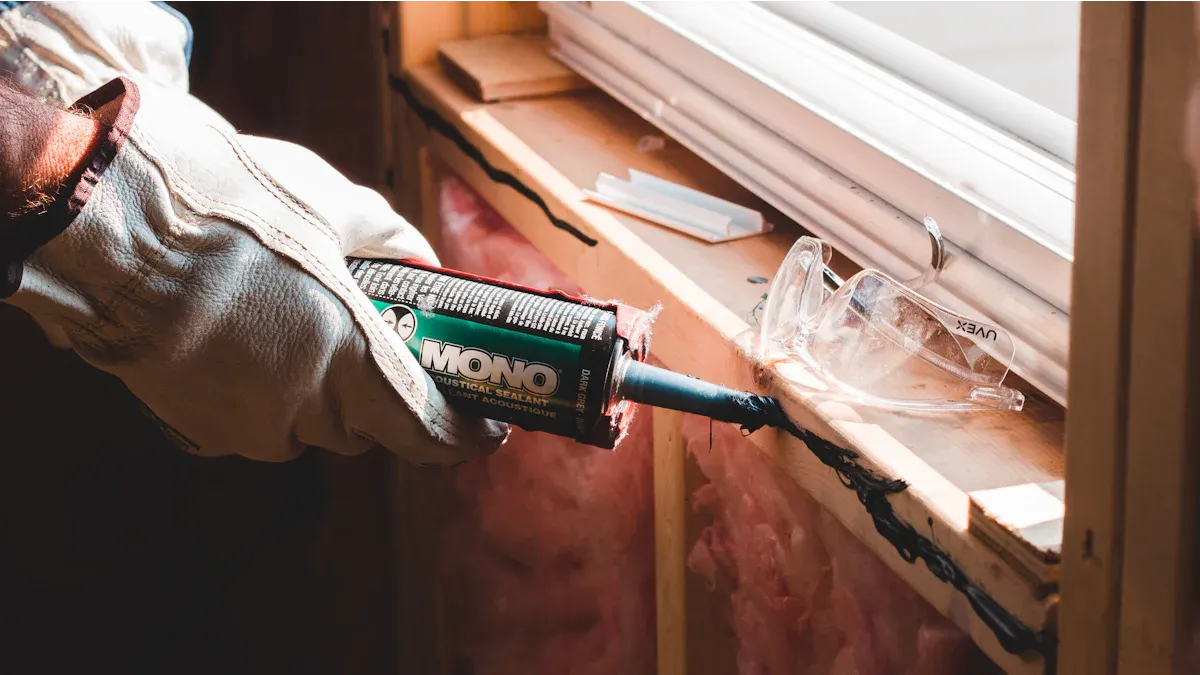
You see how HTPB-based adhesives are widely used in construction with integrated waterproofing. Hydroxyl-Terminated Polybutadiene(HTPB) CAS No. 69102-90-5 gives you a strong barrier that stops water from entering buildings. You trust these adhesives for their unique structure and moisture resistance.
- Builders choose them for reliable waterproof protection.
- Architects depend on their versatile application.
Key Takeaways
- HTPB-based adhesives provide a strong waterproof barrier, protecting buildings from water damage and leaks.
- These adhesives adapt well to various materials like concrete, metal, and wood, ensuring reliable bonding and flexibility.
- Choosing HTPB-based adhesives supports environmental safety with low VOC emissions, improving indoor air quality.
HTPB-Based Adhesives Are Widely Used in Construction with Integrated Waterproofing
What Is Hydroxyl-Terminated Polybutadiene (HTPB)?
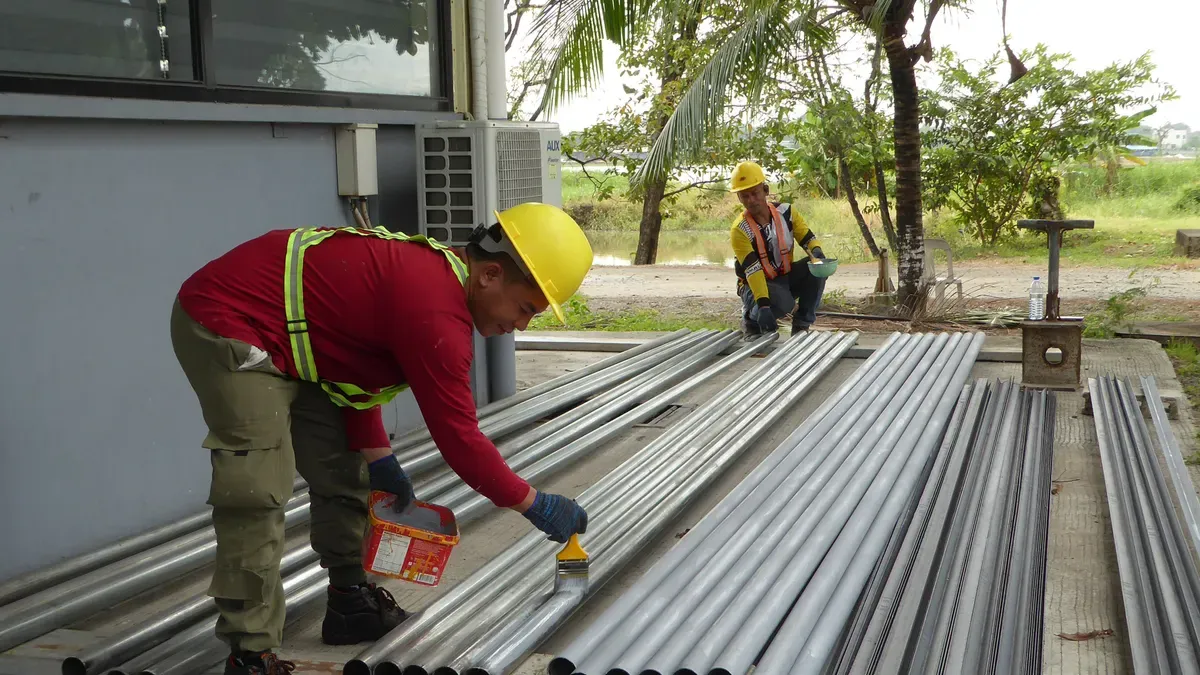
You discover Hydroxyl-Terminated Polybutadiene (HTPB) as a special polymer with a unique chemical structure. This material has a polybutadiene backbone and reactive hydroxyl groups at both ends. These features help HTPB create strong bonds and reliable waterproof barriers. You see that HTPB-based adhesives are widely used in construction with integrated waterproofing because they offer superior hydrophobicity and ultra-low moisture vapor permeability. The polymer resists hydrolysis, acids, alkalis, and many chemicals. You can check the main properties in the table below:
| Property | Description |
|---|---|
| Chemical Structure | Polybutadiene backbone with reactive hydroxyl groups at both ends |
| Hydrophobicity | Superior hydrophobicity and water resistance |
| Moisture Vapor Permeability | Ultra-low moisture vapor permeability |
| Chemical Resistance | Good resistance to hydrolysis, acids, alkalis, and chemicals |
| Adhesion | Strong adhesion to various substrates |
| Compatibility | Good compatibility with multiple resin systems |
| Applications | Roof waterproofing, anti-corrosion, insulation, adhesives |
How HTPB-Based Adhesives Work in Building Applications
You use HTPB-based adhesives in construction because they bond well with materials like concrete, metal, and wood. The reactive hydroxyl groups form strong connections, making the adhesive durable and resistant to peeling. Over the past decade, you notice a big increase in the adoption of HTPB-based adhesives in construction with integrated waterproofing. Builders choose them for their durability, weather resistance, and elasticity. These adhesives maintain flexibility even in cold conditions, which helps prevent cracks and leaks. You rely on their minimal shrinkage and strong adhesion to support structural integrity. Regulatory standards like REACH and ISO certifications ensure that these adhesives meet safety and quality requirements. You benefit from their hydrolytic stability, low-temperature flexibility, and chemical resistance.
Tip: When you select HTPB-based adhesives, you get a solution that protects your building from water and harsh environments for many years.
Waterproofing Mechanisms and Performance Advantages
Superior Moisture Resistance and Hydrophobicity
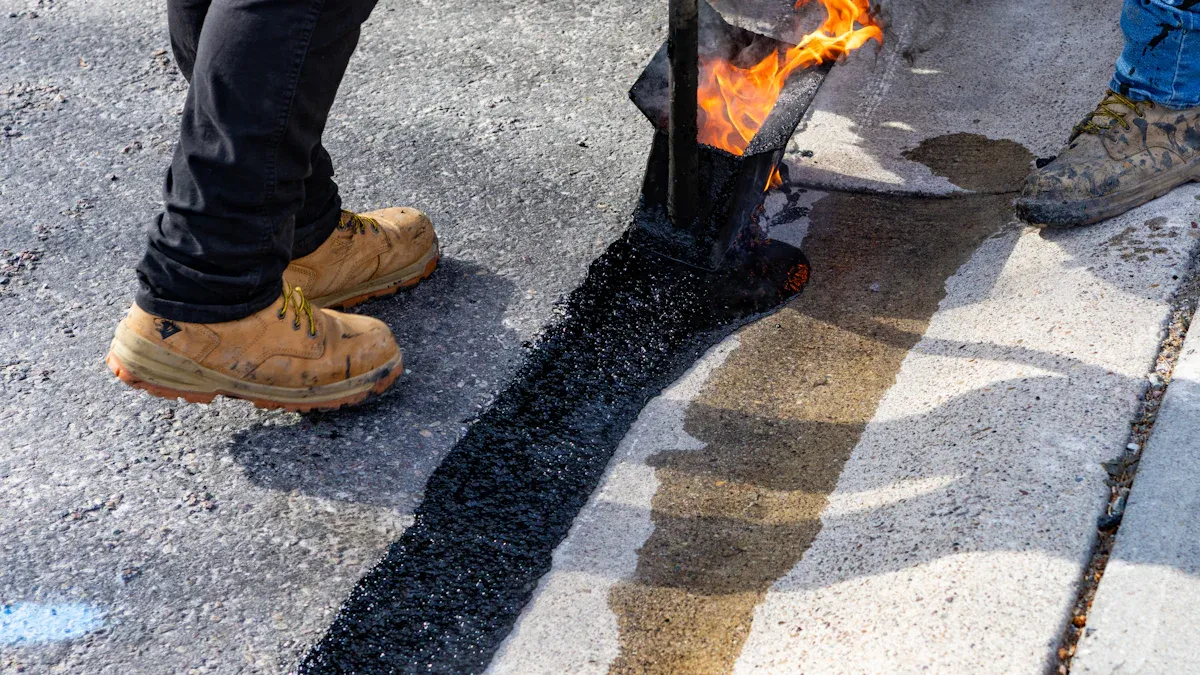
You want your building to stay dry and safe. HTPB-based adhesives are widely used in construction with integrated waterproofing because they create a strong barrier against water. The hydrophobic backbone of HTPB stops water from entering and protects sensitive areas. You see that cured HTPB absorbs less than 1% water by weight. This low water absorption helps keep your building materials safe from humidity and moisture damage.
- Cured HTPB absorbs less than 1% water by weight.
- The hydrophobic structure prevents water from breaking down the adhesive.
- You protect sensitive components from humidity.
Note: You can trust HTPB-based adhesives to keep your building dry, even in extreme environments.
Flexibility and Adaptation to Building Materials
You need adhesives that work with many types of materials. HTPB-based adhesives adapt to concrete, metal, glass, and wood. Their unique molecular structure lets them bond tightly and stay flexible. You notice that these adhesives perform well at low temperatures and resist aging. You can use them in cold climates without worrying about cracks or leaks.
| Property/Feature | Description |
|---|---|
| Molecular Structure | Unique structure allows adaptation to various substrates |
| Elasticity | Provides strong adhesion while maintaining flexibility |
| Low Viscosity | Excellent wetting properties enhance bonding with different materials |
| Modifications | Can be tailored for specific applications through various chemical modifications |
You benefit from their elasticity and durability. HTPB-based adhesives give you strong bonds and keep their shape over time. You see that they provide nearly three times higher shear strength and up to 240% greater tensile strength compared to traditional adhesives. EHTPB, a modified form, uses hydroxyl and epoxy groups to make the adhesive even more flexible and durable. You get reliable performance for many years.
- Elasticity and durability help prevent cracks.
- Strong bonds with metals, glass, and other surfaces.
- High tensile strength supports structural integrity.
Long-Term Durability and Chemical Resistance
You want your waterproof barrier to last. HTPB-based adhesives resist chemical degradation because of their hydrophobic backbone. You see that the non-polar and saturated structure protects the adhesive from humidity, extreme temperatures, and chemicals. You can use these adhesives in harsh construction environments without worrying about damage.
You rely on HTPB-based adhesives for long-term durability. They keep their strength and flexibility, even when exposed to acids, alkalis, and other chemicals. You get peace of mind knowing your building is protected from water and chemical threats.
Tip: Choose HTPB-based adhesives for lasting protection and strong performance in any environment.
HTPB-Based Adhesives vs. Traditional Waterproofing Methods
Key Advantages Over Conventional Sealants and Barriers
You want your building to stay protected from water. HTPB-based adhesives give you a stronger and more reliable barrier than traditional sealants. You see that these adhesives form a three-dimensional network when cured. This network blocks water and keeps your structure safe. Conventional sealants often crack or shrink over time. You notice that HTPB-based adhesives stay flexible and resist aging. You can use them in cold or hot climates without worrying about leaks.
You also care about the environment. HTPB-based adhesives, especially waterborne polyurethane types, release fewer volatile organic compounds (VOCs) than traditional solvent-based adhesives. You improve indoor air quality and create a healthier workspace. Builders and architects choose these adhesives because they support sustainability and safety.
| Feature | HTPB-Based Adhesives | Traditional Sealants |
|---|---|---|
| Water Resistance | Excellent | Moderate |
| Flexibility | High | Low to Moderate |
| Chemical Resistance | Outstanding | Limited |
| VOC Emissions | Low | High |
| Durability | Long-lasting | Shorter lifespan |
Tip: You get better performance and environmental benefits when you select HTPB-based adhesives.
Real-World Examples and Case Studies in Construction
You see HTPB-based adhesives are widely used in construction with integrated waterproofing. Builders use them for roof waterproofing, basement sealing, and exterior wall protection. In one project, a commercial building in a rainy region needed a waterproof barrier for its roof. The team applied HTPB-based adhesives. The roof stayed dry for years, even during heavy storms.
Another case involved a bridge exposed to chemicals and water. Engineers used HTPB-based adhesives to seal joints and protect the structure. The bridge showed no signs of water damage or corrosion after several years. You notice that these adhesives work well in both residential and industrial projects.
- Roofs stay dry in wet climates.
- Bridges resist water and chemicals.
- Basements remain protected from leaks.
Note: You can trust HTPB-based adhesives for reliable waterproofing in many types of construction.
Why HTPB-Based Adhesives Are the Preferred Solution
You want a solution that lasts. HTPB-based adhesives give you long-term protection. You see that they bond tightly to concrete, metal, and wood. You do not worry about cracks or leaks. You also support environmental safety by choosing adhesives with low VOC emissions.
You benefit from easy application and strong adhesion. You save time and money because you do not need frequent repairs. Builders and architects rely on these adhesives for dependable waterproofing. You get peace of mind knowing your building is safe.
Callout: Choose HTPB-based adhesives for lasting waterproof barriers and a healthier environment.
You gain reliable waterproofing when you use HTPB-based adhesives. Their unique properties protect your building from water and damage. You see strong adhesion and predictable curing. The table below shows how HTPB-based adhesives improve durability and integrity in construction.
| Benefit | Impact on Building |
|---|---|
| Water Barrier | Keeps structures dry |
| Waterproofing | Stops leaks at key points |
| Adhesion | Maintains barrier strength |
| Predictable Curing | Reduces repair needs |
Choose HTPB-based adhesives for lasting protection and peace of mind.
FAQ
How do HTPB-based adhesives protect your building from water?
You get a waterproof barrier. The adhesive blocks water and keeps your structure dry. You prevent leaks and moisture damage.
Can you use HTPB-based adhesives in cold climates?
Yes, you can. HTPB-based adhesives stay flexible at low temperatures. You avoid cracks and maintain strong bonds.
What materials can you bond with HTPB-based adhesives?
You bond concrete, metal, glass, and wood. The adhesive adapts to many surfaces. You achieve reliable waterproofing on different building materials.
See Also
Silicone Sealant: The Essential Adhesive for Contemporary Residences
Fortifying Doors and Hinges to Withstand Floods and Fires
Comparing EHEDG Guidelines with 3A SSI Standards for Hygiene
Key Insights on WT20 Electrodes Enhancing TIG Welding Performance
Innovative Micro-Channel Technology for Hydrogen Fuel Cell Efficiency