HTD Series Column Hopper Mixer Features Trending in 2025
Manufacturers now demand higher efficiency, safety, and savings from their mixing equipment. The HTD Series Column Hopper Mixer meets these expectations with advanced automation, improved energy use, and robust safety systems. These innovations raise the bar for industrial mixing, helping companies achieve better performance and lower operational risks.
HTD Series Column Hopper Mixer: 2025 Overview
Key Components and Design
Engineers have refined the HTD Series Column Hopper Mixer for 2025, focusing on durability and precision. The mixer features a robust column structure that supports heavy loads and ensures stability during operation. The hopper design allows for easy material loading and minimizes spillage. Manufacturers use high-grade stainless steel for all contact surfaces, which resists corrosion and simplifies cleaning. The mixing blades now include adjustable angles, enabling operators to optimize blending for different materials.
Tip: Regular inspection of the column and hopper components helps maintain peak performance and extends equipment life.
A quick comparison of core components:
| Component | 2025 Upgrade | Benefit |
|---|---|---|
| Column Structure | Reinforced steel | Increased stability |
| Hopper | Anti-spill design | Cleaner operation |
| Mixing Blades | Adjustable angles | Improved uniformity |
| Control Panel | Touchscreen interface | Easier operation |
Main Industrial Applications
The HTD Series Column Hopper Mixer serves a wide range of industries. Food processing plants rely on it for consistent dough and batter mixing. Chemical manufacturers use the mixer for blending powders and liquids with precise control. Pharmaceutical companies trust the equipment for uniform mixing of active ingredients. Plastics and composites producers benefit from its ability to handle viscous materials.
- Food processing
- Chemical production
- Pharmaceutical manufacturing
- Plastics and composites
Operators in these sectors report higher productivity and fewer maintenance issues with the latest HTD Series Column Hopper Mixer models.
Advanced Automation and Control in HTD Series Column Hopper Mixer
Smart Controls and User Interfaces
Engineers have transformed the control systems of industrial mixers in 2025. Operators now interact with intuitive touchscreens that display real-time data. These interfaces show mixing speed, temperature, and batch progress. The HTD Series Column Hopper Mixer uses programmable logic controllers (PLCs) to automate complex mixing cycles. Operators can select pre-set recipes or customize parameters for each batch.
A modern user interface reduces training time for new staff. Visual alerts notify operators about maintenance needs or safety issues. The system logs every action, which helps managers track productivity and troubleshoot problems.
Note: Smart controls help prevent operator errors and improve consistency in production.
Key features of the latest user interfaces include:
- Large, high-resolution touchscreens
- Multi-language support
- Customizable dashboards
- Remote monitoring via mobile devices
| Feature | Benefit |
|---|---|
| Touchscreen Display | Fast, easy navigation |
| Visual Alerts | Immediate issue detection |
| Remote Access | Flexible supervision |
| Data Logging | Improved traceability |
Integration with Digital Manufacturing
Manufacturers now connect mixers to digital production systems. The HTD Series Column Hopper Mixer supports integration with Manufacturing Execution Systems (MES) and Enterprise Resource Planning (ERP) platforms. This connectivity allows managers to schedule batches, monitor inventory, and analyze performance from a central dashboard.
Sensors inside the mixer collect data on energy use, mixing time, and material flow. The system sends this information to cloud-based analytics tools. Managers use these insights to optimize production and reduce waste. Automated reporting simplifies compliance with industry regulations.
Operators benefit from predictive maintenance alerts. The mixer detects wear and tear, then schedules service before breakdowns occur. This proactive approach increases uptime and lowers repair costs.
Tip: Digital integration streamlines production and supports continuous improvement.
Manufacturers see these advantages:
- Faster response to production changes
- Real-time quality control
- Automated documentation for audits
- Lower risk of unplanned downtime
Mixing Efficiency Upgrades in HTD Series Column Hopper Mixer
Enhanced Speed and Uniformity
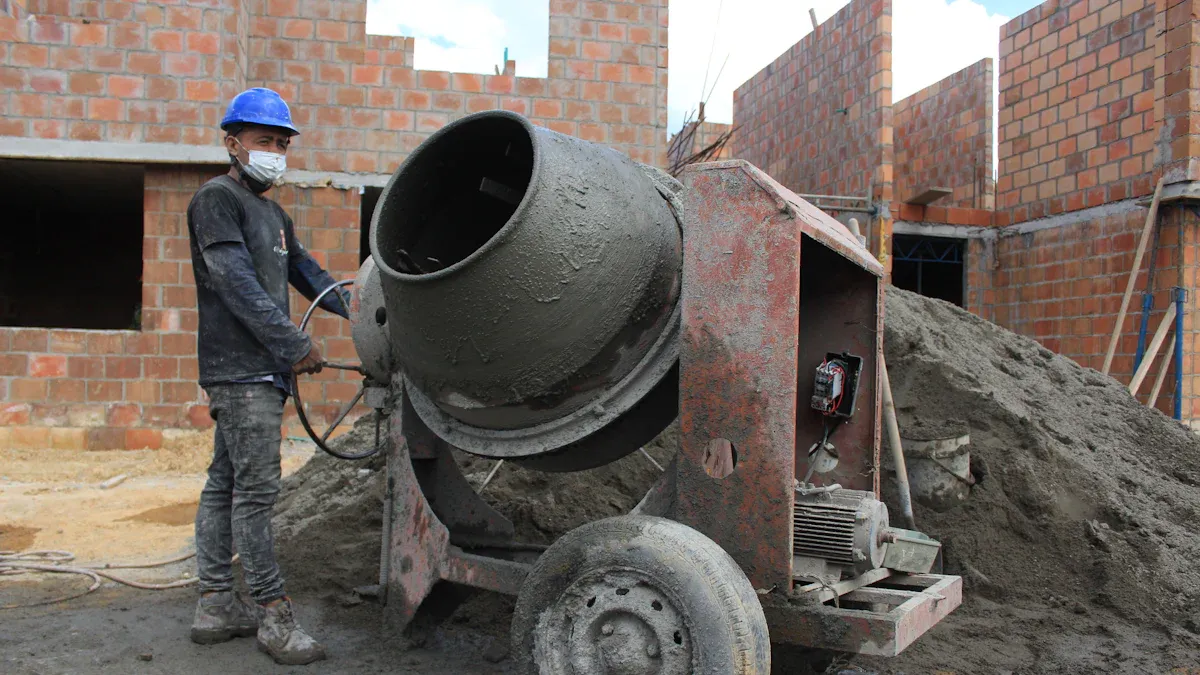
Manufacturers have made significant improvements in mixing speed and uniformity for 2025. The latest models use high-torque motors that deliver faster blending cycles. Operators can now complete batches in less time, which increases overall plant productivity. The new blade geometry ensures that every part of the mixture receives equal attention. This design reduces the risk of unmixed pockets and guarantees a consistent product.
A table below highlights the main upgrades:
| Feature | 2024 Model | 2025 Model |
|---|---|---|
| Mixing Speed | 30 RPM | 45 RPM |
| Uniformity Index | 92% | 98% |
| Batch Completion Time | 15 min | 10 min |
Note: Improved uniformity leads to higher product quality and fewer reworks.
Reduced Energy Consumption
Energy efficiency stands out as a top priority for many industries. The 2025 models use variable frequency drives (VFDs) to adjust motor speed based on load. This technology cuts unnecessary power use during lighter mixing cycles. Insulated motor housings also help reduce heat loss, which further lowers energy bills.
Operators report up to 20% savings on electricity compared to older models. These savings make the HTD Series Column Hopper Mixer a smart investment for companies focused on sustainability.
- Lower energy costs
- Reduced carbon footprint
- Improved operational efficiency
Safety and Compliance Features in HTD Series Column Hopper Mixer
New Safety Mechanisms
Manufacturers have introduced advanced safety mechanisms in the latest models. These features protect both operators and equipment. Emergency stop buttons now appear at multiple access points. Safety interlocks prevent the mixer from running if guards or doors remain open. Sensors detect abnormal vibrations or overheating and trigger automatic shutdowns.
A table below highlights key safety upgrades:
| Safety Feature | Function |
|---|---|
| Emergency Stop Buttons | Immediate shutdown |
| Safety Interlocks | Prevent unsafe operation |
| Vibration Sensors | Detect mechanical issues |
| Overheat Protection | Avoid motor damage |
Tip: Regularly test all safety systems to ensure reliable operation.
Operators report fewer accidents and less downtime due to these improvements. The new safety mechanisms help companies meet strict workplace safety goals.
Industry Standards Compliance
The HTD Series Column Hopper Mixer meets or exceeds major industry standards. Manufacturers design each unit to comply with OSHA and CE requirements. The mixer uses food-grade materials for surfaces that contact ingredients. Electrical components follow UL and IEC safety codes.
Key compliance highlights include:
- Certified food-safe construction
- Electrical safety certifications
- Documentation for regulatory audits
Note: Compliance with recognized standards reduces legal risks and supports global market access.
Companies trust the mixer to pass inspections and maintain a safe production environment.
Modular and Customizable HTD Series Column Hopper Mixer Designs
Flexible Configuration Options
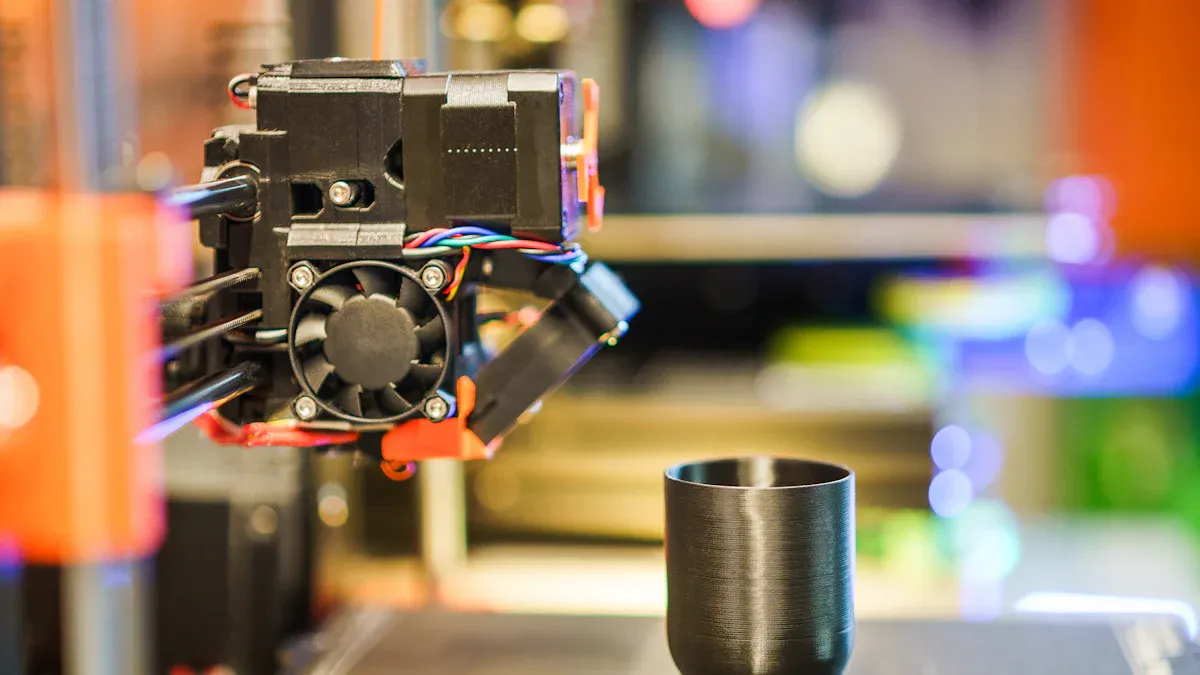
Manufacturers now expect equipment that adapts to changing production requirements. The latest column hopper mixers offer a modular design. Operators can select from a range of hopper sizes, blade types, and discharge options. This flexibility allows companies to match the mixer to specific materials or batch sizes. Quick-change components reduce setup time. Teams can swap out blades or hoppers without special tools.
A table below shows common configuration options:
| Component | Options Available |
|---|---|
| Hopper Size | Small, Medium, Large |
| Blade Type | Paddle, Ribbon, Helical |
| Discharge Type | Valve, Slide Gate, Pump |
Tip: Modular systems help companies scale production without major equipment changes.
Adaptability for Various Production Needs
Production lines often handle different products throughout the year. The HTD Series Column Hopper Mixer supports this need for adaptability. Operators can adjust mixing parameters for powders, liquids, or viscous materials. The control system stores multiple recipes. Teams can switch between products with minimal downtime.
Many industries benefit from this adaptability:
- Food processors mix dough, sauces, or fillings.
- Chemical plants blend powders or emulsions.
- Pharmaceutical companies handle sensitive ingredients.
This versatility ensures that companies stay competitive in fast-changing markets.
Maintenance and Durability Enhancements in HTD Series Column Hopper Mixer
Downtime Reduction Features
Manufacturers have prioritized minimizing downtime in the 2025 HTD Series Column Hopper Mixer. The latest models feature tool-free access panels. Operators can reach critical components quickly for inspection or cleaning. Self-diagnostic systems now alert maintenance teams to potential issues before they cause failures. These systems display error codes and recommended actions on the touchscreen interface.
Quick-release blade assemblies allow teams to swap out worn parts in minutes. Lubrication points are clearly marked and easy to access. Many plants report that these upgrades have cut routine maintenance time by nearly 30%.
Tip: Schedule regular checks using the built-in maintenance reminders to avoid unexpected stoppages.
Key downtime reduction features include:
- Tool-free access panels
- Self-diagnostic alerts
- Quick-release blade assemblies
- Easy-access lubrication points
Extended Equipment Lifespan
Durability remains a core focus for the HTD Series Column Hopper Mixer. Engineers use high-strength stainless steel for all major components. This material resists corrosion and wear, even in harsh environments. Sealed bearings and reinforced joints prevent dust and moisture from entering sensitive areas.
A table below highlights the main durability enhancements:
| Enhancement | Benefit |
|---|---|
| Stainless Steel Build | Corrosion resistance |
| Sealed Bearings | Longer bearing life |
| Reinforced Joints | Reduced mechanical wear |
Operators report fewer breakdowns and longer intervals between major repairs. These improvements help companies maximize their return on investment and maintain consistent production output.
Note: Investing in durable equipment reduces long-term costs and supports reliable operations.
HTD Series Column Hopper Mixer Model Comparison for 2025
Unique Features of Leading Models
HTD Series Column Hopper Mixer models for 2025 each offer distinct advantages. Manufacturers have designed these models to address specific production needs. The HTD-300 stands out with its compact footprint, making it ideal for facilities with limited space. The HTD-600 features a dual-hopper system, which allows operators to switch materials quickly between batches. The HTD-1000 includes a high-capacity motor, supporting heavy-duty mixing for large-scale operations.
A quick comparison of unique features:
| Model | Unique Feature | Best For |
|---|---|---|
| HTD-300 | Space-saving design | Small production facilities |
| HTD-600 | Dual-hopper system | Multi-material processing |
| HTD-1000 | High-capacity motor | Large batch manufacturing |
Tip: Facilities should match model features to their daily production requirements for optimal results.
Most Advanced Capabilities by Model
Each model in the HTD Series brings advanced capabilities to the production floor. The HTD-300 offers rapid cleaning cycles, which reduce downtime between batches. The HTD-600 integrates with cloud-based monitoring, giving managers real-time access to performance data. The HTD-1000 provides advanced vibration control, ensuring smooth operation even at maximum load.
Key advanced capabilities include:
- HTD-300: Fast cleaning, minimal maintenance
- HTD-600: Digital integration, remote diagnostics
- HTD-1000: Enhanced stability, heavy-duty performance
Operators report that these capabilities help them achieve higher productivity and maintain consistent product quality. Selecting the right model ensures that companies meet both current and future production goals.
Practical User Benefits of HTD Series Column Hopper Mixer
Productivity Improvements
Operators see faster batch completion with the latest models. The mixer’s high-torque motor and adjustable blades help teams process more material in less time. Touchscreen controls allow quick recipe changes, which reduces downtime between batches. Many facilities report a noticeable increase in daily output. Teams can also monitor progress in real time, making it easier to keep production on schedule.
Tip: Use the built-in data logging feature to track productivity trends over time.
Safety Enhancements
The new safety systems protect both workers and equipment. Emergency stop buttons and safety interlocks prevent accidents during operation. Sensors detect unusual vibrations or overheating, which helps maintenance teams act before problems escalate. These features create a safer work environment and support compliance with industry regulations.
A quick look at key safety benefits:
- Fewer workplace accidents
- Reduced risk of equipment damage
- Easier compliance with safety standards
Operational Cost Savings
Companies benefit from lower energy bills and reduced maintenance expenses. The mixer’s variable frequency drive adjusts power use based on load, which cuts unnecessary energy consumption. Tool-free access panels and self-diagnostic alerts help maintenance teams fix issues quickly. Many users report fewer breakdowns and longer intervals between repairs.
| Cost Saving Feature | User Benefit |
|---|---|
| Energy-efficient motor | Lower electricity costs |
| Quick maintenance access | Less downtime |
| Durable construction | Fewer replacement parts |
The HTD Series Column Hopper Mixer delivers measurable savings and supports long-term profitability.
The HTD Series Column Hopper Mixer models in 2025 deliver advanced automation, energy savings, and strong safety features. Users should match model capabilities to production needs for best results.
Adopting the latest mixer technology gives companies a clear edge in efficiency, safety, and long-term cost savings.
FAQ
What industries benefit most from the HTD Series Column Hopper Mixer?
Food, chemical, pharmaceutical, and plastics industries see the greatest benefits. These mixers handle diverse materials and support strict quality standards.
How does the mixer improve workplace safety?
The mixer uses emergency stop buttons, safety interlocks, and sensors. These features help prevent accidents and protect both operators and equipment.
Can operators customize mixing parameters for different products?
Yes. Operators select from stored recipes or adjust settings on the touchscreen. This flexibility supports quick product changeovers and consistent results.
Tip: Review the user manual for best practices on recipe management.
See Also
Top Folder Gluer Innovations for Carton Lines in 2025
New Materials Transforming Heat Exchanger Supply Chains
Advantages of Commercial Heat Exchangers to Consider in 2025