Powder Gelatin Made Easy for Home Cooks
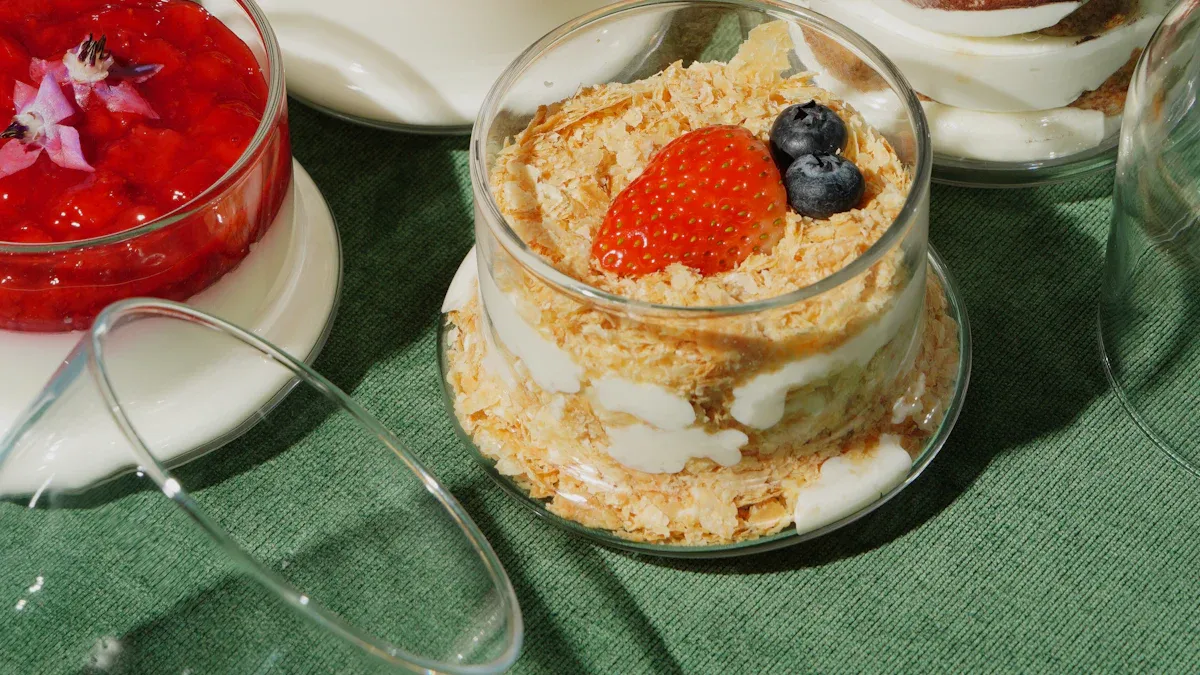
You can use powder gelatin in recipes with just a few steps. Grab a mixing bowl, measuring spoons, and cold water. Follow these tips for success:
- Sprinkle powder gelatin on cold water to bloom.
- Stir bloomed gelatin into warm liquid so it dissolves.
- Measure carefully for perfect texture.
Key Takeaways
- Bloom powder gelatin in cold water for 5 to 10 minutes before dissolving. This step ensures a smooth texture in your recipes.
- Use one teaspoon of powder gelatin for every cup of liquid to achieve the perfect jiggly consistency in desserts.
- Avoid fruits like pineapple and kiwi when using gelatin. These fruits contain enzymes that prevent proper setting.
What Is Powder Gelatin and How Does It Work?
What Powder Gelatin Is Made Of
You might wonder what powder gelatin really is. It comes from collagen, a protein found in animal parts like skin, bones, and connective tissues. People make it by breaking down collagen through a process called hydrolysis. Here are some quick facts:
- Most powder gelatin comes from cattle hides, pig skins, and bones.
- There are two main types: Type A (from pig skin using acid) and Type B (from cattle hides and bones using alkaline treatment).
- Powder gelatin is a mix of different protein chains, which gives it special gelling power.
You can also find gelatin made from fish, which works for some special diets.
How Powder Gelatin Sets Recipes
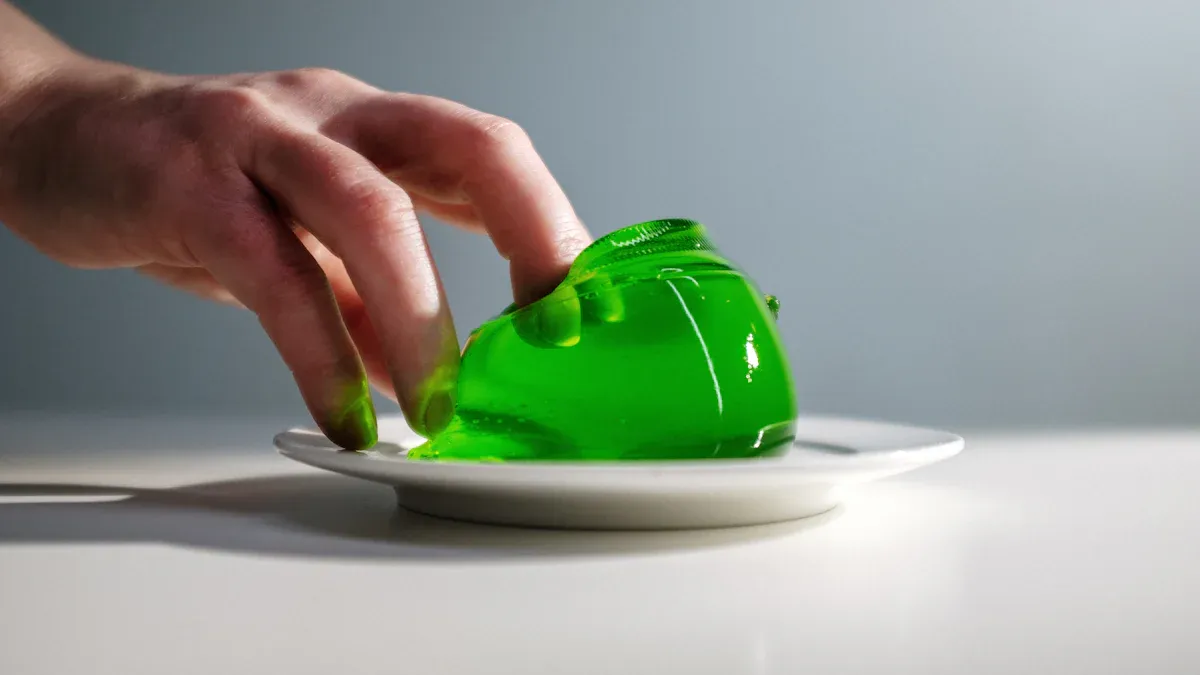
When you use powder gelatin, you create that classic jiggly texture. The science behind it is pretty cool. First, you dissolve the powder in hot liquid. As it cools, the protein chains link up and form a network. This network traps water and turns your liquid into a gel.
| Aspect | Description |
|---|---|
| Network Formation | Gelatin forms a network that holds liquid inside. |
| Hydrocolloid Characteristics | It interacts with water to make a three-dimensional matrix. |
| Gel Appearance | The matrix makes the mixture look and feel solid. |
| Heat Activation | You need to dissolve gelatin in hot liquid before it can set. |
Gelatin starts to set when it cools to about 60-70°F (15-20°C). If you heat it too much, it will not gel.
Common Uses for Powder Gelatin
You can use powder gelatin in all kinds of recipes. Here are some popular ways people use it:
- Make desserts like Jell-O, panna cotta, and marshmallows.
- Set custards, jellies, and gummy candies.
- Create savory dishes like aspics, terrines, and mousses.
- Stabilize sauces and meat dishes.
- Add texture to yogurt and even some noodle soups.
Tip: Powder gelatin works in both sweet and savory recipes, so you can get creative in your kitchen!
How to Use Powder Gelatin: Step-by-Step Guide and Tips
Blooming Powder Gelatin
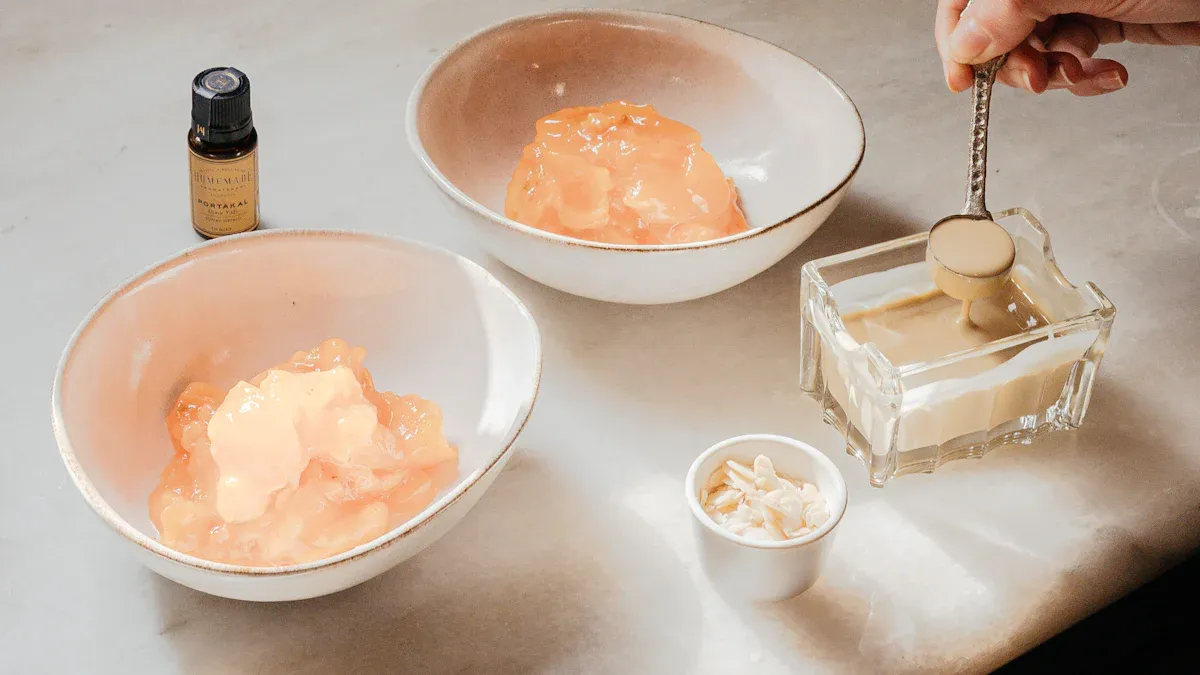
You start with blooming. This step helps powder gelatin absorb water and swell up. You need cold water for this process. Sprinkle the powder gelatin evenly over the surface. Let it sit for 5 to 10 minutes. The grains will soak up the water and become soft.
Many people make mistakes during blooming. Here are some common issues:
- Over-blooming leads to a soft set.
- Under-blooming causes a stiff or grainy texture.
- Lumps and grainy textures happen if you do not bloom or dissolve properly.
Tip: Always use cold water and sprinkle the powder gelatin slowly. Do not rush this step.
Dissolving and Incorporating Powder Gelatin
After blooming, you need to dissolve the gelatin. Gently heat the bloomed mixture until it turns liquid. Do not boil it. Stir until it melts completely. If you see lumps, keep stirring until they disappear.
Here is a simple method to avoid clumping:
- Place 1/4 cup of cold water in a bowl.
- Sprinkle powder gelatin over the water.
- Wait 5 to 10 minutes for blooming.
- Gently heat the mixture until it becomes liquid.
- Mix it with your recipe ingredients.
You can also slowly mix in the powder gelatin and sprinkle it gradually. If clumping happens, keep stirring.
Note: Always bloom powder gelatin first. This prevents grainy or uneven results.
Setting Times and Expectations
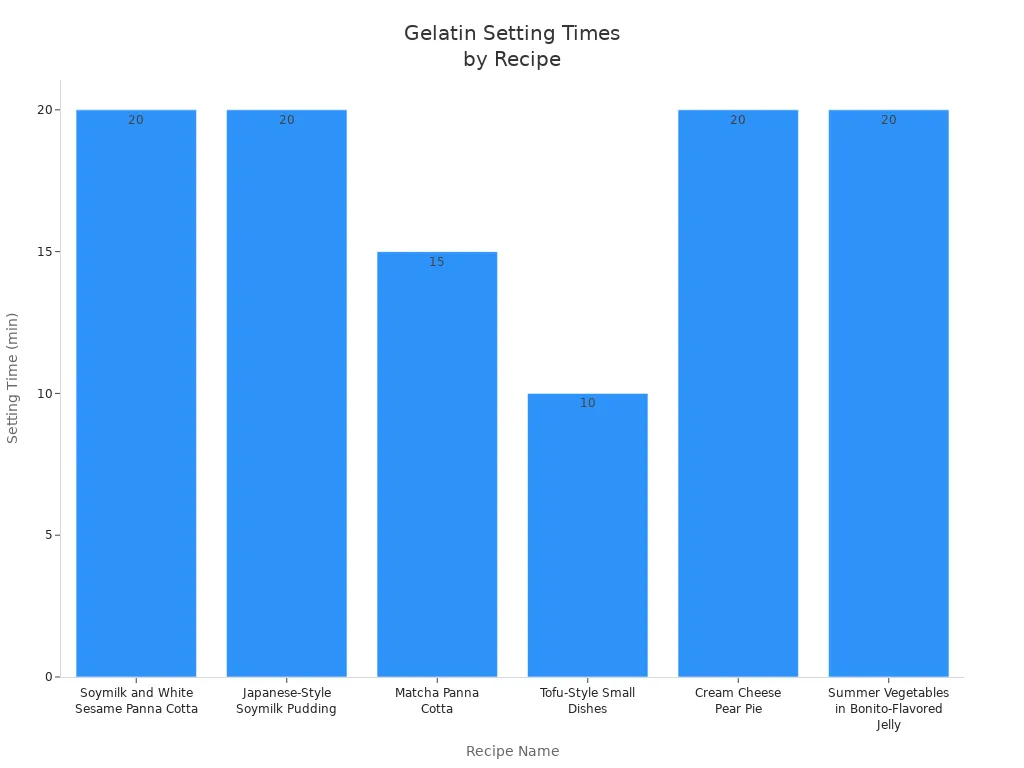
Powder gelatin needs time to set. The setting time depends on the recipe and the temperature. Most desserts and dishes set within 10 to 20 minutes at cool temperatures. Some recipes need longer.
Here is a table showing setting times for different recipes:
| Recipe Name | Setting Time |
|---|---|
| Soymilk and White Sesame Panna Cotta | 20 min+ |
| Japanese-Style Soymilk Pudding with Maple Soy Sauce | 20 min |
| Matcha Panna Cotta | 15 min+ |
| Tofu-Style Small Dishes | 10 min |
| Cream Cheese Pear Pie | 20 min+ |
| Summer Vegetables in Bonito-Flavored Jelly | 20 min+ |
Temperature affects setting time. Gelatin sets faster in the fridge. Here is another table:
| Temperature (°C) | Setting Time (min) | Notes |
|---|---|---|
| 4 | 0.40 - 0.50 | Sets quickly in cold |
| 25 | 18.52 - 34.72 | Sets slower at room temp |
Tip: Chill your recipe for faster setting. Warmer rooms slow down the process.
Tips for Success with Powder Gelatin
You want consistent results every time. Here are five top tips:
- Bloom powder gelatin in cold liquid before dissolving.
- Use the correct ratio. One teaspoon stabilizes 1 ½ cups of heavy cream.
- Add gelatin to meat mixtures to keep them moist.
- Enhance boxed stock by blooming and adding one teaspoon per quart.
- Stabilize whipped cream for desserts that need to hold their shape.
You can also prevent failures by:
- Letting gelatin sit in cold water for 3-5 minutes before adding hot liquid.
- Avoiding fruits like pineapple or kiwi. These contain enzymes that stop gelatin from setting.
- Using the right ratio to avoid rubbery or watery textures.
Callout: Always measure powder gelatin and liquid carefully. This helps you get the perfect texture.
Substitutions and Dietary Alternatives
If you cannot use powder gelatin, you have options. Many plant-based gelling agents work well in recipes.
- Apple pectin comes from apples and works for vegan dishes.
- Citrus pectin is from oranges and lemons.
- Agar-agar is a seaweed product popular in Asian cooking.
- Carrageenan is another seaweed-based option.
- Konjac flour and guar gum are versatile thickening agents.
Other alternatives include:
- Agar-agar (seaweed, sets firmly).
- Pectin (from fruit, good for jams).
- Cornstarch (thickens soups and desserts).
- Vegan Jel (designed to replace gelatin).
- Guar gum (effective thickener).
Agar-agar sets at room temperature and needs boiling water to dissolve. Gelatin sets in the fridge and melts in your mouth. Agar has a higher melting point and stays firm even when heated.
| Property | Agar Agar | Gelatin |
|---|---|---|
| Gel strength | High (sets firmly at low %) | Moderate (needs more material) |
| Texture | Firm, brittle | Soft, elastic |
| Mouthfeel | Clean, rigid | Melting, creamy |
| Clarity | Clear to slightly opaque | Clear |
| Behavior | Agar Agar | Gelatin |
|---|---|---|
| Hydration | Needs boiling | Blooms in cold water |
| Setting temp | ~35–40°C (room temp) | ~10–20°C (fridge) |
| Melting point | ~85°C | ~30–35°C |
| Heat stability | Excellent | Poor |
Note: Agar-agar has no taste or odor. It sets more firmly than powder gelatin and stays solid even in warm conditions.
Troubleshooting Powder Gelatin
Sometimes things go wrong. Here are common issues and how to fix them:
- Gummy is too soft. You used too little gelatin or too much water.
- Gummy has hard bits. Gelatin was not fully bloomed.
- Gummy is sweating or weeping. The ratio of ingredients was off.
If you see lumps or grainy textures, check your blooming and dissolving steps. Always bloom in cold water and dissolve gently. Avoid fruits like pineapple or kiwi. These stop powder gelatin from setting.
Tip: If your recipe does not set, check your ratios and blooming time. Try again with careful measuring.
You can master powder gelatin with a few easy steps:
- Sprinkle gelatin over cold water.
- Let it bloom for 5–10 minutes.
- Gently heat and stir until dissolved.
Try fun recipes like homemade jello, gummies, or no-bake cheesecake. Gelatin adds protein and supports healthy skin, hair, and nails!
FAQ
How much powder gelatin should you use for one cup of liquid?
You usually need one teaspoon of powder gelatin for one cup of liquid. This gives you a soft, jiggly texture.
Can you fix gelatin that did not set?
If your gelatin did not set, you can gently reheat it and add more powder gelatin. Let it bloom first, then stir and chill again.
Is powder gelatin gluten-free?
Yes, powder gelatin is gluten-free. You can use it in recipes if you have gluten sensitivity or celiac disease.
See Also
10 Creative Methods for Incorporating Bovine Gelatin in Cooking
Comparing Bovine Gelatin Powder with Fish and Pork Variants
The Production Process and Composition of Edible Gelatin
Understanding the Ingredients and Production of Bovine Gelatin